Why Fish and Seafood Wastewater Defeats Conventional Treatment
Fish, shrimp, surimi and fish-meal plants in 2026 face a wastewater matrix that conventional primary treatment was never designed to handle: 40–60% of incoming raw material exits the process as solid waste and a further 1–6% of the raw weight reaches the drain as suspended and dissolved load, dominated by proteins, emulsified lipids and phosphate additives (Wageningen PhD on Philippine fish canneries, 2025). On a shrimp washing line in Sfax, Tunisia, the influent that reaches treatment measured 93.5 NTU turbidity and 2,800 µS/cm conductivity, with high COD, nitrogen and phosphorus from protein degradation and phosphate-based processing aids (MDPI, 2025-06). That combination — high suspended solids, soluble protein that does not settle, fat that emulsifies rather than floats, and a salt load that swings from <1,000 µS/cm at freshwater Philippine canneries to full seawater salinity elsewhere — is the engineering reason screens and gravity clarifiers underperform and UF enters the train (Wageningen, 2025).
The failure mode of primary treatment on this feed is structural, not operational. Proteins stay in solution at typical wash-water pH, so settling tanks do not capture them. Free and emulsified oils blind DAF units designed for free-floating FOG when the feed carries fine emulsions stabilised by fish proteins. And in the polishing step downstream — anaerobic digestion being the most attractive option because of the high biodegradability and biogas potential — high lipid loads inhibit methanogens and stall the reactor (Wageningen, 2025). The Wageningen thesis is explicit: "a lipid removal system prior to the high rate methanogenic reactor is advised." A seafood UF train is therefore the practical implementation of that advice: the membrane step does the protein and emulsified-lipid capture that primary and biological steps cannot do cleanly, while protecting the downstream RO or anaerobic unit from fouling and inhibition.
What an Ultrafiltration System Does in a Seafood Process Train
An ultrafiltration system for fish processing wastewater is a 0.01–0.1 µm membrane step, typically 5–50 kDa MWCO, operated at 0.5–2 bar TMP and 1–3 m/s cross-flow, that retains proteins and emulsified lipids while passing water and salts. On shrimp washing wastewater, 10 and 50 kDa membranes deliver a final permeate flux of 87 L·h⁻¹·m⁻² at 2 bar and 20 °C, recovering protein for valorization (MDPI, 2025-06). The separation mechanism is size exclusion through a porous skin — fundamentally different from the solution-diffusion of RO, which strips dissolved salts through a non-porous layer, and from microfiltration, which only screens visible particles (HydropureWater engineering reference, 2026).
In a seafood process train, UF is neither the first nor the last step. The canonical flow is screen → DAF for free oil/FOG → UF → RO (reuse) or anaerobic (discharge), with UF acting as the clarification and protein-recovery workhorse between upstream solid-liquid separation and downstream polishing. The seafood-relevant MWCO window is narrow: 5–10 kDa for fine protein fractionation where a defined peptide or hydrolysate is being captured for sale, 10–30 kDa for general protein recovery from fish-meal and surimi condensate, and 30–50 kDa for bulk solids capture where recovery value is downstream rather than product. UF cannot remove dissolved BOD below roughly 0.5–1 kDa, so it is never a stand-alone discharge step for dissolved organics — that distinction belongs to MBR or RO downstream (HydropureWater engineering reference, 2026). A packaged hollow-fibre PVDF ultrafiltration system positioned after a dissolved air flotation unit is the standard configuration for fish, shrimp and surimi duty in 2026.
Selecting MWCO, Membrane Material and Module Geometry for Seafood Duty
The most defensible seafood UF flux dataset in the public domain comes from the MDPI 2025 study on shrimp washing wastewater, run at 2 bar TMP, 1.7 m/s cross-flow and 20 °C: clean-water flux was 118, 232 and 948 L·h⁻¹·m⁻² for 5, 10 and 50 kDa membranes respectively, and after fouling the 10 and 50 kDa membranes converged to a final permeate flux of 87 L·h⁻¹·m⁻² (MDPI, 2025-06). That 87 L·h⁻¹·m⁻² is directly comparable to the 83.1 L·h⁻¹·m⁻² reported for shrimp wastewater UF in prior literature cited in the same paper. The 20 °C lab temperature is the lowest credible duty point — most seafood plants run 30–55 °C, and 40 °C is the engineering optimum for protein duty because it drops viscosity and lifts flux without the exponential halving of PVDF life that begins above 40 °C (HydropureWater engineering reference, 2026).
Material and geometry selection is the second call. Hollow-fibre PVDF dominates food-service UF because outside-in flow tolerates the suspended solids that survive screens and DAF, and because the geometry supports air-scour backwash between CIP cycles. Tubular ceramic handles the highest TSS and viscosity — useful on fish-meal condensate where protein and lipid concentrations push past the limits of polymeric fibres — at a 2–3× capital penalty. Spiral-wound elements deliver the highest packing density but foul fastest on protein-rich feeds and are rarely first choice for fish/seafood duty (HydropureWater engineering reference, 2026).
For a fish-meal plant with very high lipid and protein load, 30–50 kDa is the bulk-recovery workhorse and 5–10 kDa is only specified where a defined protein fraction is being fractionated for sale. The selection table below condenses these rules into values an engineer can drop into an RFQ. Replacement elements are sourced as replacement UF membrane elements qualified against at least two vendors.
| Application | MWCO (kDa) | Membrane / module | TMP (bar) | Cross-flow (m/s) | Temperature (°C) | Target flux (LMH) |
|---|---|---|---|---|---|---|
| Shrimp washing wastewater (SWW) | 10 or 50 | PVDF hollow-fibre | 2.0 | 1.7 | 20–40 | 80–90 |
| Surimi condensate / press water | 10–30 | PVDF hollow-fibre | 1.0–2.0 | 1.5–2.5 | 30–45 | 50–80 |
| Fish cannery wash + cook water | 30–50 | PVDF hollow-fibre | 0.5–1.5 | 1.0–2.0 | 30–40 | 40–70 |
| Fish-meal condensate (high TSS) | 30–50 | Tubular ceramic (or PVDF) | 1.0–2.0 | 1.5–2.5 | 40–55 | 40–60 |
| Protein fractionation for sale | 5–10 | PVDF or ceramic | 1.0–2.0 | 1.5–2.0 | 30–40 | 30–50 |
Pre-Treatment: Screens, DAF and Lipid Control
Pre-treatment is not optional on seafood UF — it is the difference between a membrane campaign measured in years and one measured in weeks. The MDPI 2025 work showed that simple vacuum pre-filtration alone removed 93% of SWW turbidity with only a 12% drop in crude protein content, which is the first engineering argument for fine screening as the front line of defence (MDPI, 2025-06). The second is the lipid-inhibition finding from Wageningen: at the lipid loads typical of fish-cannery wastewater, methanogens are inhibited and stall their own hydrolysis, so a lipid-removal stage is required ahead of any downstream anaerobic polishing (Wageningen, 2025). The same logic applies to UF — emulsified fat droplets are a primary fouling mode on PVDF and starch-fed biofilms compound the loss in flux.
DAF is the standard lipid-removal unit in a seafood train. A rotary bar screen such as the GX mechanical bar screen removes gross solids first; the DAF unit then targets free oil and floatable FOG to UF-feed targets of typically <50 mg/L FOG and <100 mg/L TSS. The DAF range covers 4–300 m³/h, which lines up with the hydraulic envelope of mid-size canneries and shrimp lines. pH control belongs upstream of the membrane rather than on it — pH 4.5 for protein stabilisation on fish-meal condensate and pH 6.2–6.6 on starch-adjacent surimi lines — and is delivered by a PLC-controlled chemical dosing skid sized to the feed flow and buffer capacity. Without DAF plus screening, CIP intervals on the UF collapse to hours instead of shifts and membrane life drops from 3–5 years to 1–2 (HydropureWater engineering reference, 2026). A process-flow decision framework is laid out in the DAF vs clarifier decision guide for food and beverage plants.
Operating Window: Flux, TMP, Temperature and Cross-Flow on Seafood Effluent
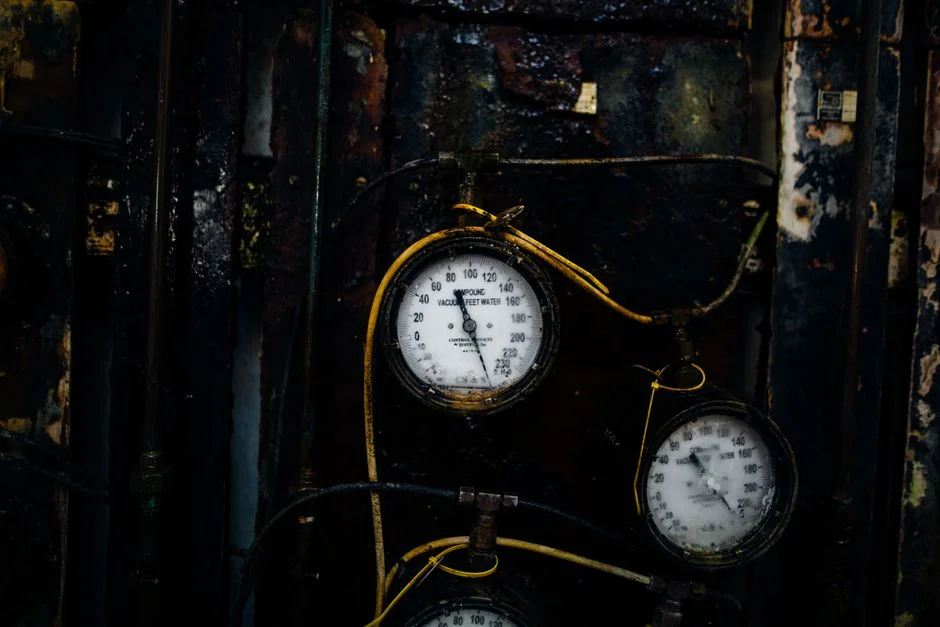
The defensible UF-DF reference point for seafood duty is the MDPI 2025 study: TMP 2 bar, cross-flow 1.7 m/s, 20 °C, yielding 87 L·h⁻¹·m⁻² on 10 and 50 kDa membranes after fouling (MDPI, 2025-06). The wider food-duty range from the HydropureWater 2026 reference is TMP 0.5–2 bar, cross-flow 1–3 m/s and flux 20–80 LMH, with 40 °C as the engineering optimum for protein-rich streams. Recovery above 80–85% is rarely economic because flux decline turns exponential as the cross-flow concentration approaches the protein gel point — chasing the last 5% of recovery typically doubles membrane area for one percentage point of yield (HydropureWater engineering reference, 2026).
Temperature is the operating variable that ties membrane life to process economics. The food-duty window runs 30–55 °C to drop viscosity and lift flux, but every 10 °C above 40 °C roughly halves PVDF membrane life expectancy, so the 40 °C figure in published protein-recovery datasets is a design hint, not just an experimental condition. Cross-flow is the second lever: raising velocity from 1.0 to 2.5 m/s typically lifts steady-state flux by 30–50% on protein feeds, at the cost of higher specific energy. Conductivity and salt load are a design input that is easy to overlook: seawater-using plants push feed conductivity to 30,000–50,000 µS/cm versus <1,000 µS/cm at freshwater Philippine canneries (Wageningen, 2025), and that swing can shift MWCO selection because ionic strength compresses the electrical double layer around proteins and changes effective rejection.
| Parameter | Lab reference (MDPI 2025, SWW) | Food-duty envelope (HydropureWater 2026) | Engineering optimum for seafood protein |
|---|---|---|---|
| TMP (bar) | 2.0 | 0.5–2.0 | 1.0–1.5 |
| Cross-flow (m/s) | 1.7 | 1.0–3.0 | 1.5–2.5 |
| Temperature (°C) | 20 | 30–55 | 40 |
| Flux (LMH) | 87 (10/50 kDa fouled) | 20–80 | 40–80 |
| Recovery (%) | — | up to 90 | 75–85 (gel-point limited) |
Fouling and CIP on Fish, Shrimp and Surimi Duty
Fouling is the single largest research topic in UF and the single largest operating cost on a seafood plant — 27% of all UF publications in the 2009–2018 ScienceDirect corpus were fouling-focused, more than modelling (17%) and wastewater applications (12%) combined (Al Aani et al., 2020, cited in HydropureWater engineering reference, 2026). On a seafood feed the fouling modes are well-defined and require different chemical responses: cake formation from protein concentrates, pore blocking from emulsified fat droplets, adsorption of pigments and surfactants onto PVDF surfaces, and biological fouling from residual-protein and starch-fed biofilms. The MDPI 2025 SDS-PAGE work confirmed that the proteins captured by 10 and 50 kDa membranes on SWW originate from exoskeletal remnants, muscle tissue and enzymatic secretions — a mix that fouls by both cake and adsorption rather than a single mechanism (MDPI, 2025-06).
A defensible seafood CIP runs in three steps. Alkaline wash at pH 11–12, typically NaOH at 50–60 °C, hydrolyses proteins and saponifies residual fats — this does most of the recovery work on fish-meal and surimi duty. Acid wash at pH 2, typically citric or nitric, removes mineral scale and breaks protein–mineral complexes in hard-water regions. Enzymatic cleaners (proteases, lipases) handle the residual biofilm that survives the alkaline step, particularly on surimi lines where starch is present (HydropureWater engineering reference, 2026). Air-scour backwash at 0.5–1.0 Nm³/m²·h between CIP cycles keeps flux recovery above 90% on hollow-fibre PVDF and is the single cheapest insurance on a seafood UF. The chemistry is delivered by a PLC-controlled chemical dosing skid tied to the CIP sequence.
Where UF Sits: UF vs MF, MBR and RO for Seafood Effluent
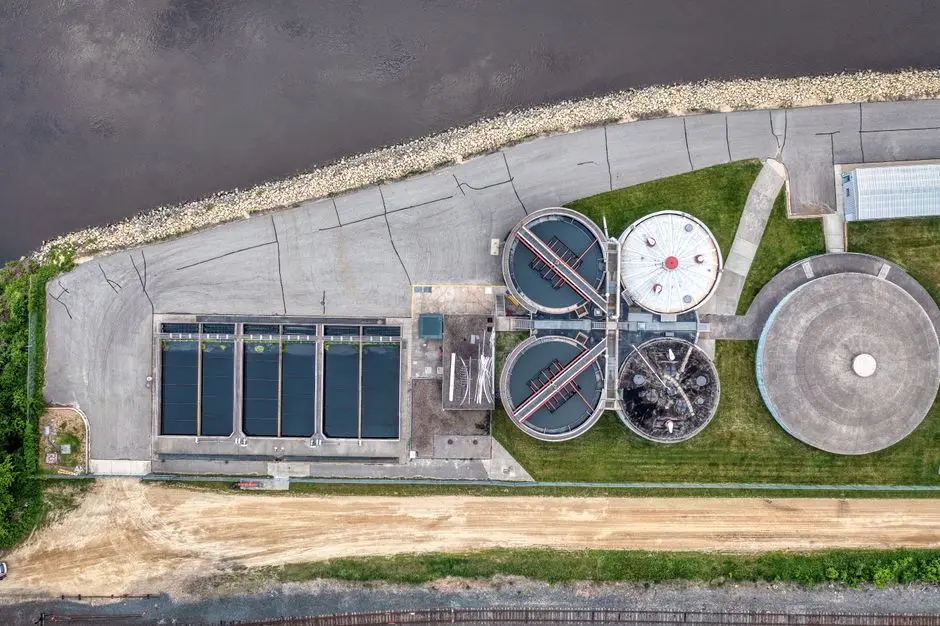
UF is one step in a multi-barrier process train and is best specified against the three technologies it is most often confused with. Microfiltration screens visible particles and does not retain emulsified oil or soluble protein. MBR adds biological oxidation to a UF-like membrane and is the right tool when discharge compliance on dissolved organics is the goal. RO strips dissolved salts through a non-porous skin and is the right tool for water reuse or zero-liquid-discharge — but it cannot tolerate the TSS or emulsified oil UF is specifically designed to remove (HydropureWater engineering reference, 2026). The S3 decision rule, applied to seafood, is: protein/oil recovery = UF → RO; discharge compliance on dissolved organics = MBR; free FOG removal = DAF; reuse/ZLD = UF → RO.
One boundary condition matters for 2026 RFQs: standard UF does not reject short-chain PFAS such as PFOA and PFOS, which sit below 0.5 kDa. UF is still essential in a PFAS train because it removes the emulsified oils, proteins and surfactants that would otherwise foul the high-pressure RO or NF membrane that does the actual PFAS rejection — so for 2026 PFAS expectations, specify UF → RO or UF → NF → RO rather than UF alone (HydropureWater engineering reference, 2026). A full MBR vs conventional activated sludge comparison is covered in the engineering reference.
| Technology | Seafood duty | Typical effluent quality | Energy (kWh/m³) | Position in train |
|---|---|---|---|---|
| DAF | Free oil, floatable FOG, partial TSS | <50 mg/L FOG, <100 mg/L TSS | 0.1–0.3 | Pre-UF (mandatory) |
| UF (PVDF hollow-fibre) | Macromolecules, colloids, emulsified oil, bacteria | Reuse-grade on TSS/FOG; protein-rich retentate | 1–3 | Mid-train |
| MBR | Dissolved organics + TSS polishing | <30 mg/L BOD, <30 mg/L TSS | 2–4 | Discharge (no recovery) |
| RO | Dissolved salts, low-MW organics, reuse | TDS <500 mg/L, conductivity suitable for reuse | 4–6 | End-of-train (reuse/ZLD) |
CAPEX, OPEX and Protein-Recovery Payback for a Seafood UF Train
Typical food-plant UF CAPEX splits 35–45% on membranes and modules, 20–25% on skids and piping, 10–15% on controls and instrumentation, and 15–20% on installation and commissioning (HydropureWater field data, 2026). Energy is the most defensible OPEX line: UF runs 1–3 kWh/m³ permeate versus 4–6 kWh/m³ for downstream RO, so the case for putting UF ahead of RO is energy-driven as well as membrane-protection-driven. CIP chemicals scale with fouling rate, which is why pre-treatment (DAF + screening) is never optional — under-pre-treated plants see CIP intervals collapse from days to hours. Membrane replacement runs on a 3–5 year cycle for properly maintained PVDF (HydropureWater engineering reference, 2026). Spare elements and cassettes are stocked against the leading replacement UF membrane elements qualified from at least two vendors, and a plate-frame filter press downstream dewateres the protein concentrate to a handleable cake for sale or further drying.
The cleanest payback argument for a seafood UF is protein recovery. The 87.8% protein recovery at 30 kDa and 40 °C reported in the HydropureWater 2026 reference for starch-plant water translates directly to a seafood analogue at 10–30 kDa and the same 40 °C window. A mid-size fish, shrimp or surimi plant losing 60–80% of its protein-bearing stream to drain can typically recoup UF CAPEX in 12–30 months through recovered solids value, with the wider range reflecting local fish-meal and hydrolysate pricing (HydropureWater field data, 2026). The S4 Wageningen mass balance — 40–60% solid waste and 1–6% to drain — is the upstream number that justifies the sizing. One supply-chain risk worth flagging in 2026: Koch and Dow historically control over 51% of UF membrane unit volume, so qualifying a second supplier and stocking critical spares is the cheapest insurance against a forced re-spec mid-campaign (Al Aani et al., 2020, cited in HydropureWater engineering reference, 2026).
Frequently Asked Questions
What MWCO and flux should I specify for a shrimp washing wastewater UF?
Specify 10 or 50 kDa PVDF hollow-fibre at 2 bar TMP, 1.7 m/s cross-flow and 20–40 °C; both MWCOs converge to a final permeate flux of 87 L·h⁻¹·m⁻² after fouling on shrimp washing wastewater, comparable to the 83.1 L·h⁻¹·m⁻² reported in prior shrimp wastewater UF work (MDPI, 2025-06).
Why is DAF mandatory before UF on a fish or shrimp line?
High lipid loads inhibit methanogens in any downstream anaerobic reactor and stall their own hydrolysis, so a lipid-removal stage is required ahead of both UF and anaerobic polishing; DAF targets <50 mg/L FOG and <100 mg/L TSS to the UF feed (Wageningen, 2025; HydropureWater engineering reference, 2026).
What is the realistic payback on a seafood UF from protein recovery?
At 10–30 kDa and 40 °C, UF recovers up to 87.8% of protein otherwise lost to drain, and mid-size fish, shrimp and surimi plants typically recoup UF CAPEX in 12–30 months through recovered protein value, with the wider band reflecting local fish-meal and hydrolysate pricing (HydropureWater field data, 2026).
What COD removal can I expect from UF alone on seafood effluent?
UF targets macromolecules, colloids, emulsified oil and bacteria, not dissolved BOD; published COD removal of 50–65% with cellulose acetate UF on seafood processing wastewater sets the realistic UF-only ceiling, with MBR or RO required downstream for dissolved organics and salt removal (MDPI, 2025-06).
How should I treat the freshwater vs seawater split in a seafood UF design?
Freshwater-using canneries (groundwater-fed, e.g. Philippine plants) run feed conductivity <1,000 µS/cm, while seawater-using plants push 30,000–50,000 µS/cm; the salt swing changes ionic strength, compresses the protein double layer and can shift effective MWCO, so feed conductivity is a required design input alongside the 40–60% solid-waste and 1–6%-to-drain mass balance (Wageningen, 2025).