Why Memphis Food and Beverage Plants Struggle With Primary Clarification
Memphis food and beverage plants routinely discharge effluent with FOG above 150 mg/L and TSS above 500 mg/L, a profile driven by cooking oils, cleaning residues, blood and protein solids, and produce washwater. The same plants also face tight Tennessee industrial NPDES permits and local POTW pretreatment limits that set discharge caps as low as 100 mg/L FOG for facilities tributary to the Memphis sewer system. The state's pretreatment enforcement authority is active, and categorical standards under 40 CFR 403 apply to many F&B subcategories, so a primary clarifier that misses by 20% becomes a Notice of Violation.
CIP cycles, summer ambient temperatures in the 30–35 °C range, and seasonal product mix swings push both FOG loads and TSS concentrations well outside the envelope a conventional gravity clarifier can absorb. The decision is therefore not whether to clarify, but whether to specify DAF or a lamella clarifier for primary solids removal before biological or membrane polishing. The wrong separator means chemical overspend, floor space you don't have, or a stack of non-conformance reports during the next POTW inspection.
How a DAF Clarifier Actually Works on Food and Beverage Wastewater
A DAF clarifier saturates a pressurized recycle side-stream (typically 20–40% of the clarified flow) with air at 4–6 bar; on depressurization in the flotation tank, 30–50 µm microbubbles nucleate on flocculated particles and lift them to the surface for skimming. The microbubble band of 30–50 µm is the engineering target because smaller bubbles give higher surface-area-to-volume for particle attachment, while larger bubbles rise too fast and disturb the sludge blanket (S1, S3).
Chemical conditioning is mandatory for F&B streams. Coagulant (alum, PAC, or ferric chloride) destabilizes colloids, pH adjustment to 6.5–7.5 prepares the stream for polymer, and a polymer flocculant builds a buoyant floc. Mixing is delivered either through serpentine flocculation tubes (15–45 second flash-mix residence time with three dosing points for coagulant, pH, and polymer) or through impeller mix tanks for streams needing longer contact time (S3). Most DAF tanks also collect heavier settleable solids in a bottom auger compartment, so a single DAF unit removes both floatable FOG and settleable TSS (S3).
Standard build is 304SS for general F&B duty, with 316SS available for high-chloride streams (salty brines, cheese washwater) and polypropylene for low-pH or high-FOG pickling effluent (S1). Within the HydropureWater dissolved air flotation system family, the FPAC geometry suits small-to-medium flows with very high solids, the FPBC adds lamella plates for low-to-medium solids and low-buoyancy particles, the FPHF handles high flows with cross-flow and countercurrent separation, and the Compact DAF is a turnkey skid sized at ≤66 GPM single skid or modular two-skid above 66 GPM (S1, S3).
How a Lamella Clarifier Works and Where It Wins
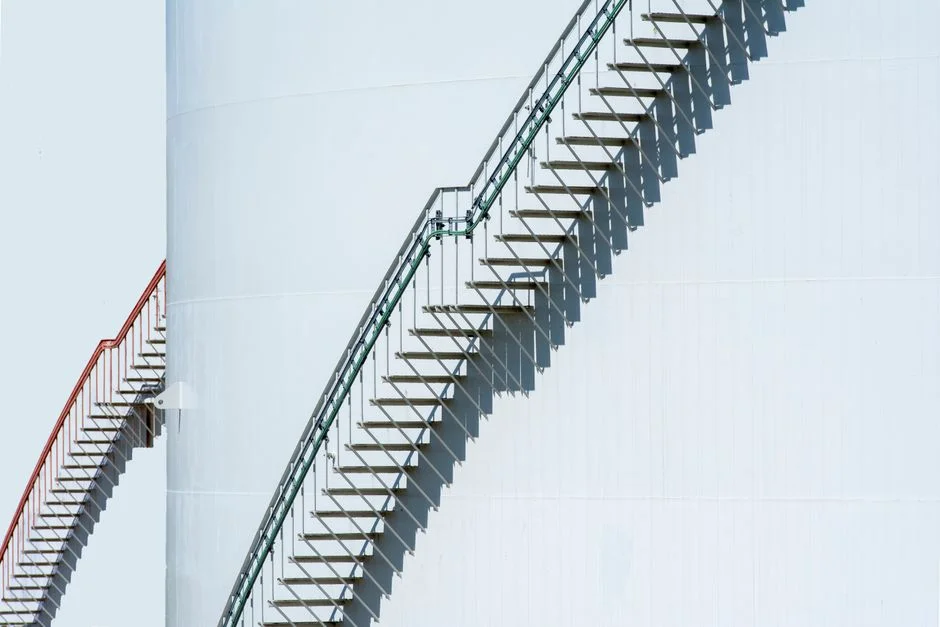
A lamella clarifier stacks inclined plates at 55–60° inside a rectangular tank, shortening the effective settling distance so a particle only needs to fall 30–80 mm before it slides down a plate into a sludge hopper. Surface loading rates of 20–40 m/h are achievable because the effective settling area is the sum of the projected plate area, not just the tank footprint. The HydropureWater high-efficiency lamella clarifier combines flocculation, inclined-plate settling, and sludge recirculation in a single structure, and the sludge-blanket contact improves floc utilization enough to cut coagulant and polymer dose by up to 30% versus a conventional clarifier.
The separator is a gravity device, so it can only remove particles that sink. FOG and other floatables pass through unless a pre-skimmer or DAF polishing step is added upstream. That makes lamella the right answer for streams where most solids are settleable fines, FOG is low (below ~150 mg/L), and floor space is the binding constraint.
For beverage bottling, brewery cold-side streams, produce washwater, and starch/protein plants with low oil and grease content, lamella delivers a small footprint, modest chemical use, and a dense settled sludge that dewaters predictably on a filter press or screw press. Reference data for the unit is published in the catalog entry for the HydropureWater high-efficiency lamella clarifier.
DAF vs Lamella Clarifier: Parameter Comparison for F&B Wastewater
Side-by-side, the two separators split on mechanism, FOG handling, hydraulic loading, footprint, chemical intensity, and cost. The table below is the working reference a Memphis engineer can pull into an RFQ scoring sheet.
| Parameter | DAF Clarifier | Lamella Clarifier |
|---|---|---|
| Mechanism | 30–50 µm microbubbles attach to floc, float to surface, skimmed; bottom auger collects settleables | Gravity settling on 55–60° inclined plates; sludge slides into hopper |
| Best influent FOG | 150–5,000+ mg/L with chemical conditioning | <~150 mg/L; upstream FOG removal required above that band |
| Best influent TSS | Up to several thousand mg/L with chemical conditioning | 200–1,000 mg/L band; higher TSS degrades sludge blanket stability |
| Surface / hydraulic loading | 5–25 m³/m²·h depending on model (FPAC, FPBC, FPHF) | 20–40 m/h surface loading on projected plate area |
| Footprint per m³/h | Larger — surface area drives tank size | Smallest — inclined plates multiply effective area |
| Chemical intensity | Higher — coagulant + pH trim + polymer required | Up to 30% lower than conventional clarifier |
| Sludge consistency | Thicker float sludge (3–6% DS typical) | Denser settled sludge (1–3% DS typical) |
| Typical removal (FOG / TSS) | FOG 90–98%, TSS 85–95% with jar-test-validated chemistry | TSS 60–85%, FOG removal limited to floatables already partially settled |
| CAPEX envelope | Higher (pressurization package, recycle pump, saturator) | Lower (no pressurized recycle, simpler controls) |
| OPEX drivers | Polymer dose, air saturation energy, skimmer maintenance | Sludge pumping, occasional polymer, plate cleaning |
| HydropureWater model range | DAF 4–300 m³/h across 13 standard sizes | High-efficiency sedimentation tank catalog |
The FOG row is the line of demarcation. DAF uses microbubbles to do mechanically what gravity cannot, and that capability is what justifies its chemical bill and larger footprint when FOG or floatable solids dominate the stream.
Which Memphis Food and Beverage Streams Should Choose DAF in 2026
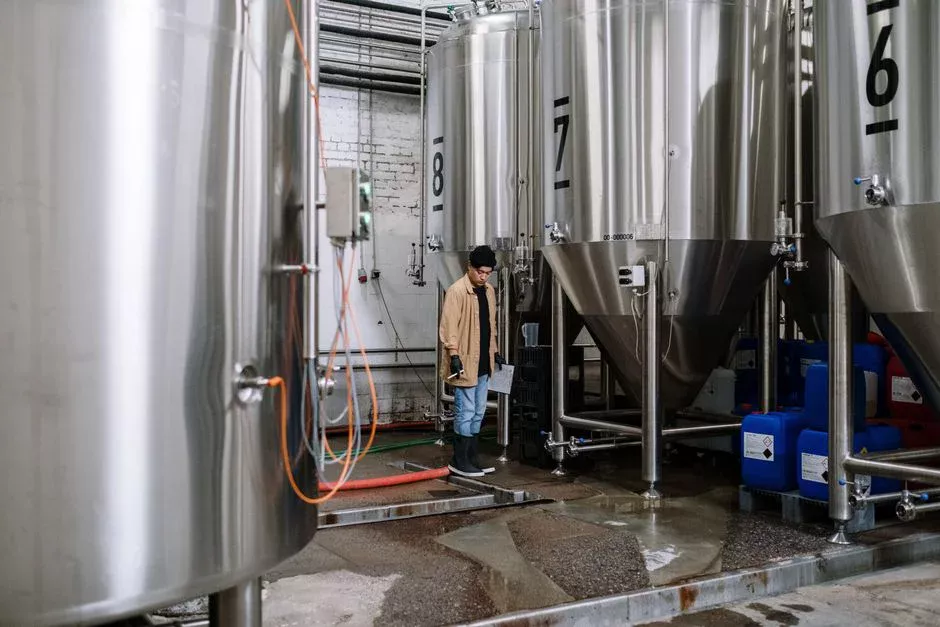
DAF is the right primary clarifier for high-FOG, high-TSS streams typical of Memphis-area poultry, meat, dairy, and fried snack production. Poultry and meat processing generates blood, fat, and protein solids that form a buoyant fraction; dairy and cheese plants discharge lactose, butterfat, and casein fines; fried snack and bakery operations contribute free oils and particulate carryover from flour and batter; rendering washwater can run FOG in the 1,000–5,000 mg/L range. None of these streams respond to gravity settling alone.
DAF is also the safer choice when the Memphis POTW sets a FOG cap in the 100–200 mg/L band, because a lamella clarifier without an upstream FOG trap cannot hit that target. Pair the HydropureWater dissolved air flotation system with a HydropureWater automatic chemical dosing skid so coagulant, pH, and polymer doses track influent variability through PLC trim, and follow with biological polishing (MBR or activated sludge) if BOD reduction is still required downstream. For seasonal or pilot flows, the Compact DAF skid at ≤66 GPM single skid is a plug-and-play package that can be re-deployed when production shifts.
A short rule of thumb for the RFQ: if your 24-hour composite sample shows FOG above ~150 mg/L or TSS above ~500 mg/L with floatable solids, DAF is the default.
When a Lamella Clarifier Is the Better Memphis Plant Choice
Pick a HydropureWater high-efficiency lamella clarifier when the stream is settleable-dominant and FOG stays below ~150 mg/L. Beverage bottling rinse water, brewery cold-side streams, produce washwater, and starch/protein plants running low-oil process water all fit this profile. The TSS band of 200–1,000 mg/L is the sweet spot — enough load to justify chemical conditioning, not so much that the inclined plates sludge over.
The lamella geometry delivers 20–40 m/h surface loading inside a footprint that is typically 60–80% smaller than a DAF of equivalent hydraulic capacity, which matters in tight Memphis plant layouts, brownfield retrofits, and any facility where production is already claiming most of the floor plate. Chemical bill is up to 30% lower than a DAF when polymer demand is modest, and the settled sludge is dense enough to feed a filter press or screw press directly.
If a residual FOG load remains after the lamella — say, from a sporadic cleaning event — don't size the lamella for the worst case. Add a small DAF polish or a parallel FOG trap rather than oversizing the inclined-plate unit. A staged DAF-lamella or lamella-DAF train covers the worst of both influent scenarios without paying for full-scale capacity in either unit.
2026 Memphis Compliance and Sizing Checklist Before You Buy
Five actions separate a defensible separator purchase from a 2026 non-conformance event. Use this checklist before issuing the RFQ.
| Step | Action | Output |
|---|---|---|
| 1. Pull the permit | Read the site's NPDES or local POTW permit; identify FOG, TSS, BOD, pH limits, and any 40 CFR 403 categorical standards | Effluent targets the separator must hit |
| 2. Jar test the real stream | Run jar tests on 24-hour composite samples with coagulant, pH adjustment, and polymer dose ranges; observe floc size, settleability, floatability | Validated chemistry and achievable FOG/TSS removals |
| 3. Confirm flow and peak factor | Average and peak hourly flow; if ≤66 GPM a Compact DAF skid fits one footprint, >66 GPM plan a two-skid modular layout or larger DAF model | Sized equipment list with hydraulic loading 5–25 m³/m²·h |
| 4. Size the sludge train | Estimate float or settled sludge volume; size a HydropureWater plate and frame filter press against expected dry solids | Filter press chamber count and cake dryness target |
| 5. Validate summer temperature | Confirm downstream biological step can handle 30–35 °C summer influent; adjust HRT if needed | Hydraulic residence time and aeration basis locked |
Tennessee's pretreatment authority is active, and Memphis POTW inspection records show FOG limit enforcement is routine. A permit number in hand plus jar-test data on file is the minimum documentation that holds up during an audit. Pair the separator with a HydropureWater automatic chemical dosing skid so the chemistry is reproducible, and revisit the checklist after the first 90 days of operation with actual effluent data.
Frequently Asked Questions
When is DAF preferred over a clarifier for F&B wastewater?
DAF is preferred when influent FOG exceeds ~150 mg/L or TSS runs above ~500 mg/L with floatable solids, because microbubbles lift FOG and fine TSS that gravity settling cannot capture. For a Memphis food plant with high-FOG effluent, DAF is the default primary clarifier and a lamella is reserved for low-FOG polishing or low-strength sidestreams.
What removal efficiencies should I expect from DAF on F&B effluent?
With jar-test-validated coagulant and polymer dosing, DAF typically achieves TSS removals of 85–95% and FOG removals of 90–98% on F&B streams (industry range, not a guaranteed minimum). The actual number depends on influent variability, saturator performance, and skimmer speed; jar tests on your specific stream are the only reliable predictor before procurement.
Can a lamella clarifier handle FOG?
A lamella clarifier is a gravity device and cannot lift floatables. It handles residual FOG only after upstream FOG removal — a skimmer, FOG trap, or DAF polish — and works best when FOG is already below ~150 mg/L. For FOG-dominant streams, the lamella will pass oil through to downstream processes.
What footprint should I plan for a DAF vs a lamella clarifier in a Memphis plant?
Order-of-magnitude, a DAF needs more floor area per m³/h because hydraulic loading is limited to 5–25 m³/m²·h depending on model, while a lamella clarifier at 20–40 m/h surface loading on inclined plates is the compact option, typically 60–80% smaller footprint than a DAF of equivalent hydraulic capacity. In a tight Memphis plant layout, footprint often decides the choice when FOG permits.
How do I size a DAF for a Memphis food plant in 2026?
Start with design flow plus peak factor, then apply a hydraulic loading of 5–25 m³/m²·h and an air-to-solids ratio of 0.005–0.06 to size the saturator and recycle pump. Validate chemistry with a jar test, then select the closest DAF model (4–300 m³/h range, 13 standard sizes) or a Compact DAF skid for flows at or below 66 GPM. Cross-check the downstream biological step's HRT against summer influent temperatures of 30–35 °C before finalizing.