Why Food Processors Are Replacing CAS with MBR: The Compliance and Cost Imperative
MBR systems for food processing wastewater deliver near-reuse-quality effluent with COD removal ≥95%, TSS <10 mg/L, and BOD <5 mg/L—exceeding EPA 40 CFR Part 405/432 and EU Directive 91/271/EEC limits. For example, a 2023 pilot in Malaysia showed hollow fiber membranes operating at 0.3 bar TMP achieved 84%+ COD rejection even with influent COD ranging 50–500 mg/L. When paired with RO, MBR pre-treatment reduces membrane fouling by 40–60%, extending RO membrane life by 2–3 years and cutting cleaning frequency.
Mid-sized food processing facilities face upwards of $50,000 annually in regulatory fines for non-compliance with effluent standards, according to 2024 EPA enforcement data. These penalties typically stem from the inherent limitations of Conventional Activated Sludge (CAS) systems. CAS plants frequently fail during peak production cycles—such as dairy facility washdowns or blood-load spikes in meat processing—leading to sludge bulking, foaming, and high-solids carryover. These operational failures make it impossible to maintain the COD <250 mg/L and TSS <30 mg/L limits mandated by 40 CFR Part 405 (Dairy) and 432 (Meat).
Beyond avoiding fines, the shift to MBR is driven by the necessity of water security. MBR technology produces effluent that meets stringent standards for non-potable reuse, including Clean-in-Place (CIP) initial rinses and cooling tower make-up water. A California-based dairy plant recently demonstrated this transition by replacing its CAS system with an MBR, effectively reducing effluent COD from a volatile 350 mg/L to a consistent 30 mg/L. This upgrade not only eliminated $200,000 in projected annual fines but also reduced the facility's freshwater intake by 25% through internal recycling.
MBR System Engineering Specs for Food Processing Wastewater: Membranes, Bioreactors, and Pre-Treatment
Membrane bioreactors in the food industry operate at Mixed Liquor Suspended Solids (MLSS) concentrations of 8,000 to 12,000 mg/L, allowing for a footprint reduction of up to 60% compared to secondary clarifiers. Selecting the correct membrane geometry—hollow fiber (HF) or flat sheet (FS)—is the primary engineering decision, as it dictates the system's tolerance for the fats, oils, and grease (FOG) prevalent in food sewage. Hollow fiber membranes are typically preferred for beverage and dairy applications due to their high packing density and lower energy consumption at 0.3 bar Transmembrane Pressure (TMP), while flat sheet modules are selected for meat processing where higher solids tolerance is required.
| Engineering Parameter | Hollow Fiber (HF) | Flat Sheet (FS) |
|---|---|---|
| Pore Size (μm) | 0.03 – 0.1 | 0.1 – 0.4 |
| Design Flux Rate (LMH) | 15 – 25 | 20 – 35 |
| Operating TMP (bar) | 0.1 – 0.3 | 0.3 – 0.5 |
| MLSS Range (mg/L) | 8,000 – 10,000 | 10,000 – 12,000 |
| Membrane Lifespan (Years) | 5 – 7 | 6 – 8 |
The biological design of an MBR must account for the high organic strength of food processing influent. Sludge Retention Times (SRT) are maintained between 20 and 30 days to ensure complete nitrification and minimize sludge production, while Hydraulic Retention Times (HRT) range from 6 to 12 hours depending on the COD load. To protect these membranes, robust pre-treatment is non-negotiable. DAF pre-treatment for FOG and TSS removal in food processing is essential to reduce the organic load before it reaches the bioreactor, typically targeting FOG levels <50 mg/L to prevent irreversible membrane fouling. The standard process flow involves fine screening (1–3 mm), equalization to buffer pH and temperature spikes, the MBR tank for biological degradation and filtration, and finally, a disinfection stage or RO for high-purity reuse.
Influent vs. Effluent: What MBR Systems Achieve for Food Processing Wastewater
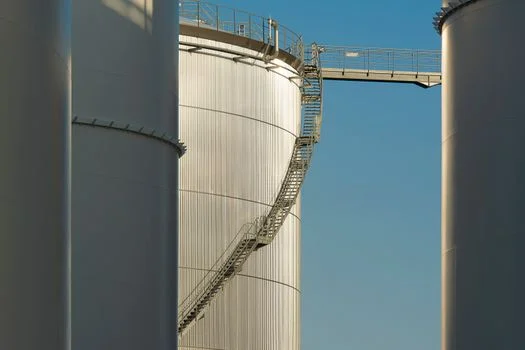
MBR systems achieve over 97% COD removal in meat and dairy applications, consistently producing effluent with turbidity below 0.2 NTU. This level of performance is critical because food processing wastewater is often 10 to 50 times more concentrated than municipal sewage. In meat processing, for instance, influent COD can reach 5,000 mg/L with Total Nitrogen (TN) exceeding 200 mg/L. MBR technology manages these loads through high biomass concentrations that CAS systems cannot sustain without significant sludge washout.
| Parameter (mg/L) | Typical Influent (Meat/Dairy) | MBR Effluent | CAS Effluent | EPA 40 CFR Limit |
|---|---|---|---|---|
| COD | 3,000 – 6,000 | <50 | 150 – 400 | <250 |
| BOD5 | 1,500 – 3,000 | <5 | 30 – 100 | <30 |
| TSS | 800 – 2,500 | <2 | 30 – 80 | <30 |
| FOG | 200 – 800 | <1 | 10 – 25 | <10 |
| Total Nitrogen | 150 – 300 | <10 | 25 – 60 | Varies |
The consistency of MBR effluent quality facilitates seamless integration with downstream polishing steps. For facilities aiming for "zero liquid discharge" or high-grade process water, reverse osmosis (RO) systems can treat MBR permeate to potable standards. By removing nearly all suspended solids and bacteria, the MBR protects the RO membranes from rapid biofouling, which is the leading cause of RO failure in food manufacturing. Facilities that implement MBR-RO configurations often report a 30% reduction in municipal water costs by recycling treated water for boiler feed or irrigation.
MBR System Costs for Food Processing: CAPEX, OPEX, and ROI Models
The total capital expenditure (CAPEX) for a food-grade MBR system ranges from $250,000 for small 10 m³/day units to over $1.2 million for 200 m³/day industrial installations. While the initial investment is higher than CAS, the reduced footprint and elimination of secondary clarifiers often offset site preparation costs. Membrane modules represent approximately 20-30% of the CAPEX, with the remaining budget allocated to the bioreactor tanks, pre-treatment equipment like DAF units, and advanced automation for TMP monitoring and automated CIP cycles.
| System Capacity | Total CAPEX Range | Annual OPEX (Est.) | Membrane Replacement (5-8 yr) |
|---|---|---|---|
| 50 m³/day | $350k – $500k | $35k – $55k | $40k – $60k |
| 100 m³/day | $600k – $850k | $60k – $95k | $80k – $110k |
| 200 m³/day | $900k – $1.3M | $110k – $170k | $150k – $210k |
Operational expenditure (OPEX) is primarily driven by aeration energy, which accounts for 50-70% of total running costs. For a typical 100 m³/day system, energy costs range from $0.30 to $0.50 per cubic meter of treated water. However, the Return on Investment (ROI) is realized through three avenues: the elimination of discharge fines, reduced sludge disposal costs (MBR produces 20-40% less sludge than CAS), and water reuse savings. In a scenario where municipal water costs $2.50/m³, a facility recycling 70% of its MBR effluent can achieve a full payback on the system within 3.5 to 5 years. Effective sludge dewatering solutions for MBR systems further improve ROI by reducing the volume of waste hauled off-site.
Hollow Fiber vs. Flat Sheet Membranes: Decision Framework for Food Processors
Selecting between hollow fiber and flat sheet membranes depends on the specific sub-sector and the robustness of the pre-treatment stage. Meat and snack food processing, which involve high concentrations of proteins and complex carbohydrates, often favor PVDF flat sheet membranes for high-solids food processing wastewater. These membranes are more resistant to "sludging"—where solids become trapped between fibers—and can be cleaned more aggressively. In contrast, dairy and beverage plants with lower TSS and FOG levels benefit from the lower energy requirements and higher packing density of hollow fiber modules.
| Decision Criteria | Hollow Fiber (HF) | Flat Sheet (FS) |
|---|---|---|
| Best For | Dairy, Beverage, Brewery | Meat, Poultry, Snacks |
| FOG Tolerance | Low (<50 mg/L) | Moderate (<100 mg/L) |
| Cleaning Requirement | Weekly Backwash/CIP | Monthly Maintenance Cleaning |
| Energy Efficiency | High (Lower Aeration) | Moderate (Higher Scouring) |
| Physical Footprint | Minimal | Moderate |
A zero-risk selection framework for food processors follows a simple logic: if influent TSS exceeds 500 mg/L or FOG exceeds 100 mg/L consistently, flat sheet membranes are the safer technical choice to prevent irreversible fouling. If the primary goal is minimizing OPEX in a well-pre-treated dairy stream, hollow fiber is superior. Engineers should also consider regional compliance benchmarks when sizing the biological stage, as local temperature variations can significantly impact the kinetics of COD removal in the MBR tank.
Case Study: MBR System for a 50 m³/day Dairy Processing Plant in Vietnam
A dairy processing facility in Vietnam faced persistent non-compliance with QCVN 40:2011/BTNMT discharge limits, particularly during nightly washdown cycles when influent COD spiked to 3,000 mg/L. Their existing CAS system could not handle the organic shock loads, resulting in effluent COD of 350 mg/L and annual environmental fines of approximately $15,000. The facility required a solution that could guarantee compliance while fitting within a limited 100-square-meter footprint.
The solution involved installing HydropureWater’s integrated MBR system featuring reinforced hollow fiber membranes and an automated DAF unit for primary grease removal. The system was designed with an HRT of 10 hours and an MLSS of 9,500 mg/L. By utilizing DAF pre-treatment for FOG removal, the plant reduced the organic load by 40% before the biological stage, significantly extending the membrane cleaning interval from 7 days to 21 days.
The results were immediate: effluent COD dropped to a consistent 40 mg/L, and TSS was reduced to non-detectable levels (<2 mg/L). The plant eliminated all regulatory fines and began reusing 30% of the treated effluent for non-contact cooling and floor washing. With total CAPEX of $350,000 and annual OPEX of $40,000, the facility reached its ROI break-even point in 3.5 years, primarily through water savings and the avoidance of environmental penalties. The membranes, now in their fifth year of operation, show less than a 10% decline in design flux.
Frequently Asked Questions
Q: What is the biggest risk of MBR failure in food processing?
A: The primary risk is membrane fouling due to fats, oils, and grease (FOG) or high sugar content. Without adequate DAF pre-treatment, FOG coats the membrane surface, leading to a rapid rise in TMP and system shutdown. Proper pH equalization is also critical to prevent foaming in the bioreactor.
Q: Can an MBR handle high-strength wastewater with COD >5,000 mg/L?
A: Yes, but it requires a specialized design with a longer HRT (12–18 hours) and higher aeration rates to maintain dissolved oxygen levels. In these cases, a two-stage biological process (Anoxic-Aerobic) is often used to manage high nitrogen loads alongside the organic carbon.
Q: How often do MBR membranes need to be replaced in a food plant?
A: With proper pre-treatment and automated Clean-in-Place (CIP) cycles, membranes typically last 5 to 8 years. The replacement cost generally accounts for $0.10 to $0.20 per cubic meter of water treated over the life of the system.
Q: Is MBR suitable for small-scale food processors (10–20 m³/day)?
A: Yes, HydropureWater’s integrated MBR system is specifically designed as a "plug-and-play" solution for smaller plants. While the CAPEX per cubic meter is higher for small systems, the ease of automation and guaranteed compliance often justify the cost for small facilities with limited technical staff.
Q: How does MBR energy consumption compare to CAS?
A: MBR energy use is typically 20-40% higher than CAS due to the air scouring required to keep membranes clean. However, the use of Variable Frequency Drives (VFDs) on blowers and high-efficiency membrane modules can reduce this gap, making MBR competitive when land and compliance costs are factored in.