Ecuador’s Food Processing Wastewater Crisis: Compliance Risks and Economic Costs
Ecuador’s food processing sector faces strict wastewater discharge limits under Ministerial Agreement 097 (2015), which mandates Chemical Oxygen Demand (COD) below 250 mg/L, Total Suspended Solids (TSS) below 50 mg/L, and a pH range of 6–9. The Ecuadorian Environmental Inspectorate is intensifying enforcement, particularly targeting the food processing industry in 2026. Non-compliance can lead to substantial fines, averaging $50,000 annually per facility, and in severe cases, operational shutdowns. According to a 2024 ProEcuador report, a significant 40% of Ecuador’s 1,200 food processing facilities currently lack adequate pretreatment systems. This deficit contributes to high organic loading in municipal sewer systems, resulting in costly surcharges and potential legal liabilities. A case in point from Guayaquil involved a mid-sized seafood processing plant that accumulated $120,000 in fines before implementing a dissolved air flotation (DAF) system to address critical Fats, Oils, and Grease (FOG) exceedances. The World Bank’s 2024 analysis estimates that untreated industrial effluent reduces Ecuador’s Gross Domestic Product (GDP) by 1.2% annually due to impacts on water resources and public health. The food processing industry alone is responsible for approximately 35% of industrial water pollution in the country, as reported by the Ministry of Environment in 2023. Regional variations in regulatory focus are also evident; Guayaquil’s Guayas River basin imposes stricter FOG limits (below 30 mg/L) compared to the high-altitude plants around Quito, where the primary concern often centers on BOD and COD reduction.
Food-Specific Pollutant Profiles: What Your Wastewater Contains and Why It Matters
Understanding the specific pollutant profiles of wastewater generated by different food processing subsectors is crucial for selecting the most effective and cost-efficient treatment technology. These profiles dictate the primary challenges, whether it's high organic load, suspended solids, or problematic FOG. Dairy processing plants typically generate wastewater with high BOD levels ranging from 1,500–3,000 mg/L and TSS between 800–1,500 mg/L, primarily due to lactose, fats, and proteins. For these effluents, advanced treatment like a high-efficiency MBR system for high-BOD wastewater treatment and water reuse in dairy/beverage plants or anaerobic digestion is often required for significant COD reduction. Seafood processing facilities are characterized by high FOG content, often between 500–1,200 mg/L, and TSS ranging from 600–1,000 mg/L, originating from fish oils and particulate matter. For these streams, a high-efficiency DAF system for FOG and TSS removal in food processing wastewater can achieve over 95% FOG removal. Meat processing plants present a complex challenge with high FOG (800–1,500 mg/L) and significant nitrogen content (100–300 mg/L) from fats and blood, necessitating a combination of DAF for FOG removal followed by nitrification and denitrification processes. Beverage production, conversely, often yields wastewater with extremely high BOD, from 2,000–4,000 mg/L, stemming from sugars and organic acids. MBR systems are particularly adept at treating these high-strength organic loads, consistently achieving COD levels below 50 mg/L, making them suitable for water reuse applications, as demonstrated in various case studies.
| Food Subsector | Typical BOD (mg/L) | Typical COD (mg/L) | Typical TSS (mg/L) | Typical FOG (mg/L) | Ecuadorian Compliance Threshold (Max) |
|---|---|---|---|---|---|
| Dairy Processing | 1,500–3,000 | 2,000–4,000 | 800–1,500 | 100–300 | COD: 250, TSS: 50 |
| Seafood Processing | 800–1,500 | 1,000–2,000 | 600–1,000 | 500–1,200 | COD: 250, TSS: 50, FOG: 30 (Guayaquil Basin) |
| Meat Processing | 1,200–2,500 | 1,800–3,500 | 700–1,200 | 800–1,500 | COD: 250, TSS: 50, N: (Specific limits vary) |
| Beverage Production | 2,000–4,000 | 2,500–5,000 | 300–800 | 50–200 | COD: 250, TSS: 50 |
DAF vs MBR vs Anaerobic Digestion: Which System Fits Your Ecuadorian Food Plant?
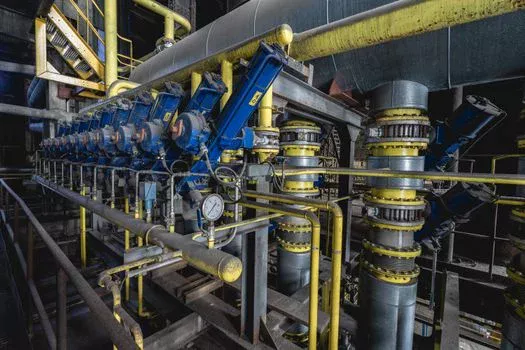
Selecting the optimal wastewater treatment technology for an Ecuadorian food processing plant requires a careful evaluation of pollutant characteristics, flow rates, and desired outcomes, such as compliance or water reuse. Dissolved Air Flotation (DAF) systems are a highly effective solution for streams with high FOG and TSS concentrations, commonly found in seafood and meat processing. They can remove over 95% of FOG and 90% of TSS, with operational expenditures (OPEX) typically ranging from $0.30 to $0.60 per cubic meter. Capital expenditures (CAPEX) for a 50 m³/h DAF system, such as HydropureWater’s, generally fall between $80,000 and $300,000. Membrane Bioreactor (MBR) systems excel in treating high-BOD effluents from dairy and beverage plants. MBRs achieve exceptionally high effluent quality, with COD often below 50 mg/L, making them ideal for enabling water reuse for non-potable applications. However, their CAPEX is higher, ranging from $250,000 to $1.8 million for a 50 m³/h system, and OPEX can be higher ($0.70–$1.20/m³) due to energy consumption for aeration and membrane operation. Anaerobic digestion is best suited for very high BOD/COD streams, particularly in dairy and beverage industries, offering significant COD reduction (80–90%) and the potential for biogas energy recovery. However, anaerobic digestion typically requires post-treatment to address residual TSS and FOG. The CAPEX for anaerobic digestion systems can range from $400,000 to $2 million for a 50 m³/h capacity. Regional cost differences between Guayaquil and Quito are notable: Guayaquil generally offers about 15% lower CAPEX due to more accessible land and lower labor costs, while Quito’s higher altitude can increase energy OPEX by up to 20% due to reduced oxygen transfer efficiency in aeration processes.
| Parameter | DAF System | MBR System | Anaerobic Digestion |
|---|---|---|---|
| Primary Application | High FOG & TSS (Seafood, Meat) | High BOD & COD (Dairy, Beverages) | Very High BOD & COD (Dairy, Beverages) |
| Typical CAPEX (50 m³/h) | $80K – $300K | $250K – $1.8M | $400K – $2M |
| Typical OPEX ($/m³) | $0.30 – $0.60 | $0.70 – $1.20 | $0.40 – $0.80 (excluding post-treatment) |
| FOG Removal Efficiency | 95%+ | Moderate (depends on pre-treatment) | Low (requires post-treatment) |
| BOD/COD Removal Efficiency | Moderate (30-50%) | 95%+ | 80-90% (anaerobic stage) |
| TSS Removal Efficiency | 90%+ | 99%+ | Low (requires post-treatment) |
| Water Reuse Potential | Limited (post-treatment needed) | High (near-potable for non-potable uses) | Limited (post-treatment needed) |
| Footprint | Medium | Compact | Large |
| Ecuadorian Compliance Suitability | Excellent for FOG/TSS | Excellent for BOD/COD, high effluent quality | Good for high organic load, requires post-treatment |
2026 Cost Models for Food Processing Wastewater Treatment in Ecuador
Budgeting for industrial wastewater treatment in Ecuador requires precise CAPEX and OPEX benchmarks, with consideration for regional economic variations. For a typical 50 m³/h food processing plant, CAPEX for a DAF system can range from $80,000 to $300,000, while MBR systems fall between $250,000 and $1.8 million, and anaerobic digestion systems can cost $400,000 to $2 million. These figures generally include civil works, equipment procurement, and installation. OPEX breakdowns also vary significantly: DAF systems typically incur $0.30–$0.60/m³, with chemicals accounting for about 60%, energy 20%, and sludge disposal 20%. MBR systems, while achieving higher effluent quality, have OPEX of $0.70–$1.20/m³, with energy comprising roughly 50% and membrane replacement around 30%. Regional cost differences are substantial; Guayaquil generally presents a 15% lower CAPEX due to more competitive labor and land prices compared to Quito. Conversely, Quito’s higher energy tariffs can increase OPEX by up to 20%. For example, a 50 m³/h DAF system might cost approximately $220,000 in Guayaquil versus $250,000 in Quito. Sludge disposal costs also differ, with Guayaquil averaging $50–$100/ton and Quito $80–$150/ton for landfill fees. Anaerobic digestion offers a significant advantage by reducing sludge volume by 50–70%. Return on Investment (ROI) calculations show that DAF systems can achieve payback within 18–36 months through avoided fines and surcharges. MBR systems, while requiring a higher initial investment, can pay back in 3–5 years by enabling water reuse, potentially reducing municipal water costs by 30–50%.
| Cost Component | DAF System (50 m³/h) | MBR System (50 m³/h) | Anaerobic Digestion (50 m³/h) |
|---|---|---|---|
| CAPEX Range (USD) | $80,000 – $300,000 | $250,000 – $1,800,000 | $400,000 – $2,000,000 |
| OPEX Range ($/m³) | $0.30 – $0.60 | $0.70 – $1.20 | $0.40 – $0.80 (excluding post-treatment) |
| Key OPEX Drivers | Chemicals, Energy, Sludge Disposal | Energy, Membrane Replacement/Cleaning | Energy, Nutrient Management, Post-treatment |
| Sludge Disposal Cost (USD/ton) | $50 – $100 (Guayaquil) / $80 – $150 (Quito) | $50 – $100 (Guayaquil) / $80 – $150 (Quito) | $30 – $70 (Guayaquil) / $50 – $120 (Quito) - Reduced Volume |
| Typical ROI (Years) | 1.5 – 3 | 3 – 5 (with water reuse) | 4 – 7 (with energy recovery & post-treatment) |
Step-by-Step Compliance Checklist for Ecuadorian Food Processors
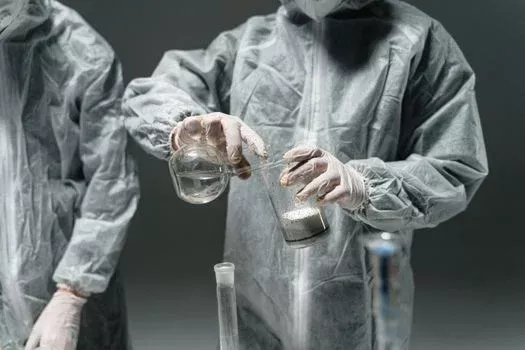
Ensuring consistent compliance with Ecuador’s Ministerial Agreement 097 requires a structured approach to wastewater management. The first critical step (Step 1) is comprehensive wastewater characterization. This involves laboratory testing to accurately determine BOD, COD, TSS, FOG, and pH levels. For instance, a Guayaquil seafood plant identified FOG levels at 1,100 mg/L through such testing, which was pivotal in selecting their treatment solution. Following characterization (Step 2), select the appropriate treatment technology based on the identified pollutant profile, utilizing the comparative data presented earlier in this guide. System sizing is crucial (Step 3); ensure the chosen system can handle peak flow rates and include a 20% buffer for future capacity expansion. For a 50 m³/h plant, this means designing for at least 60 m³/h. Implementing automatic monitoring systems (Step 4) for key parameters like pH, TSS, and COD (CAPEX $10,000–$30,000) provides real-time data and documentation for compliance reporting. Staff training (Step 5) on routine maintenance is paramount; for DAF systems, this includes weekly skimmer checks, while MBR systems require monthly membrane cleaning. Finally, Step 6 involves accurate and timely submission of quarterly reports to the Ecuadorian Environmental Inspectorate, using official templates provided within Ministerial Agreement 097. Integrating equipment like an automatic pH adjustment and coagulant dosing for compliance with Ecuador’s pH 6–9 limit can automate critical compliance functions.
Frequently Asked Questions
What are the penalties for exceeding Ecuador’s wastewater discharge limits?
Penalties for exceeding limits set by Ministerial Agreement 097 can include administrative fines of up to $50,000 per year. In persistent cases of non-compliance, facilities may face temporary or permanent shutdowns. The Ecuadorian Environmental Inspectorate actively enforces these regulations, as seen when a Guayaquil textile plant was fined $45,000 for COD exceedances in 2023.
How much does a DAF system cost for a 50 m³/h food processing plant in Guayaquil?
The estimated CAPEX for a 50 m³/h DAF system in Guayaquil, including installation and necessary civil works, typically ranges from $200,000 to $280,000. The OPEX for such a system is projected to be between $0.35 and $0.55 per cubic meter, covering chemicals, energy, and sludge disposal.
Can MBR systems be used for water reuse in Ecuadorian food plants?
Yes, MBR systems are highly capable of producing high-quality effluent suitable for water reuse in non-potable applications within Ecuadorian food plants. Their fine filtration (<1 μm) makes the treated water ideal for purposes such as cooling tower makeup, general plant cleaning, or irrigation, as highlighted in the Marel case study for Pronaca.
What pretreatment is typically required before installing DAF or MBR systems?
Essential pretreatment for DAF and MBR systems typically includes coarse screening to remove large debris, often using equipment like a rotary mechanical bar screen. Equalization tanks are also recommended to buffer flow variations and stabilize pH, ensuring a more consistent influent for the primary treatment units. The CAPEX for these pretreatment steps can range from $20,000 to $50,000.
How often do MBR membranes need replacement in Ecuador’s climate?
The lifespan of MBR membranes, particularly PVDF membranes, in Ecuador’s climate can typically be 5 to 7 years. This duration is influenced by factors such as the influent wastewater quality, the frequency and effectiveness of membrane cleaning cycles, and the overall operational management of the MBR system. The replacement cost for membranes for a 50 m³/h system is estimated between $15,000 and $40,000.
Further Reading
Explore these in-depth articles on related wastewater treatment topics: