Why Guayaquil Factories Need Industrial Wastewater Treatment Now
Guayaquil's industrial sector faces strict wastewater discharge limits under Ecuador's Ministerial Agreement 097 (2021), requiring TSS < 50 mg/L, COD < 250 mg/L, and pH 6-9 for most industries. With only 30-40% of Latin America's wastewater currently treated (World Bank 2025), factories in Guayaquil must invest in specialized systems like dissolved air flotation (DAF) for FOG removal or MBR for high-strength effluent.
The urgency for robust onsite treatment is driven by Guayaquil’s rapid industrial expansion. According to the Central Bank of Ecuador, the city's industrial output grew 8.2% year-over-year in 2023, significantly increasing the volume of complex effluent entering the Guayas River basin. This growth has triggered heightened oversight from the Guayas Environmental Authority. Under the Ecuador Environmental Management Act (2004), non-compliant facilities face administrative fines reaching $50,000, with 2024 enforcement focusing heavily on the industrial corridors of Vía a la Costa and Vía a Daule.
Operational risk is no longer theoretical. A mid-sized food processor in the Pascuales industrial zone recently faced a production halt after failing three consecutive inspections for Fats, Oils, and Grease (FOG) exceedances. By installing a Guayaquil-optimized DAF system for FOG and TSS removal, the facility avoided $120,000 in cumulative fines and legal fees.
The specific pollutants prevalent in Guayaquil’s industrial zones vary by sector. Food processing plants (shrimp and tuna) struggle with high organic loads and FOG; metalworking shops in the Sur zone deal with heavy metal precipitation; textile clusters in nearby Durán face challenges with recalcitrant dyes; and chemical plants in the Norte zone produce high Chemical Oxygen Demand (COD) effluent.
Industrial Wastewater Characteristics in Guayaquil: Influent Data by Industry
Guayaquil's industrial sectors generate a wide range of wastewater characteristics.Selecting the correct treatment technology requires a precise understanding of the raw effluent's chemical and physical profile. High ambient temperatures and humidity can accelerate the fermentation of organic matter in holding tanks, leading to rapid pH drops and odor issues before treatment even begins.
The following table outlines the typical influent parameters observed in Guayaquil's primary industrial sectors, based on 2024 field data and local industrial park benchmarks.
| Industrial Sector | COD (mg/L) | TSS (mg/L) | FOG (mg/L) | pH Range | Key Contaminants |
|---|---|---|---|---|---|
| Food Processing (Shrimp/Tuna) | 1,500 – 4,500 | 500 – 2,000 | 300 – 800 | 5.5 – 7.5 | Nitrogen, Phosphorus, Proteins |
| Textile Dyeing (Durán/Guayaquil) | 1,200 – 3,500 | 200 – 600 | < 50 | 8.0 – 11.0 | Azo dyes, surfactants, Chromium |
| Metalworking & Galvanizing | 200 – 800 | 300 – 1,200 | 100 – 300 | 2.0 – 5.0 | Zn, Ni, Cr, Fe, Mineral oils |
| Chemical Manufacturing | 3,000 – 10,000 | 100 – 500 | < 100 | 3.0 – 10.0 | Solvents, phenols, high TDS |
For shrimp processing plants—a pillar of the Guayaquil economy—the high salinity of the effluent must also be considered, as it can affect the buoyancy of micro-bubbles in DAF systems and the osmotic pressure in biological membranes. Similarly, textile facilities must address color removal, which often requires specialized PLC-controlled chemical dosing for Guayaquil's pH adjustment and heavy metal precipitation to destabilize dye molecules before secondary treatment.
Treatment Process Selection: Matching Technology to Guayaquil's Industrial Effluent
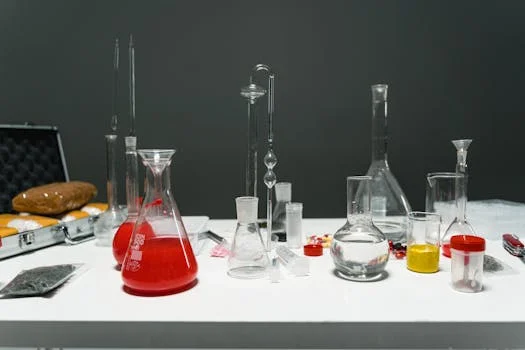
The selection of a treatment train depends on the target discharge point: the municipal sewer system (Interagua) or direct discharge into water bodies. Most Guayaquil factories utilize a multi-stage process involving primary physical-chemical separation followed by secondary biological treatment.
Dissolved Air Flotation (DAF) is the standard for Guayaquil's food and beverage sector. By injecting micro-bubbles (20-50 microns) into the effluent, DAF units effectively lift FOG and suspended solids to the surface for mechanical skimming. In large-scale operations, how to select the right DAF system for your Guayaquil facility involves evaluating the hydraulic loading rate (m³/h) against the sludge thickening capacity.
For chemical and pharmaceutical plants requiring high-purity effluent, Membrane Bioreactor (MBR) technology is increasingly common. MBR combines activated sludge treatment with membrane filtration, eliminating the need for secondary clarifiers. These high-efficiency MBR systems for Guayaquil's chemical and pharmaceutical plants provide a footprint 60% smaller than conventional systems.
| Technology | Primary Application | COD Removal | TSS Removal | Footprint |
|---|---|---|---|---|
| DAF | Food, Dairy, Oil & Gas | 40-60% | 90-97% | Medium |
| MBR (DF Series) | Chemical, Pharma, Textile | 95-98% | 99%+ | Small |
| Chemical Dosing | Metalworking, Mining | Varies | 80-90% | Very Small |
A recent implementation at a Guayaquil textile mill demonstrated the power of integrated systems. The mill faced closure due to color and COD levels that exceeded municipal limits by 400%. By implementing a combined system of chemical coagulation followed by an MBR unit, they reduced COD from 3,200 mg/L to 180 mg/L and achieved near-zero turbidity.
Ecuadorian Compliance: Discharge Limits and Permitting for Industrial Wastewater in Guayaquil
Compliance in Guayaquil is governed by a dual-layer regulatory framework.Compliance in Guayaquil is governed by a dual-layer regulatory framework: the national standards set by the Ministry of Environment, Water and Ecological Transition (MAATE) and the municipal regulations enforced by Interagua and the Guayaquil Municipal Environment Directorate.
Facilities must secure an Environmental License or Registry depending on their impact category. This process involves an Environmental Impact Assessment (EIA) and the submission of a Waste Management Plan. In Guayaquil, inspectors conduct quarterly unannounced sampling.
| Parameter | Limit (MA 097 - Fresh Water) | Limit (Guayaquil Sewer) | Typical Violation Risk |
|---|---|---|---|
| pH | 6.0 – 9.0 | 5.5 – 9.5 | Low |
| TSS (mg/L) | < 50 | < 250 | High |
| COD (mg/L) | < 250 | < 500 | Very High |
| BOD5 (mg/L) | < 100 | < 250 | High |
| FOG (mg/L) | < 15 | < 100 | High (Food sector) |
| Chromium (mg/L) | < 0.5 | < 1.0 | Moderate (Textiles) |
To encourage sustainable investment, the Guayaquil Municipal Code (2023) offers tax incentives for factories that implement circular water economies. Facilities that achieve over 80% water reuse through advanced filtration can apply for a municipal tax credit.
Cost Breakdown: Industrial Wastewater Treatment Systems in Guayaquil (2025 Data)
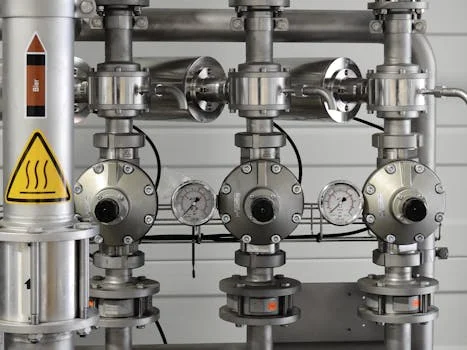
Budgeting for industrial wastewater treatment requires a balance between Capital Expenditure (CAPEX) and long-term Operational Expenditure (OPEX). In the Guayaquil market, equipment costs are often influenced by import duties and local installation labor.
The following table provides 2025 cost benchmarks for common industrial systems in the Guayas region. OPEX figures include electricity, chemical consumables (PAC/Polymer), and routine maintenance labor.
| System Type | Capacity Range | Estimated CAPEX (USD) | Estimated OPEX (USD/m³) |
|---|---|---|---|
| DAF System | 5 – 100 m³/h | $85,000 – $280,000 | $0.18 – $0.35 |
| MBR System | 50 – 500 m³/day | $130,000 – $450,000 | $0.30 – $0.55 |
| Chemical Dosing Skid | Automatic PLC | $25,000 – $75,000 | $0.05 – $0.15 |
Financing is a critical component for Guayaquil-based SMEs. The Ecuadorian Development Bank (BEDE) currently offers environmental credit lines at 6-8% interest rates with terms up to 10 years for pollution control equipment.
Supplier Selection Checklist: How to Choose a Wastewater Treatment Vendor in Guayaquil
Selecting a vendor is a high-stakes decision; a system that fails to meet limits is essentially a wasted investment. Facility managers in Guayaquil should evaluate potential partners based on technical competency and local support capabilities rather than price alone.
- Technical Specifications: Does the vendor provide a guaranteed effluent quality backed by pilot test data?
- Compliance Expertise: Does the supplier have experience with Ecuadorian INEN standards and MA 097 discharge limits? <