Key Industrial Sectors in Al Ain Requiring Wastewater Treatment
Al Ain's industrial zones are dominated by poultry farms, slaughterhouses, and food processing plants, all of which generate wastewater with exceptionally high concentrations of organic pollutants, fats, oils, and grease (FOG).
These industries require specialized treatment solutions to manage their unique effluent profiles and comply with stringent UAE regulations. The dairy industry, though smaller in scale, also contributes significant volumes of high-strength organic wastewater that requires careful management. Slaughterhouse effluent is particularly challenging, with regional Gulf benchmarks indicating average levels of 500–2,000 mg/L for Biochemical Oxygen Demand (BOD) and 300–800 mg/L for Total Suspended Solids (TSS). This high-strength wastewater demands robust pre-treatment before any discharge is permitted. The arid climate and focus on sustainability drive many agricultural and food processing operations in Al Ain to pursue water reuse for irrigation. This goal necessitates advanced secondary or tertiary treatment to meet the strict quality standards for reclaimed water. For instance, a medium-sized poultry processing facility can generate up to 20 cubic meters of wastewater per hour during peak operation, underscoring the need for scalable and efficient treatment solutions.
Core Technologies for Industrial Wastewater Treatment in Al Ain
The most effective systems for Al Ain's industrial profile are Dissolved Air Flotation (DAF), Membrane Bioreactors (MBR), and integrated biological units, each addressing specific contaminant removal challenges.
A high-efficiency DAF system for FOG and TSS removal is often the first line of defense. Systems like HydropureWater's are engineered to remove 92–97% of FOG and suspended solids, handling flow rates from 4 to 300 m³/h, making them ideal for the initial treatment stage in food and poultry processing. For facilities requiring high-quality effluent for reuse, MBR technology is superior. An compact MBR system for high-quality effluent and reuse delivers water with less than 1 NTU turbidity and achieves a 60% smaller footprint than conventional activated sludge systems, a critical advantage for space-constrained industrial sites. For smaller operations or those in rural clusters, integrated A/O (Anoxic/Oxic) systems provide a cost-effective biological solution, offering 85–90% BOD removal for flows between 1 and 80 m³/h. These systems often feature automated controls to simplify operation with minimal specialized staff.
| Technology | Primary Function | Key Performance Metrics | Ideal For |
|---|---|---|---|
| Dissolved Air Flotation (DAF) | Pre-treatment; Removal of FOG, oils, TSS | 92-97% FOG/TSS removal; 4-300 m³/h capacity | Slaughterhouses, Food Processing, Poultry |
| Membrane Bioreactor (MBR) | Secondary/Tertiary Treatment; High-quality effluent | <1 NTU effluent; 95-98% BOD/COD reduction | Water Reuse, Space-limited sites |
| Integrated A/O System | Biological Treatment; BOD/Nitrogen removal | 85-90% BOD removal; 1-80 m³/h capacity | Small to mid-scale factories, Rural clusters |
Comparing DAF, MBR, and Integrated Systems for UAE Industry
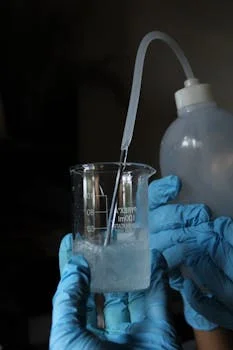
The choice between DAF, MBR, and integrated systems hinges on your facility's specific wastewater characteristics, space availability, compliance targets, and budget. The optimal choice is a function of your operational priorities.
DAF excels as a primary treatment step, specifically targeting the high FOG and TSS loads typical of slaughterhouse effluent treatment. It is a high-throughput, robust technology that protects downstream biological processes. MBR represents the premium option for effluent quality, consistently producing water suitable for agricultural reuse by meeting the UAE's Class A reclaimed water standards (TSS < 5 mg/L, BOD < 10 mg/L). However, this comes with a higher capital expenditure (CAPEX). For many high-load applications, a combination system using DAF for pre-treatment followed by a biological process can reduce overall operational expenditure (OPEX) by up to 30% compared to an MBR-only approach. Integrated A/O systems offer a low-cost, automated solution for small to mid-scale operations where the highest effluent quality is not the primary driver. They are particularly well-suited for operations with limited technical staff on site.
| Decision Factor | DAF System | MBR System | Integrated A/O System |
|---|---|---|---|
| Best For | High FOG/TSS removal (Pre-treatment) | Highest effluent quality (Reuse) | Cost-effective BOD removal |
| Footprint | Moderate | Compact (60% smaller) | Moderate |
| Relative CAPEX | Low - Moderate | High | Low |
| Relative OPEX | Low | Moderate (membrane replacement) | Low |
| Reuse Capability | Pre-treatment only | Direct reuse (Class A) | Often requires polishing |
Compliance and Effluent Standards for Industrial Plants in Al Ain
UAE effluent standards are strictly enforced to protect municipal infrastructure and the environment.
Discharge limits for discharge into the municipal sewer network typically require BOD ≤ 100 mg/L, COD ≤ 300 mg/L, and TSS ≤ 100 mg/L. Direct environmental release mandates even stricter parameters, often requiring near-potable quality to protect the sensitive desert ecosystem. The most strategic compliance pathway, especially for water-intensive industries, is achieving reclaimed water standards for irrigation. UAE Class A standards for water reuse are rigorous: BOD < 10 mg/L, TSS < 5 mg/L, and fecal coliform < 2.2 MPN/100 mL. Technologies like MBR are specifically designed to consistently meet these benchmarks, turning a compliance requirement into an opportunity for resource recovery. Understanding these thresholds is essential for designing a system that avoids permit violations and aligns with regional environmental goals. Regular self-monitoring and reporting of effluent quality, including parameters like ammonia and phosphorus, are typically required as part of the operating permit conditions.
Cost and ROI of Industrial Wastewater Systems in Al Ain
Justifying the investment in a wastewater treatment system requires a clear analysis of both capital (CAPEX) and operational (OPEX) expenditures against tangible returns.
For a standard 50 m³/h capacity, a DAF system represents a CAPEX investment ranging from AED 180,000 to AED 300,000. MBR systems, with their advanced membrane technology, typically command a 20–30% higher CAPEX. It is crucial to factor in site preparation, civil works, and commissioning costs, which can add 15-20% to the total project budget. The ROI narrative is strengthened by evaluating OPEX savings and value generation. Modern, fully automated systems significantly reduce labor costs, a critical factor in high-wage industrial zones. MBR systems can reduce sludge production by up to 40%, lowering disposal costs. The most compelling financial argument comes from water reuse; using treated effluent for irrigation can save AED 5–8 per cubic meter on freshwater costs. This must be weighed against the significant risk of non-compliance fines, which can reach up to AED 50,000 per violation and include potential operational shutdowns. A detailed breakdown of MBR system costs reveals how higher initial investment is often offset by long-term operational savings and reuse benefits. Many facilities achieve a full ROI within 3-5 years through a combination of reduced water procurement costs, avoided fines, and lower sludge hauling fees.
Frequently Asked Questions
How much does industrial wastewater treatment cost in Al Ain?
System costs vary significantly by technology and scale. A DAF system for a 50 m³/h capacity typically ranges from AED 180,000 to AED 300,000. A full MBR system with reuse capabilities can exceed AED 500,000. These figures are for the treatment unit itself; installation, civil works, and commissioning are additional.
What is the best system for poultry farm wastewater?
Poultry wastewater is characterized by high FOG and BOD. A combination system featuring DAF for initial FOG and solids removal, followed by biological treatment (such as an extended aeration system), is the most efficient and reliable solution for achieving consistent discharge compliance.
Can treated water be reused for irrigation in Al Ain?
Yes, but the treated water must meet UAE Class A reclaimed water standards (BOD < 10 mg/L, TSS < 5 mg/L). This typically requires secondary treatment followed by tertiary filtration or an MBR system. Additional disinfection, such as UV or chlorine dosing, is also mandatory to meet the strict pathogen limits.
What capacity plants are common in Al Ain?
While large municipal plants like Allahamah (130,000 m³/day) exist, industrial treatment units are typically smaller, ranging from 10 to 300 m³/day based on factory size and operating hours. Many food processors opt for modular systems that can be expanded as production capacity increases.
Do I need a permit for an industrial wastewater plant in UAE?
Yes. Operating any industrial wastewater treatment system, including DAF or MBR units, requires environmental approval from the Al Ain City Municipality and the Environment Agency – Abu Dhabi (EAD). The permitting process involves submitting detailed design plans, effluent quality targets, and a monitoring plan before construction can begin.
Further Reading
Explore these in-depth articles on related wastewater treatment topics: