The 2026 Decision Rule for an Albertville Food Plant
For Albertville food and beverage plants in 2026, default to a DAF and reserve a clarifier for heavy grit, very low-flow side streams, or sites reusing a serviceable basin. A dissolved air flotation system hits 92–97% TSS and up to 95% FOG removal on a 20–25% footprint, producing 3–5% float solids that cut hauled sludge 50–70% versus a gravity clarifier's 1–2% underflow, with 1.5–3 year payback under ADEM and 40 CFR Part 432 pressure.
Albertville sits in the heart of the Marshall County poultry corridor: further-processed chicken, rendering, pet food, and snack/bakery plants whose wastewater is dominated by FOG, blood and protein, and suspended solids rather than the grit and sand you see in a vegetable wash line. The 2026 permit stack driving the equipment decision is concrete: an ADEM-administered NPDES permit on the direct discharge side, Marshall County Sewer Service pretreatment surcharges on FOG, TSS, and BOD above local limits for sewered sites, and the federal categorical ceiling of 40 CFR Part 432 for poultry products, backed by 40 CFR Part 133 and the general pretreatment rule in 40 CFR Part 403. If your existing decision matrix is the West Coast version, this DAF or clarifier for pulp and paper wastewater in Jacksonville guide shows how a similar reframing looks on a different regional duty cycle.
What Comes Off a Chicken-Processing Floor: Influent Numbers the Design Must Hit
Raw food and beverage effluent typically runs 200–3,000 mg/L FOG and 500–5,000 mg/L TSS, and Albertville poultry rendering and picker lines sit near the upper end of that range (HydropureWater field data, 2025). A chicken further-processing floor puts blood, fat, feather dust, and dissolved protein into the sewer at concentrations a vegetable line never sees, and the hourly swings are what kill undersized equipment. A 90-second CIP caustic dump, a rendering cooker condensate slug, or a chillwater overflow at shift change can double FOG loadings in a single sample window; peak hourly flow, not nameplate, is the sizing input on every DAF requisition.
Two chemistry realities force equipment choices in this corridor. First, CIP caustics and rendering cooker condensate push pH above 9, and cationic flocculants collapse outside their working window. Second, the flocculation window for the cationic polymers used in food and beverage DAF service is pH 6.5–8.5, so a pH trim skid is not optional in Albertville (HydropureWater 2025). Pairing the DAF with an automatic polymer and pH dosing skid sized to peak flow — not average — is the single most common gap between a working install and a chronic float carryover problem.
Float vs Settle: The Physics Behind Why DAF Wins on FOG
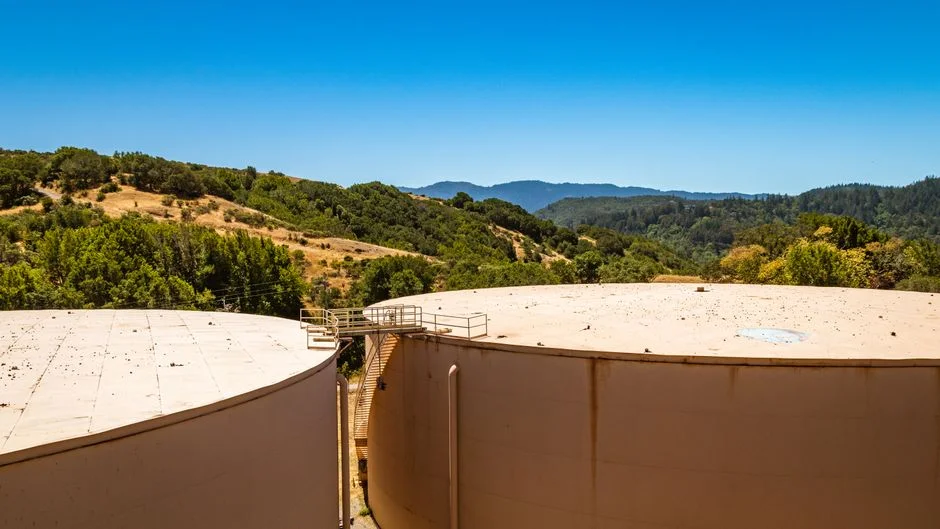
The equipment on either side of the fence line looks similar — a tank, a skimmer or rake, an outlet — but the physics that moves solids to discharge is opposite. A DAF presses micro-bubbles onto flocculated particles and floats them upward. A clarifier waits for gravity to pull them down, and gravity does almost nothing to FOG.
In a DAF, 10–30% of clarified recycle is pressurized in a saturation vessel at 4–6 bar to 85–95% air saturation efficiency, then released through needle-valve orifices. The dissolved air comes out of solution as 20–100 μm micro-bubbles — the 30–50 μm band is the engineering target because it gives the right surface-area-to-buoyancy ratio without violent rising velocity. Bubbles nucleate on pre-formed flocs, and the air-filled aggregate rises to the surface in minutes, where a paddle skimmer removes it at 3–5% solids. A conventional gravity clarifier relies on Stokes' law: a particle settles when gravitational force overcomes drag. For FOG, fruit pulp, blood proteins, and fine cellulose — all with specific gravity at or below 1.0 — settling requires hours, which is why clarifier retention sits at 2–4 hours and surface loading rates stay below 2 m/h. Rake-driven sludge moves to a central hopper, and the underflow exits at 1–2% solids.
The four operator dials on a DAF are recycle ratio (higher ratio raises air-to-solids contact but dilutes the influent), saturation pressure (controls how much air dissolves per unit of recycle), polymer charge and dose (the bridge between fine bubbles and fine colloids), and pH (held at 6.5–8.5 to keep the cationic flocculant performing). On a clarifier, the operator's levers are mostly coagulant overdose and patience, which is why a dissolved air flotation system consistently out-performs on FOG-laden food streams.
DAF vs Clarifier: The 2026 Comparison Matrix for Albertville Duty
The matrix below is built from typical operating bands for food and beverage streams and the 2026 HydropureWater field dataset; verify against your jar-test results and vendor proposals before locking a purchase order.
| Parameter | DAF | Gravity clarifier |
|---|---|---|
| TSS removal | 92–97% | 40–70% on heavy inorganics; <50% on FOG |
| FOG removal | Up to 95% | <50% (FOG will not settle within practical retention) |
| Surface loading rate | 5–15 m/h | <2 m/h |
| Footprint, 50 m³/h | ~15 m² skid | ~200 m² concrete basin |
| Energy | 0.2–0.5 kWh/m³ | Minimal (no aeration, low pumping) |
| Polymer dose (FOG service) | 1× baseline | 3–5× DAF dose to force FOG settling |
| Sludge solids | 3–5% float | 1–2% underflow |
| CAPEX envelope | $120K–$180K for 50 m³/h SS304 unit with PLC and dosing | Lower only if a serviceable basin exists; new build often comparable once civil work is included |
The single most decisive row for a space-constrained Albertville site is footprint: 15 m² versus 200 m². Most plants on this corridor do not have 200 m² of unused pad near the sewer tie-in, and the civil cost of building a new clarifier basin frequently erases the equipment-cost advantage a clarifier carries on paper. The polymer row matters just as much to operations: forcing a clarifier to settle FOG at 3–5× the DAF dose hits both OPEX and hauled sludge volume in the same line item.
Why Generic DAF-vs-Clarifier Guides Mislead Alabama Buyers
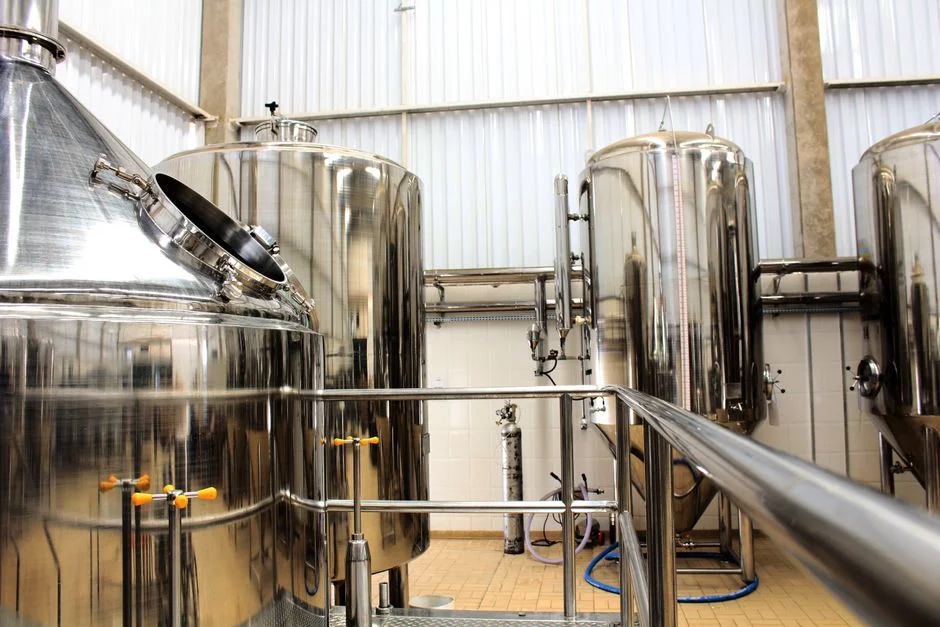
Pacific-region guides — including HydropureWater's own 2026 Pacific playbook — warn that winter effluent at 8–12 °C derates saturation efficiency, and that cool-season seafood streams carry a brine chemistry that swings pH and conductivity. None of that maps onto Albertville. Effluent here runs warm year-round, often 25–35 °C from cooker condensate, CIP hot washes, and chillwater overflow; saturation efficiency is at or near its summer maximum almost every day of the year, and the warm-end derate applies only on the rare winter cold snap. That is a direct DAF advantage relative to the Pacific framing, and a reversal of the seasonality argument used in West Coast write-ups.
The regional pretreatment envelope is also different. The state administrator is ADEM, the local sewer authority is Marshall County Sewer Service (or the applicable POTW for satellite sites), and the federal categorical standard for poultry products is 40 CFR Part 432, with 40 CFR Part 133 and 40 CFR Part 403 as the backstop. FOG and TSS surcharges under the local POTW schedule are the line items that compress DAF payback fastest, because a clarifier underflow on a 600 mg/L FOG stream simply cannot meet the surcharge threshold without chemical overdose that wipes out the polymer savings.
There is also a structural difference in the existing-basin question. Alaska and Hawaii sites frequently lack a serviceable concrete clarifier basin, which removes the one scenario in which a clarifier retrofit looks cheap; the same is true in the Albertville corridor, where most processing lines are post-2000 retrofits built around screening and DAF skids from day one. A greenfield Albertville site should not plan around a future clarifier — it should plan around a DAF skid and the screening and dewatering that surround it. For a side-by-side look at how the same problem is solved on a different regional duty cycle, this DAF or clarifier for petroleum wastewater in Newport guide applies the same matrix to a higher-temperature, higher-hydrocarbon stream.
The 2026 Requisition: Sizing a DAF for a 50 m³/h Poultry Plant
The DAF flow range is 4–300 m³/h across 13 standard models, which covers a small pet-food line through a large rendering plant (HydropureWater 2025). Size to peak hourly flow, not nameplate, and add a 10–15% margin for future throughput. Undersizing causes float carryover on the first CIP slug; oversizing wastes CAPEX and pushes the recycle ratio into a band where micro-bubble yield drops.
| Spec line | 2026 DAF value | Why it matters for an Albertville poultry plant |
|---|---|---|
| Flow range | 4–300 m³/h, 13 models | Covers a small pet-food line through a large rendering plant |
| Sizing input | Peak hourly flow, +10–15% margin | Undersizing causes float carryover; oversizing wastes CAPEX |
| Construction material | SS304 standard; SS316 for high-chloride hot washwater and rendering cook condensate; PP/alloys on request | Pick this in the spec, not after delivery — rendering cook condensate demands SS316 in most cases |
| Automation | PLC-controlled skimmer, polymer dose, pressure setpoints; remote alarming | Required for 2026 labor-light operations across multi-site operators |
| Upstream screening | Rotary mechanical bar screen ahead of the DAF | Feathers, bone fragments, and packaging reach the DAF within hours without screening; clogged recycle nozzles are the #1 unplanned shutdown cause |
| Chemical dosing | Automatic polymer and pH dosing skid, flow-proportional with streaming-current trim | Locks pH at 6.5–8.5 and polymer dose to jar-test target |
| Downstream dewatering | Plate-and-frame filter press to push float to 25–35% cake solids | Cuts hauled volume by another 80–85% beyond DAF float |
Three sizing mistakes show up in every regional service log within the first quarter of operation: (1) using nameplate flow rather than peak hourly flow, (2) underspecifying the upstream screen and letting feathers and bone fragments clog recycle nozzles, and (3) picking SS304 where the cook condensate and CIP chemistry demand SS316. All three are visible on a maintenance budget within 90 days of start-up.
Payback at 50 m³/h: A Chicken-Process Worked Example
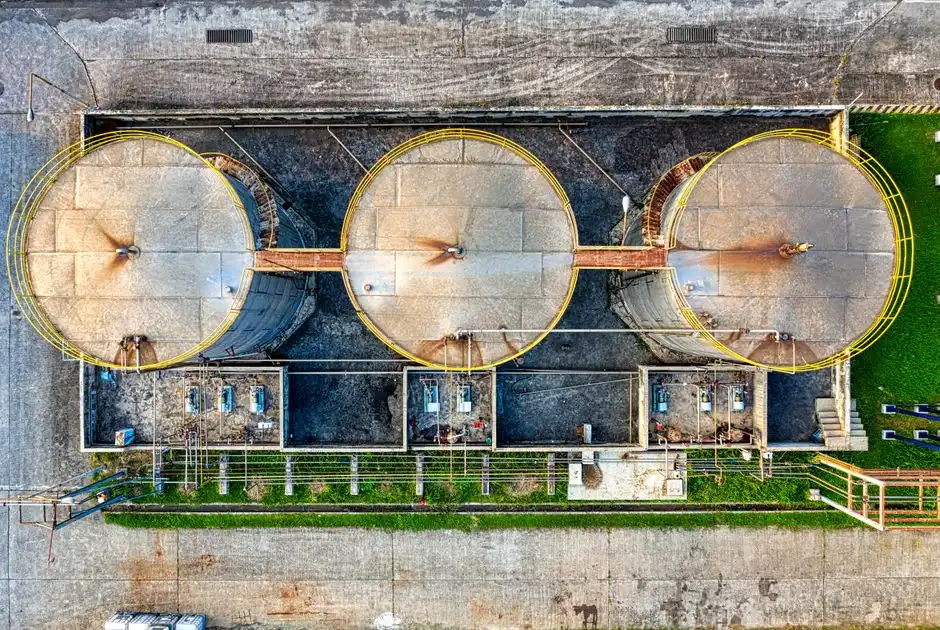
The worked example below uses a representative 50 m³/h chicken-process washwater stream with 1,500 mg/L TSS and 600 mg/L FOG, 8,000 operating hours per year, an Alabama industrial tariff of $0.14/kWh, and polymer at $4–$8/kg. The reference frame is the 2025 HydropureWater brewery/dairy case, reweighted for the higher FOG and warmer effluent of a Southeastern poultry plant.
| Line item | Calculation | Annual value |
|---|---|---|
| CAPEX — 50 m³/h DAF, SS304, PLC, dosing skid | Mid-range unit | $120,000–$180,000 |
| Energy | 0.2–0.5 kWh/m³ × 50 m³/h × 8,000 h/yr × $0.14/kWh | $1,800–$4,500/yr |
| Polymer | 0.5–5 mg/L × 50 m³/h × 8,000 h = 200–2,000 kg/yr × $4–$8/kg | $4,000–$16,000/yr |
| Sludge disposal (DAF float at 3–5% solids) | ~50–70% lower volume than clarifier underflow | $40,000+/yr savings vs clarifier (HydropureWater 2025) |
| Payback | (Sludge savings − energy − polymer) ÷ CAPEX | 1.5–3 years |
Payback compresses further once avoided FOG and TSS surcharges under Marshall County Sewer Service or the applicable POTW are counted, and a jar test on the actual influent should always precede the polymer dose lock — the gap between best- and worst-case polymer OPEX above is $12,000/yr, which is wider than the entire annual maintenance budget on most mid-sized plants. For a deeper look at the OPEX levers across the rest of the plant, this piece on 12 data-backed strategies to cut wastewater OPEX lays out the broader cost-down playbook.
When a Clarifier Still Beats a DAF in 2026
Credibility comes from naming the cases where the answer flips. A clarifier remains the better answer for: heavy inorganic grit streams, such as a vegetable wash line with significant soil loadings, where the Ecologix 2026 mining case showed 90% TSS at lower cost on a clarifier; very low-flow side streams under 5 m³/h, where the DAF CAPEX does not amortize; and sites reusing a serviceable concrete clarifier basin, where a DAF-as-polish hybrid often reaches compliance at half the CAPEX of a full replacement (HydropureWater 2025). For the retrofit case, a high-efficiency sedimentation tank as the primary stage, followed by a DAF polish, hits the same TSS and FOG numbers as a greenfield DAF at lower installed cost. Outside these three cases — and outside small-flow, low-strength side streams — the DAF wins on every metric that matters to an Albertville food and beverage plant operator: removal efficiency, footprint, sludge dryness, and pretreatment surcharge exposure.
Frequently Asked Questions
Is a DAF or a clarifier better for a poultry processing plant in Albertville?
A DAF is the default for poultry duty in 2026 because FOG, blood protein, and fine feather solids all have specific gravity at or below 1.0 and will not settle under gravity within practical retention. A dissolved air flotation system hits 92–97% TSS and up to 95% FOG removal on roughly 20–25% of the footprint of a clarifier, and it produces 3–5% float solids versus a clarifier's 1–2% underflow.
What influent FOG and TSS numbers should I size a DAF for in Marshall County?
Size to your peak hourly flow and your upper-bound jar-test values, not your average. Raw food and beverage effluent typically runs 200–3,000 mg/L FOG and 500–5,000 mg/L TSS, and Albertville poultry rendering and picker lines sit at the upper end of that range (HydropureWater field data, 2025). A pH trim skid is required because CIP caustics and rendering cook condensate routinely push pH above the 6.5–8.5 flocculation window.
How long is the payback on a 50 m³/h DAF for a chicken-process stream?
For a 50 m³/h mid-range SS304 DAF unit with PLC and dosing skid, CAPEX lands at $120,000–$180,000 and payback runs 1.5–3 years from sludge-disposal savings and avoided FOG/TSS surcharges under Marshall County Sewer Service (HydropureWater 2025). Downstream dewatering with a rotary mechanical bar screen on the front end and a plate-and-frame filter press on the back end compresses the hauled-volume line item further.
Does a clarifier still make sense for any Albertville food plant stream?
Yes — three cases: heavy inorganic grit streams such as a soil-loaded vegetable wash line, very low-flow side streams under 5 m³/h where DAF CAPEX does not amortize, and sites reusing a serviceable concrete clarifier basin where a DAF-as-polish hybrid often reaches compliance at half the CAPEX of a full replacement (HydropureWater 2025).