Why Textile Wastewater in Kenya Needs a Dedicated Treatment Train in 2026
Textile wastewater treatment in Kenya must meet the Environmental Management and Coordination (Water Quality) Regulations, 2009 administered by NEMA, with typical textile discharge limits of BOD₅ ≤ 30 mg/L, COD ≤ 60 mg/L, TSS ≤ 30 mg/L, and color visibly absent. A 2026-ready train for a Kenyan cotton/dye mill (10–500 m³/day) typically runs: screening → equalization → coagulation/DAF → biological (MBR) → polishing RO for reuse, removing 85–95% COD, 90–98% color, and enabling >70% water recovery.
Non-compliance is not a soft risk. The Environmental Management and Coordination Act (EMCA) 1999 and its 2009 Water Quality Regulations classify the discharge of trade effluent containing dyes, salts, and acids into a watercourse or onto land as a Schedule 2 offence, carrying fines from KES 350,000 plus a custodial term of up to 18 months, plus an order to remediate (per EMCA Section 99, as enforced by NEMA). NEMA county offices in Uasin Gishu, Machakos, Kiambu, and Mombasa have run rolling inspections since the 2018 Athi River dye-house crackdown and re-issued closure notices in 2024 to several non-compliant operations. A factory that cannot produce a current effluent analysis report and a county-issued discharge consent risks licence revocation, supply-chain disqualification under AGOA, and exclusion from EU buyers operating under the Carbon Border Adjustment Mechanism (CBAM) in force since January 2026.
Kenya had 54+ functional textile mills in the 1970s and fewer than 10 by 2015 (Prof. Josphat Igadwa Mwasiagi, SEI 2025). The ongoing revival of Rivatex in Eldoret, New KCC-adjacent knitwear, and Athi River finishing houses is being explicitly conditioned on ETP compliance by county NEMA and by the textile buyers themselves. A defensible, equipment-specified treatment train is now a precondition for export-grade production — not a sustainability add-on.
Influent Profile of a Kenyan Cotton / Dyeing Mill
Reactive-dye batch wastewater from winch and jigger machines in a Kenyan cotton mill typically runs pH 6–11, BOD₅ 200–600 mg/L, COD 800–3,000 mg/L, TSS 150–500 mg/L, color 500–2,500 Pt-Co units, and TDS 2,000–8,000 mg/L (HydropureWater field data, 2026; consistent with reactive-dye effluent literature). The salt load comes from sodium chloride and sodium sulphate used to drive reactive dye fixation at 40–80 g/L in the dye bath, which is then exhausted into the drain. Stitching, scouring, and finishing wastewater is comparatively weak (BOD₅ < 100 mg/L, low color), but peak flow and peak load from a single winch drain can swing 5–10× above the daily mean, so a combined equalization tank is non-negotiable for downstream biological and membrane stability.
Ambient temperature in Kenyan dye houses tracks 18–30 °C year-round. Biological kinetics in an MBR are therefore faster than in temperate plants — typical food-to-microorganism ratios and MLSS targets can be set without winter heat-loss margin — but the long March–May and October–December monsoon seasons dilute flows and depress load, which equalization sizing must absorb. Prof. Mwasiagi's 2025 baseline assessment that "dyes are not treated before being released into the water streams" (SEI, April 2025) is the starting condition the design below replaces with a quantitative envelope.
| Parameter | Reactive dye / winch batch | Scouring / finishing | Combined raw influent (design) | NEMA 2009 discharge target |
|---|---|---|---|---|
| pH | 6–11 | 7–9 | 6.5–10 | 6.5–8.5 |
| BOD₅ (mg/L) | 200–600 | 50–100 | 200–450 | ≤ 30 |
| COD (mg/L) | 800–3,000 | 150–300 | 800–2,200 | ≤ 60 |
| TSS (mg/L) | 150–500 | 50–150 | 150–400 | ≤ 30 |
| Color (Pt-Co) | 500–2,500 | 50–150 | 400–2,000 | Not visible |
| TDS (mg/L) | 2,000–8,000 | 500–1,500 | 2,000–6,000 | ≤ 2,000 (for reuse: ≤ 500) |
| Temperature (°C) | 25–45 | 20–35 | 18–30 (after equalization) | ±3 of receiving water |
Treatment Train for a Kenyan Mill: Screening → Equalization → DAF → Biological → RO
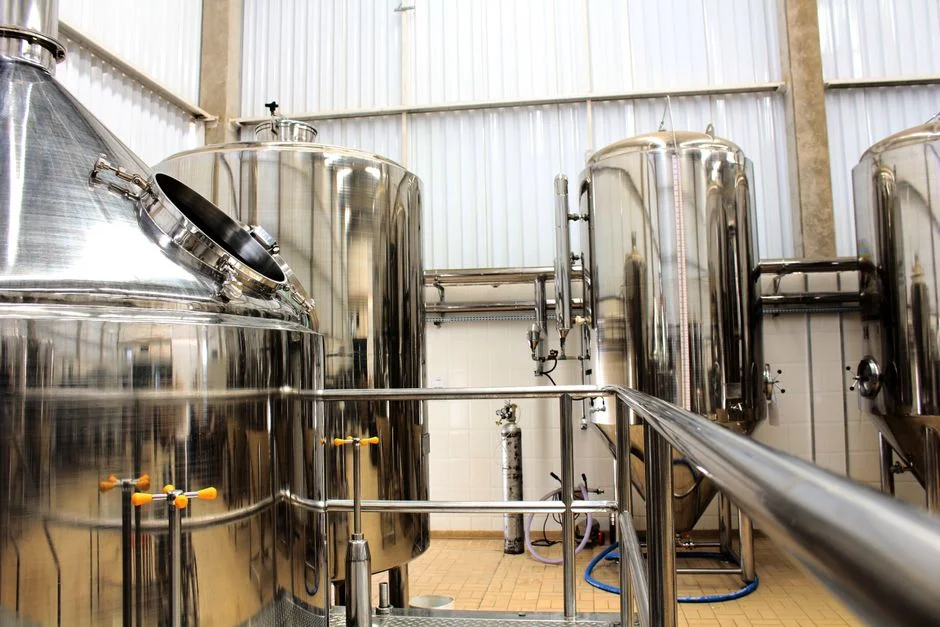
Stage 1 — Screening: a GX rotary bar screen at 2–5 mm aperture strips fibers, lint, and stray pack clips before they reach pumps and membranes. For a 100 m³/day mill the unit runs at ~5 m³/h peak channel flow with automatic rake discharge to a sealed bin.
Stage 2 — Equalization and neutralization: a 35–50 m³ lined concrete or coated-steel tank sized for 8–12 h retention (target ≥ 10 h to absorb the 5–10× winch batch peak). pH is corrected to 6.5–7.5 with CO₂ or dilute sulphuric acid dosing, and the tank is mixed at low speed to homogenize salt and thermal load. Sized correctly, this single stage removes more operational pain than any equipment upgrade downstream.
Stage 3 — Coagulation and DAF: a dissolved air flotation unit operating at 4–25 m³/h, surface loading 5–15 m/h, with 20–50 μm micro-bubbles. Coagulant (polyaluminium chloride, PAC, at 100–300 mg/L) and flocculant (anionic polyacrylamide, PAM, at 1–5 mg/L) are dosed through a PLC-controlled chemical dosing skid. Expected removal: 60–85% TSS, 40–70% color, and 30–50% COD. DAF float sludge reports to a sludge holding tank at 2–4% DS.
Stage 4 — Biological: an integrated MBR system using DF-series PVDF flat-sheet MBR cassettes (0.1 μm nominal pore, 10–20 LMH flux, ~32 m³/day per cassette at design MLSS 8,000–12,000 mg/L) delivers effluent COD < 80 mg/L, BOD₅ < 20 mg/L, near-zero TSS, and decolorization to < 50 Pt-Co through combined biomass adsorption, biodegradation of dye auxiliaries, and the membrane's physical barrier. The flat-sheet geometry tolerates the suspended fines that survive DAF and is field-proven in tropical-ambient operation; design details are covered in the MBR specifications and selection guide and the MBR engineering explainer.
Stage 5 — Polishing RO for reuse: an industrial RO system at 65–75% recovery and ~95% permeate purity drops TDS below 500 mg/L — suitable for wash-water reuse and meeting internal demand for ~50–70% of mill process water. RO concentrate (25–35% of feed) is routed to a dedicated evaporation pond or crystallizer if a zero-liquid-discharge (ZLD) pathway is mandated by the county.
| Stage | Equipment | Design parameter | Expected removal / output |
|---|---|---|---|
| 1. Screening | GX rotary bar screen | 2–5 mm aperture, 5 m³/h channel flow | Removes fibers, lint, pack clips |
| 2. Equalization | Lined EQ tank + mixer | 8–12 h HRT, pH 6.5–7.5 | Damps 5–10× load swings |
| 3. Coagulation / DAF | DAF + dosing skid | 5–15 m/h surface load; 20–50 μm bubbles | 60–85% TSS, 40–70% color |
| 4. Biological MBR | Integrated MBR + DF cassettes | 0.1 μm pore, 10–20 LMH, MLSS 8–12 g/L | COD < 80 mg/L, color < 50 Pt-Co |
| 5. RO polishing | Industrial RO skid | 65–75% recovery, 95% permeate purity | TDS < 500 mg/L, reuse-ready |
Equipment Selection Framework for 2026
Match flow band to a standard model rather than over-customizing. The DAF range covers 4–300 m³/h across 13 models; the DF MBR cassettes deliver 32–135 m³/day each and can be paralleled; industrial RO skids span 1–200 m³/h. A packaged 100 m³/day DAF + MBR + RO train typically fits in 110–140 m² of civil footprint including chemical dosing and sludge hold — roughly 40–50% less than a conventional activated-sludge + secondary clarifier + sand filter layout of equivalent capacity, which matters in land-constrained Athi River or Eldoret industrial plots.
Operator skill is the binding constraint, not the equipment. PLC-controlled packaged systems with auto-restart cut local operator demand to 1–2 shifts per day. For facilities with intermittent grid power, specify UPS on the MBR blower VFD and on chemical dosing pumps so that a 2–4 h outage does not crash trans-membrane pressure or starve the biological stage. Final disinfection should be a chlorine dioxide generator at 50–20,000 g/h rather than chlorine gas or hypochlorite, because ClO₂ does not generate adsorbable organohalogens (AOX) — the parameter EU buyers restrict under ZDHC and which EU CBAM reporting now flags explicitly. A multi-media filter ahead of RO protects the high-pressure pump from DAF carryover and is standard practice on the 100 m³/day reference design.
| Item | Model / series | Capacity band | Role in 100 m³/day train |
|---|---|---|---|
| Bar screen | GX rotary | 5–500 m³/h | Fiber / lint removal at headworks |
| DAF | DAF | 4–300 m³/h | Color + TSS coagulation |
| MBR | Integrated + DF cassettes | 32–135 m³/day per cassette | BOD/COD/color polish |
| RO | Industrial RO skid | 1–200 m³/h | TDS cut, wash-water reuse |
| Dosing | Automatic dosing skid | Per pump curve | PAC, PAM, pH, antiscalant |
| Disinfection | ClO₂ generator | 50–20,000 g/h | AOX-free final polish |
CAPEX, OPEX, and Footprint for a 100 m³/day Kenyan Textile ETP
Use m³/day-installed as the cost ratio. As a 2026 planning band, a packaged 100 m³/day DAF + MBR + RO train in containerized or skid-mounted form generally lands in the order of USD 250–450 per m³/day of installed capacity; civil-built equivalents sit higher, and a full ZLD add-on (evaporation pond or mechanical crystallizer) materially extends the figure (HydropureWater field data, 2026). OPEX is dominated by three line items: power for MBR aeration and the RO high-pressure pump (typically 1.8–2.5 kWh per m³ of treated water), chemical (PAC, PAM, antiscalant, CIP), and membrane replacement — MBR cassettes 5–8 years, RO elements 3–5 years. Civil footprint for a 100 m³/day packaged plant is ~110–140 m², against 200–260 m² for a conventional activated-sludge layout.
Water reuse is the single largest economic argument. At 70% recovery, a 100 m³/day feed yields ~70 m³/day of process-grade permeate, materially offsetting fresh-water purchase and county abstraction levies in water-stressed counties (Nairobi, Mombasa, Machakos, Kajiado). Sludge from DAF float and MBR waste is dewatered on a plate-and-frame filter press to 25–30% DS cake, and a high-efficiency sedimentation tank can thicken waste activated sludge ahead of the press to cut polymer dose. The cake leaves the site for licensed disposal or, where Rivatex-style circularity is being adopted, is co-processed.
| Item | Planning figure (100 m³/day) | Driver |
|---|---|---|
| CAPEX band (packaged) | USD 250–450 per m³/day installed | Skid vs civil build, ZLD scope |
| Footprint | 110–140 m² | EQ + DAF + MBR + RO + dosing |
| Power | 1.8–2.5 kWh/m³ | MBR blower + RO HP pump |
| Reuse water | ~70 m³/day at 70% recovery | Process wash-water offset |
| Sludge cake | 25–30% DS | Plate-and-frame filter press output |
Compliance and 2026 Action Checklist for Mill Owners
- Step 1 — Pull the record. Request the last 12 months of NEMA inspection reports and the county-issued discharge consent; flag the worst-exceeded parameter — color (Pt-Co) and TDS are the most common failures in Kenyan dye-house audits.
- Step 2 — Characterize the stream. Sample by batch (winch / jigger / print / finishing) for BOD₅, COD, TSS, color, TDS, pH, and temperature; quantify peak and average hydraulic load before sizing the EQ tank and the rest of the train.
- Step 3 — Shortlist suppliers. Prioritize packaged DAF + MBR + RO vendors that can ship containerized skids to Eldoret, Athi River, or Mombasa and provide local commissioning, with at least one operating reference in East Africa. A turnkey JY integrated water purification unit is worth evaluating for sub-50 m³/day flows.
- Step 4 — Budget for AOX-free disinfection. Specify ClO₂ generation in place of chlorine if the mill is targeting EU textile buyers under CBAM or ZDHC-compliant sourcing.
Frequently Asked Questions
What are the NEMA effluent limits for a textile mill in Kenya?
Under the Environmental Management and Coordination (Water Quality) Regulations 2009, textile discharge to a watercourse or onto land must typically meet BOD₅ ≤ 30 mg/L, COD ≤ 60 mg/L, TSS ≤ 30 mg/L, pH 6.5–8.5, and color not visibly detectable. TDS for reuse streams is conventionally held below 500 mg/L even where the regulation itself sets a higher ceiling.
How much COD and color can a DAF + MBR train realistically remove at a Kenyan cotton/dye mill?
On a 100 m³/day reactive-dye stream starting at 800–2,200 mg/L COD and 400–2,000 Pt-Co color, a properly sized DAF + MBR train delivers 85–95% COD removal and 90–98% color removal, with MBR effluent at COD < 80 mg/L and color < 50 Pt-Co before any RO polish (HydropureWater field data, 2026).
Is RO necessary for a textile ETP in Kenya, or is MBR effluent enough?
MBR effluent meets NEMA 2009 discharge limits for BOD, COD, TSS, and color in most audits, but it does not bring TDS below 2,000 mg/L. RO polishing is required only if the mill targets wash-water reuse at ≥ 50% internal demand, or if a county consent imposes a TDS cap tighter than the default; in those cases a 65–75% recovery RO skid is the standard add-on.
How much does a 100 m³/day textile ETP cost in 2026 Kenya?
A packaged DAF + MBR + RO train for 100 m³/day in 2026 planning terms sits in the USD 250–450 per m³/day of installed capacity band for skid/containerized delivery, with civil-built layouts above that and ZLD scope materially higher (HydropureWater field data, 2026). OPEX is dominated by 1.8–2.5 kWh/m³ power, chemical, and membrane replacement at 5–8 years for MBR and 3–5 years for RO.