Why Petrochemical Wastewater Maintenance Is a Different Discipline
Petrochemical wastewater carries diesel, gasoline, and kerosene fractions alongside dissolved hydrocarbons and stable emulsified oils (per the 2021 Water journal oily-wastewater review, DOI 10.3390/w13070980), so fouling, corrosion, and oil-wetting mechanisms do not map to municipal O&M templates. Variable flow, temperature swings, and oil carryover define the operating envelope, with daily shifts driven by unit startups, cleaning events, and stormwater ingress (per SepraTech's variable-load design guidance, 2025-08). Peak events simultaneously stress clarification, filtration, and RO, so maintenance planning must treat the train as one coupled system. Compliance windows leave almost no buffer: regulatory oil-in-water discharge limits typically fall in the 5–100 mg/L band across major jurisdictions (per the same Water review), meaning a single skipped service interval can flip a plant from compliant to non-compliant. The solution is a 2026 program that pairs DAF, lamella, biological or MBR, and RO/MF unit operations with condition triggers tied to oil carryover, TSS, and differential pressure — see the DAF system maintenance cost in 2026 OPEX breakdown for the cost layer that sits underneath the schedule.
Annual Maintenance Calendar for a Petrochemical Wastewater Train
A defensible 2026 maintenance program organizes work by unit operation, so the technician running daily rounds on DAF also owns the weekly saturator check. The table below is built to be copied into a CMMS and assigned task codes by frequency.
| Unit Operation | Daily | Weekly | Quarterly | Annual |
|---|---|---|---|---|
| DAF (dissolved air flotation) | Skimmer flight and trough inspection; effluent sheen check | Saturator and nozzle check; polymer feed rate verification | Air-to-water ratio verification (target 8–12% recycle); pump packing service | Vessel internal inspection; recoating assessment |
| Lamella clarifier | Influent TSS and flow log | Sludge blanket measurement; surface loading rate check (design band 20–40 m/h) | Polymer dose-rate audit; distribution nozzle inspection | Plate pack lift and high-pressure wash; structural inspection |
| Biological / MBR | MLSS, DO, temperature; F/M ratio review | Scour-air integrity check on cassette | Membrane relaxation CIP (per OEM pH window); PVDF membranes tolerate pH 1–13 cleanings | Cassette integrity test (pressure decay); diffuser audit |
| RO / MF polishing | Normalized flux and dP trend log | Cartridge filter ΔP check | CIP triggered at 10–15% flux decline or 2× baseline dP; antiscalant dose adjusted against actual recovery (typically 70–80%) | RO membrane autopsy on lead element; high-pressure pump service |
| Instrumentation | Verify online readings vs lab | Probe clean-in-place log | Monthly pH, ORP, conductivity, turbidity calibration; quarterly flow meter verification against clean-water reference | Sensor replacement review; controller firmware update |
| Sludge handling | Filter press cycle time and cake solids log | Cloth wash-water quality check | Quarterly cloth/media replacement on plate and frame units sized 1–500 m² | Hydraulic system service; plate alignment audit |
The hardware referenced in the rows above — dissolved air flotation system, high-efficiency lamella clarifier, integrated MBR membrane bioreactor system, industrial RO polishing system, and plate and frame filter press — each carry OEM-specific service intervals that should override the generic bands in the table where they conflict.
Peak-Flow and Fouling Triggers: The Condition-Based Layer
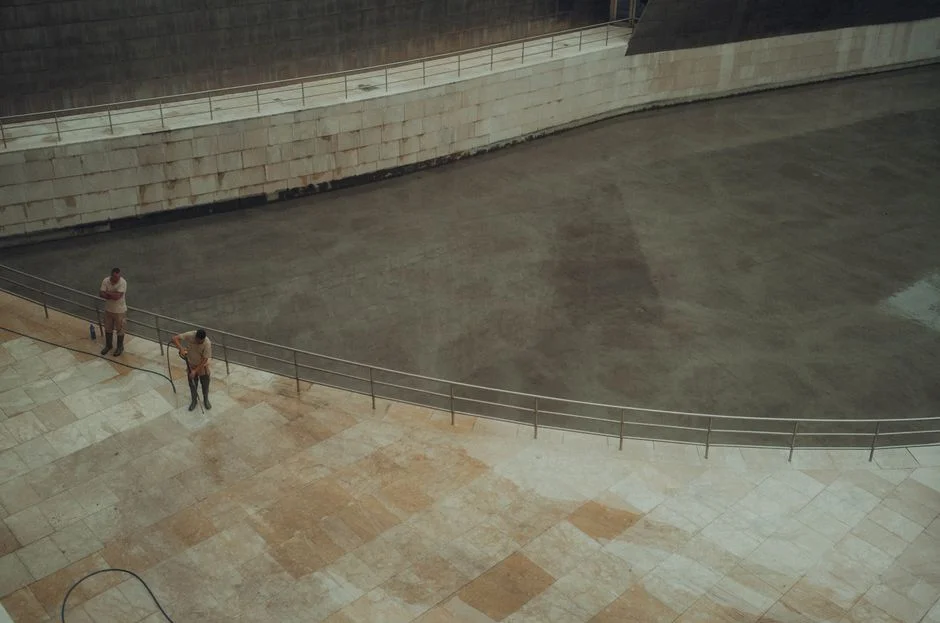
Operators need alarm thresholds on turbidity and differential pressure to respond before water quality degrades, rather than reacting after laboratory sample results arrive (per SepraTech's 2025-08 variable-load guidance). The classic peak-event pattern is well documented: clarifier retention time drops, solids breakthrough hits filtration within hours, and differential pressure climbs on RO membranes as contaminants are pushed downstream faster than the pretreatment envelope can absorb. Three engineering controls keep the train online through that pattern: parallel filtration vessels and bypass lines so one train can stay in service while the other is on maintenance, planned media and resin change-outs staged around turnarounds, and membrane cleaning schedules driven by actual normalized performance trends — petrochemical field data show this typically cuts annual CIP chemical use by 15–30%. The supporting hardware here is a multi-media filtration skid paired with a PLC-controlled automatic chemical dosing system that holds dose rates against the influent swing rather than against a fixed setpoint.
Symptom-to-Action Matrix: Six Common Petrochemical-Train Failures
The matrix below maps the symptom a shift operator sees at 3 a.m. to the most likely cause and the first action a maintenance lead should authorize before the next shift change.
| Symptom | Likely Cause | First-Line Action |
|---|---|---|
| Oil sheen carryover past DAF | Saturator air-to-water ratio drift; polymer under-dose; upstream emulsion breaker failure | Verify saturator recycle pressure, check polymer feed, inspect skimmer flight and trough alignment, confirm emulsion breaker draw |
| Rising filter ΔP with stable turbidity | Channeling in multi-media bed; distribution assembly fouled | Inspect laterals and nozzles, verify backwash sequence effectiveness, schedule media turn-over if ΔP does not recover after CIP |
| MBR fouling rate acceleration | High F/M ratio; failed scour-air cycle; high mixed-liquor viscosity | Review F/M (target 0.05–0.15 kg BOD/kg MLSS·d), confirm scour-air duty cycle, validate temperature; sequential MBR plus photocatalysis has documented 95% TOC removal on petrochemical slop (per Water 2021, DOI 10.3390/w13070980) |
| RO flux loss with rising salt passage | Membrane compromise vs scaling | Run normalized performance diagnostic, check conductivity and pH upstream of high-pressure pump, verify antiscalant dose against recovery setpoint |
| Excessive sludge yield in biological stage | Toxicity-influent event; failed equalization | Audit influent for shock loaders, validate toxicity stripping ahead of the bioreactor, confirm return activated sludge wasting rate |
| Chronic corrosion in piping and equipment | Heavy-oil fraction breakthrough; dissolved sulfide carryover | Pull corrosion coupons, review microelectrolysis pilot; microelectrolysis plus microwave coagulation has demonstrated 96.5% corrosion-rate reduction in heavy-oil service (per Water 2021) |
For the chemistry side of the matrix — particularly Fenton or advanced oxidation steps that handle recalcitrant petrochemical organics — the 2026 Fenton oxidation maintenance protocol covers dose ranges and CIP sequencing that complement this troubleshooting view.
Turnaround and Rental-Tie-In Planning
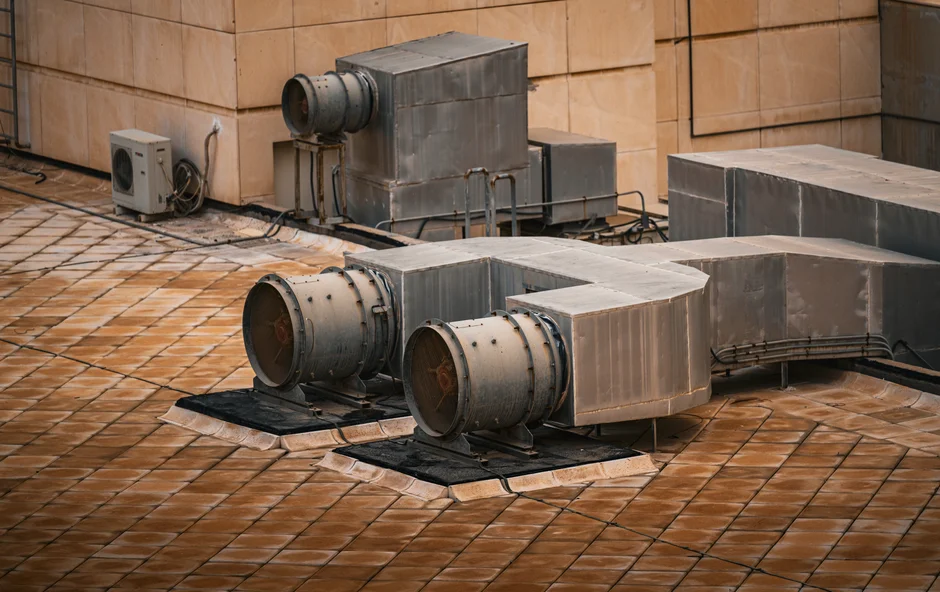
Maintenance budgets are defended at the turnaround meeting, not the daily standup. Four pre-outage disciplines keep petrochemical trains compliant and online through planned shutdowns: design temporary treatment tie-in points from the original project so rentals can be deployed without field fabrication, stage critical spares (pump mechanical seals, DAF nozzles, RO cartridge filters, lamella plate sections) at the same warehouse as turnaround consumables, build the outage scope from the previous cycle's failure modes rather than a generic template, and pre-qualify rental vendors with documented petrochemical reference duty so procurement does not eat the outage window. The 2026 forward osmosis troubleshooting field guide covers the membrane-side rental-tie-in sequencing that pairs with this checklist. Where local pretreatment programs feed into the same discharge envelope, the 2026 petroleum pretreatment compliance guide provides the regulatory framing for scheduling tie-ins against permit windows.
Frequently Asked Questions
How often should a DAF unit be serviced in a petrochemical wastewater plant?
Daily skimmer and trough inspection, weekly saturator and nozzle checks, quarterly air-to-water ratio verification (target 8–12% recycle), and an annual vessel internal inspection with recoating assessment — see the calendared schedule in the table above for the full breakdown.
What differential pressure should trigger an RO CIP in petrochemical service?
Trigger CIP at 10–15% normalized flux decline or 2× baseline differential pressure, whichever comes first, and adjust antiscalant dose against actual recovery (typically 70–80%) rather than a fixed setpoint.
What is the typical regulatory oil-in-water discharge limit for petrochemical plants?
Oil-in-water discharge limits typically fall in the 5–100 mg/L range across major jurisdictions (per the 2021 Water journal review), which is why DAF is engineered for 90% oil removal and a polishing stage is almost always required downstream.