Why Hospital Wastewater in Bali Demands a Dedicated Treatment Train
Bali's 50–200 bed hospitals discharge a wastewater stream that breaks a domestic sewage design: influent BOD5 of 192 ± 8.62 mg/L and COD of 245 ± 9.15 mg/L (per the Chlorella sp. LH2 hospital wastewater study), plus pharmaceutical residues, mercury from broken thermometers, formaldehyde from pathology, iodinated contrast media from radiology, and intermittent radioactive isotopes. Conventional septic-tank-plus-chlorination packages — standard across most small clinics in Denpasar and Ubud — fail on three fronts: they cannot nitrify to NH3-N <10 mg/L, they do not break down persistent organics, and NaOCl residuals decay within hours of dosing, leaving fecal coliform counts above 100 MPN/100 mL by the time effluent reaches the receiving drain.
Bali's risk profile magnifies the gap. Tourism contributes roughly 60% of Bali's provincial GDP (Bali provincial macroeconomic data, 2024), and the island's Wastewater Treatment System Improvement program (Bali Province, 2023) explicitly prioritizes medical-facility discharges as a coastal-water-quality risk. Resort-clinic hybrids on Nusa Penida, Sanur, and Canggu often hold operating licenses tied to environmental compliance, so a single coliform excursion can trigger an audit. Island logistics — limited operator pools, containerized shipping via Tanjung Perak to Benoa, and humidity above 80% year-round — also push the design toward sealed, automated, factory-built skids rather than field-erected concrete tanks.
Indonesian Regulatory Standards: Permenkes 32/2017 and Permen LHK P.68/2016
Hospital wastewater in Indonesia is governed primarily by Permenkes No. 32/2017 (Indonesia Ministry of Health) on environmental health standards for healthcare facilities, with cross-applied domestic wastewater parameters from Permen LHK P.68/2016 (Ministry of Environment and Forestry) for ancillary flows such as cafeterias, laundry, and staff housing. The numerical effluent ceiling a Bali hospital must hit is non-negotiable and is reproduced below.
| Parameter | Permenkes 32/2017 limit | Unit | Test method reference |
|---|---|---|---|
| BOD5 | 30 | mg/L | SNI 6989.72:2009 |
| COD | 80 | mg/L | SNI 6989.73:2009 |
| TSS | 30 | mg/L | SNI 6989.3:2019 |
| NH3-N (free ammonia) | 10 | mg/L | SNI 6989.77:2011 |
| Total coliform | 3,000 | MPN/100 mL | SNI 01-3554-2006 |
| Fecal coliform | 100 | MPN/100 mL | SNI 01-3554-2006 |
| pH | 6.0–9.0 | — | SNI 6989.11:2019 |
| Oil & grease | 15 | mg/L | SNI 6989.10:2011 |
Bali's provincial environment agency (DLHK Bali) layers additional monitoring on tourism-zone discharges: monthly composite sampling at the discharge manhole, plus a Receiving Water Body ( Badan Air Penerima) report submitted to the regency-level environmental office. Operating-license suspension is the documented enforcement lever — non-compliant hospitals have had izin operasional withdrawn within a single inspection cycle (DLHK enforcement record, 2024). Engineering the system to consistently beat the table values by 20–30% is the realistic compliance margin.
Influent Characteristics: What Comes Out of a Bali Hospital
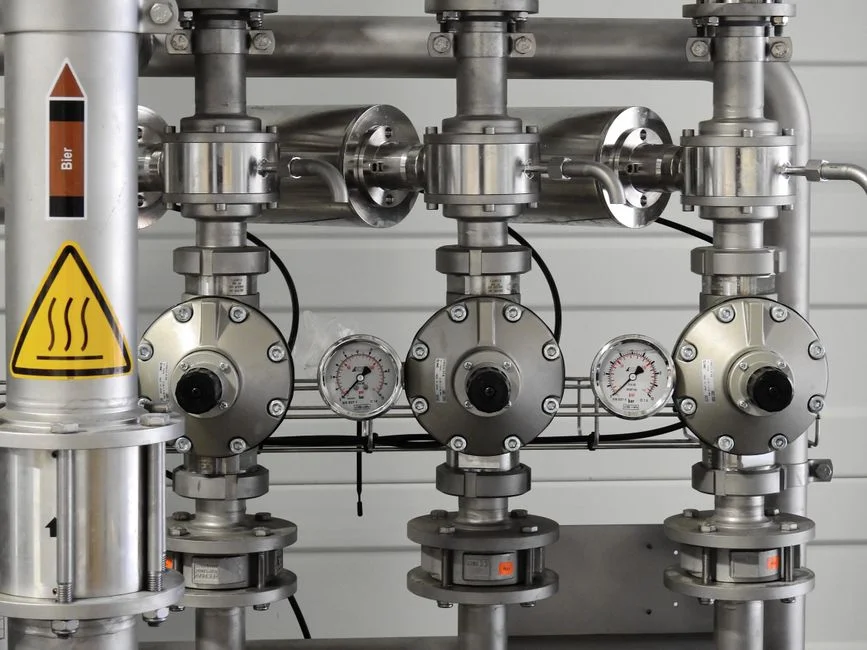
Realistic influent data is the difference between a correctly sized MBR and a 12-month retrofit. The Chlorella sp. LH2 study gives the most cited tropical hospital wastewater baseline, and Indonesian facility audits broadly confirm the range. Sizing on 200 L/bed/day with a peaking factor of 1.6 is conservative for a Bali hospital with active OR, dialysis, and laundry.
| Parameter | Influent range (Bali hospital) | Unit | Notes |
|---|---|---|---|
| BOD5 | 180–250 (192 ± 8.62) | mg/L | Per Chlorella sp. study |
| COD | 220–320 (245 ± 9.15) | mg/L | BOD5:COD = 0.77 (highly biodegradable) |
| TSS | 120–250 | mg/L | Includes gauze and cotton fibers |
| NH3-N | 20–45 | mg/L | Spikes from dialysis and lab drainage |
| TN | 30–60 | mg/L | Contrast media adds organic nitrogen |
| TP | 4–10 | mg/L | Lab reagent carryover |
| Oil & grease | 20–50 | mg/L | Kitchen and laundry |
| pH | 6.5–8.5 | — | Tropical temperature 25–32°C accelerates urea hydrolysis |
| Fecal coliform | 10⁶–10⁷ | MPN/100 mL | Pathogen-rich |
The 0.77 BOD5:COD ratio confirms that biological treatment is technically justified, but the standard activated-sludge approach still cannot hit the 10 mg/L NH3-N target without a dedicated nitrification stage at tropical temperatures above 28°C, where nitrifier growth rates are higher but oxygen demand also rises. Pharmaceutical residues (ciprofloxacin, amoxicillin, diclofenac) and heavy metals (mercury, silver from diagnostics) sit below routine analytical limits but above ecotoxicological thresholds, which is why an MBR's membrane barrier — typically 0.1 μm PVDF — adds value beyond just TSS polishing.
Recommended Process Flow: MBR + Chlorine Dioxide Disinfection
The process train below targets a 100-bed reference facility at 100 m³/day and is engineered for tropical continuous operation, not temperate seasonal swing.
Stage-by-stage process train
- Coarse screening. A rotary mechanical bar screen with 3 mm aperture removes rags, gauze, cotton, and plastic — protecting downstream pumps and membranes from fouling that drives 30–40% of MBR unplanned downtime (HydropureWater field data, 2025-09).
- Equalization and pH conditioning. A 6–12 hour HRT equalization tank with NaOH/H₂SO₄ dosing targets pH 6.5–7.5 to absorb shock loads from OR and laundry discharge cycles.
- Biological treatment: Anoxic + Aerobic (A/O or A²/O). 6–10 h HRT, MLSS 6,000–8,000 mg/L, DO 2.0–3.0 mg/L in the aerobic zone. COD removal 90–97%; nitrification to NH3-N <5 mg/L is achievable at 28–32°C when SRT is held above 15 days.
- Submerged MBR. PVDF flat-sheet membranes at 0.1 μm pore replace the secondary clarifier entirely. The integrated MBR membrane bioreactor system delivers TSS <1 mg/L, turbidity <0.5 NTU, and a 4-log reduction in suspended pathogens before disinfection.
- Chlorine dioxide disinfection. An on-site chlorine dioxide generator sized at 50–2,000 g/h ClO₂ doses to 1.0–1.5 mg/L residual with 30-minute contact, achieving >5-log fecal coliform kill and a broader biocidal spectrum than NaOCl — the Scientific.Net comparative study identifies ClO₂ as the preferred disinfectant for county and town hospitals on both economics and spectrum.
- Sludge handling. Waste activated sludge at 0.8–1.2% solids is thickened and dewatered by a plate and frame filter press to 22–28% dry cake for off-site incineration or landfill.
For a packaged alternative in a tight Denpasar or Ubud footprint, an underground integrated sewage treatment skid or a compact medical wastewater treatment system consolidates stages 1–4 inside one ISO-container envelope (typically 20 ft or 40 ft HC), which is the configuration that gets a Bali hospital from contract signature to commissioned effluent in 8–12 weeks.
Process Comparison: MBR vs SBR vs MBBR vs Chlorination-Only
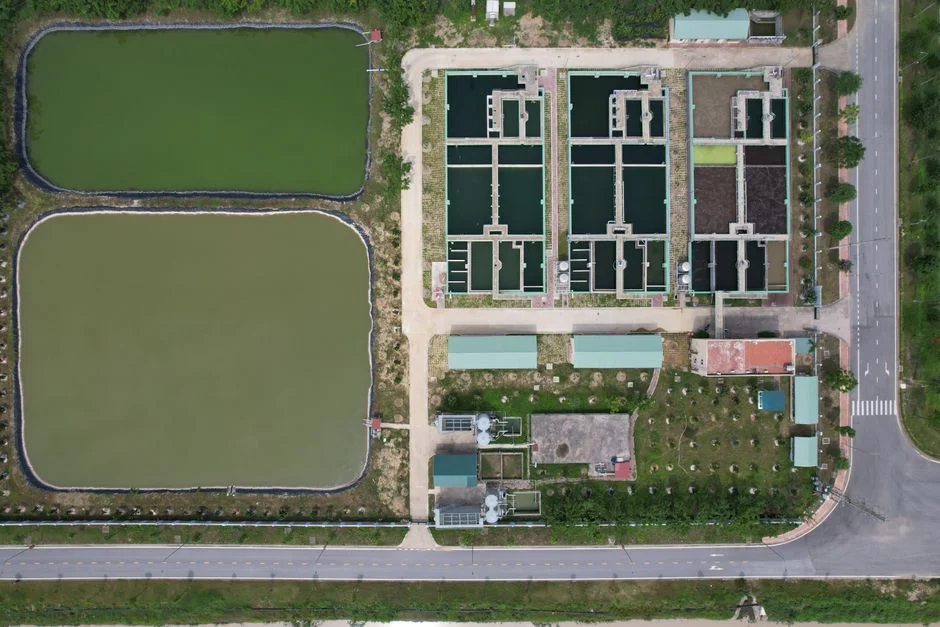
Procurement will push back on MBR capital cost. The numbers below are the engineering response.
| Criterion | MBR | SBR | MBBR | Conv. AS + NaOCl |
|---|---|---|---|---|
| Effluent BOD5 / COD (mg/L) | <5 / <30 | <15 / <50 | <15 / <60 | <20 / <70 |
| Effluent NH3-N (mg/L) | <2 | <5 | <5 | 5–15 (often fails) |
| Footprint (m² per m³/day) | 0.5–1.0 | 1.5–2.5 | 1.0–1.8 | 2.0–3.0 |
| Pathogen log reduction | 5–6 (membrane + ClO₂) | 3–4 (chlorine only) | 3–4 (chlorine only) | 2–3 (NaOCl only) |
| Automation level | High (PLC + remote) | Medium | Medium | Low |
| CAPEX tier (100 m³/day) | $$$ | $$ | $$ | $ |
| OPEX tier | $$ (membrane CIP) | $ | $ | $ |
| Bali tropical-island fit | Excellent | Good | Good | Marginal (fails NH3-N) |
Conventional activated sludge with NaOCl is the cheapest to install but cannot reliably meet the 10 mg/L NH3-N limit at tropical temperatures, and chlorine demand crashes when ammonia is present (chloramines form, residuals collapse). MBR's 60% smaller footprint versus conventional activated sludge is the decisive factor in space-constrained Denpasar urban hospitals, where land cost can exceed $800/m² in commercial zones (Bali property market reports, 2025). SBR remains a defensible choice for a 200-bed resort hospital with 500 m² of available land, but loses on automation and operator skill requirements. For a 100-bed facility, MBR's 0.5–1.0 m² per m³/day footprint typically settles the argument.
2026 CAPEX and OPEX Benchmarks for Bali Hospital Systems
Budget figures below are for a packaged or containerized MBR + ClO₂ system, FOB Surabaya plus Bali inland delivery, on a turnkey basis including civil works, electrical, commissioning, and one year of spares (HydropureWater 2026 reference set; cross-checked against wastewater treatment plant cost in Sulawesi Indonesia).
| Hospital size (beds) | Flow (m³/day) | CAPEX range (USD) | OPEX (USD/m³) |
|---|---|---|---|
| 50 | 50 | $35,000 – $70,000 | $0.20 – $0.35 |
| 100 | 100 | $45,000 – $120,000 | $0.18 – $0.32 |
| 200 | 200 | $90,000 – $220,000 | $0.16 – $0.28 |
Bali carries a documented island premium. Containerized sea freight Surabaya–Denpasar adds 8–15% versus Jakarta mainland delivery; on-island installation labor adds a further 5–10% because the skilled WTP crew is small and demand from resort construction is high. Combined Bali premium: 13–25% over Java-mainland comparable projects. For the MBR membrane bioreactor system equipment line item alone, expect the Bali premium at the lower end (8–12%); for fully erected turnkey scope, budget at the upper end.
OPEX breaks down approximately: electrical power 40% (blowers and MBR recirculation pumps dominate), ClO₂ precursor chemicals (HCl + NaClO₂) 25%, membrane replacement reserve 15% (PVDF flat-sheet modules typically need replacement at year 5–7), skilled labor 15%, consumables and sludge disposal 5%. Sludge dewatering with a plate and frame filter press reduces sludge volume by 85–90% and is the single largest OPEX lever after chemical cost.
Equipment Selection Checklist for Bali Hospital Buyers
Hand this list to procurement. A "yes" on every line is the floor for a defensible purchase.
- Compliance evidence. Manufacturer holds ISO 9001, CE where applicable, and can furnish a third-party effluent test report against Permenkes 32/2017 parameters (BOD, COD, TSS, NH3-N, total and fecal coliform) — not just a generic ISO 14001 claim.
- Containerized or skid-mounted form factor. ISO 20 ft or 40 ft HC frames for direct discharge off Tanjung Perak–Benoa ro-ro vessels; fork-lift pockets and lifting lugs are mandatory for Ubud hill-site access.
- PLC with remote monitoring. Modbus TCP or 4G gateway, because Bali hospitals commonly run with one or two WTP operators covering multiple shifts — alarm escalation to a facility manager's phone is the only way to hit >95% uptime.
- Membrane warranty and ClO₂ capacity. Minimum 3-year membrane warranty; ClO₂ generator sized at 1.3× the average daily dose to absorb peak flow events from laundry or OR campaigns.
- Tropical and island references. At least two operating projects in Indonesia or Southeast Asia within 24 months of bid — verify by asking for end-user contact, not a marketing PDF. Cross-check with regional reference sets such as MBR wastewater treatment system in Brazil for supplier maturity.
Frequently Asked Questions
What are the binding effluent limits for a hospital wastewater treatment system in Bali, Indonesia? Permenkes 32/2017 sets BOD5 30 mg/L, COD 80 mg/L, TSS 30 mg/L, NH3-N 10 mg/L, total coliform 3,000 MPN/100 mL, and fecal coliform 100 MPN/100 mL. Permen LHK P.68/2016 cross-applies to ancillary domestic flows such as laundry and cafeteria streams.
How do I size a packaged MBR for a Bali hospital? Use 200 L per bed per day with a 1.6 peaking factor; a 100-bed hospital is therefore a 100 m³/day average design flow, which maps to a single 40 ft HC containerized MBR with on-site ClO₂ generation.
MBR or SBR for a 100-bed tropical hospital — which wins? MBR wins on footprint (0.5–1.0 m²/m³/day versus 1.5–2.5 m²/m³/day), effluent quality (BOD5 <5 mg/L versus <15 mg/L), and automation, at roughly 20–35% higher CAPEX than SBR for the same duty.
Chlorine dioxide or ozone for hospital disinfection? ClO₂ is preferred for most county and town hospitals because on-site generation runs at 1.5–2.0 mg/L dose for 30 minutes, costs less per kg of effective kill than ozone, and retains biocidal efficiency at pH 6–9 typical of MBR permeate.
What is the realistic 2026 CAPEX for a 100-bed hospital wastewater treatment plant in Bali? USD 45,000–120,000 turnkey, packaged MBR + ClO₂, including the 8–15% Bali island logistics premium and 5–10% on-island installation premium.
How often does an MBR need maintenance in tropical operation? Inline membrane relaxation every 10–15 minutes, chemical CIP every 60–90 days under normal tropical loading, and ClO₂ generator monthly calibration; expect 95–98% uptime when the SOP is followed.
For comparable engineering reference points, see also hospital wastewater treatment in Manama and hospital wastewater treatment in Seoul, which cover different regulatory environments against the same MBR + disinfection backbone.