Why Tel Aviv Hospitals Need Specialized Wastewater Treatment
Hospital wastewater in Tel Aviv presents a complex treatment challenge, demanding adherence to Israel’s stringent Shafdan WWTP standards while critically addressing the escalating threat of antimicrobial resistance (AMR). Recent data from the 2024 WHO AMR surveillance highlights that hospital wastewater can contain 10–100 times higher concentrations of antibiotic-resistant bacteria (ARB) and genes (ARG) compared to municipal sewage. This makes effective treatment not just a regulatory necessity but a public health imperative. Israel’s Water Authority mandates a minimum 4-log pathogen reduction for all hospital effluent discharged for reuse, a standard driven by the nation's extensive water reclamation program, where 85% of treated effluent is utilized for agriculture. Hospitals exceeding the Shafdan WWTP’s influent limits, specifically a Chemical Oxygen Demand (COD) of ≤ 100 mg/L, face substantial financial penalties, with the Israel Environmental Protection Ministry reporting potential fines up to ₪500,000 annually. In Tel Aviv's water-scarce environment, where less than 50% of agricultural water is potable, the drive towards rigorous effluent reuse standards underscores the urgency for advanced, specialized hospital wastewater treatment solutions.
Tel Aviv’s Hospital Wastewater Regulations: Shafdan Standards vs. Global Benchmarks
Tel Aviv’s hospital wastewater treatment is governed by the strict parameters set by the Shafdan WWTP, which serves as the benchmark for effluent quality in the region. These requirements stipulate an influent COD limit of ≤ 100 mg/L, Biological Oxygen Demand (BOD) ≤ 20 mg/L, and Total Suspended Solids (TSS) ≤ 30 mg/L, alongside a fecal coliform count of ≤ 10 CFU/100 mL, as per Igudan's 2024 discharge permits. To meet these stringent criteria, particularly for reuse in agriculture, the Israel Water Authority mandates that hospital effluent undergo comprehensive tertiary treatment, including advanced filtration and disinfection processes. When compared to international standards, such as the U.S. Environmental Protection Agency's (EPA) 40 CFR Part 460 or the European Union's Council Directive 91/271/EEC, Israel’s Shafdan standards are approximately 20–30% more restrictive for COD and BOD. Crucially, Israel's regulations explicitly incorporate pathogen log reduction targets, a critical aspect for mitigating AMR risks, which is not always as prominently defined in other global benchmarks. Non-compliance with these regulations can result in severe repercussions, including fines ranging from ₪10,000 to ₪500,000 and mandatory, often costly, system upgrades, as outlined by the Israel Environmental Protection Ministry in 2023. Understanding these specific requirements is vital for facilities to avoid significant financial and operational penalties.
| Parameter | Shafdan WWTP Influent Limit (mg/L) | EPA 40 CFR Part 460 (Effluent Guidelines) | EU 91/271/EEC (Secondary Treatment) | AMR Disinfection Target (Israel) |
|---|---|---|---|---|
| COD | ≤ 100 | Varies by subcategory (e.g., ≤ 50 for general hospitals) | ≤ 125 (average) | N/A (indirectly addressed by pathogen reduction) |
| BOD | ≤ 20 | Varies by subcategory (e.g., ≤ 30 for general hospitals) | ≤ 25 (average) | N/A (indirectly addressed by pathogen reduction) |
| TSS | ≤ 30 | Varies by subcategory (e.g., ≤ 50 for general hospitals) | ≤ 35 (average) | N/A |
| Pathogen Reduction | N/A (focus on primary/secondary) | N/A (focus on primary/secondary) | N/A (focus on primary/secondary) | 4-log (bacteria) |
Engineering Specs for Hospital Wastewater Treatment in Tel Aviv
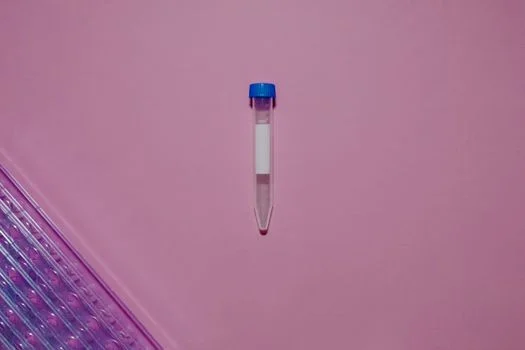
Effective hospital wastewater treatment in Tel Aviv necessitates precise engineering specifications tailored to the unique influent characteristics and stringent regulatory demands. Studies conducted by Tel Aviv University in 2024 indicate that typical hospital wastewater in the region exhibits high concentrations of pollutants, with COD ranging from 300–1,200 mg/L, BOD from 150–600 mg/L, and TSS from 200–800 mg/L. The pH typically falls between 6.5 and 8.5. To meet the Israel Water Authority's mandate for AMR mitigation and effluent reuse, treatment systems must achieve a minimum 4-log reduction for bacteria (e.g., E. coli), a 3-log reduction for viruses, and a 2-log reduction for protozoa. For biological treatment stages, optimal process parameters include a Hydraulic Retention Time (HRT) of 12–24 hours and a Solids Retention Time (SRT) of 15–30 days, with Mixed Liquor Suspended Solids (MLSS) levels maintained between 3,000–6,000 mg/L, particularly in Membrane Bioreactor (MBR) systems. Disinfection requires careful control; for instance, chlorine dioxide generators are designed to maintain a residual of 0.5–1.0 mg/L for over 30 minutes of contact time to ensure a 99.9% kill rate. Given the high influent TSS levels, pretreatment is essential. Rotary mechanical bar screens, such as the HydropureWater GX Series, are recommended for robust solids removal when TSS exceeds 500 mg/L, preventing downstream equipment damage and improving overall treatment efficiency.
| Parameter | Typical Hospital Wastewater (Tel Aviv) | Required Log Reduction (Israel Water Authority) | Biological Treatment Process Parameters | Disinfection Target (e.g., Chlorine Dioxide) | Pretreatment Recommendation (for TSS > 500 mg/L) |
|---|---|---|---|---|---|
| COD | 300–1,200 mg/L | N/A | N/A | N/A | N/A |
| BOD | 150–600 mg/L | N/A | N/A | N/A | N/A |
| TSS | 200–800 mg/L | N/A | N/A | N/A | Rotary Mechanical Bar Screens (e.g., HydropureWater GX Series) |
| Bacteria | High concentration of ARB/ARG | ≥ 4-log | HRT: 12–24 hrs; SRT: 15–30 days; MLSS: 3,000–6,000 mg/L (MBR) | ≥ 99.9% kill rate | N/A |
| Viruses | High concentration | ≥ 3-log | N/A | N/A | N/A |
| Protozoa | Moderate concentration | ≥ 2-log | N/A | N/A | N/A |
| pH | 6.5–8.5 | N/A | N/A | N/A | N/A |
For robust solids removal in the presence of high TSS concentrations, the rotary mechanical bar screens (GX Series) are an essential pretreatment step.
Technology Comparison: MBR vs. DAF vs. Chlorine Dioxide for Hospital Effluent
Selecting the optimal technology for hospital wastewater treatment in Tel Aviv involves a careful evaluation of footprint, capital expenditure (CAPEX), operational expenditure (OPEX), and disinfection efficacy against AMR concerns. Membrane Bioreactor (MBR) systems, such as the HydropureWater DF Series, offer superior effluent quality with sub-micron filtration, achieving over 99.9% pathogen removal and significantly reducing the treatment footprint by up to 60% compared to conventional systems. Their CAPEX typically ranges from $250,000 to $1.2 million, with OPEX around $1.20–$2.50 per cubic meter. Dissolved Air Flotation (DAF) systems are particularly effective for pre-treating hospital wastewater with high concentrations of fats, oils, and grease (FOG), common in kitchen and laundry effluent, achieving 92–97% TSS removal. DAF systems have a lower CAPEX, ranging from $80,000 to $300,000, and OPEX of $0.50–$1.20 per cubic meter. For disinfection, chlorine dioxide generators provide a 99.9% kill rate, effectively addressing AMR risks without the formation of harmful disinfection byproducts like trihalomethanes (THMs). Their CAPEX is considerably lower, from $20,000 to $150,000, with OPEX primarily driven by chemical costs at $0.10–$0.30 per cubic meter. While ozone and UV systems offer chemical-free disinfection, they typically incur higher CAPEX ($500,000+) and energy consumption (0.5–1.0 kWh/m³), making them suitable for niche applications where chemical residuals are a strict concern. Hybrid systems, such as DAF followed by MBR for high-TSS streams or DAF combined with chlorine dioxide for cost-sensitive clinics, can offer optimized solutions.
| Technology | Key Applications | Typical CAPEX Range (USD) | Typical OPEX Range (USD/m³) | Pathogen Removal Efficacy | Footprint Efficiency | AMR Risk Mitigation |
|---|---|---|---|---|---|---|
| MBR (HydropureWater DF Series) | High-quality effluent, space-constrained sites | $250,000–$1.2M | $1.20–$2.50 | >99.9% | High (60% smaller) | Excellent (physical barrier) |
| DAF | High FOG & TSS removal (kitchen, laundry) | $80,000–$300,000 | $0.50–$1.20 | 92–97% TSS removal | Moderate | Indirect (reduces load for downstream disinfection) |
| Chlorine Dioxide Generators | Final disinfection stage | $20,000–$150,000 | $0.10–$0.30 (chemical cost) | 99.9% | Compact | Excellent (strong oxidant, no THMs) |
| Ozone/UV | Chemical-free disinfection | $500,000+ | $0.30–$0.80 (energy cost) | High | Moderate | Good (oxidative/inactivating) |
For advanced treatment and pathogen removal, MBR systems are a leading choice. To manage high FOG content, DAF systems are ideal for pretreatment. For robust disinfection, chlorine dioxide generators offer a highly effective solution.
CAPEX and OPEX Breakdown for Hospital Wastewater Treatment in Tel Aviv
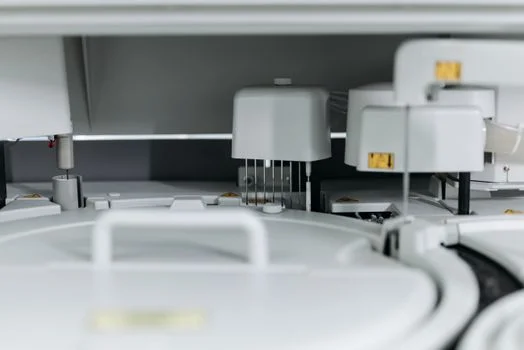
Budgeting for hospital wastewater treatment systems in Tel Aviv requires a clear understanding of both capital expenditure (CAPEX) and operational expenditure (OPEX). For small clinics with 50–100 beds, CAPEX can range from $120,000 to $300,000. Medium-sized hospitals (200–500 beds) typically see CAPEX between $500,000 and $1.5 million, while larger facilities (500+ beds) may require investments of $1.5 million to $3 million. OPEX is a significant long-term consideration, with energy costs comprising 30–40% ($0.30–$1.00/m³), chemicals 20–30% ($0.20–$0.80/m³), maintenance 15–25% ($0.15–$0.50/m³), and labor 10–15% ($0.10–$0.30/m³). The return on investment (ROI) for these systems is driven by several factors: the potential for water reuse for irrigation, which can yield savings of ₪5–₪10 per cubic meter; the avoidance of substantial fines for non-compliance, which can reach ₪10,000–₪500,000 annually; and reduced sewer surcharges, typically ranging from ₪2–₪5 per cubic meter. hospitals can leverage financial incentives, such as grants from Israel’s Water Authority, which may cover up to 50% of CAPEX for systems that meet the critical 4-log pathogen reduction requirement, particularly within the 2024 funding cycle.
| Cost Component | Typical Range | Percentage of OPEX | ROI Drivers | Potential Funding Sources |
|---|---|---|---|---|
| CAPEX (Small Clinic, 50-100 beds) | $120,000–$300,000 | N/A | N/A | N/A |
| CAPEX (Medium Hospital, 200-500 beds) | $500,000–$1.5M | N/A | N/A | N/A |
| CAPEX (Large Hospital, 500+ beds) | $1.5M–$3M | N/A | N/A | N/A |
| Energy | $0.30–$1.00/m³ | 30–40% | Efficient equipment selection | N/A |
| Chemicals | $0.20–$0.80/m³ | 20–30% | Optimized dosing, alternative disinfectants | N/A |
| Maintenance | $0.15–$0.50/m³ | 15–25% | Preventative maintenance, durable components | N/A |
| Labor | $0.10–$0.30/m³ | 10–15% | Automation, skilled operators | N/A |
| Water Reuse Savings | ₪5–₪10/m³ | N/A | High reuse rates | N/A |
| Avoided Fines | ₪10K–₪500K/year | N/A | 100% compliance | N/A |
| Reduced Sewer Surcharges | ₪2–₪5/m³ | N/A | Lower effluent pollutant loads | N/A |
| Water Authority Grants | Up to 50% CAPEX | N/A | Meeting 4-log reduction | Israel Water Authority (2024 Cycle) |
Zero-Risk Equipment Selection Checklist for Tel Aviv Hospitals
To ensure compliance with Israel’s stringent wastewater regulations and effectively mitigate AMR risks, Tel Aviv hospitals must adopt a systematic equipment selection process. The primary consideration is compliance verification: confirm that any proposed system demonstrably meets the Israel Water Authority's 4-log pathogen reduction mandate and the Shafdan WWTP's effluent standards (COD ≤ 100 mg/L). Footprint constraints are also critical; for facilities with limited space, MBR systems offer a compact solution due to their significantly smaller footprint. Conversely, DAF systems are ideal for pre-treating high-FOG effluent streams originating from areas like hospital kitchens or laundries. The choice of disinfection method warrants careful evaluation: chlorine dioxide generators are highly recommended for their 99.9% kill rate and absence of THM formation, a significant advantage over traditional chlorination. While ozone and UV offer chemical-free alternatives, their higher CAPEX and energy demands must be weighed against project budgets. When selecting vendors, prioritize those with ISO 9001 certification, evidence of EPA or EU compliance, and a proven track record with local service support in Israel, ideally with references from similar healthcare facilities in the Tel Aviv area. Finally, for complex systems like MBR or DAF, a pilot testing phase of 3–6 months is highly advisable to validate performance and ensure seamless integration before full-scale deployment.
Frequently Asked Questions
What are the effluent limits for hospital wastewater in Tel Aviv?
Hospital wastewater in Tel Aviv must meet the Shafdan WWTP influent standards: COD ≤ 100 mg/L, BOD ≤ 20 mg/L, and TSS ≤ 30 mg/L. Additionally, a 4-log pathogen reduction is mandated for disinfection.
How much does a hospital wastewater treatment system cost in Tel Aviv?
The CAPEX for hospital wastewater treatment systems in Tel Aviv can range from $120,000 for small clinics to $3 million for large hospitals. OPEX typically falls between $0.80 and $2.50 per cubic meter, covering energy, chemicals, maintenance, and labor.
What’s the best disinfection method for hospital effluent in Israel?
Chlorine dioxide generators are a leading disinfection method for hospital effluent in Israel, offering a 99.9% kill rate and avoiding the formation of harmful trihalomethanes (THMs). Ozone and UV systems are alternative chemical-free options but involve higher CAPEX.
Can hospital wastewater be reused for irrigation in Tel Aviv?
Yes, hospital wastewater can be reused for irrigation in Tel Aviv, provided it meets Israel's stringent reuse standards, including the mandatory 4-log pathogen reduction. Israel reclaims 85% of its treated effluent for agricultural use.
What grants are available for hospital wastewater treatment in Israel?
Hospitals investing in wastewater treatment systems that achieve the required 4-log pathogen reduction may be eligible for grants from Israel’s Water Authority, potentially covering up to 50% of the CAPEX, particularly within the current funding cycles.