Wastewater Treatment Plant Cost in Sulawesi Indonesia: 2025 CAPEX/OPEX Breakdown with Tech-Specific Costs & Compliance
In Sulawesi, Indonesia, wastewater treatment plant costs vary widely based on technology, capacity, and compliance needs. For industrial applications (e.g., palm oil, cocoa), turnkey systems range from $0.5M for small-scale A/O plants (1–10 m³/h) to $12M for large MBR systems (50–200 m³/h) with effluent quality meeting Minister of Environment Regulation No. 5/2014 (BOD <50 mg/L, TSS <100 mg/L). Municipal plants in high-tourism zones like Manado require Class I compliance (BOD <30 mg/L), driving CAPEX toward MBR or underground systems ($1M–$8M for 10–80 m³/h). Operational costs average $0.50–$1.20/m³, with energy (25–40% of OPEX) and chemicals (20–35%) as the largest drivers. Remote installations or coastal salinity can increase costs by 15–30%.Why Sulawesi’s Wastewater Treatment Costs Are Unique
Sulawesi’s unique geographical, climatic, and industrial characteristics significantly influence the cost and complexity of wastewater treatment, often requiring customized solutions. The region's industrial landscape is dominated by palm oil production, accounting for approximately 60% of Indonesia's regional output, alongside significant cocoa processing, coal and gas power generation, and marine-based processing plants. These industries produce distinct wastewater characteristics; for instance, palm oil effluent often presents Chemical Oxygen Demand (COD) levels exceeding 5,000 mg/L, while power plants and marine processors in areas like Makassar Bay can generate wastewater with Total Dissolved Solids (TDS) greater than 1,500 mg/L. This high TDS, indicative of coastal salinity, increases chemical dosing requirements by 15–25% to manage pH and prevent scaling (confirmed in Top 2 scraped content). Additionally, Sulawesi experiences high annual rainfall, with Central and North Sulawesi receiving over 2,000 mm/year. This high precipitation leads to significant rainwater infiltration into sewer lines, which can dilute influent and reduce biomass efficiency in conventional biological treatment systems, subsequently increasing energy costs by 10–20% due to longer aeration times or higher pumping demands. Remote installation costs are another critical factor; hilly terrain and limited infrastructure in emerging tourism zones, such as Wakatobi, can increase the Capital Expenditure (CAPEX) for decentralized systems by 20–30% due to complex logistics and construction challenges. compliance pressures vary, with stringent Class I standards (BOD <30 mg/L) enforced in tourism zones to protect sensitive ecosystems, contrasting with industrial limits (BOD <50 mg/L) under Minister of Environment Regulation No. 5/2014. These factors collectively elevate the overall cost of wastewater treatment in Sulawesi compared to other regions.Wastewater Treatment Plant CAPEX in Sulawesi: Tech-Specific Cost Breakdown
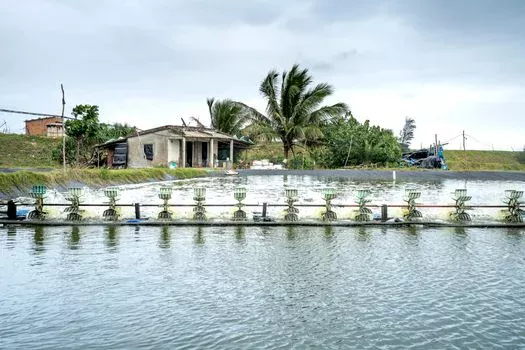
CAPEX by Technology and Capacity in Sulawesi (2025)
| Technology | Capacity Range (m³/h) | CAPEX Range ($) | Effluent Quality (BOD/TSS) | Footprint (m²) | Best For (Industry/Use Case) |
|---|---|---|---|---|---|
| Conventional Activated Sludge (A/O) | 10–100 | $0.5M–$3M | <50 mg/L / <100 mg/L | Large | General industrial, Class II municipal |
| MBR (Membrane Bioreactor) | 10–200 | $1M–$8M | <30 mg/L / <10 mg/L | Small | Class I municipal, tourism, industrial reuse |
| DAF Pre-Treatment (Dissolved Air Flotation) | 4–300 | $0.2M–$1M | TSS <50 mg/L, Oil & Grease <10 mg/L | Medium | High-TSS/Oil industrial (palm oil, food processing) |
| Underground Package (WSZ Series) | 1–80 | $80K–$600K | <30 mg/L / <30 mg/L | Minimal (subsurface) | Small hotels, hospitals, rural communities, remote sites |
| Hybrid DAF-RO | 50–300 | $2M–$12M | Reuse-quality (TDS <500 mg/L) | Medium-Large | High-TDS industrial, water reuse, sensitive discharge |
OPEX in Sulawesi: Cost Drivers and Industry-Specific Benchmarks
Operational Expenditure (OPEX) for wastewater treatment in Sulawesi is primarily driven by energy, chemicals, labor, maintenance, and sludge disposal, with costs varying significantly by technology and industry. Energy consumption constitutes 25–40% of total OPEX; MBR systems, while offering superior effluent quality, consume 0.8–1.2 kWh/m³ compared to 0.4–0.6 kWh/m³ for conventional activated sludge systems (per Top 3 scraped content), though MBR can reduce chemical costs by 20–30% due to enhanced filtration. Chemical costs, typically 20–35% of OPEX, are particularly high for palm oil mills, which spend $0.20–$0.40/m³ on coagulants and flocculants to treat influent with COD often exceeding 5,000 mg/L. Power plants, dealing with high TDS (>1,500 mg/L), allocate $0.10–$0.20/m³ for pH adjusters. Automated chemical dosing to optimize OPEX in Sulawesi’s high-salinity applications can significantly mitigate these costs.OPEX Breakdown by Technology and Industry in Sulawesi (2025)
| Cost Driver | % of OPEX (range) | Conventional Activated Sludge ($/m³) | MBR ($/m³) | DAF ($/m³) | Underground ($/m³) | Industry Notes |
|---|---|---|---|---|---|---|
| Energy | 25–40% | $0.12–$0.24 | $0.30–$0.48 | $0.08–$0.16 | $0.06–$0.12 | MBR higher due to membrane aeration; DAF for pump/compressor |
| Chemicals | 20–35% | $0.10–$0.21 | $0.08–$0.17 | $0.15–$0.30 | $0.05–$0.10 | High for palm oil (coagulants); DAF relies heavily on chemicals |
| Labor | 15–30% | $0.08–$0.18 | $0.09–$0.21 | $0.06–$0.12 | $0.00–$0.05 | Underground requires minimal to no operator; MBR needs skilled technicians |
| Maintenance | 10–20% | $0.05–$0.12 | $0.06–$0.14 | $0.04–$0.08 | $0.03–$0.06 | MBR has membrane cleaning/replacement; DAF for mechanical parts |
| Sludge Disposal | 8–15% | $0.04–$0.09 | $0.05–$0.11 | $0.03–$0.07 | $0.02–$0.05 | Sulawesi’s remote sites increase transportation costs by 20–40% |
Compliance Costs: Meeting GovReg 82/2001 and Minister of Environment Regulation No. 5/2014
How to Choose the Right Wastewater Treatment System for Sulawesi: A Decision Framework
Selecting the optimal wastewater treatment system for operations in Sulawesi requires a structured decision framework that considers effluent standards, flow rates, site constraints, budget, and industry-specific needs. This systematic approach ensures that the chosen technology is both compliant and economically viable.- Step 1: Define Effluent Standards and Flow Rate. Determine whether Class I (BOD <30 mg/L) or industrial standards (BOD <50 mg/L) apply, and establish the peak and average daily flow rates (m³/h or m³/day) to size the system correctly.
- Step 2: Assess Site Constraints. Evaluate available footprint, terrain (hilly vs. flat), and accessibility for construction and maintenance, especially for remote locations where civil works and installation costs can be significantly higher.
- Step 3: Compare CAPEX/OPEX Trade-offs. Analyze the balance between initial capital investment (CAPEX) and long-term operational costs (OPEX). For example, MBR systems have higher CAPEX but lower OPEX in terms of footprint and often chemical use, while conventional systems offer lower CAPEX but may incur higher OPEX for sludge disposal or larger land requirements.
- Step 4: Evaluate Industry-Specific Needs. Consider the unique characteristics of the wastewater. Palm oil mills, for instance, with high COD (5,000 mg/L), often benefit from DAF pre-treatment, while high-TDS applications in coastal areas may necessitate advanced reverse osmosis (RO) post-treatment.
- Step 5: Factor in Compliance Costs. Account for ongoing monitoring, chemical dosing for pH adjustment or disinfection, and potential labor costs associated with stringent regulatory requirements.
Decision Matrix: Wastewater Treatment System Selection for Sulawesi
| Industry/Application | Recommended Technology | CAPEX Range ($) | OPEX Range ($/m³) | Compliance Fit | Notes |
|---|---|---|---|---|---|
| Palm Oil Mill (50 m³/h, COD 5,000 mg/L) | Hybrid DAF + MBR | $2M–$4M | $0.80–$1.20 | Industrial (BOD <50 mg/L) | Effective for high organic loads, robust effluent quality. |
| Cocoa Processing (20 m³/h, moderate COD) | Conventional Activated Sludge (A/O) | $0.8M–$1.5M | $0.60–$0.90 | Industrial (BOD <50 mg/L) | Cost-effective for moderate loads, requires larger footprint. |
| Power Plant (100 m³/h, high TDS) | Biological + RO Post-Treatment | $3M–$7M | $0.70–$1.10 | Industrial (BOD <50 mg/L, TDS reduction) | Addresses high TDS and specific heavy metal removal. |
| Municipal (50 m³/h, Class II) | Conventional Activated Sludge (A/O) | $1M–$2.5M | $0.40–$0.70 | GovReg 82/2001 Class II | Standard solution, lower initial cost, larger footprint. |
| Tourism Zone Hotel (5 m³/h, Class I) | Underground Package (WSZ Series) | $150K–$300K | $0.40–$0.60 | GovReg 82/2001 Class I | Minimal footprint, low operator requirement, high effluent quality. |
Frequently Asked Questions
Q: What is the cheapest wastewater treatment option for a small hotel in Manado?
A: Underground package plants (WSZ Series) cost $80K–$200K for 1–10 m³/h capacity, offering a minimal footprint and meeting Class I standards (BOD <30 mg/L) with no dedicated operator required, making them ideal for small tourism facilities.
Q: How much does it cost to treat palm oil wastewater in Sulawesi?
A: Hybrid DAF + MBR systems for palm oil mills with a 50 m³/h flow rate typically cost $2M–$4M in CAPEX, with OPEX ranging from $0.80–$1.20/m³ due to the high Chemical Oxygen Demand (COD) of 5,000 mg/L, necessitating significant chemical and energy inputs.
Q: What are the OPEX costs for a municipal plant in Makassar?
A: Conventional activated sludge plants treating municipal wastewater in Makassar typically incur OPEX of $0.40–$0.70/m³. Energy (around 30%) and chemicals (around 25%) are the largest drivers of these operational costs.
Q: How does coastal salinity affect wastewater treatment costs in Sulawesi?
A: Coastal salinity, indicated by Total Dissolved Solids (TDS) exceeding 1,500 mg/L in areas like Makassar Bay, increases chemical costs by 15–25% to maintain the required pH 6–9. It may also necessitate advanced post-treatment like Reverse Osmosis (RO) with an additional CAPEX of $1M–$3M for water reuse or sensitive discharge.
Q: What are the compliance penalties for non-compliance in Sulawesi?
A: Penalties for non-compliance with wastewater discharge regulations in Sulawesi, as per Minister of Environment Regulation No. 5/2014, range from fines of IDR 50M–500M ($3K–$30K) for initial offenses, with repeat violations potentially leading to plant shutdowns and legal action.