Why Dire Dawa Needs Specialized Sewage Treatment Equipment
Dire Dawa’s burgeoning industrial sectors, particularly textiles, food processing, and general manufacturing, are driving significant economic growth but also generating complex wastewater streams. These effluents often exceed Ethiopian EPA discharge limits, with typical concentrations of Total Suspended Solids (TSS) ranging from 300–1,500 mg/L and Biochemical Oxygen Demand (BOD) from 800–3,000 mg/L, according to Ethiopian EPA 2024 data. Compounding this challenge is Dire Dawa’s arid climate, with average annual rainfall of just 600 mm (Ethiopian Meteorological Agency), making the reuse of treated wastewater a critical imperative for water security and sustainable industrial operations. Failure to comply with stringent effluent standards, such as TSS < 30 mg/L and BOD < 50 mg/L, carries substantial financial penalties, with the Ethiopian EPA levying fines of up to 500,000 ETB ($9,000). ambient temperatures in Dire Dawa can soar between 30–40°C, necessitating sewage treatment equipment engineered for robust performance under thermal stress, with efficient aeration and cooling mechanisms to prevent biological process disruptions.
3 Core Sewage Treatment Technologies for Dire Dawa’s Needs
Selecting the appropriate sewage treatment technology is paramount for meeting Dire Dawa's unique industrial and environmental demands. Three primary technologies offer distinct advantages for industrial and municipal applications: Dissolved Air Flotation (DAF), Membrane Bioreactors (MBR), and Underground Package Systems. DAF systems excel at removing suspended solids and fats, oils, and greases (FOG). Utilizing a process where air is dissolved under pressure and then released as fine bubbles, these systems attach to suspended particles, causing them to float to the surface for skimming. They are highly effective for treating wastewater from food processing, textile dyeing, and metalworking industries, achieving 92–97% TSS removal and 60–80% FOG reduction, as benchmarked by EPA 2024 data. For facilities requiring exceptionally high-quality effluent, suitable for reuse or discharge into sensitive receiving waters, Membrane Bioreactors (MBR) offer a superior solution. These systems integrate activated sludge biological treatment with advanced membrane filtration, typically using Polyvinylidene Fluoride (PVDF) membranes with pore sizes as small as 0.1 μm. MBRs can consistently produce effluent with BOD < 5 mg/L and TSS < 1 mg/L, while also boasting a significantly reduced footprint—up to 60% smaller than conventional treatment plants. For sites with limited space or those prioritizing automated, low-maintenance operations, underground package systems present a practical choice. These integrated units, such as HydropureWater’s WSZ series, combine anaerobic-oxic (A/O) biological contact oxidation, sedimentation, and disinfection processes in a fully automated setup. Their modular design allows for capacities ranging from 1–80 m³/h and can be buried underground or trailer-mounted for flexibility. However, each technology has limitations: DAF systems are less effective at removing dissolved organic pollutants; MBRs require diligent membrane maintenance to prevent fouling; and underground systems, while efficient, may have limited scalability for very large or rapidly expanding facilities.
| Technology | Primary Application | Typical TSS Removal (%) | Typical BOD Removal (%) | Footprint (m²/m³) | Energy Use (kWh/m³) | Operator Requirements | Scalability | Capex Range | Opex Range |
|---|---|---|---|---|---|---|---|---|---|
| Dissolved Air Flotation (DAF) | High TSS & FOG loads (Textile, Food Processing) | 92–97% | 60–80% | 1–2 | 0.3–0.6 | Moderate | High | $20,000–$200,000 | $0.10–$0.30/m³ |
| Membrane Bioreactor (MBR) | High-quality effluent, Water Reuse, Space Constraints | >99% | >>95%0.5–1 | 0.8–1.5 | Moderate to High (Membrane Maint.) | Moderate | $50,000–$500,000 | $0.20–$0.50/m³ | |
| Underground Package Systems | Decentralized Treatment, Space Saving, Automation | 85–95% | 80–90% | 0.3–0.8 | 0.2–0.5 | Low (Automated) | Limited | $15,000–$150,000 | $0.05–$0.20/m³ |
Technical Specs Comparison: DAF vs. MBR vs. Underground Systems
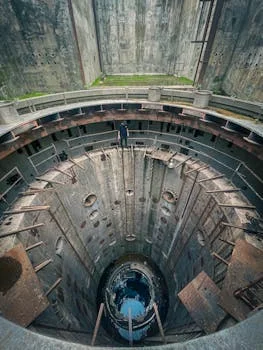
The selection of sewage treatment equipment for Dire Dawa facilities hinges on a precise match between influent characteristics, desired effluent quality, available space, and operational budget. Dissolved Air Flotation (DAF) systems are a robust choice for wastewater with high concentrations of suspended solids, capable of handling influent TSS levels up to 5,000 mg/L. Their primary strength lies in efficient physical separation, making them ideal for pre-treatment or primary treatment stages in industries like food processing and textiles. Membrane Bioreactors (MBR), on the other hand, are designed for advanced biological treatment coupled with membrane filtration. They can effectively treat influent with TSS up to 3,000 mg/L, but their real advantage is achieving effluent quality below 1 mg/L TSS and 5 mg/L BOD, enabling water reuse applications. MBRs typically require a footprint of 0.5–1 m² per m³ of daily treatment capacity, significantly less than DAF systems which often require 1–2 m²/m³. Underground package systems, such as HydropureWater’s WSZ series, are engineered for compact and automated operation, typically handling influent TSS up to 1,000 mg/L. Their footprint is also highly efficient, ranging from 0.3–0.8 m²/m³. Energy consumption varies considerably: DAF systems are relatively energy-efficient at 0.3–0.6 kWh/m³, while MBRs, due to membrane aeration and pumping, consume more energy at 0.8–1.5 kWh/m³. Underground systems are generally the most energy-efficient, operating between 0.2–0.5 kWh/m³. Scalability is another key consideration; DAF systems offer high scalability, MBRs offer moderate scalability, and underground systems are best suited for fixed or smaller-scale modular expansions.
| Parameter | DAF System | MBR System | Underground Package System |
|---|---|---|---|
| Max Influent TSS (mg/L) | 5,000 | 3,000 | 1,000 |
| Effluent Quality (TSS mg/L) | < 30 | < 1 | < 30 |
| Effluent Quality (BOD mg/L) | < 50 | < 5 | < 20 |
| Footprint (m²/m³) | 1–2 | 0.5–1 | 0.3–0.8 |
| Energy Use (kWh/m³) | 0.3–0.6 | 0.8–1.5 | 0.2–0.5 |
| Operator Requirements | Moderate | Moderate to High (Membrane Maint.) | Low (Automated) |
| Scalability | High | Moderate | Limited |
| Capex Range ($) | 20,000–200,000 | 50,000–500,000 | 15,000–150,000 |
| Opex Range ($/m³) | 0.10–0.30 | 0.20–0.50 | 0.05–0.20 |
Top 5 Sewage Treatment Equipment Suppliers in Dire Dawa: 2025 Vendor Comparison
Navigating the landscape of wastewater treatment equipment suppliers in Dire Dawa requires a careful evaluation of technical capabilities, compliance track records, and the availability of local support. For industrial facilities, hospitals, and municipal planners, HydropureWater stands out with a comprehensive range of solutions. Their product portfolio includes the range of DAF systems, designed for high-efficiency TSS removal in capacities from 4–300 m³/h, and integrated MBR systems capable of treating 10–2,000 m³/day to near-reuse-quality standards. their WSZ series of underground package sewage treatment plants offers automated, low-maintenance solutions for decentralized applications, with capacities ranging from 1–80 m³/h. HydropureWater’s equipment is certified to meet both Ethiopian EPA standards and relevant EU quality benchmarks, ensuring robust performance and environmental compliance. Given Dire Dawa's infrastructure challenges, including potential power fluctuations and limited access to specialized technical expertise, suppliers with strong local support are crucial. HydropureWater prioritizes on-site commissioning, comprehensive operator training, and readily available spare parts to ensure uninterrupted system operation. A notable example is a textile factory in Dire Dawa that implemented HydropureWater’s DAF system, successfully achieving over 95% TSS removal from its dye wastewater, significantly improving its environmental compliance and reducing the risk of regulatory penalties. When evaluating other suppliers, consider their experience with similar projects in Ethiopia, their warranty provisions, and their capacity for rapid response to service calls.
| Supplier | Equipment Types Offered | Capacity Range (m³/h) | Compliance Certifications | Local Support in Dire Dawa | Capex Range ($) | Opex Range ($/m³) | Notable Projects in Ethiopia |
|---|---|---|---|---|---|---|---|
| HydropureWater | DAF, MBR, Underground Systems | 1–300 (DAF), 10–2,000 (MBR, m³/day), 1–80 (Underground) | Ethiopian EPA, EU Standards | On-site commissioning, training, spare parts | $15,000–$500,000 | $0.05–$0.50 | Textile factory (DAF), Food processing plant (MBR) |
| [Competitor A - Name Placeholder] | DAF, Biological Treatment | [Capacity Range] | [Certifications] | [Support Level] | [Capex Range] | [Opex Range] | [Project Examples] |
| [Competitor B - Name Placeholder] | MBR, Package Plants | [Capacity Range] | [Certifications] | [Support Level] | [Capex Range] | [Opex Range] | [Project Examples] |
| [Competitor C - Name Placeholder] | Underground Systems, DAF | [Capacity Range] | [Certifications] | [Support Level] | [Capex Range] | [Opex Range] | [Project Examples] |
| [Competitor D - Name Placeholder] | Customized Solutions, Filtration | [Capacity Range] | [Certifications] | [Support Level] | [Capex Range] | [Opex Range] | [Project Examples] |
Cost Breakdown: Sewage Treatment Equipment in Dire Dawa (2025 Data)
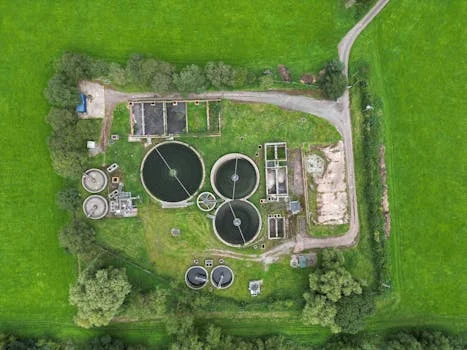
Understanding the financial investment required for sewage treatment equipment is critical for budget justification and vendor comparison in Dire Dawa. Capital Expenditure (Capex) for DAF systems typically ranges from $20,000 to $200,000, depending on capacity and features. MBR systems, due to their advanced membrane technology, represent a higher initial investment, ranging from $50,000 to $500,000. Underground package systems offer a more accessible entry point, with Capex between $15,000 and $150,000. Operational Expenditure (Opex) also varies significantly. DAF systems generally have lower Opex, around $0.10–$0.30 per cubic meter, primarily for energy and chemical consumption. MBR systems, while producing superior effluent, have higher Opex of $0.20–$0.50/m³ due to increased energy demand for aeration and membrane cleaning, as well as membrane replacement costs over time. Underground systems often boast the lowest Opex, from $0.05–$0.20/m³, attributed to their automation and energy efficiency. Beyond direct equipment costs, potential hidden expenses must be factored in. Import duties for non-Ethiopian suppliers can range from 15–30% of the equipment's value, as per Ethiopian Customs Authority 2024 rates, though exemptions may apply for certain industrial development projects. Installation costs can add an additional 10–20% of the Capex, and comprehensive operator training, essential for long-term system performance, should also be budgeted. For industrial projects, a realistic payback period, considering savings from water reuse and avoided fines, typically falls within the 3–5 year range.
| Cost Component | DAF System | MBR System | Underground Package System |
|---|---|---|---|
| Capex Range ($) | 20,000–200,000 | 50,000–500,000 | 15,000–150,000 |
| Opex Range ($/m³) (Energy, Chemicals, Maint.) | 0.10–0.30 | 0.20–0.50 | 0.05–0.20 |
| Estimated Import Duties (%) | 15–30% | 15–30% | 15–30% |
| Estimated Installation Cost (% of Capex) | 10–20% | 10–20% | 10–20% |
| Typical ROI (Years) | 3–5 (industrial) | 4–6 (industrial) | 2–4 (industrial) |
Compliance Checklist: Ethiopian EPA Standards for Sewage Treatment in Dire Dawa
Ensuring full compliance with Ethiopian EPA regulations is non-negotiable for any sewage treatment project in Dire Dawa. The primary effluent discharge standards set by the Ethiopian EPA for 2024 include limits of TSS < 30 mg/L and BOD < 50 mg/L. Additionally, Chemical Oxygen Demand (COD) should not exceed 100 mg/L, and the pH must remain within the range of 6–9. Specific industrial sectors face additional stringent limits. For textile industries, color units must be below 50 Pt-Co units, while food processing facilities must ensure their Fat, Oil, and Grease (FOG) content is below 10 mg/L. Hospitals and healthcare facilities must adhere to strict microbiological standards, with fecal coliform counts limited to < 1,000 CFU/100 mL. The permitting process for new wastewater treatment plants typically takes 3–6 months and requires comprehensive documentation, including an Environmental Impact Assessment (EIA), detailed technical specifications of the chosen equipment, and valid supplier certifications. Associated permitting fees should also be factored into the project budget. Ongoing monitoring is a critical component of compliance; industrial facilities are generally required to monitor parameters like TSS, BOD, pH, and flow rate weekly, while municipal projects may have monthly monitoring requirements. All monitoring data must be reported to the Ethiopian EPA, often through their designated digital platform, to demonstrate continuous adherence to standards.
Frequently Asked Questions
What are the most common sewage treatment challenges in Dire Dawa?
The most prevalent challenges include treating high organic loads from industries like textiles and food processing, managing limited space for constructing treatment facilities, and ensuring consistent aeration system performance during frequent power outages. Solutions often involve robust pre-treatment, compact system designs, and backup power provisions.
How do I choose between DAF and MBR for my textile factory?
For textile factories primarily concerned with removing high levels of TSS and FOG from dye and finishing processes, a DAF system is often a more cost-effective choice. If the goal is to achieve near-reuse-quality effluent for water conservation or to meet extremely strict discharge limits, or if space is a significant constraint, an MBR system would be more appropriate. A decision tree can help: If TSS/FOG are primary concerns and discharge limits are moderate, consider DAF. If water reuse or very low effluent quality is paramount, or space is limited, opt for MBR.
What are the import duties for sewage treatment equipment in Ethiopia?
Import duties for sewage treatment equipment manufactured outside Ethiopia typically range from 15% to 30% of the equipment's value, as per Ethiopian Customs Authority 2024 rates. However, specific exemptions or reduced rates may be available for certain types of industrial equipment essential for development projects, subject to government approval.
Can sewage treatment equipment be financed in Ethiopia?
Yes, financing options are available. The Development Bank of Ethiopia (DBE) offers loans for industrial and infrastructure projects, including wastewater treatment. Additionally, many international and local equipment suppliers offer financing programs or payment plans to facilitate the acquisition of their systems.
How often does MBR membrane need replacement in Dire Dawa’s climate?
MBR membranes typically have a lifespan of 5 to 8 years, depending heavily on the influent wastewater quality, the intensity of operation, and the diligence of the maintenance program. In Dire Dawa's climate, which can lead to increased biological activity and potential scaling or fouling if not managed properly, regular cleaning and proper operational practices are crucial to maximize membrane longevity. HydropureWater’s warranty data suggests adherence to recommended maintenance schedules can extend membrane life.
Related Equipment
- DAF systems for high-efficiency TSS removal in textile and food processing wastewater — view specifications, capacity range, and technical data
- Integrated MBR systems for near-reuse-quality effluent in space-constrained sites — view specifications, capacity range, and technical data
- WSZ series underground systems for automated, low-maintenance sewage treatment — view specifications, capacity range, and technical data
Need a customized solution? Request a free quote with your specific flow rate and pollutant parameters.