Industrial wastewater treatment plant cost in Odisha spans ₹50 lakh to ₹50 crore in CAPEX, with OPEX of ₹5–₹15 per kilolitre, while OPCB's 2026 effluent norms cap discharge at COD 250 mg/L and BOD 30 mg/L. Non-compliance penalties now reach ₹5 crore.
What Does an Industrial Wastewater Treatment Plant Cost in Odisha in 2026?
A 10–100 KL/day plant needs ₹50 lakh–₹2 crore; a 100–1,000 KL/day unit needs ₹2–₹20 crore; capacities of 1,000–10,000 KL/day run ₹20–₹50 crore. Operating cost lands at ₹5–₹15 per kilolitre. Consent fees add ₹50,000–₹5 lakh, and mandatory online monitoring adds ₹10–₹50 lakh up front.
Decentralized plants of 1–100 KL/day work out to ₹25K–₹30K per KL/day of installed capacity on projects we have scoped in the state. Municipal-scale benchmarks sit far higher — the 48 MLD OWSSB plant represents roughly ₹6.21 Cr/MLD of invested capital. Energy dominates operating budgets at 40–60% of OPEX and sludge disposal follows at 20–30%, so aeration efficiency moves total cost of ownership faster than any equipment discount.
- Capacity band: 10–100, 100–1,000 or 1,000–10,000 KL/day fixes the CAPEX bracket before any technology choice.
- Effluent strength: COD of 800–2,500 mg/L (textile) versus 1,000–5,000 mg/L (dairy) sizes the biology more than flow does.
- Discharge mode: inland surface water, public sewer or land irrigation, each with its own Schedule VI limit set.
- Reuse target: cooling-tower or irrigation reuse is what justifies MBR or RO tertiary stages.
- Sludge route: hazardous sludge at ₹2–₹5/kg can outrank energy as the controllable OPEX line.
- Monitoring scope: online meters at ₹5–₹20 lakh per unit and portal integration belong in the base budget.
Why OPCB's 2025–2026 Enforcement Drive Raised the Cost of Non-Compliance
OPCB's 2025–2026 enforcement drive targets more than 500 non-compliant industries, with penalties up to ₹5 crore or immediate plant shutdowns under its 2024 circular. Board monitoring data shows the Mahanadi and Brahmani rivers consistently exceeding Class B water quality standards at Bhubaneswar, Cuttack and Sambalpur. Unchecked industrial effluent discharge is the documented driver behind those exceedances, and the Board's proactive stance is a direct response to it.
The fine ledger is already open. A Rourkela textile factory was fined ₹1.2 crore in 2023 for COD violations four times the OPCB limit, then absorbed emergency-upgrade costs and production disruptions on top. OSPCB is statutorily empowered to lay down, modify or annul effluent standards for sewage and trade effluents (OSPCB), so discharge limits track river health rather than plant budgets. Penalty exposure at that scale turns an ETP from a cost center into an insurance policy.
The discharge baseline is national, not state-specific. For discharge into inland surface waters it caps BOD at 30 mg/L (3-day, 27 degC test), COD at 250 mg/L and TSS at 100 mg/L (CPCB). Industry-specific notifications tighten individual parameters from that baseline, and OPCB consent orders quote the tighter figure where one exists.
What Is in Your Plant's Effluent? Sector Profiles for Odisha's Main Industries
Textile mills in Odisha typically discharge COD of 800–2,500 mg/L, BOD of 300–800 mg/L and TSS of 200–500 mg/L, with pH between 9 and 12. Color from dyeing and finishing routinely exceeds 500 Pt-Co units. Generic industrial wastewater treatment guides explain the unit processes well, but they rarely cover OPCB consent mechanics or rupee-denominated budgets — both decisive in this state.
Steel plants present the opposite profile. Pickling operations drop effluent pH to 1.5–3 and load it with chromium at 5–50 mg/L, TSS at 1,000–3,000 mg/L and oil and grease at 100–500 mg/L, as OPCB's 2025 guidelines stipulate. Food processing units, especially dairy and meat, push BOD to 1,000–5,000 mg/L, TSS to 500–2,000 mg/L, fats, oils and grease to 200–1,000 mg/L and nitrogenous compounds to 50–200 mg/L.
Chemical factories span the widest envelope of all. Effluent pH can swing across 2–11, carry heavy metals such as lead and cadmium, include VOCs like benzene and toluene, and run TDS above 2,000 mg/L. Influent variability — driven by production cycles, batch schedules or seasonal changes — is what actually breaks undersized plants. Equalization tanks sized for 12–24 hours of retention buffer those swings and feed downstream treatment at a steady rate; in our audits, that is the first tank most Odisha textile ETPs get wrong.
| Industry Type | Typical COD (mg/L) | Typical BOD (mg/L) | Typical TSS (mg/L) | Typical pH | Key Pollutants |
|---|---|---|---|---|---|
| Textile Mills | 800–2,500 | 300–800 | 200–500 | 9–12 | Dyes, Color, High Organic Load |
| Steel Plants | N/A (low organic) | N/A (low organic) | 1,000–3,000 | 1.5–3 | Acids, Chromium, Oil & Grease, TSS |
| Food Processing (Dairy/Meat) | 1,000–5,000 | 1,000–5,000 | 500–2,000 | 6–8 | High Organic Load, FOG, Nitrogen |
| Chemical Factories | Variable (High) | Variable (High) | Variable | 2–11 | Heavy Metals, VOCs, Salinity, Hazardous Compounds |
DAF vs. MBR vs. Chemical Precipitation: Choosing the Right Treatment Train
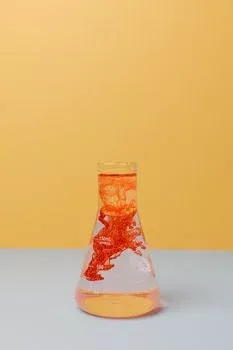
Dissolved Air Flotation (DAF) systems remove 92–97% of TSS at an OPEX of ₹4–₹8/KL, which makes them the default primary step for food processing and steel effluent. Micro-bubbles attach to suspended solids and float them to the surface for skimming. Membrane bioreactors (MBR) take the high-organic streams from textile mills and dairies instead, delivering 95%+ BOD removal and near-reuse-quality effluent through membrane filtration at <1 μm.
That membrane performance costs roughly 2.5 times conventional activated sludge — ₹12–15 Cr/MLD against ₹5–7 Cr/MLD for ASP — but the compact footprint pays for itself where land runs ₹1–₹3 crore per acre. Chemical precipitation stays indispensable for heavy metals, achieving 99% chromium removal from steel effluent. The hazardous sludge it generates costs ₹2–₹5/kg to dispose, the process's main drawback.
Anaerobic digestion fits very high BOD streams and can cut OPEX by up to 30% through biogas recovery, in exchange for 20–30 days of retention and robust odor control. Hybrid trains dominate real projects in the state. Textile mills pair DAF with MBR to attack TSS and COD together; steel plants integrate chemical precipitation with DAF to handle metals and solids in one pass.
Selection order matters as much as the technologies themselves: solids and oil come out first, metals second, dissolved organics third, color last. Each stage protects the one behind it, and skipping a stage usually surfaces as chemical overconsumption downstream. Match the train to the effluent profile before opening a budget sheet:
- High TSS (food processing, steel): prioritize DAF systems for primary solids removal.
- High BOD/COD (textile, food processing): MBR systems offer advanced organic removal; consider anaerobic digestion for very high BOD streams to cut OPEX.
- Heavy metals (steel pickling): chemical precipitation is essential for compliance.
- Color removal (textile): advanced oxidation processes or specialized chemical treatments, on top of biological treatment.
The DAF system for high-TSS industrial effluents and the Integrated MBR system for high-BOD textile and dairy effluents cover both ends of that decision tree.
| Technology | Primary Application | Typical Pollutant Removal | Estimated CAPEX (relative) | Estimated OPEX (₹/KL) | Key Considerations |
|---|---|---|---|---|---|
| DAF | High TSS (Food, Steel) | 92–97% TSS | Medium | 4–8 | Effective for floatable solids |
| MBR | High BOD/COD (Textile, Dairy) | 95%+ BOD/COD | High (2.5x ASP) | 8–12 | Near-reuse quality, small footprint |
| Chemical Precipitation | Heavy Metals (Steel), Color | 99% Chromium | Low to Medium | 2–5 (plus sludge disposal) | Generates hazardous sludge |
| Anaerobic Digestion | Very High BOD (Food, Starch) | High BOD reduction | High | 2–4 (energy recovery potential) | Long retention time, odor control |
What Makes an OPCB Compliant ETP Design for Textile Industry Mills?
An OPCB compliant ETP design for textile industry effluent rests on four elements. Equalization holds 12–24 hours; DAF or chemical pretreatment follows; biology is rated for COD of 800–2,500 mg/L; polishing reaches color below 50 Pt-Co units. Polyaluminium chloride (PAC) coagulation ahead of the biology typically carries the color load. Mills with lower organic loads often skip the membrane step entirely — DAF plus chemical precipitation can meet the limits at up to 30% lower cost.
Consent language then shapes the hardware. OPCB consent conditions reference the Schedule VI baseline — BOD 30 mg/L, COD 250 mg/L, TSS 100 mg/L for inland surface water discharge (CPCB) — and layer sector-specific notes on top. Build the data pipeline from day one, because the 3–6 month trial run demands daily COD, BOD, pH, TSS and heavy metals panels as its evidence trail. Equalization data from the first weeks of operation also sets the dosing baseline for the PAC stage.
- Equalization: 12–24 h retention, mixed, with level instrumentation tied to the feed pumps.
- Pretreatment: DAF for TSS and FOG, with screening ahead of it for lint and fibers.
- Biology: MBR where reuse-grade effluent is required; conventional ASP where reuse is not on the table.
- Color polishing: PAC dosing, with advanced oxidation reserved for stubborn dye batches.
- Sludge handling: thickening and dewatering sized for the chemical sludge the pretreatment generates.
- Monitoring: online pH and COD meters reporting to OPCB's portal, calibrated on a logged schedule.
What Is the Chemical Precipitation Cost for Chromium Removal India Plants Pay?
Chemical precipitation for chromium runs at ₹2–₹5 per kilolitre in OPEX terms, plus hazardous sludge disposal at ₹2–₹5/kg, and it removes up to 99% of chromium from steel pickling streams. Hexavalent chromium must first be reduced to its trivalent form, because only the reduced species precipitates and settles reliably. pH correction precedes both steps, since the precipitation chemistry only works in a narrow alkaline window — which makes dosing control as decisive as reagent choice.
The limits behind that chemistry are strict. Schedule VI caps hexavalent chromium at 0.1 mg/L and total chromium at 2.0 mg/L for discharge into inland surface waters (CPCB). Most steel plants we size for design against the 0.1 mg/L hexavalent figure, because consent orders quote it directly. Budget the captured sludge as hazardous waste from day one — transport and disposal gate fees, not reagents, dominate the lifecycle cost of chromium removal.
How Much Will an Odisha ETP Really Cost? CAPEX and OPEX Breakdown
CAPEX for an Odisha ETP scales from ₹50 lakh–₹2 crore at 10–100 KL/day, through ₹2–₹20 crore at 100–1,000 KL/day, up to ₹20–₹50 crore at 1,000–10,000 KL/day for large industrial complexes. OPEX follows a stable split across that entire range. Energy takes 40–60% of it (₹2–₹6/KL), sludge disposal 20–30% (₹1–₹4/KL), chemicals 10–20% (₹0.5–₹2/KL) and labor 5–10% (₹0.25–₹1/KL).
Tertiary treatment with MBR or reverse osmosis adds 15–20% to initial CAPEX and typically returns 10–15% OPEX savings through water reuse. Cooling towers, irrigation and general plant cleaning all run on the treated water, cutting fresh-water reliance and discharge volumes at once. Hidden line items sink more budgets than the process train does. Land in Bhubaneswar's prime industrial areas runs ₹1–₹3 crore per acre. CTO and NOC fees from OPCB run ₹50,000–₹5 lakh, and the mandatory real-time monitoring systems that submit data directly to the Board add ₹10–₹50 lakh. Procurement teams that budget only the equipment ticket miss these line items entirely.
| Cost Component | Typical Range (₹/KL) | Percentage of OPEX | Notes |
|---|---|---|---|
| Energy | 2–6 | 40–60% | Aeration, pumping, control systems |
| Sludge Disposal | 1–4 | 20–30% | Transport and treatment of solid waste |
| Chemicals | 0.5–2 | 10–20% | Coagulants, flocculants, pH adjusters |
| Labor | 0.25–1 | 5–10% | Operators, maintenance staff |
OPCB Consent, Step by Step: CTE, Trial Run, CTO and Audit Readiness
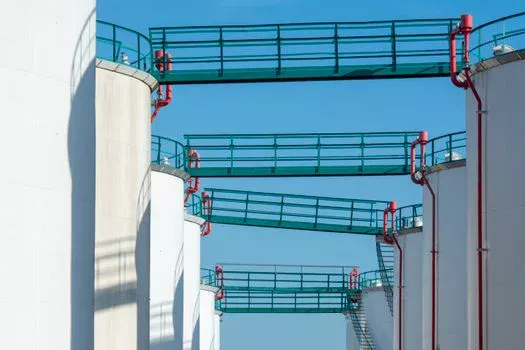
OPCB consent proceeds in four steps: Consent to Establish on Form IV (new plants) or Form V (expansions), a site inspection, a 3–6 month trial run, and the final Consent to Operate valid for five years. The CTE application carries the full ETP design dossier — process flow diagram, equipment specifications, expected influent characteristics and projected effluent quality. Reviewers reject weak dossiers, not inexpensive ones.
Rejections cluster around four gaps: equalization tanks undersized for influent variability, insufficient chemical dosing capacity, improper sludge handling facilities, and no real-time monitoring in the plan. The site inspection exists to verify the proposed design against the physical infrastructure. During the trial run, daily testing of COD, BOD, pH, TSS and heavy metals is mandatory, with acceptable variance of roughly ±10% of the stipulated norms. Plan the reporting format before commissioning, because reconstructed data rarely satisfies the Board's assessors.
Once granted, the CTO renews through annual audits. Effluent exceedances, public complaints or significant process changes trigger unscheduled inspections. Online COD/BOD/pH meters at ₹5–₹20 lakh per unit now log straight into OPCB's cloud-based portal, so data gaps are visible to the Board in real time. Maintain a compliance logbook covering operating parameters, maintenance activity and chemical usage. Quarterly internal audits — equipment calibration, operator training effectiveness, sludge disposal records — close the loop. A PLC-controlled chemical dosing system for pH adjustment and coagulation and an on-site ClO₂ generator for tertiary disinfection are the two upgrades that most often pull a marginal plant back inside its consent limits.
Case Study: A Bhubaneswar Textile Mill Reached Compliance With a ₹3.2 Crore ETP
A medium-sized Bhubaneswar textile mill cleared a ₹1.5 crore penalty exposure with a ₹3.2 crore DAF plus MBR upgrade, cutting COD from 1,200 mg/L to below 200 mg/L. Its existing treatment system had failed OPCB discharge norms consistently, and raw effluent ran at COD 1,200 mg/L with a color index of 800 Pt-Co units. The upgrade combined the two units into a single train with PAC dosing for color.
The DAF unit removed suspended solids and oil and grease; the MBR handled the dissolved organic load with over 95% BOD reduction; polyaluminium chloride dosing polished out color. Steady-state effluent held at COD below 200 mg/L, BOD below 25 mg/L and color below 50 Pt-Co units — inside OPCB standards with over 95% compliance across audits. OPEX stabilized at ₹6.8/KL, split across energy ₹3.2/KL, chemicals ₹1.5/KL and sludge disposal ₹1.1/KL.
Avoided fines of ₹1.5 crore per year plus treated-water reuse savings estimated at ₹20 lakhs per day for non-potable applications put payback near 4.5 years. The project's lesson sits in the equalization tank: initially undersized, it caused effluent variability until retention was extended to 24 hours and real-time pH adjustment was added. Every downstream stage stabilized immediately after. The DAF system for high-TSS industrial effluents and the Integrated MBR system for high-BOD textile and dairy effluents proved instrumental in that turnaround.
Next Step: Scoping Your Odisha ETP Budget
Industrial wastewater treatment plant cost in Odisha resolves fastest when scoping starts from data rather than catalogs. A single influent panel — COD, BOD, TSS, pH, plus metals where relevant — and a target capacity anchor both the process selection and the budget. EPC teams running parallel projects abroad can pair this guide with the EU Urban Wastewater Treatment Directive: Compliance, Deadlines & Tech for European timelines. The Ajman Industrial Effluent Guide: 2026 Specs and Compliance covers UAE effluent practice for Gulf-linked supply chains.
Send the panel through the inquiry page with your flow rate and discharge mode, and the engineering team will return a budgetary CAPEX/OPEX split with a draft treatment train. Plants under active OPCB notice should say so up front. Sequencing the consent response ahead of equipment delivery changes the schedule, not just the paperwork.
Frequently Asked Questions
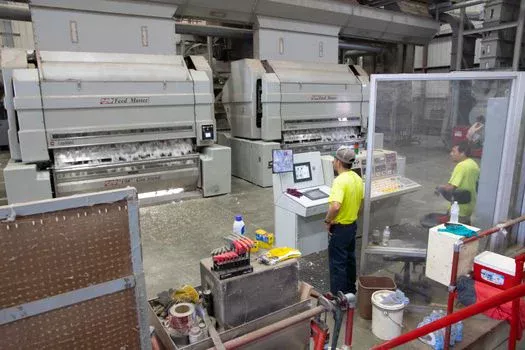
What are the OPCB effluent standards for industrial wastewater in Odisha in 2026?
The core OPCB effluent limits are COD below 250 mg/L, BOD below 30 mg/L, TSS below 100 mg/L and pH within 6.5–8.5. These mirror the Schedule VI general standards of the Environment (Protection) Rules, 1986 for inland surface waters (CPCB). Industry-specific conditions tighten individual parameters — steel plants face a chromium limit of 0.1 mg/L, matching the hexavalent cap, with total chromium at 2.0 mg/L.
How much does an industrial ETP cost in Odisha?
An industrial ETP in Odisha costs from roughly ₹50 lakhs for a small 10 KL/day textile plant to ₹50 crores for a large 10,000 KL/day steel complex. OPEX averages ₹5–₹15 per kilolitre treated. Energy at 40–60% and sludge disposal at 20–30% dominate the operating bill, so aeration efficiency and sludge strategy move lifetime cost more than the tender price does.
Which treatment technology is best for textile wastewater in Odisha?
MBR systems are the strongest single fit for textile wastewater, delivering over 95% COD removal and meeting OPCB's color discharge limits. Mills with lower organic loads can save up to 30% with a DAF plus chemical precipitation train instead. Dye chemistry decides the polishing step — advanced oxidation or specialized chemical treatment closes residual color where biology alone cannot.
What documents are required for OPCB consent in Odisha?
OPCB consent requires the CTE or CTO application forms — Form IV for new plants, Form V for expansions — plus a detailed ETP design dossier with process flow diagrams and equipment specifications. Larger projects add an Environmental Impact Assessment report. A real-time monitoring plan, with online meters feeding OPCB's portal, completes the set.
How can I reduce OPEX for my Odisha ETP?
Cut OPEX in three places: aeration, sludge and water purchase. VFD-controlled blowers match air supply to actual demand and trim the largest energy line. Anaerobic digestion on high-BOD streams recovers biogas for energy generation. Maximizing treated-water reuse for cooling towers or irrigation then cuts fresh-water procurement costs and reduces effluent discharge volumes in one move.