Why Hospital Wastewater in Sydney Needs Specialized Treatment
Hospital wastewater in Sydney requires specialized treatment to meet NSW Health’s strict pathogen and pharmaceutical residue limits. The Medical Wastewater Treatment System, for example, achieves 99%+ disinfection efficacy using ozone (no chemical dosing) and complies with the Australian Guidelines for Water Recycling 2006. With Sydney Water’s Malabar plant treating 1.5 billion litres/day, hospitals must prioritize systems that handle high BOD (200–600 mg/L), COD (400–1,200 mg/L), and fecal coliforms (10^6–10^9 CFU/100 mL) to avoid penalties and public health risks.
Hospital effluent contains 10–100× higher pathogen loads, including Pseudomonas, Legionella, and enteric viruses, compared to standard municipal sewage (NSW Health 2024 data). While municipal systems are designed for general organic breakdown, hospital-scale wastewater must address a complex cocktail of antibiotics, chemotherapy drugs, and radionuclides that standard biological processes often fail to neutralize. Without advanced oxidation or membrane filtration, these pharmaceutical residues pass through secondary treatment, contributing to the rise of antibiotic-resistant bacteria in local Sydney waterways.
Sydney Water’s 2023 trade waste audit revealed that 18% of surveyed healthcare facilities failed microbial discharge limits, leading to immediate NSW EPA enforcement actions. For facility managers, the risks extend beyond environmental impact; the public health liability of discharging untreated effluent into the Sydney sewer network is substantial. The 2022 upgrade at Westmead Hospital serves as a benchmark for the region, where a transition to localized, high-efficacy disinfection was required to manage the increased load from infectious disease wards. Comparing these requirements with global benchmarks for hospital wastewater treatment highlights the rigorous nature of the NSW regulatory environment.
| Parameter | Municipal Wastewater (Typical) | Hospital Wastewater (Sydney Avg) | Health Risk Factor |
|---|---|---|---|
| Fecal Coliforms | 10^4 – 10^6 CFU/100 mL | 10^6 – 10^9 CFU/100 mL | High: Infectious disease transmission |
| BOD (Biological Oxygen Demand) | 150 – 250 mg/L | 200 – 600 mg/L | Medium: Oxygen depletion in receiving waters |
| Antibiotic Residues | Trace / Negligible | Significant (μg/L to mg/L) | Extreme: Antimicrobial resistance (AMR) |
| Specific Pathogens | General enteric bacteria | Legionella, S. aureus, VRE | High: Nosocomial infection risk |
Sydney’s Regulatory Framework for Hospital Wastewater: NSW Health, Sydney Water & Australian Standards
NSW Health’s Guideline for the Management of Wastewater from Healthcare Facilities (2025) mandates that all hospital effluent must achieve <10 CFU/100 mL fecal coliforms and maintain <1 mg/L chlorine residual before entering the public network. This dual requirement ensures that while pathogens are destroyed, the receiving sewer infrastructure is not damaged by excessive chemical dosing. Compliance is not merely a recommendation; it is a legal prerequisite for maintaining an operating license for healthcare facilities in the Greater Sydney area.
Sydney Water’s Trade Waste Policy (2024 update) further complicates the engineering requirements by setting strict pre-treatment thresholds. Hospitals are required to treat effluent to <500 mg/L BOD and <1,000 mg/L TSS (Total Suspended Solids) before discharge. For facilities considering water reuse for cooling towers or irrigation, the Australian Guidelines for Water Recycling 2006 (AGWR) establish stringent log-removal targets: 4-log for viruses, 3-log for protozoa, and 6-log for bacteria. Meeting these targets requires a multi-barrier approach, typically involving biological treatment followed by ultrafiltration and high-level disinfection.
The permitting process in Sydney is rigorous. Hospitals must submit a comprehensive Wastewater Management Plan to NSW Health at least 90 days before the installation of any new treatment system. This plan must detail the pathogen testing protocols and the fail-safe mechanisms integrated into the equipment. Failure to comply can result in fines ranging from $50,000 to $250,000 under the Protection of the Environment Operations Act 1997, as enforced by the NSW EPA (2024). Consequently, procurement teams must prioritize equipment that offers automated compliance monitoring and data logging.
| Regulatory Body | Key Regulation / Policy | Primary Compliance Target |
|---|---|---|
| NSW Health | Healthcare Wastewater Guidelines 2025 | <10 CFU/100 mL Fecal Coliforms |
| Sydney Water | Trade Waste Policy 2024 | <500 mg/L BOD; <1,000 mg/L TSS |
| NHMRC / NRMMC | AGWR 2006 | 6-log bacterial removal (for reuse) |
| NSW EPA | POEO Act 1997 | Zero unauthorized environmental discharge |
Engineering Specs for Hospital Wastewater Treatment Systems in Sydney
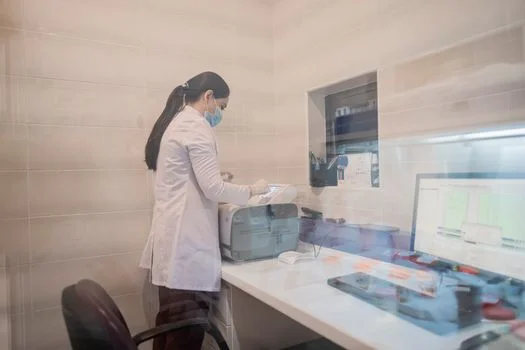
Typical hospital influent in Sydney presents a unique challenge for environmental engineers due to its high variability. Data from NSW Health (2024) indicates that influent concentrations often reach BOD levels of 600 mg/L and COD (Chemical Oxygen Demand) levels of 1,200 mg/L, particularly in large metropolitan hospitals with high patient turnover. To meet the 2025 effluent targets—<30 mg/L BOD and <30 mg/L TSS—systems must be designed with conservative loading rates and robust tertiary stages.
A compact hospital wastewater treatment system with ozone disinfection is often the preferred engineering choice for Sydney hospitals due to its small footprint and high efficacy against pharmaceutical residues. Key process parameters include a Hydraulic Retention Time (HRT) of 6–12 hours and a Sludge Retention Time (SRT) of 15–30 days. These parameters are essential for the biological degradation of complex organic molecules. a disinfection contact time of 30–60 minutes is required to ensure that even the most resilient pathogens are neutralized before discharge.
Critical contaminants found in Sydney hospital effluent include carbamazepine, ciprofloxacin, and mercury from older dental clinics. Tertiary treatment, such as the use of activated carbon or advanced membrane filtration, is necessary to achieve the AGWR log-removal targets. For hospitals with nuclear medicine departments, the system must also account for radionuclides with short half-lives, often requiring specialized holding tanks to allow for natural decay before the wastewater enters the primary treatment stream.
| Parameter | Influent (Sydney Hospital) | Required Effluent (Compliance) | Design Specification |
|---|---|---|---|
| BOD5 | 200 – 600 mg/L | <30 mg/L | HRT: 8 hours minimum |
| COD | 400 – 1,200 mg/L | <100 mg/L | F/M Ratio: 0.05 – 0.15 |
| TSS | 150 – 400 mg/L | <30 mg/L | Surface Loading Rate: <0.8 m/h |
| Fecal Coliforms | 10^6 – 10^9 CFU/100 mL | <10 CFU/100 mL | Contact Time: 45 min @ 5mg/L O3 |
| Chlorine Residual | N/A | <0.1 mg/L | De-chlorination stage if using Cl |
Technology Comparison: MBR vs. DAF vs. Chlorine Dioxide for Hospital Wastewater in Sydney
Selecting the appropriate technology requires a balance between capital expenditure (CapEx), operational costs (OPEX), and the specific effluent profile of the hospital. Membrane Bioreactor (MBR) technology is currently the gold standard for high-performance treatment. MBR systems for hospital wastewater reuse in space-constrained sites consistently achieve <10 mg/L BOD and 6-log bacterial removal. While the CapEx in the Sydney market for 2025 ranges from $1.2M to $2.5M, the ability to reuse water for non-potable applications often provides a long-term ROI. For a deeper look at the mechanics, engineers should review detailed MBR process engineering for hospital wastewater.
Dissolved Air Flotation (DAF) is typically employed as a pre-treatment step, particularly in hospitals with large commercial kitchens or aged care facilities where Fats, Oils, and Grease (FOG) are prevalent. A DAF system for high-FOG effluent can remove up to 95% of TSS and 80% of BOD, protecting downstream biological processes. However, DAF requires consistent chemical dosing (coagulants and flocculants), which increases the OPEX to approximately $0.50/m³.
For disinfection-focused retrofits, Sydney Water-pre-approved chlorine dioxide generators for hospital effluent offer a highly effective solution. Chlorine dioxide (ClO₂) is superior to standard chlorine as it does not form harmful trihalomethanes (THMs) and remains effective across a wide pH range. With a CapEx of $80K–$300K, ClO₂ generators provide 99.99% virus inactivation and maintain a residual disinfection effect in sewer lines, which is highly valued by Sydney Water for preventing biofilm growth in the public network. For facilities needing rapid deployment, containerized solutions for Sydney hospital retrofits can reduce installation time by 50%.
| Technology | BOD Removal | Pathogen Inactivation | Sydney CapEx (2025) | OPEX (per m³) |
|---|---|---|---|---|
| MBR | >98% | 6-log (Bacteria) | $1.2M – $2.5M | $2.50 – $3.00 |
| DAF | 60 – 80% | Low (Pre-treatment) | $150K – $450K | $0.50 – $0.80 |
| ClO₂ Generator | N/A (Disinfection) | 4-log (Virus) | $80K – $300K | $0.80 – $1.20 |
| Compact medical wastewater system (O3) | >90% (Integrated) | 99.99% | $120K – $500K | $1.00 – $1.50 |
Cost Breakdown: Hospital Wastewater Treatment Systems in Sydney (2025)
Budgeting for a hospital wastewater project in Sydney requires a comprehensive understanding of both the initial investment and the long-term lifecycle costs. For a mid-sized Sydney hospital (treating 500–1,000 m³/day), the CapEx for a fully compliant compact system starts at approximately $120,000. However, for large-scale facilities requiring full MBR integration for water recycling, costs can exceed $2.5 million. These figures include the core treatment equipment but often exclude site-specific civil works and integration with existing building management systems (BMS).
Operational expenses (OPEX) are driven by energy consumption, chemical consumables, and membrane replacement cycles. In the Sydney market, MBR systems typically incur costs of $1.50 to $3.00 per cubic metre, while chlorine dioxide systems are more economical at $0.80 to $2.50 per cubic metre. It is vital to account for "hidden" costs that are frequently overlooked during the procurement phase. These include NSW Health permitting fees ($15K–$50K), Sydney Water trade waste discharge fees ($0.30–$0.80/m³), and mandatory third-party microbial audits which can cost between $10,000 and $25,000 annually.
Financial incentives can significantly offset these costs. The NSW Government’s Wastewater Infrastructure Fund currently offers grants covering up to 30% of the cost for hospitals upgrading to AGWR-compliant recycling systems. Additionally, Sydney Water provides rebates ranging from $50,000 to $200,000 for facilities that successfully reduce their BOD discharge to below 30 mg/L, as this reduces the load on the Malabar and North Head treatment plants. The ROI is further bolstered by avoiding the heavy fines associated with non-compliance under the POEO Act.
| Cost Category | Estimated Range (AUD) | Frequency |
|---|---|---|
| System CapEx (Mid-Scale) | $120,000 – $850,000 | Initial Investment |
| NSW Health Permitting | $15,000 – $50,000 | Pre-installation |
| Annual OPEX (Power/Chem) | $40,000 – $120,000 | Annual |
| Third-Party Pathogen Audit | $10,000 – $25,000 | Annual |
| Sydney Water Rebates | ($50,000 – $200,000) | Potential Offset |
Step-by-Step: Selecting a Zero-Risk Hospital Wastewater System for Sydney
To ensure a zero-risk procurement process, facility managers must follow a structured decision framework that prioritizes compliance and technical suitability over initial cost. The first step is to characterize the hospital’s effluent profile through a 30-day sampling program. This is a mandatory NSW Health requirement and must include testing for BOD, COD, TSS, and a full microbial panel. Relying on generic data can lead to under-sizing, which is a common cause of system failure in Sydney hospitals.
Once the effluent profile is established, the technology must be matched to the specific needs of the site. For instance, if the hospital is space-constrained, a compact hospital wastewater treatment system with ozone disinfection or an MBR is usually the only viable option. Step three involves verifying the pre-approval status of the equipment. Using Sydney Water-pre-approved systems, such as the ClO₂ generators, can reduce the permitting timeline by up to 30% because the technical efficacy of the unit is already recognized by the regulator.
The final steps involve budgeting for the full lifecycle and selecting a vendor with a proven service record in New South Wales. It is critical to select a vendor that offers NSW Health-compliant service contracts, which include quarterly pathogen testing and annual system audits. A common mistake in the Sydney market is ignoring the residual disinfection requirements of the sewer network; ensure that your selected system provides the necessary microbial kill without exceeding the 0.1 mg/L chlorine limit. By following this framework, procurement teams can avoid the $250,000 fines and reputational damage associated with environmental non-compliance.
- Characterize Effluent: Conduct 30-day sampling for BOD, COD, TSS, and pathogens.
- Technology Matching: Select MBR for reuse or ClO₂/Ozone for high-efficacy disinfection.
- Verify Approvals: Ensure equipment is pre-approved by Sydney Water and NSW Health.
- Lifecycle Budgeting: Account for CapEx, OPEX, and annual audit fees.
- Service Level Agreement: Secure a contract for quarterly compliance testing and maintenance.
Frequently Asked Questions

Q: What are the discharge limits for hospital wastewater in Sydney?
A: According to NSW Health and Sydney Water 2024 standards, hospitals must achieve <10 CFU/100 mL fecal coliforms, <30 mg/L BOD, and <30 mg/L TSS. Additionally, the chlorine residual in the effluent must be maintained at <0.1 mg/L to prevent damage to the sewer infrastructure.
Q: How much does a hospital wastewater treatment system cost in Sydney?
A: For 2025, CapEx ranges from $120,000 for compact units to over $2.5 million for large-scale MBR systems with tertiary filtration. OPEX typically ranges from $0.80 to $3.00 per cubic metre, depending on the complexity of the treatment process.
Q: What’s the best disinfection method for hospital effluent?
A: Chlorine dioxide (ClO₂) is widely considered the best method for Sydney hospitals because it achieves 99.99% virus inactivation without producing harmful by-products. It outperforms UV in high-turbidity hospital effluent and is pre-approved by Sydney Water for trade waste applications.
Q: Do Sydney hospitals need Sydney Water approval for wastewater systems?
A: Yes. All healthcare facilities must submit a detailed Wastewater Management Plan to both NSW Health and Sydney Water at least 90 days before installation. This is a requirement of the Sydney Water Trade Waste Policy 2024.
Q: What are the penalties for non-compliance in NSW?
A: Under the Protection of the Environment Operations Act 1997, hospitals can face fines up to $250,000 for unauthorized discharges or failing to meet the microbial limits set by the NSW EPA and Sydney Water.