Phuket's Industrial Wastewater Challenge: Why Treatment is Non-Negotiable
Phuket's industrial facilities face strict wastewater discharge limits under Thailand's Enhancement and Conservation of National Environmental Quality Act (NEQA) and local Phuket Provincial regulations, with penalties up to 1 million THB for non-compliance. Advanced treatment systems like Dissolved Air Flotation (DAF) achieve 95%+ TSS removal for food processing effluent, while Membrane Bioreactors (MBR) deliver near-reuse-quality water (<1 mg/L BOD) for resort water recycling. With Phuket's 2,200 mm annual rainfall and tourism-driven water demand, industrial water recycling can reduce freshwater consumption by 40-60%, offering payback periods as short as 3.2 years for systems treating 50-200 m³/day.
Phuket’s water infrastructure is currently strained by a total demand of approximately 450,000 m³/day, split between 300,000 m³/day for the tourism sector and 150,000 m³/day for industrial operations (2024 Phuket Water Authority data). This demand creates an operational risk for facilities that fail to manage their effluent. A 2023 case study in the Kathu District highlighted this risk when a factory was forced into a 45-day closure and issued an 850,000 THB fine after its effluent COD levels reached 120 mg/L, significantly exceeding the 80 mg/L provincial standard.
The island’s geography exacerbates these challenges; 77% of Phuket is mountainous terrain, which severely limits groundwater recharge and makes industrial reliance on local wells unsustainable. While the island receives a substantial 2,200 mm of annual rainfall, it is concentrated within a 5-month monsoon season, leading to severe water scarcity during the peak tourism months of December through February. During this period, resort water demand typically increases by 30%, driving up the cost of freshwater and municipal surcharges. To address this, the NEQA 2022 amendments now mandate that all industrial facilities achieve 80% water recycling by 2027 or face progressive environmental surcharges that could double operational water costs.
Industrial Wastewater Characteristics in Phuket: Sector-Specific Contaminants
Phuket's industrial effluent profiles vary significantly by sector, requiring precise diagnostic testing to ensure treatment systems are not undersized for peak organic loads. Food processing plants, particularly seafood canneries, generate high-strength wastewater characterized by Total Suspended Solids (TSS) between 800-1,500 mg/L and Fat, Oil, and Grease (FOG) levels of 300-600 mg/L. brining processes introduce high salinity, often reaching 3,000 mg/L of chloride, which can inhibit biological treatment if not properly managed through dilution or specialized halophilic bacteria.
In contrast, the electronics manufacturing sector in Southern Thailand produces effluent with heavy metal concentrations, including nickel (5-15 mg/L) and copper (10-30 mg/L), alongside pH extremes ranging from 2 to 12. Resorts and high-end hotels face a different challenge: high Biochemical Oxygen Demand (BOD) from laundry and kitchen facilities (200-400 mg/L) and high concentrations of surfactants (50-150 mg/L) that cause foaming in conventional aeration tanks. The following table outlines the typical raw effluent parameters for Phuket’s primary industries before treatment.
| Industry Sector | Primary Contaminants | Typical BOD/COD (mg/L) | Key Technical Challenge |
|---|---|---|---|
| Food Processing | FOG, TSS, Protein, Salinity | 800 / 1,800 | Rapid acidification and high grease loading |
| Electronics | Nickel, Copper, TOC, Acids | 150 / 400 | Heavy metal precipitation and pH stability |
| Resorts & Hotels | Surfactants, Laundry Chemicals | 300 / 600 | Variable hydraulic loads and foaming |
| Textile Dyeing | Color (ADMI), Chromium, COD | 500 / 1,500 | Chemical oxidation of synthetic dyes |
Phuket's monsoon season introduces a "dilution effect," where heavy rainfall can cause 30-50% dilution of effluent in facilities with poor stormwater separation. This requires automated chemical dosing systems for Phuket's textile and electronics effluent that can adjust real-time based on influent conductivity and flow rates to prevent chemical wastage or under-treatment.
Treatment Technology Comparison: DAF vs MBR vs Chemical Dosing for Phuket Industries
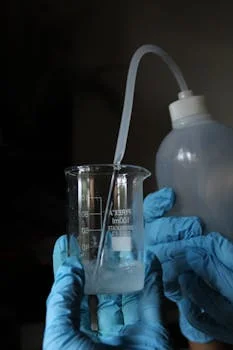
Selecting the appropriate treatment technology depends on the target discharge standard and the physical footprint available at the facility. For food processing and seafood plants, Dissolved Air Flotation (DAF) is the industry standard for primary clarification. HydropureWater DAF systems achieve up to 95% TSS removal and 80% FOG removal with a short retention time of 2-4 hours. These DAF systems for Phuket's food processing and resort industries are particularly effective at handling high-fat loads that would otherwise clog biological membranes.
For facilities aiming for high-quality water reuse, Membrane Bioreactors (MBR) provide a superior solution. MBR technology combines biological treatment with ultrafiltration, resulting in effluent with BOD levels <1 mg/L and 99%+ pathogen removal. The DF series membranes are ideal for MBR systems for Phuket's water recycling and electronics manufacturing because they occupy a 60% smaller footprint than conventional activated sludge systems—a critical factor for Phuket resorts where land value is at a premium.
| Technology | Removal Efficiency (TSS/BOD) | Energy Use (kWh/m³) | Best Application in Phuket |
|---|---|---|---|
| DAF | 95% TSS / 40% BOD | 0.3 - 0.5 | Seafood processing, pretreatment for hotels |
| MBR (DF Series) | 99% TSS / 98% BOD | 0.8 - 1.2 | Resort water reuse, electronics manufacturing |
| Chemical Dosing | Variable (Metal removal) | 0.1 - 0.2 | Textile dyeing, pH neutralization |
Phuket-specific engineering must account for the high humidity and salt spray common in coastal environments. MBR systems are generally more resilient to the flow variations caused by the monsoon, while DAF systems require less specialized maintenance, making them suitable for remote factory locations across the island. For more details on localized selection, consult the DAF system selection guide for Thailand's industrial sectors.
Phuket's Industrial Wastewater Compliance: Standards and Permitting Process
Compliance in Phuket is governed by the Phuket Provincial Notification 2023, which sets stricter local discharge limits than the general national standards to protect the island's sensitive marine ecosystems. Industrial facilities discharging into public water bodies must meet a BOD limit of 20 mg/L and a COD limit of 80 mg/L. Failure to monitor these levels continuously can lead to immediate suspension of operational licenses by the Phuket Pollution Control Department (PCD).
The permitting process for a new treatment system or a major upgrade typically takes 90-120 days for new facilities and 45 days for system modifications. This includes an initial engineering review, an Environmental Impact Assessment (EIA) for larger plants, and a final inspection by provincial engineers. Facilities are also required to perform weekly composite sampling for BOD, COD, and TSS, and maintain a log of continuous pH and flow monitoring.
| Parameter | Phuket Discharge Limit (2025) | Monitoring Frequency |
|---|---|---|
| BOD (Biochemical Oxygen Demand) | 20 mg/L | Weekly (Composite) |
| COD (Chemical Oxygen Demand) | 80 mg/L | Weekly (Composite) |
| TSS (Total Suspended Solids) | 30 mg/L | Weekly (Composite) |
| Oil & Grease | 5 mg/L | Monthly |
| pH Value | 5.5 - 9.0 | Continuous (Real-time) |
To encourage compliance, the Thailand Board of Investment (BOI) 2024 incentives offer a 30% tax credit for facilities that achieve 80% or higher water reuse rates. This incentive significantly improves the financial viability of upgrading to MBR wastewater treatment systems for Thailand's water recycling needs.
Cost Breakdown: Industrial Wastewater Treatment Systems in Phuket (2025 Data)
Budgeting for industrial wastewater treatment in Phuket requires balancing initial Capital Expenditure (CAPEX) with long-term Operating Expenditure (OPEX). In 2025, a standard DAF system for a seafood processor (treating 10-100 m³/h) typically ranges from 800,000 to 2,500,000 THB. MBR systems, while more expensive at 1,500,000 to 5,000,000 THB for a 50-500 m³/day capacity, offer significantly lower freshwater procurement costs through high-quality recycling.
Operating costs are influenced heavily by Phuket's electricity rates and chemical transport costs. DAF systems average 0.8-1.5 THB/m³ in chemical and power costs, while MBR systems range from 2.0-3.5 THB/m³ due to membrane aeration requirements. However, systems integrated with rainwater harvesting often see a 10% discount in overall OPEX due to the reduced need for chemical pH adjustment of the soft rainwater influent.
| System Type | Estimated CAPEX (THB) | OPEX (THB/m³) | Maintenance Focus |
|---|---|---|---|
| DAF (10-100 m³/h) | 800k - 2.5M | 0.8 - 1.5 | Pump seals & scraper blades |
| MBR (50-500 m³/d) | 1.5M - 5.0M | 2.0 - 3.5 | Membrane cleaning (CIP) |
| Chemical Dosing | 200k - 800k | 0.3 - 0.8 | Sensor calibration |
A critical factor for Phuket-based procurement is the 15-20% premium for corrosion-resistant materials (SS316 or specialized coatings) required to withstand the high humidity and saline air. Despite these costs, the ROI for a water recycling system in Phuket is compelling. With freshwater costs at 40-60 THB/m³ and projected to rise, a system achieving 80% reuse typically reaches a payback period of 3.2 to 5.5 years. For specialized regional data, see industrial wastewater treatment solutions for Southern Thailand.
Water Recycling in Phuket: How Industrial Facilities Can Achieve 80% Reuse
Water recycling is no longer just an environmental choice in Phuket; it is a financial necessity. With Phuket Water Authority tariffs projected to increase by 8-12% annually, industrial facilities are increasingly adopting a "closed-loop" approach. Recycled water can be utilized for cooling tower makeup—which often accounts for 30-40% of industrial water use—as well as irrigation, toilet flushing, and specific process water for textile dyeing or electronics rinsing.
A typical treatment train for high-level recycling involves primary screening, followed by a secondary biological stage (MBR or DAF), and a tertiary polishing stage using RO systems for Phuket's industrial water recycling. Disinfection is then achieved using a chlorine dioxide generator to ensure the water is safe for human-contact applications like irrigation.
A notable case study involves a Phuket seafood processor that reduced its freshwater consumption by 65% by integrating an MBR system with Reverse Osmosis. By also leveraging Phuket’s 2,200 mm of annual rainfall through 500 m³ storage tanks, the facility offset 30% of its recycled water demand during the rainy season, achieving a full project payback in just 2.8 years. This strategy effectively insulates the facility from the water shortages and price hikes common during the peak tourism season.
Frequently Asked Questions
What are the penalties for non-compliance with Phuket's industrial wastewater standards?
Under the NEQA 2022, facilities can face fines up to 1 million THB and immediate facility shutdowns for repeated violations. Local Phuket authorities also have the power to impose daily fines until compliance is met.
How does Phuket's monsoon season affect wastewater treatment system design?
Designers must account for 30-50% additional hydraulic capacity to handle rainwater infiltration. Additionally, all electrical components and structural steel must be rated for high humidity and corrosion resistance due to the coastal environment.
What is the typical payback period for an industrial water recycling system in Phuket?
Most systems treating between 50-200 m³/day see a payback period of 3.2 to 5.5 years. This is calculated based on the current freshwater cost of 40-60 THB/m³ and the avoidance of municipal discharge surcharges.
Are there government incentives for industrial wastewater treatment in Phuket?
Yes, the Thailand Board of Investment (BOI) provides a 30% tax credit for companies investing in machinery that achieves 80% water reuse. There are also VAT exemptions for certain imported high-tech treatment components.
What pretreatment is required for industrial wastewater before discharge to Phuket's municipal system?
Even if not recycling, facilities must pre-treat effluent to a pH of 5.5-9.0, ensure oil and grease levels are below 5 mg/L, and keep TSS under 30 mg/L to meet Phuket Provincial Development Plan guidelines.