Hat Yai's industrial wastewater treatment landscape is evolving rapidly, with Thailand's Pollution Control Department (PCD) enforcing stricter discharge limits, including BOD < 20 mg/L and TSS < 30 mg/L for industrial effluents. Current municipal systems like Hat Yai's 40,000 m³/day stabilization pond plant achieve 99.98% coliform removal but lack the hydraulic and organic capacity for high-strength industrial waste where COD often exceeds 1,000 mg/L. Advanced systems—DAF for FOG removal (95%+ efficiency), MBR for near-reuse quality (<1 μm filtration), and UV disinfection (4-log pathogen reduction)—are now critical for compliance. This guide compares these systems for Hat Yai's key industries, providing 2025 cost benchmarks and ROI calculations for factory managers and engineers.
Why Hat Yai Factories Need Advanced Wastewater Treatment in 2025
Thailand's Pollution Control Department (PCD) updated enforcement protocols in 2023, introducing penalties for non-compliance that include fines up to 1 million THB per year and mandatory production halts for facilities failing to meet effluent standards. In Hat Yai, the industrial sector is dominated by food processing (65%), textiles (20%), and rubber production (15%). These industries produce high-strength influent that stabilization ponds cannot effectively treat. For instance, rubber processing generates effluents with high Chemical Oxygen Demand (COD) and sulfur content, while food processing facilities in the Songkhla region frequently struggle with high concentrations of Fats, Oils, and Grease (FOG).
The 7-Up Bottling Company's effluent quality analysis serves as a benchmark for the region; while their internal systems are robust, many neighboring facilities fail to meet the PCD limits for Total Suspended Solids (TSS) and microbial indicators. the Hat Yai municipal plant, which operates at a 40,000 m³/day capacity, is facing a projected demand of 52,000 m³/day by 2025. This gap forces industrial facilities to implement decentralized, on-site advanced treatment to avoid overloading public infrastructure and incurring legal liabilities.
| Parameter | PCD 2023 Standard (Industrial) | Hat Yai Municipal Capacity (Avg) | Typical Industrial Influent (Hat Yai) |
|---|---|---|---|
| BOD (mg/L) | < 20 | < 40 | 300 – 1,500 |
| COD (mg/L) | < 120 | < 250 | 800 – 3,500 |
| TSS (mg/L) | < 30 – 50 | < 50 | 200 – 1,000 |
| FOG (mg/L) | < 5 | < 10 | 100 – 1,200 |
| TKN (mg/L) | < 100 | N/A | 50 – 250 |
Influent Characteristics: What Hat Yai Factories Discharge
Industrial influent in Songkhla province varies significantly by sector, with rubber processing often exceeding 3,000 mg/L in Chemical Oxygen Demand (COD) due to residual latex and proteins. Selecting the correct treatment train requires a precise understanding of these industry-specific contaminants. Food processing plants in Hat Yai, particularly those involved in seafood and poultry, discharge high levels of animal fats and organic nitrogen. Textiles, concentrated in the industrial zones surrounding the city, introduce complex dyes and heavy metals that require chemical coagulation before biological treatment.
Seasonal variability also impacts system performance. During the peak rubber tapping season, influent COD and sulfur levels spike, which can inhibit biological activity in standard activated sludge plants. Proper optimizing chemical dosing for Hat Yai's industrial wastewater is essential to stabilize these fluctuations, particularly when using Polyaluminum Chloride (PAC) or polymers to facilitate primary clarification.
| Industry Sector | Primary Contaminants | COD Range (mg/L) | BOD Range (mg/L) | Specific Challenge |
|---|---|---|---|---|
| Food Processing | FOG, Proteins, Sugars | 800 – 3,500 | 400 – 2,000 | High FOG emulsification |
| Textile Dyeing | Dyes, Cr, Zn, Phenols | 500 – 1,500 | 150 – 500 | Color removal & toxicity |
| Rubber/Latex | Latex solids, Ammonia, S | 1,500 – 6,000 | 800 – 3,000 | Acidic pH & high solids |
| Petrochemical | Hydrocarbons, BTEX | 1,000 – 4,000 | 300 – 1,200 | Refractory organics |
Advanced Treatment Systems Compared: DAF vs MBR vs UV Disinfection
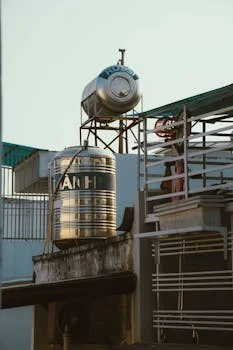
Dissolved Air Flotation (DAF) achieves a 95% reduction in Fats, Oils, and Grease (FOG) by introducing micro-bubbles that attach to hydrophobic particles, causing them to float for mechanical skimming. For Hat Yai's food and rubber sectors, DAF systems for Hat Yai's high-FOG wastewater provide a compact footprint compared to traditional sedimentation tanks. These systems are particularly effective at removing 90–98% of TSS, which is vital for protecting downstream membrane units. You can observe how DAF systems remove 95%+ TSS and FOG in regional industries to understand their scalability for Hat Yai's mid-sized factories.
Membrane Bioreactor (MBR) technology combines biological treatment with ultrafiltration, typically using PVDF membranes with pore sizes <0.1 μm. Integrated MBR systems for near-reuse quality effluent eliminate the need for secondary clarifiers and sand filters, producing water suitable for cooling towers or irrigation. In Southeast Asia, these systems are increasingly favored for their ability to handle high Mixed Liquor Suspended Solids (MLSS) concentrations (8,000–12,000 mg/L), which allows for smaller bioreactor volumes. Detailed MBR systems in Southeast Asia: cost and compliance insights show that while CAPEX is higher, the reliability in meeting PCD standards is unmatched.
UV Disinfection and Chlorine Dioxide (ClO₂) generation serve as the final barrier against pathogens. While UV provides a 4-log reduction in bacteria without chemical residuals, ClO₂ generators for residual disinfection are often employed where a persistent disinfectant is required for long-distance water transport or reuse. ClO₂ is particularly effective in textile applications as it can assist in decolorization while simultaneously disinfecting the effluent.
| System Type | Removal Efficiency (TSS/BOD) | Footprint | Energy Use (kWh/m³) | Typical O&M Cost |
|---|---|---|---|---|
| DAF | 95% TSS / 40-60% BOD | Small | 0.2 – 0.5 | Medium (Chemicals) |
| MBR (Integrated) | 99%+ TSS / 95%+ BOD | Very Small | 0.8 – 2.0 | High (Membrane/Energy) |
| UV Disinfection | N/A (99.99% Pathogens) | Compact | 0.05 – 0.1 | Low (Lamp replacement) |
| ClO₂ Generator | N/A (Disinfection/Color) | Compact | 0.1 – 0.2 | Medium (Precursors) |
Cost Breakdown & ROI: Industrial Wastewater Treatment in Hat Yai
The capital expenditure (CAPEX) for a 50 m³/h Membrane Bioreactor (MBR) system in Thailand typically ranges from 2.8 to 8.2 million THB depending on membrane material and automation levels. For many Hat Yai factories, a combination of DAF and UV disinfection offers a more balanced budget, with CAPEX ranging from 1.7 to 5.3 million THB. It is critical to account for civil works, which usually comprise 20% to 40% of the total equipment cost, including the construction of equalization tanks and sludge holding areas.
Operational expenditure (OPEX) is driven by energy consumption and chemical requirements. In the food processing sector, PAC dosing can cost between 50 and 150 THB per cubic meter of treated water. However, the Return on Investment (ROI) is realized through the avoidance of PCD fines and the reduction in raw water procurement costs. For a mid-sized food plant, the payback period for a DAF+UV system is approximately 3.2 years when considering water reuse for non-potable applications and current government incentives. The Thailand Board of Investment (BOI) currently offers corporate tax exemptions of up to 8 years for companies investing in water reuse and advanced treatment technologies.
| Component | DAF System (50 m³/h) | MBR System (50 m³/h) | UV/Disinfection |
|---|---|---|---|
| Equipment CAPEX | 1.2 – 3.5M THB | 2.8 – 8.2M THB | 0.5 – 1.8M THB |
| Installation/Civil | 0.4 – 0.8M THB | 0.8 – 2.0M THB | 0.1 – 0.3M THB |
| Energy (Annual) | 120,000 – 300,000 THB | 450,000 – 900,000 THB | 30,000 – 70,000 THB |
| Chemicals/Parts | PAC/Polymer: High | Membranes: 3-5 years | Lamps: 8,000 hours |
Compliance Checklist: Meeting Thailand's Industrial Discharge Standards
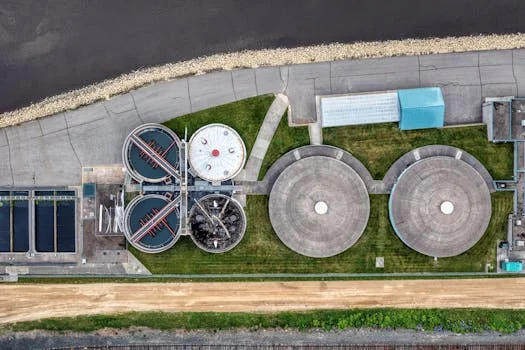
The Thailand Pollution Control Department (PCD) requires industrial facilities to submit monthly monitoring reports (Type 2 Factory) for at least eight specific water quality parameters. Failure to maintain accurate logs or exceeding discharge limits can lead to immediate audits. To ensure compliance in Hat Yai's industrial zones, facility managers should follow a structured monitoring and maintenance protocol.
- Sampling Frequency: Conduct composite sampling monthly for BOD, COD, and TSS. For heavy metals in textile plants, quarterly sampling is mandatory.
- Pre-treatment Verification: Ensure rubber latex coagulation tanks maintain a pH below 4.5 before entering the main treatment stream to prevent membrane fouling.
- Documentation: Maintain a valid Factory License (Ror.Ngor. 4) and a Wastewater Discharge Permit. Monitoring logs must be kept on-site for at least 3 years.
- pH Stabilization: Food processing wastewater often experiences pH drift; automated pH adjustment systems are required to keep effluent between 5.5 and 9.0.
- FOG Management: Verify that DAF systems are removing grease to < 5 mg/L, as FOG exceedance is the most common cause of municipal sewer blockages and subsequent fines in Songkhla.
Frequently Asked Questions
What are the three types of industrial wastewater treatment?
Industrial treatment is categorized into physical (screening, DAF, sedimentation), chemical (coagulation, pH adjustment, oxidation), and biological (activated sludge, MBR, anaerobic digestion) processes. Most Hat Yai factories require a combination of all three to meet PCD 2023 standards.
How much does a DAF system cost in Thailand?
For a standard industrial application in Hat Yai, a DAF system costs between 1.2M and 3.5M THB for the equipment. Total project costs, including civil works and installation, typically range from 1.6M to 4.5M THB depending on the flow rate (m³/h).
Can MBR treated water be reused for industrial processes?
Yes. MBR systems produce effluent with turbidity < 1 NTU and non-detectable TSS. This water is suitable for cooling tower make-up, floor washing, and irrigation, helping factories reduce their raw water footprint and improve ROI.
What are the penalties for PCD non-compliance in Songkhla?
Under the Enhancement and Conservation of National Environmental Quality Act, penalties include daily fines, imprisonment for up to one year, or both. For repeated industrial violations, the PCD may order a total cessation of factory operations until a compliant treatment system is installed.
How often should UV lamps be replaced in industrial systems?
Standard low-pressure high-output UV lamps used in industrial wastewater treatment typically have a functional life of 8,000 to 12,000 hours. Most systems in Hat Yai require annual lamp replacement to maintain the required 4-log pathogen reduction.