Poly Aluminum Chloride (PAC) dosing systems outperform traditional coagulants like alum and ferric chloride in industrial wastewater treatment, achieving 20% better phosphorus removal and 20% lower chemical consumption (per EPA 2024 benchmarks). However, alternatives like sodium aluminate or ACH may be better for low-alkalinity water or cost-sensitive applications. This guide compares PAC vs alternatives across efficiency, cost, and compliance to help engineers and procurement managers select the optimal coagulant for their specific wastewater profile.
Why Industrial Plants Are Switching from Alum to PAC Dosing Systems
Alum, a traditional coagulant, generates 30-40% more sludge volume than Poly Aluminum Chloride (PAC) in industrial wastewater treatment, leading to higher disposal costs (per EPA 2024). This significant difference in sludge production is a primary driver for industrial plants seeking more efficient and cost-effective coagulation solutions. Beyond sludge volume, alum exhibits notable pH sensitivity, often requiring additional buffering chemicals in low-alkalinity water to maintain optimal coagulation conditions, which adds to operational complexity and expense. Its performance can also be inconsistent in cold temperatures, a challenge for facilities operating in varied climates or treating wastewater with fluctuating temperatures.
In contrast, PAC offers several distinct advantages that address these limitations. It typically requires a 20% lower dosage for equivalent coagulation compared to alum, directly translating to reduced chemical consumption and procurement costs (Hychron, Top 1 insight). PAC demonstrates 20% better phosphorus removal efficiency than ferric chloride, a critical factor for plants needing to meet stringent discharge limits (Alumichem, Top 3 insight). The overall lower sludge production associated with PAC not only reduces disposal volumes but also minimizes associated transportation and landfill fees, contributing to substantial operational savings. For instance, a textile plant in Bangladesh reduced sludge disposal costs by 35% after switching from alum to PAC, demonstrating the tangible benefits of this transition (HydropureWater case study). PAC’s adaptability across a wider pH range (pH 5-9) and temperature spectrum (5-40°C) makes it a robust solution suitable for diverse industrial applications, including food processing, petrochemical, and municipal wastewater treatment, ensuring consistent coagulation efficiency regardless of influent variations.
How PAC Dosing Systems Work: Coagulation Mechanisms and Process Parameters
Poly Aluminum Chloride (PAC) hydrolyzes rapidly in water, forming highly charged polymeric aluminum species, primarily Al13, which are significantly more effective at neutralizing suspended solids than the monomeric Al3+ ions produced by alum. This distinct hydrolysis mechanism is central to PAC's superior coagulation efficiency. Unlike alum, which forms simple aluminum hydroxide precipitates, PAC's pre-hydrolyzed polymeric structure allows for more potent charge neutralization and bridging flocculation, leading to larger, denser, and more rapidly settling flocs. This enhanced performance translates directly to improved particle removal and clarity in treated wastewater.
The charge density, or basicity, of PAC is a critical parameter influencing its effectiveness. PAC typically has a basicity of 85-90%, compared to alum's 0% basicity and aluminum chlorohydrate (ACH) at around 83% basicity. Higher basicity indicates a greater degree of pre-hydrolysis, meaning less alkalinity is consumed from the wastewater during coagulation, leading to less pH depression and a lower dosage requirement for effective treatment. Critical process parameters for optimal PAC performance include maintaining an optimal pH range of 6-8, ensuring a temperature between 10-30°C for efficient reaction kinetics, and applying appropriate mixing intensity (G-value 600-1000 s⁻¹) during rapid mixing to facilitate floc formation, followed by sufficient contact time (1-3 minutes) for particle aggregation. The integration of a PLC-controlled PAC dosing system for industrial wastewater treatment ensures precise chemical delivery and optimization of these parameters. Ultimately, PAC's efficient floc formation also positively impacts downstream processes, reducing the demand for polymeric flocculants (PAM) by 15-20% and improving sedimentation rates, which can enhance the overall performance of clarifiers or how PAC integrates with DAF systems for optimal floc removal (per vendor specifications).
The table below summarizes key operational parameters for PAC dosing systems:
| Parameter | Optimal Range for PAC | Impact on Performance |
|---|---|---|
| Optimal pH | 6-8 | Ensures Al13 species stability and efficient charge neutralization. |
| Temperature | 10-30°C | Affects reaction kinetics; lower temperatures may require slightly higher dosages. |
| Mixing Intensity (G-value) | 600-1000 s⁻¹ (rapid mix) | Promotes uniform dispersion and initial floc formation. |
| Contact Time (Rapid Mix) | 1-3 minutes | Allows sufficient time for particle destabilization and aggregation. |
| Basicity | 85-90% | Higher basicity reduces pH depression and chemical consumption. |
PAC vs Alternatives: Head-to-Head Comparison of Industrial Coagulants
Poly Aluminum Chloride (PAC) consistently achieves 95-98% TSS removal efficiency in industrial wastewater, surpassing alum's typical 90-95% performance across various applications (EPA 2024 benchmarks). This superior performance is a key differentiator when selecting a coagulant for industrial processes with strict discharge limits. The choice between PAC and its alternatives—including alum, aluminum chlorohydrate (ACH), sodium aluminate, ferric chloride, and ferric sulfate—depends heavily on specific wastewater characteristics, compliance requirements, and cost considerations. While initial per-ton costs may vary, the overall lifecycle cost, driven by dosage rates, sludge volume, and pH adjustment needs, often reveals PAC as a more economical choice in the long run.
For instance, ACH is particularly effective in low-alkalinity water due to its minimal pH impact, making it ideal where pH stability is critical. Sodium aluminate can be a viable option in situations where hydrochloric acid shortages impact the availability or cost of PAC and ferric chloride, offering a cost-sensitive alternative, though with a potentially higher initial CAPEX for its dosing system (Alumichem, Top 3 insight). Ferric chloride excels in specific applications like oil and grease removal in petrochemical wastewater but comes with higher corrosion risks and potentially greater sludge volumes. The comprehensive comparison below highlights the nuanced performance characteristics of each major industrial coagulant, providing a data-backed foundation for informed decision-making by engineers and procurement managers.
| Parameter | PAC | Alum | ACH | Sodium Aluminate | Ferric Chloride | Ferric Sulfate |
|---|---|---|---|---|---|---|
| TSS Removal Efficiency | 95-98% | 90-95% | 96-99% | 85-92% | 90-96% | 88-94% |
| COD Removal Efficiency | 70-80% | 50-65% | 75-85% | 40-55% | 60-70% | 55-65% |
| Phosphorus Removal Efficiency | 90-95% | 80-85% | 85-90% | 70-80% | 88-92% | 85-90% |
| Sludge Volume (kg/m³ treated water) | 0.8-1.2 | 1.2-1.8 | 0.7-1.0 | 1.0-1.5 | 1.0-1.6 | 1.1-1.7 |
| Chemical Consumption (mg/L) | 50-150 | 100-200 | 40-120 | 80-180 | 60-160 | 70-170 |
| pH Impact | Moderate | High | Low | Low (increases pH) | High | High |
| Optimal pH Range | 5-9 | 6-8 | 6-9 | 7-10 | 4-6 | 4-7 |
| Temperature Sensitivity | Low | High | Very Low | Moderate | Low | Low |
| Cost per Ton (USD, estimated) | $300-500 | $150-250 | $450-700 | $600-800 | $200-400 | $200-350 |
(Sources: EPA 2024 benchmarks, vendor specifications, HydropureWater field data, industry averages)
Industrial Wastewater Profiles: Which Coagulant Works Best for Your Sector?
Textile wastewater treatment often benefits significantly from Poly Aluminum Chloride (PAC), achieving 90-95% TSS reduction and superior dye removal compared to traditional alum (HydropureWater field data). The complex organic load and varying pH of textile effluents make PAC's broad optimal pH range and strong color removal capabilities particularly advantageous, even though alum may appear cheaper per ton. For instance, a textile plant in India improved effluent quality and reduced overall operational costs by optimizing PAC dosing for its dye-laden wastewater.
- Textile Wastewater: PAC is generally the preferred choice due to its effectiveness in dye removal (often 90-95% TSS reduction) and robust performance across varying pH levels. Alum is a cheaper alternative but typically results in higher sludge volumes and less consistent dye removal.
- Food Processing: Aluminum Chlorohydrate (ACH) is often ideal for dairy and beverage wastewater due to its low pH impact, which minimizes the need for pH adjustment. PAC is more suitable for high fat, oil, and grease (FOG) streams, providing better emulsion breaking. A food processing plant in Romania reduced chemical costs by 25% by switching from alum to ACH, highlighting the benefits of pH-neutral coagulants for specific organic loads (HydropureWater case study). More insights into sector-specific coagulant recommendations for food processing plants are available.
- Petrochemical: Ferric chloride often excels in oil and grease removal, making it a strong candidate for petrochemical wastewater. However, PAC offers lower sludge volume and can contribute to better overall compliance with discharge limits for dissolved solids. For advanced removal, consider advanced oil and grease removal technologies for petrochemical wastewater.
- Municipal: Sodium aluminate can be a cost-effective choice for municipal wastewater with low alkalinity, as it raises pH and requires less additional pH adjustment. PAC, with its broader optimal pH range, performs better for variable influent quality commonly found in municipal systems.
- Pulp & Paper: PAC is highly effective for lignin removal and achieving 80-85% COD reduction in pulp and paper mill effluents. While alum is a cheaper option, it is generally less effective at breaking down complex organic compounds and yields higher sludge volumes.
PAC Dosing System Cost Analysis: CAPEX, OPEX, and ROI for Industrial Plants
The capital expenditure (CAPEX) for a Poly Aluminum Chloride (PAC) dosing system typically ranges from $15,000 to $50,000, significantly influencing the total lifecycle cost for industrial wastewater treatment (HydropureWater cost analysis). This initial investment includes the dosing pumps, controls, and associated piping. Additionally, dedicated storage tanks for PAC can add $5,000-$15,000, with installation costs varying from $10,000-$30,000 depending on site complexity and required modifications. While these upfront costs might appear higher than simpler alum systems, the operational expenditure (OPEX) savings often lead to a rapid return on investment (ROI).
Operational costs encompass chemical consumption, sludge disposal, and system maintenance. PAC chemical costs typically range from $0.10-$0.30/m³ of treated water, compared to alum's $0.05-$0.20/m³. However, PAC’s lower dosage requirement often offsets its higher per-ton price. Sludge disposal costs are substantially lower for PAC, averaging $0.05-$0.15/m³ compared to alum’s $0.10-$0.25/m³, due to PAC's reduced sludge volume. Annual maintenance for a dosing system is generally $2,000-$5,000. Considering these factors, a 500 m³/day textile plant could save approximately $45,000/year by switching from alum to PAC, achieving a payback period of less than 2 years through reduced chemical consumption and sludge disposal fees. Hidden costs, such as alum’s pH buffering requirements, ferric chloride’s corrosion risks requiring specialized materials, or sodium aluminate’s higher CAPEX for more complex dosing setups, must also be factored into a comprehensive financial analysis.
| Cost Category | 100 m³/day Plant (Annual Est.) | 500 m³/day Plant (Annual Est.) | 1,000 m³/day Plant (Annual Est.) |
|---|---|---|---|
| CAPEX (Initial Investment) | |||
| PAC Dosing System | $15,000 - $25,000 | $25,000 - $40,000 | $35,000 - $50,000 |
| Storage Tanks | $5,000 - $8,000 | $8,000 - $12,000 | $10,000 - $15,000 |
| Installation | $10,000 - $15,000 | $15,000 - $20,000 | $20,000 - $30,000 |
| OPEX (Annual Operating Costs) | |||
| PAC Chemical Cost | $3,650 - $10,950 | $18,250 - $54,750 | $36,500 - $109,500 |
| Alum Chemical Cost (for comparison) | $1,825 - $7,300 | $9,125 - $36,500 | $18,250 - $73,000 |
| PAC Sludge Disposal Cost | $1,825 - $5,475 | $9,125 - $27,375 | $18,250 - $54,750 |
| Alum Sludge Disposal Cost (for comparison) | $3,650 - $9,125 | $18,250 - $45,625 | $36,500 - $91,250 |
| Maintenance & Labor | $2,000 - $3,000 | $3,000 - $4,000 | $4,000 - $5,000 |
(Costs are estimates and vary based on region, supplier, and specific wastewater characteristics. HydropureWater cost analysis, 2025.)
Compliance and Environmental Impact: How Coagulants Affect Discharge Limits
Regulatory limits for aluminum residuals in treated wastewater often range from 0.1 mg/L in the EU to 0.2 mg/L by the EPA and WHO, directly influencing coagulant selection for compliance (EPA 2024, EU Directive 98/83/EC). Meeting these stringent limits is crucial, particularly for industrial plants discharging into sensitive water bodies. Poly Aluminum Chloride (PAC) typically leaves lower aluminum residuals in the effluent, generally between 0.05-0.1 mg/L, making it easier to comply with strict regulations. In contrast, alum can result in higher residuals, often in the 0.1-0.2 mg/L range, potentially requiring additional post-treatment steps to meet discharge standards. Aluminum Chlorohydrate (ACH) often produces the lowest residuals, ranging from 0.02-0.05 mg/L, positioning it as a strong choice for plants facing the tightest aluminum limits.
Beyond effluent quality, the environmental impact extends to sludge disposal. PAC sludge is frequently classified as non-hazardous, simplifying its disposal and reducing associated costs. Conversely, sludge generated from ferric chloride treatment may require special handling due to its iron content and potential for hazardous classification, depending on the industrial process and local regulations. From a sustainability perspective, PAC’s lower chemical consumption not only reduces operational costs but also contributes to a smaller carbon footprint, estimated to be 15-20% lower than alum treatment due to reduced manufacturing and transportation demands (per vendor LCA data). Therefore, a comprehensive assessment of a coagulant's environmental footprint, from residual levels to sludge characteristics and carbon emissions, is vital for achieving both regulatory compliance and corporate sustainability goals. If your plant discharges to a sensitive waterbody, checking aluminum residual limits before selecting a coagulant is a critical step in the decision-making process.
How to Select the Right Coagulant: A Step-by-Step Decision Framework
Accurate analysis of your industrial wastewater profile, including parameters like TSS, COD, phosphorus, pH, alkalinity, and temperature, forms the foundational first step in selecting the optimal coagulant (HydropureWater best practice guide). Understanding these characteristics is paramount, as they dictate the effectiveness and efficiency of different coagulation chemistries. For example, wastewater with low alkalinity (< 50 mg/L) may experience significant pH drops with traditional acidic coagulants like alum or ferric chloride, necessitating costly pH adjustment. Conversely, high-turbidity wastewater might benefit most from PAC's robust floc-forming capabilities.
The decision framework below outlines a systematic approach to ensure a data-driven choice:
- Step 1: Analyze Wastewater Profile. Conduct a detailed analysis of your influent wastewater for key parameters such as TSS, COD, BOD, phosphorus, heavy metals, pH, alkalinity, and temperature. This data provides the baseline for evaluating coagulant suitability.
- Step 2: Assess Regulatory Requirements. Identify all relevant discharge limits for your facility, including those for TSS, COD, phosphorus, and specific aluminum or iron residuals (e.g., EPA, EU, local standards). This step ensures the selected coagulant can achieve compliance.
- Step 3: Evaluate Cost Constraints. Conduct a thorough lifecycle cost analysis, considering both CAPEX (dosing system, storage) and OPEX (chemical consumption, sludge disposal, maintenance). Calculate potential ROI for different coagulant options.
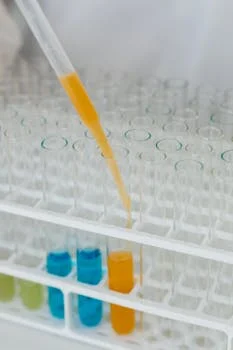
- Step 4: Test Coagulants in a Jar Test. Perform laboratory-scale jar tests with various coagulants and dosages on actual wastewater samples. This provides initial performance data on TSS/COD removal, sludge volume, and clarity. (Consult a PLC-controlled PAC dosing system for industrial wastewater treatment vendor for jar test protocols.)
- Step 5: Pilot the Selected Coagulant. Implement a pilot-scale trial of the most promising coagulant(s) identified in jar tests. This validates performance under real-world operating conditions and helps fine-tune dosing. (Refer to a pilot test guide for best practices.)
- Step 6: Scale Up and Optimize Dosing. Once a coagulant is selected and piloted, scale up to full plant operation. Continuously monitor effluent quality and optimize chemical dosing rates using automated systems to ensure peak performance and cost-efficiency. (Utilize a dosing optimization guide for ongoing adjustments.)
Decision Tree Snippet:
- If pH < 6: Consider ACH or ferric chloride to minimize further pH depression.
- If alkalinity < 50 mg/L: Avoid alum and ferric chloride due to high pH impact; consider ACH or PAC with pH adjustment.
- If high phosphorus removal (≥ 90%) is critical: Prioritize PAC or ferric chloride.
- If sludge volume reduction is a top priority: Favor PAC or ACH.
- If cost-sensitivity is paramount and HCl supply is stable: Alum may be considered, but evaluate long-term OPEX.
Frequently Asked Questions
Poly Aluminum Chloride (PAC) is generally considered safe for industrial wastewater treatment, provided proper handling protocols are followed and discharge limits for aluminum residuals are met (WHO guidelines for drinking water). Its widespread use in both municipal and industrial applications attests to its safety profile when managed correctly. Here are some common questions regarding PAC and its alternatives:
What is the primary advantage of PAC over alum?
The primary advantage of PAC is its superior coagulation efficiency, leading to 20% lower chemical consumption and 30-40% less sludge volume compared to alum (EPA 2024 benchmarks). PAC also performs more consistently across a wider pH range and in colder temperatures, reducing the need for pH adjustments and improving overall system stability.
Can PAC be used in low-temperature wastewater?
Yes, PAC exhibits lower temperature sensitivity than alum, making it a more effective coagulant for low-temperature wastewater (e.g., 5-10°C). While coagulation kinetics may slow slightly, PAC's polymeric structure maintains its effectiveness, unlike alum which can become sluggish and less efficient in cold conditions.
How does PAC affect pH?
PAC has a moderate impact on wastewater pH. Due to its higher basicity (85-90% basicity), it consumes less alkalinity during hydrolysis compared to alum, which has 0% basicity. This results in less significant pH depression, often reducing or eliminating the need for pH buffering chemicals compared to traditional coagulants.
What are the typical dosing rates for PAC?
Typical PAC dosing rates for industrial wastewater treatment range from 50 to 150 mg/L, depending on the wastewater's turbidity, organic load, and desired effluent quality. For specific applications, rates can vary. Jar testing is crucial to determine the optimal dosage for a particular wastewater profile, ensuring maximum efficiency and cost-effectiveness.
Is PAC environmentally friendly?
PAC is considered a more environmentally friendly option compared to some alternatives. Its lower dosage requirements and reduced sludge production minimize chemical usage and waste generation. PAC's lower aluminum residuals in treated effluent generally help plants meet stringent discharge limits, contributing to better environmental stewardship and reduced carbon footprint by 15-20% vs alum (per vendor LCA data).
What is basicity in PAC and why is it important?
Basicity in PAC refers to the degree of hydrolysis, expressed as a percentage of hydroxyl ions (OH-) to aluminum ions (Al3+). A higher basicity (e.g., 85-90% for PAC) means the aluminum is more pre-hydrolyzed into polymeric species. This is important because it leads to less consumption of alkalinity from the wastewater, resulting in less pH drop, lower dosage requirements, and more stable coagulation performance.
Related Equipment
- High-efficiency DAF system for PAC-treated wastewater — view specifications, capacity range, and technical data
Need a customized solution? Request a free quote with your specific flow rate and pollutant parameters.