Seoul hospitals must treat wastewater to meet Korea's strict discharge standards, including BOD < 20 mg/L, COD < 40 mg/L, and total coliforms < 1,000 CFU/100mL (per Korea Ministry of Environment 2024). Common systems include MBR (95%+ pathogen removal), DAF (90%+ FOG removal), and chlorine dioxide disinfection (99.9% kill rate for resistant pathogens). Treatment costs range from ₩50M–₩300M ($37K–$225K) depending on capacity (10–100 m³/h) and technology.
Why Seoul Hospitals Need Specialized Wastewater Treatment
Hospital effluent in Seoul typically contains biological oxygen demand (BOD) concentrations ranging from 100 to 500 mg/L and chemical oxygen demand (COD) between 200 and 1,000 mg/L, necessitating advanced treatment beyond standard municipal sewage protocols. Unlike standard domestic sewage, medical wastewater is characterized by high concentrations of pharmaceuticals, multi-drug resistant pathogens, and heavy metals from diagnostic reagents. These contaminants pose significant environmental risks if discharged directly into Seoul’s Han River basin or the municipal sewer system without rigorous pre-treatment.
The regulatory framework in South Korea is governed by the Wastes Control Act and the Water Environment Conservation Act, supplemented by specific Seoul Metropolitan Government ordinances that enforce stricter local limits. Failure to comply with these standards can result in administrative fines reaching ₩100M per violation, alongside potential operational shutdowns and severe reputational damage. For instance, Bundang Seoul National University Hospital operates a sophisticated wastewater treatment facility with a capacity of approximately 50 m³/h, utilizing multi-stage biological and chemical processes to ensure that all effluent exceeds national safety standards before discharge.
| Parameter | Typical Hospital Influent (mg/L) | Seoul Discharge Limits (2025) | Regulatory Authority |
|---|---|---|---|
| BOD (Biological Oxygen Demand) | 150 – 450 | < 20 mg/L | Ministry of Environment |
| COD (Chemical Oxygen Demand) | 300 – 800 | < 40 mg/L | Seoul Metropolitan Govt |
| TSS (Total Suspended Solids) | 100 – 300 | < 30 mg/L | Ministry of Environment |
| Total Coliforms | 10^5 – 10^8 CFU/100mL | < 1,000 CFU/100mL | Water Env. Conservation Act |
| Fats, Oils, and Grease (FOG) | 50 – 150 | < 5 mg/L | Seoul Metropolitan Govt |
The presence of Fats, Oils, and Grease (FOG) from hospital cafeterias and pharmaceuticals from patient wards requires a specialized approach. Standard activated sludge systems often fail to manage the toxic shock loads of antibiotics, which can inhibit the biological activity of the bacteria used in treatment. Therefore, Seoul hospitals are increasingly adopting integrated systems that combine physical separation, biological degradation, and high-level disinfection to meet the 2025 compliance landscape.
How Hospital Wastewater Treatment Systems Work: A Step-by-Step Process
The treatment of medical wastewater follows a rigorous four-stage sequence designed to isolate hazardous materials and neutralize biological threats. The process begins with pretreatment, where influent passes through fine mechanical screens (1–5 mm) to remove large debris and enters an equalization tank. The equalization tank is critical for Seoul hospitals, as it buffers the high-volume surges typically seen during mid-morning peak hours, maintaining a consistent flow rate for downstream components.
Primary treatment often involves the use of DAF systems for removing FOG and suspended solids from hospital wastewater. In this stage, microbubbles (20–50 microns) are injected into the water, causing suspended particles and oils to float to the surface for mechanical skimming. This process typically achieves a hydraulic retention time (HRT) of 30 to 60 minutes, significantly reducing the organic load before the water enters the biological phase.
Secondary treatment is where the majority of organic degradation occurs. Many modern facilities in Seoul now utilize MBR systems for hospital wastewater treatment in Seoul, which combine aerobic biological digestion with membrane filtration. In these systems, the mixed liquor suspended solids (MLSS) concentration is maintained between 8,000 and 12,000 mg/L—nearly triple that of conventional systems—allowing for a much smaller physical footprint. The membranes act as a physical barrier, ensuring that even the smallest bacteria are removed from the effluent.
The final phase is tertiary treatment and disinfection. Given the high risk of antibiotic-resistant bacteria in medical settings, compact medical wastewater treatment systems for clinics and small hospitals often incorporate advanced oxidation or chemical disinfection. Chlorine dioxide is frequently preferred over standard chlorine because it remains effective across a wider pH range and does not produce harmful trihalomethanes (THMs). The process flow follows this path: Influent → Fine Screening → Equalization → DAF Separation → MBR Biological Treatment → Chlorine Dioxide Disinfection → Compliant Effluent.
Comparing Treatment Technologies for Seoul Hospitals: MBR vs. DAF vs. Chlorine Dioxide

Membrane Bioreactors (MBR) offer the highest level of effluent quality but require a higher capital investment and more intensive energy management. For hospitals in dense urban areas like Gangnam or Seocho, the compact footprint of an MBR system is often the deciding factor, as it can reduce the required land area by up to 60% compared to traditional clarifiers. However, the energy consumption for membrane scouring typically ranges from 0.8 to 1.2 kWh/m³, which must be factored into the long-term operational budget.
Dissolved Air Flotation (DAF) is an essential auxiliary technology for hospitals with large internal catering services or surgical centers that generate high lipid concentrations. While DAF is highly efficient at removing FOG (90%+) and TSS, it is not a standalone solution for pathogens. It is best used as a primary stage to protect downstream MBR membranes from fouling. In contrast, chlorine dioxide generators are used exclusively for the final disinfection step, providing a 99.9% kill rate for resistant pathogens like Legionella and Pseudomonas, which are common concerns in Seoul medical facilities.
| Feature | MBR (Membrane Bioreactor) | DAF (Dissolved Air Flotation) | Chlorine Dioxide (Disinfection) |
|---|---|---|---|
| Primary Target | BOD, COD, Pathogens | FOG, TSS, Heavy Metals | Bacteria, Viruses, Odor |
| Removal Efficiency | 98% BOD / 99% Pathogens | 90% FOG / 85% TSS | 99.9% Microbial Kill |
| Footprint | Very Compact | Moderate | Small (Skid-mounted) |
| Energy Use | High (0.8–1.2 kWh/m³) | Low (0.3–0.5 kWh/m³) | Negligible |
| Capital Cost | High (₩150M+) | Moderate (₩60M+) | Low (₩20M+) |
| Seoul Compliance | Excellent for all limits | Needs secondary/tertiary | Mandatory for Coliforms |
For a medium-sized hospital (200–500 beds), the optimal configuration is often a combination: DAF for primary lipid removal, followed by MBR for organic and nutrient reduction, and finally chlorine dioxide disinfection for hospital wastewater in Seoul to ensure total coliform compliance. This hybrid approach ensures that membrane replacement costs—which typically range from ₩5M to ₩10M annually for a 50 m³/h system—are kept to a minimum by preventing grease-induced fouling.
Seoul-Specific Compliance: Discharge Limits and Monitoring Requirements
Seoul Metropolitan Government enforces the "Water Environment Conservation Act" with specific attention to the "Special Measures for the Han River Water Quality Management." Hospitals discharging directly into public sewers must maintain a pH between 5.8 and 8.6 and ensure that temperature fluctuations do not disrupt municipal biological processes. For hospitals located near sensitive water protection zones, the discharge limits for BOD and TSS may be lowered further to < 10 mg/L, requiring ultra-filtration stages.
Monitoring requirements are stringent, necessitating daily logs for pH, flow rate, and disinfectant residual levels. Pathogen testing, specifically for total coliforms, must typically be conducted weekly by an accredited laboratory. The Seoul Metropolitan Government conducts unannounced inspections and sampling twice a year. If a hospital is found to be in "exceedance" of limits, the first penalty is usually a corrective order and a fine; however, repeated violations can lead to a "Suspension of Operation" order, which is catastrophic for medical service continuity.
| Monitoring Parameter | Frequency (Seoul Standard) | Methodology | Reporting Requirement |
|---|---|---|---|
| pH and Flow Rate | Continuous / Daily | Online Sensors | Monthly Electronic Log |
| BOD / COD / TSS | Weekly | Laboratory Analysis | Quarterly Report |
| Total Coliforms | Weekly | Membrane Filtration / MPN | Immediate if Exceeded |
| Residual Chlorine/ClO2 | Daily | Colorimetric / Sensor | Internal Logbook |
Third-party audits by the Korea Environment Corporation (KECO) are often required for new system commissions. These audits verify that the installed equipment meets the performance specifications claimed by the manufacturer. Hospitals should ensure their equipment providers offer integrated data-logging systems that can automatically sync with the government's environmental monitoring portals to simplify compliance reporting.
Cost Breakdown: Hospital Wastewater Treatment Systems in Seoul (2025)
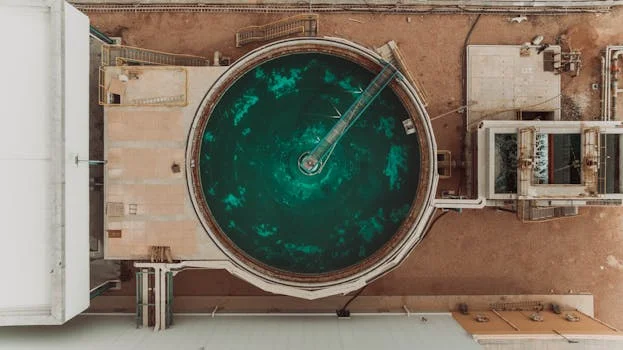
Budgeting for a hospital wastewater system in Seoul requires an analysis of both the initial Capital Expenditure (CAPEX) and the ongoing Operational Expenditure (OPEX). For a small clinic or specialized center (10–30 m³/h), a compact integrated system typically costs between ₩50M and ₩100M. Larger general hospitals (50–100 m³/h) requiring MBR and advanced disinfection should budget between ₩150M and ₩300M for the full installation. These prices include equipment, engineering, and commissioning but may exclude major civil works if the hospital does not have an existing basement or underground vault for the tanks.
Operational costs are driven primarily by energy consumption and chemical reagents. For an MBR-based system, energy accounts for approximately 40% of the OPEX. Chemical costs for chlorine dioxide generation or flocculants for DAF units typically range from ₩2M to ₩5M annually for a 50 m³/h system. Maintenance, including sensor calibration and membrane cleaning (CIP), adds another ₩10M to ₩15M per year. While these costs seem high, the Return on Investment (ROI) is realized through the avoidance of heavy fines and the potential for water reuse in non-potable applications like cooling towers or landscape irrigation.
| System Capacity | Primary Technology | Capital Cost (CAPEX) | Annual OPEX (Est.) | Estimated Lifespan |
|---|---|---|---|---|
| 10 – 20 m³/h | Integrated compact medical wastewater system | ₩50M – ₩80M | ₩10M – ₩15M | 15+ Years |
| 30 – 50 m³/h | MBR + ClO2 | ₩120M – ₩180M | ₩25M – ₩40M | 15 – 20 Years |
| 70 – 100 m³/h | DAF + MBR + ClO2 | ₩220M – ₩300M | ₩50M – ₩80M | 20+ Years |
Financing options are available through the Seoul Metropolitan Government’s "Green New Deal Fund," which provides low-interest loans for environmental upgrades. Additionally, some hospitals opt for Public-Private Partnerships (PPP) or leasing models to spread the capital cost over several years. A 50 m³/h MBR system costing ₩200M can effectively pay for itself in 6–7 years when considering the rising costs of municipal sewage surcharges and the mitigation of regulatory risk (HydropureWater field data, 2025).
Choosing the Right System for Your Seoul Hospital: A Decision Framework
Selecting the appropriate technology requires a systematic evaluation of current wastewater characteristics and future hospital expansion plans. The following framework serves as a guide for facility managers and procurement officers:
- Step 1: Characterize the Waste. Conduct a 7-day composite sampling of the raw effluent to determine average and peak loads of BOD, COD, and FOG. If the FOG concentration exceeds 50 mg/L, a DAF unit is mandatory to protect downstream biological stages.
- Step 2: Define Compliance Goals. Are you discharging to a municipal sewer or a sensitive water body? Use the detailed comparison of MBR and MBBR technologies to decide if membrane-grade filtration is necessary for your specific discharge permit.
- Step 3: Evaluate Site Constraints. Measure available basement or outdoor space. If space is limited, MBR is the preferred choice. If noise or odor is a primary concern for nearby residential areas, ensure the system includes integrated activated carbon filters or bio-trickling filters for exhaust air.
- Step 4: Select the Core Technology. Follow the logic: If pathogen removal is the priority → MBR; if high lipid/solid load is the priority → DAF + Disinfection; if cost-efficiency for a small clinic is the priority → compact medical wastewater system.
- Step 5: Review Local Case Studies. Examine case studies of hospital wastewater treatment in Asia to understand how similar facilities managed peak flow variations and pharmaceutical residues.
- Step 6: Pilot Testing. For large hospitals, request a 3-month pilot trial using a containerized MBR or DAF unit to verify removal efficiencies under real-world conditions before committing to a full-scale installation.
For more information on global standards, you may also review hospital wastewater treatment solutions in other regulatory contexts to see how Seoul's standards compare to international benchmarks.
Frequently Asked Questions

What are the specific discharge limits for hospitals in Seoul?
As of 2025, most Seoul hospitals must meet limits of BOD < 20 mg/L, COD < 40 mg/L, TSS < 30 mg/L, and total coliforms < 1,000 CFU/100mL. However, hospitals located in water protection zones may face stricter requirements (BOD < 10 mg/L).
Is MBR better than traditional activated sludge for Seoul hospitals?
Yes. MBR is superior for Seoul medical facilities because it provides higher pathogen removal (99%+) and requires a much smaller footprint, which is critical given high land and construction costs in the city.
How often does the Seoul Metropolitan Government inspect wastewater systems?
Standard inspections occur twice a year, but hospitals are required to submit monthly or quarterly monitoring reports. Online monitoring for pH and flow is often required for real-time compliance tracking.
What is the average lifespan of an MBR membrane in a hospital setting?
With proper pretreatment (like DAF and fine screening) and regular cleaning, MBR membranes typically last 5 to 8 years before requiring replacement.