What 2026 Looks Like for Industrial Wastewater Compliance in Hyderabad
Industrial wastewater treatment in Hyderabad in 2026 must meet TSPCB consent conditions aligned with CPCB Schedule-I standards: COD ≤ 250 mg/L, BOD ≤ 30 mg/L, TSS ≤ 100 mg/L, and pH 6.5–8.5 for discharge into inland surface water. A typical Hyderabad ETP pairs primary clarification with activated sludge (MLVSS 3,000–6,000 mg/L) and tertiary polishing (DAF + activated carbon), with CAPEX of ₹18–55 lakh per 10 m³/day and OPEX of ₹3–8 per cubic metre treated.
Consent orders issued by the Telangana State Pollution Control Board in 2024–2025 reference CPCB Schedule-I directly, the Environment (Protection) Rules 1986, and a dedicated CETP framework for the Pashamylaram, Jeedimetla, and Balanagar clusters. Plants in these notified industrial zones now face a tighter consent review window — annual for red-category units (pharma, bulk drug, metal finishing) and biannual for orange-category textile and food processors. Stack monitoring frequency for incinerators and thermal oxidisers is mandated at every six months for red-category units under the 2024 TSPCB cluster notification.
Under Telangana's Industrial Water Policy 2023 amendments, new and expansion projects in declared water-stressed mandals — Sangareddy, Medchal-Malkajgiri, and parts of Rangareddy — must demonstrate ZLD or 90% recycle before consent is granted. HMDA zoning classifies pharma and bulk-drug clusters at Pashamylaram and TSIIC Phase I as "red," which means more frequent stack and effluent audits, mandatory online pH/COD analysers, and a 60-day prior notice for any capacity change.
| Parameter | TSPCB / CPCB Schedule-I limit (inland surface water) | Typical Hyderabad post-ETP reading |
|---|---|---|
| pH | 6.5–8.5 | 7.0–7.8 |
| BOD (3-day, 27 °C) | ≤ 30 mg/L | 10–22 mg/L |
| COD | ≤ 250 mg/L | 80–180 mg/L |
| TSS | ≤ 100 mg/L | 15–60 mg/L |
| Oil & grease | ≤ 10 mg/L | 2–6 mg/L |
| Total residual chlorine | ≤ 1.0 mg/L | 0.3–0.7 mg/L |
| Total chromium (Cr⁶⁺ + Cr³⁺) | ≤ 2.0 mg/L | < 0.5 mg/L (after dedicated stream segregation) |
What Hyderabad's Industries Actually Discharge
Textbook influent tables rarely match what flows through a Hyderabad ETP headworks. Local conditions — solvent-bearing batch effluent from Pashamylaram API plants, hot reactive-dye wash water from Balanagar, and seasonal food-processing slugs from Jeedimetla — push parameter ranges well outside generic municipal numbers. Engineers sizing equipment against 500 mg/L COD influent will undersize a clarifier by 3–4× the first time a 4,000 mg/L batch hits the equalisation tank.
Pharma and bulk-drug facilities at Pashamylaram and TSIIC Phase I typically present COD 1,500–8,000 mg/L, BOD 800–3,500 mg/L, and TDS 4,000–25,000 mg/L, with intermittent solvent and cyanide spikes from synthesis campaigns. Textile and dyeing units at Balanagar, Saroornagar, and Mallepally generate COD 800–3,000 mg/L, color 200–1,500 Pt-Co units, and high-temperature effluent at 40–60 °C; reactive azo dyes resist biological oxidation and often need ozone or Fenton polishing. Food and beverage plants at Jeedimetla and Kompally discharge COD 2,000–10,000 mg/L, FOG 200–1,000 mg/L, with seasonal pH swings of 2–11 from CIP cleaning. Engineering and metal finishing at Balanagar and Cherlapally produce segregated heavy-metal streams — Cr⁶⁺ 2–50 mg/L, Ni 5–30 mg/L, Zn 10–80 mg/L — that must be kept apart from organic streams until after precipitation.
For footprint-constrained sites, the Industrial Waste Treatment Handbook documents high-rate activated sludge reaching MLVSS as high as 10,000 mg/L, compared with the 3,000–6,000 mg/L typical of conventional systems — a 2–3× reduction in aeration tank volume at the cost of higher oxygen demand and tighter sludge-yield control. Small pharma and metal-finishing plants in Pashamylaram and Cherlapally frequently use this approach to fit biological treatment onto plots under 200 m².
| Sector | Hyderabad cluster | COD (mg/L) | BOD (mg/L) | TDS (mg/L) | Critical stream |
|---|---|---|---|---|---|
| Pharma / bulk drug | Pashamylaram, TSIIC Phase I | 1,500–8,000 | 800–3,500 | 4,000–25,000 | Solvents, cyanide, high TDS |
| Textile / dyeing | Balanagar, Saroornagar | 800–3,000 | 200–800 | 2,000–6,000 | Color 200–1,500 Pt-Co, 40–60 °C |
| Food & beverage | Jeedimetla, Kompally | 2,000–10,000 | 1,200–5,000 | 1,000–3,500 | FOG 200–1,000 mg/L, pH 2–11 swings |
| Metal finishing | Balanagar, Cherlapally | 200–1,500 | 50–300 | 1,500–5,000 | Cr⁶⁺ 2–50, Ni 5–30, Zn 10–80 mg/L |
The Core Process Train: How a Modern Hyderabad ETP Works
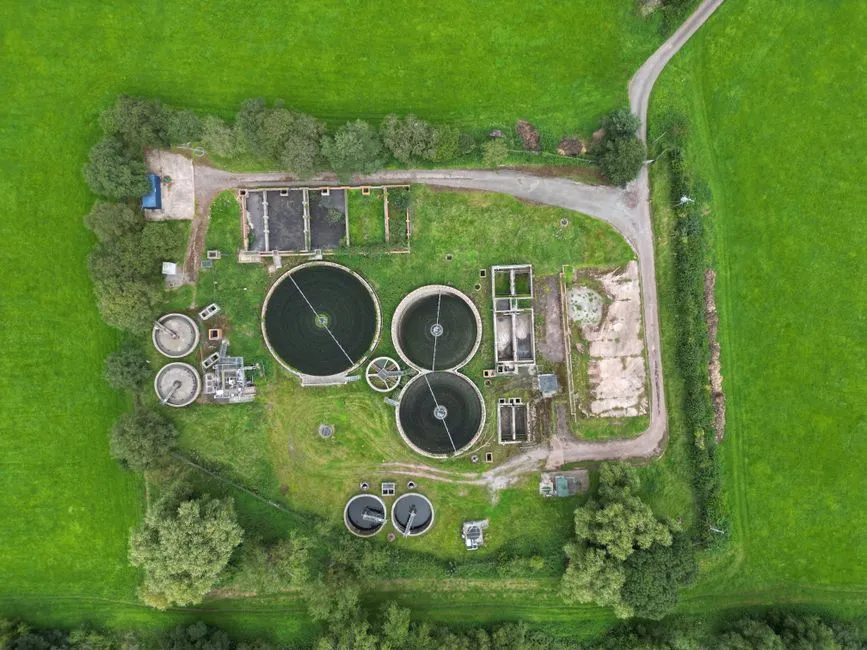
A defensible Hyderabad ETP for a 50–200 m³/day pharma, textile, or mixed industrial flow runs as a six-stage train: equalisation, primary clarification, biological treatment, tertiary polishing, disinfection, and sludge handling. Each stage exists for a specific compliance reason; skipping any one of them will surface as a consent violation within 6–12 months under TSPCB's random sampling programme.
- Equalisation and neutralisation. A 6–8 hour HRT buffer tank absorbs hydraulic and load shocks, with online pH correction to 6.5–7.5 using lime or caustic dosing. The Industrial Waste Treatment Handbook's anaerobic and aerobic guidance recommends at least 6 hours of buffer to dampen batch releases common in Pashamylaram API plants.
- Primary clarification. A lamella clarifier for primary settling at surface loading 20–40 m/h removes 50–70% of settleable TSS before the biological stage, which lowers aeration demand and protects blowers from grit.
- Biological treatment. Conventional ASP or SBR at MLVSS 3,000–6,000 mg/L, F/M 0.15–0.4/day, and HRT 6–10 hours; MBBR with HDPE media is the common retrofit when an existing Hyderabad ETP must lift capacity by 30–50% without civil expansion.
- Tertiary polishing. A DAF system for tertiary TSS and FOG removal (4–300 m³/h, micro-bubble) followed by a sand/multimedia filter to SDI < 5 ahead of any RO. The DAF also protects the downstream membrane bank from oil breakthrough, which is the most common cause of premature RO fouling in Hyderabad pharma plants.
- Disinfection. Chlorine dioxide dosing at 1–2 mg/L residual, or UV at 40 mJ/cm². Chlorine gas is restricted because CPCB caps TRC at 1.0 mg/L, and overdosing from a faulty analyser is a frequent audit finding.
- Sludge handling. A filter press for TSPCB-compliant sludge cake reaches 22–28% dry solids, the minimum threshold for legal transport under the TSPCB manifest system. A PLC-controlled chemical dosing skid for PAC, polymer, NaOH, and HCl pre-wires the reagent side and shortens commissioning on tight Hyderabad plots.
Choosing Between Conventional Activated Sludge, MBR, and SBR for Hyderabad Conditions
The right biological process depends less on vendor preference and more on three site-specific drivers: hydraulic variability, available footprint, and consent reliability. A MBR system for pharma and footprint-constrained sites gives near-reuse effluent with TSS < 2 mg/L, but membrane replacement at 3–10 year intervals adds 8–12% to lifetime OPEX; for more on service intervals, see What Is the Lifespan of MBR Membranes? Real Data & Factors That Extend It.
Conventional ASP remains the lowest-CAPEX option at ₹15–25 lakh per 10 m³/day, and Hyderabad's operator pool has 20+ years of experience running it — but it is the most sensitive to hydraulic shock, which is a daily reality in combined-process plants. SBR (sequencing batch reactor) is the right call for < 100 m³/day plants, especially small pharma batch discharges at Pashamylaram; a single-tank design eliminates the secondary clarifier, though the cycle time must be tuned to the TSPCB auto-sampler window to avoid under-reporting during a fill phase. MBBR offers the simplest retrofit path: HDPE media replacement runs ₹800–2,500/m³ every 8–12 years, and the carrier fill can be added to an existing aeration tank without draining the structure.
Decision rule for a Hyderabad engineer: hydraulic variation > 30% → SBR or MBBR; site < 250 m² for 100 m³/day → MBR; steady, low-variation flow with capex pressure → conventional ASP. MBR's real economic case is when recycled water has a customer — a cooling-tower make-up loop, a process rinse stream, or a gardening demand on the same plot — because that turns 60% of the effluent from a cost line into a recovered input.
| Process | CAPEX (₹ lakh / 10 m³/day) | Footprint (relative) | Effluent TSS (mg/L) | Best Hyderabad fit |
|---|---|---|---|---|
| Conventional ASP | 15–25 | 1.0× baseline | 10–30 | Steady flow, capex pressure, local operators available |
| SBR | 20–35 | 0.8× | 10–25 | Small pharma batch discharges, < 100 m³/day |
| MBR (PVDF 0.1 μm) | 40–85 | 0.4× | < 2 | Reuse demand, tight plots, variable load |
| MBBR | 25–45 | 0.7× | 15–40 | Retrofit of existing aeration tank, +30–50% capacity |
When ZLD Actually Makes Sense in Hyderabad
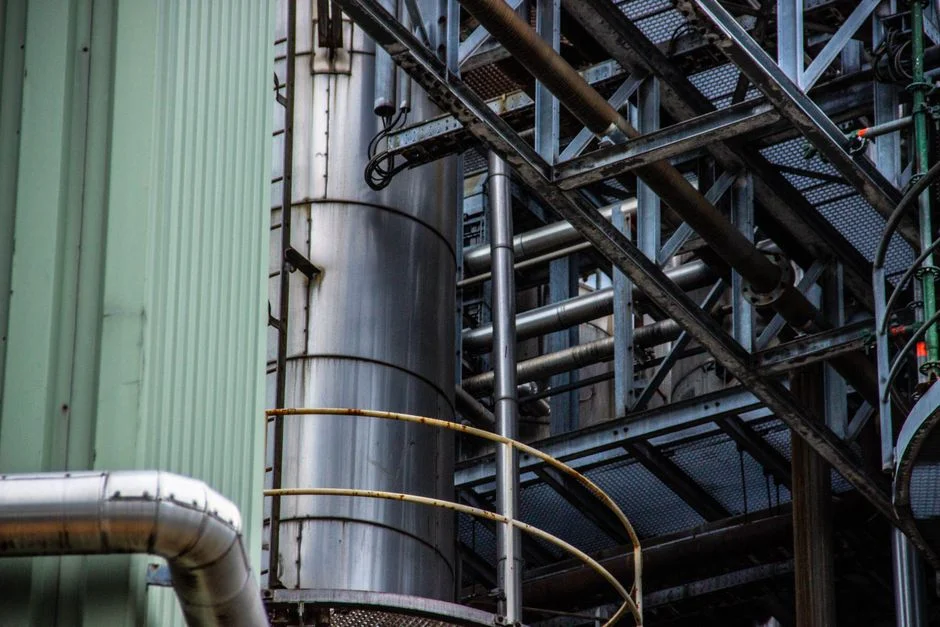
ZLD is the right answer in two cases and a financial trap in the rest. TSPCB forces it for new units in declared water-stressed mandals under the 2023 Industrial Water Policy amendments, and for any plant that cannot route RO concentrate to a freshwater body. Outside those conditions, a CAPEX decision to install ZLD is recoverable only above 200 m³/day with influent TDS > 5,000 mg/L — the threshold where freshwater purchase and disposal start to dominate the OPEX line.
Cost breakeven: MEE + ATFD CAPEX sits at ₹2.5–4.5 crore per 100 m³/day, with OPEX of ₹60–110 per cubic metre recovered. For pharma and bulk-drug plants, MVR evaporator OPEX in 2026 typically runs 30–40% below MEE — the MVR operating cost benchmark lands at ₹35–70 per cubic metre, and the 2026 cost-curve has shifted further in MVR's favour as heat-recovery integration has matured. For context on the broader market forces pushing water reuse, see the MVR Evaporator Operating Cost in 2026: OPEX Breakdown & ROI Guide and the Water Reuse Market Size 2026: Industrial Equipment Buyer's Outlook.
Below the breakeven, two options are more cost-effective: route RO concentrate to a CETP (the Pashamylaram and Balanagar CETPs each take third-party concentrate under TSPCB framework), or run partial ZLD at 70–80% recovery with brine sending to an authorised TSPCB manifest handler. The single most common over-spec we see in Hyderabad tenders is a 50 m³/day plant being quoted for full ZLD at ₹4 crore CAPEX when a tertiary-plus-CETP solution at ₹1.2 crore CAPEX would meet the consent order for half the OPEX.
Equipment Sizing and Specification for a Typical Hyderabad ETP
Sanity-check a vendor's equipment list against independent benchmarks before signing a PO. The four most under-scoped items in Hyderabad bids are screening aperture (too coarse), DAF sizing (sized for average, not peak flow), aeration blower specific power, and sludge dewatering capacity.
- Headworks screening. A rotary bar screen for headworks with 3–10 mm aperture removes rags and fibrous debris that damage downstream pumps; a 6 mm aperture is the Hyderabad default for mixed industrial effluent.
- DAF capacity. 4–300 m³/h; size for 4× peak instantaneous flow, not the daily average. Under-sizing a DAF by 2× is the most common reason post-DAF TSS exceeds 30 mg/L during morning CIP releases.
- Biological aeration. Blower specific power 1.5–2.5 kg O₂/kWh; EPDM membrane disc diffusers with 2 mm orifice. Below 1.5 kg O₂/kWh, expect consent excursions during summer temperatures when oxygen transfer drops.
- Sludge dewatering. Plate and frame filter press sized for 1–500 m² filtration area, reaching 22–28% dry solids — required for TSPCB manifest disposal and for any TSPCB-permitted co-processing route.
- Chemical dosing. A PLC-controlled skid for PAC, polymer, NaOH, and HCl, factory-tested and pre-wired — typically halves the on-site commissioning time on a tight Hyderabad plot.
| Equipment | Sizing benchmark | Engineering check |
|---|---|---|
| Rotary bar screen | 3–10 mm aperture | Aperture < 6 mm for fibrous effluent |
| DAF | 4–300 m³/h | 4× peak instantaneous flow |
| Aeration blower | 1.5–2.5 kg O₂/kWh | Specific oxygen transfer at site temperature |
| Filter press | 1–500 m² | Cake DS 22–28% for TSPCB manifest |
| Chemical dosing skid | PLC-controlled, 4 reagent streams | Factory-tested, pre-wired |
2026 Cost Benchmarks and Project Timeline for Hyderabad
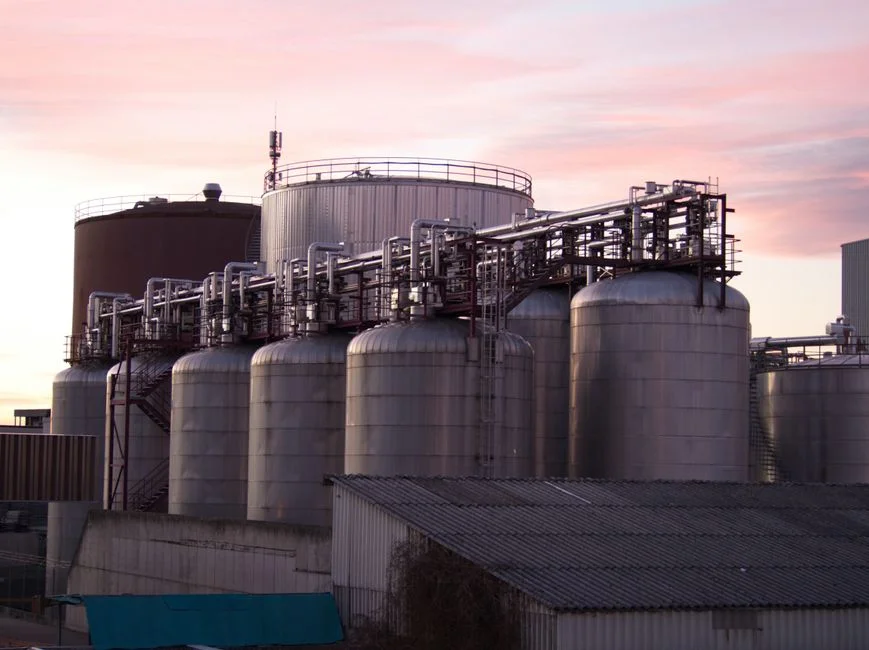
Numbers an engineer can put in a boardroom slide: 2026 CAPEX for a conventional ASP sits at ₹18–55 lakh per 10 m³/day; MBR runs ₹40–85 lakh per 10 m³/day; a ZLD add-on adds ₹25–45 lakh per 10 m³/day. OPEX benchmarks for 2026 are ₹3–8 per cubic metre for secondary treatment and ₹12–22 per cubic metre for full ZLD — the MVR-equipped pharma plant typically lands at the lower end of the ZLD range.
Project timeline: 4–6 weeks design, 8–14 weeks fabrication, 6–10 weeks installation and commissioning — total 5–8 months for a 50 m³/day plant, with the consent review sitting on the critical path. The hidden cost items most Hyderabad EPCs under-quote are TSPCB consent renewal fees, online pH/COD analysers (₹4–8 lakh per stream), and operator training — typically ₹1.5–3 lakh per cohort, but required for consent sign-off.
Decision rule: if discharge is to municipal sewer under HSPCB/CPCB norms and influent TDS < 2,000 mg/L, skip ZLD and route secondary-treated effluent to the municipal line. If discharge is to land or irrigation under a TSPCB irrigation consent, tertiary alone may suffice — confirm TDS and residual chloride limits before specifying RO. For anything else, MBR or SBR with partial ZLD is the economic middle ground.
Frequently Asked Questions
Q1: What are the 2026 TSPCB discharge limits for industrial wastewater in Hyderabad?
TSPCB consent orders reference CPCB Schedule-I: BOD ≤ 30 mg/L, COD ≤ 250 mg/L, TSS ≤ 100 mg/L, pH 6.5–8.5, oil & grease ≤ 10 mg/L for discharge to inland surface water. For marine or sewer disposal, separate Schedule-VI limits apply.
Q2: How much does a 50 KLD ETP cost in Hyderabad?
₹90 lakh to ₹2.5 crore for the plant itself, depending on the biological process and the discharge destination. A 50 KLD conventional ASP for sewer discharge sits around ₹90 lakh; a 50 KLD MBR with partial ZLD for a Pashamylaram pharma site lands between ₹1.8 and ₹2.5 crore.
Q3: Which wastewater treatment process is best for pharma effluent in Pashamylaram?
Equalisation with cyanide destruct upstream if present, followed by an MBR with PVDF membranes and RO for reuse. The 0.1 μm MBR pore size consistently drops TSS below 2 mg/L and protects the downstream RO from fouling — the most common cause of RO failure in Hyderabad pharma plants.
Q4: Is ZLD mandatory in Hyderabad in 2026?
Yes for new and expansion units in notified water-stressed mandals (Sangareddy, Medchal-Malkajgiri, parts of Rangareddy) and for all bulk-drug plants above the consent thresholds defined in Telangana's Industrial Water Policy 2023 amendments. Outside those conditions, ZLD is a financial choice, not a regulatory one.
Q5: How long does a Hyderabad ETP project take from PO to commissioning?
5–8 months for a 50 m³/day plant including TSPCB consent review. The critical path is typically fabrication (8–14 weeks) and the consent review, which can add 4–8 weeks if stack monitoring or cluster-level CETP capacity confirmation is required.