A dissolved air flotation (DAF) system manufacturer designs and builds equipment that removes suspended solids, fats, oils, and grease (FOG) from industrial wastewater using micro‑bubbles. HydropureWater’s DAF system with micro‑bubble technology achieves 90–97% TSS and FOG removal across 4–300 m³/h flows, with stainless steel or PP construction for durability in food, textile, and petrochemical applications.
What Is a Dissolved Air Flotation (DAF) System and How Does It Work?
DAF systems remove suspended solids and contaminants from wastewater by injecting dissolved air under pressure to create micro‑bubbles that attach to suspended particles.
A typical DAF unit involves several key steps: the influent first passes through a coagulant/flocculant dosing point (reaction zone), then is pumped at 5–7 atm into a saturator where air is dissolved. When the saturated stream re‑enters the flotation tank at atmospheric pressure, the air expands into 20–50 µm bubbles. These micro‑bubbles have a high surface‑area‑to‑volume ratio, increasing collision frequency with colloidal solids, fats, and oil droplets. The buoyant particle‑bubble aggregates rise to the surface, forming a scum layer removed by a skimmer arm (skimming zone). The clarified effluent exits the tank after a hydraulic retention time of 15–20 minutes.
Key process parameters monitored by engineers include pressure in the saturator, recycle flow rate, air‑to‑solids ratio, and bubble size distribution.
- Pressure in the saturator is maintained at 5–7 atm to achieve required air solubility.
- Recycle flow rate is typically 10–15 % of the influent flow, balancing bubble generation and energy use.
- The air‑to‑solids ratio is kept between 0.01–0.03 kg air per kg solids to optimize flotation efficiency.
- Bubble size distribution is critical, with smaller bubbles (20–30 µm) providing up to 30 % higher removal efficiency for low‑density FOG droplets.
Additional operational considerations include temperature control and the use of inline turbidity sensors to fine‑tune coagulant dosage. Properly sized diffusers and regular cleaning of the saturator vent prevent fouling.
Industrial Applications of DAF Systems by Sector
Various industries generate distinct wastewater characteristics that determine DAF suitability. These include food processing, pulp & paper, textile, metalworking, and municipal sectors.
Food processing – High‑fat streams are common in dairy, meat, and beverage plants. Field data show 90–95 % FOG removal and 85–92 % TSS reduction when a coagulant dose of 15 mg/L FeCl₃ is combined with micro‑bubble flotation. DAF can be paired with enzymatic pretreatment to further lower biochemical oxygen demand (BOD) before discharge.
Pulp & paper – Whitewater recycling requires removal of fine fibers and lignin‑derived colloids. DAF achieves 92–97 % TSS removal and a 40 % reduction in color units, meeting EPA 2024 benchmarks. Pilot studies indicate a 15 % reduction in chemical oxygen demand (COD) when a high‑charge polymer is added upstream.
Textile – Dye‑laden effluents contain high COD and color. When paired with anionic polymer flocculants, DAF delivers 70–85 % COD reduction and 90 % TSS removal, enabling process water reuse. Recent implementations have demonstrated a 25 % water‑use savings compared with conventional sedimentation.
Metalworking – Emulsified cutting oils and metal fines are effectively separated; pilot runs report final oil & grease concentrations <10 mg/L. Adding a mild acid neutralization step before DAF can improve oil droplet coalescence.
Municipal – DAF is used for primary clarification or sidestream sludge thickening, delivering 40–60 % thickening efficiency. In small‑town plants, DAF has reduced the required digester volume by 10 %.
For deeper sector analyses, see case studies on Lima‑based food plants and São Paulo textile facilities.
Key Performance Metrics for DAF Systems
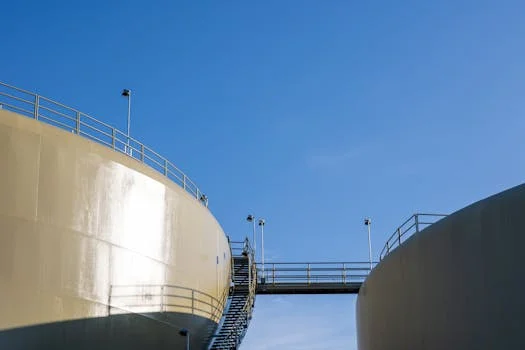
Key performance metrics for DAF systems include removal efficiencies, hydraulic loading, and chemical consumption under standardized test conditions.
| Parameter | Typical Value | Units | Notes |
|---|---|---|---|
| TSS removal efficiency | 90–97 | % | Measured for influent 50–1 500 mg/L (HydropureWater field data, 2025) |
| FOG / oil & grease removal | 90–95 | % | Optimized with 10–30 mg/L FeCl₃ and 0.5–2 mg/L cationic polymer |
| Hydraulic loading rate | 10–20 (standard) / up to 30 (high‑rate) | m³ / m² / h | Depends on tank geometry and bubble diffuser design |
| Air‑to‑solids ratio | 0.01–0.03 | kg air / kg solids | Avoids bubble coalescence that reduces flotation efficiency |
| Chemical consumption (coagulant) | 10–30 | mg/L | FeCl₃ or AlCl₃; dosage tuned by online turbidity feedback |
| Chemical consumption (polymer) | 0.5–2 | mg/L | High‑charge cationic polymer for fine colloids |
| Power demand (pumps + skimmer) | 0.15–0.25 | kW / m³/h | Variable‑frequency drives improve energy efficiency |
Additional metrics tracked in compliance reports include effluent BOD₅ reduction and total nitrogen removal when a downstream biological step is present.
DAF vs. Gravity Thickener vs. Lamella Clarifier: Choosing the Right Technology
The choice between DAF, gravity thickener, and lamella clarifier depends on footprint, sludge density, and target removal rates. Engineers evaluate space requirement, removal performance, and cost profile.
- Space requirement – DAF tanks provide high surface loading with a compact footprint.
- Removal performance – Micro‑bubble flotation excels at separating low‑density floatables and fine colloids.
- Cost profile – Capital (CAPEX) versus operating (OPEX) trade‑offs vary with the technology.
| Technology | Footprint (m² per 100 m³/h) | TSS removal | FOG removal | CAPEX | OPEX |
|---|---|---|---|---|---|
| DAF | 15 | 90–97 % | 90–95 % | ≈ €1 200 / m³/h | €0.15–0.35 / m³ |
| Gravity thickener | 35 | 85–92 % | 45–60 % | ≈ €900 / m³/h | €0.20–0.40 / m³ |
| Lamella clarifier | 22 | 80–88 % | 55–70 % | ≈ €1 050 / m³/h | €0.18–0.38 / m³ |
Key observations include DAF's compact footprint, higher removal efficiency, and automated operation reducing labor costs. A life‑cycle cost analysis (LCCA) can help evaluate long‑term economics.
Engineering and Integration Requirements for Industrial DAF Systems
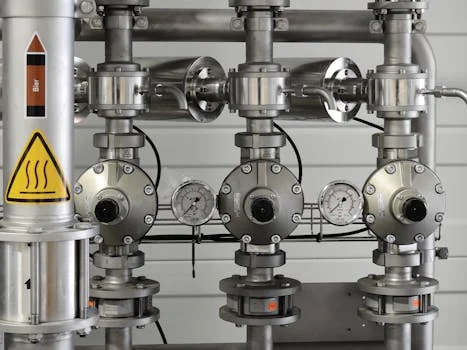
Successful DAF system integration requires careful selection of materials, pump sizing, and automated control logic.
Materials – Stainless steel 304/316 is recommended for corrosive streams, while polypropylene tanks are cost‑effective for low‑temperature, low‑pH streams.
Recycle pressurization – A centrifugal pump with a variable‑frequency drive maintains pressure in the saturator. Real‑time pressure feedback prevents air‑solubility loss.
Chemical dosing – Dosing pumps are PLC‑synchronized with influent flow meters, enabling closed‑loop turbidity control.
Skimming automation – Skimmer arms with VFDs adjust sweep speed based on surface scum level. Sensors detect scum thickness and trigger faster sweeps during peak loads.
Related hardware such as automatic chemical dosing systems and rotary mechanical bar screens protect the DAF inlet from debris.
Frequently Asked Questions
Concise answers to common technical questions about DAF operation and ownership are provided below.
- How much does a DAF system cost per m³ treated? OPEX ranges from €0.15 to €0.35 per m³.
- What is the lifespan of a DAF system? Stainless‑steel units last 15–20 years; polypropylene units often exceed 20 years.
- Can DAF replace sedimentation? Yes, for streams dominated by low‑settling or buoyant solids.
- Do DAF systems need skilled operators? Fully automated models require less than one hour per week of monitoring.
- What maintenance does a DAF system need? Monthly inspection, weekly cleaning of air‑release valves, and quarterly lubrication are standard.
- How is sludge from a DAF handled? Concentrated sludge can be dewatered and disposed of or sent to an anaerobic digester.
- Is there a way to reduce chemical usage? Real‑time monitoring allows dynamic dosing, cutting coagulant consumption by up to 20 %.
Further Reading
Explore in-depth articles on related wastewater treatment topics: