Industrial wastewater treatment in Lima is undergoing a significant transformation, driven by Peru’s $200 million World Bank-backed 10-year program. As the La Chira plant expands to serve 2.5 million inhabitants, industrial facilities in Lima must proactively adopt advanced compliant systems, such as Dissolved Air Flotation (DAF) and Membrane Bioreactors (MBR), to meet tightening effluent standards for critical parameters like Chemical Oxygen Demand (COD), Biochemical Oxygen Demand (BOD), and Total Suspended Solids (TSS).
Why Industrial Wastewater Treatment in Lima Is Changing in 2025
Peru launched a 10-year wastewater management and circular economy strategy in 2025, supported by a $200 million investment from the World Bank. This national initiative directly impacts industrial operations across the country, particularly in metropolitan areas like Lima. The program aims to significantly increase the percentage of safely treated industrial wastewater, a critical need given that only an estimated 27% of industrial wastewater is safely treated globally (WHO and PAA data). The expansion of the La Chira treatment plant capacity, now serving 2.5 million residents in Lima, demonstrates a clear public investment momentum towards improved water quality. Private industries must align with this trajectory to avoid escalating penalties and ensure operational continuity under Peru’s evolving industrial effluent standards. The focus on a wastewater circular economy Peru also signals a shift towards resource recovery and reuse, demanding higher quality treated effluent from industrial sources.
Lima’s Key Industrial Sectors and Their Wastewater Challenges
Food processing and textiles dominate Lima’s industrial output, presenting distinct and significant wastewater challenges. Facilities in these sectors typically generate effluents characterized by high concentrations of Fats, Oils, and Grease (FOG), Chemical Oxygen Demand (COD), Biochemical Oxygen Demand (BOD), and often intense coloration. For instance, the food industry produces significant organic loads and suspended solids, while textile operations discharge highly colored water with complex organic compounds. Metalworking and petrochemical sectors in Lima face different but equally stringent requirements, necessitating robust oil water separator Lima solutions and advanced systems for heavy metal removal. These effluents can contain emulsified oils, suspended solids, and dissolved metals that require specialized treatment. municipal-adjacent facilities, such as hospitals and large hotels, must adhere to strict pathogen discharge limits, often requiring advanced disinfection post-treatment. Addressing these varied challenges requires tailored industrial wastewater treatment in Lima strategies that go beyond conventional primary methods, as highlighted by the complexities of food processing wastewater treatment in other developing regions.
Core Technologies for Industrial Wastewater Treatment in Lima
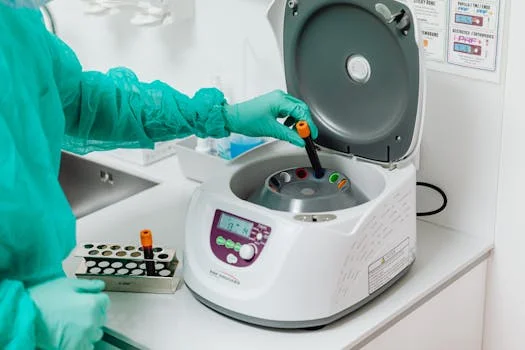
Effective industrial wastewater treatment in Lima relies on a combination of proven technologies designed to target specific contaminants. Dissolved Air Flotation (DAF) systems are highly effective for removing 92–97% of suspended solids, FOG, and light particles from industrial wastewater (HydropureWater field data, 2025). This makes a high-efficiency DAF system for FOG and solids removal an ideal primary or secondary treatment stage for industries such as food processing, textiles, and metalworking, where fat, oil, and suspended solids concentrations are high. For advanced treatment and water reuse, Membrane Bioreactor (MBR) systems deliver superior effluent quality, typically achieving <1 μm filtration and meeting stringent reuse standards. MBR plants also offer a significant advantage with up to 60% smaller footprints compared to conventional activated sludge systems, which is crucial in densely populated areas like Lima. Pretreatment is often critical for variable influent streams, and chemical dosing system industrial solutions, utilizing coagulants, flocculants, and pH adjusters, ensure optimal conditions for subsequent physical or biological treatment stages. These systems stabilize pH, neutralize acids or bases, and enhance the aggregation of suspended particles, improving overall treatment efficiency.
Table 1: Key Industrial Wastewater Treatment Technologies Comparison for Lima
| Technology | Primary Application | Typical Removal Efficiency | Key Advantages | Considerations |
|---|---|---|---|---|
| Dissolved Air Flotation (DAF) | FOG, TSS, Colloids from food, textile, metalworking | 92-97% TSS & FOG | High efficiency for suspended solids, compact footprint, robust for variable influent | Requires chemical pretreatment; sludge handling |
| Membrane Bioreactor (MBR) | BOD, COD, TSS, Pathogens for high-quality effluent & reuse | >95% BOD/COD, >99.9% TSS/Pathogens | Superior effluent quality (<1 μm), small footprint, suitable for water reuse | Higher CAPEX/OPEX, membrane fouling potential |
| Chemical Dosing Systems | pH adjustment, coagulation, flocculation, nutrient removal | Varies by application (e.g., 80-90% heavy metal precipitation) | Optimizes downstream processes, ensures consistent pH, enhances particle removal | Ongoing chemical costs, sludge generation |
| Oil Water Separators | Free and emulsified oils from petrochemical, metalworking | 90-99% free oil removal | Cost-effective for bulk oil removal, protects downstream systems | Limited for emulsified oils, requires regular maintenance |
How to Choose the Right System: Capacity, Cost, and Compliance
Selecting the appropriate wastewater treatment Peru system for an industrial facility in Lima requires a careful evaluation of capacity, capital expenditure (CAPEX), operational expenditure (OPEX), and compliance targets. DAF systems offer a wide range of capacities, typically from 4–300 m³/h, with CAPEX ranging from $50k–$500k depending on automation levels, materials of construction, and specific features (per 2025 pricing data). These systems are generally cost-effective for primary treatment of high-flow, high-solids effluents. In contrast, compact MBR system for high-quality effluent and reuse, while offering superior effluent quality for discharge or reuse, typically handle flows from 10–2,000 m³/day. MBR systems usually have a higher CAPEX and OPEX due to membrane replacement and energy consumption for aeration, but they provide benefits such as lower sludge production and significantly reduced land footprint. Automated chemical dosing systems are crucial for maintaining consistent treatment conditions, reducing labor costs, and ensuring continuous compliance with pH and coagulant dosing requirements. For instance, a basic automatic chemical dosing system might have a CAPEX of $5,000-$20,000, but its impact on overall system efficiency and compliance is invaluable.
Table 2: Equipment Selection Guide for Industrial Wastewater Treatment in Lima (2025 Estimates)
| Technology | Typical Flow Range | Estimated CAPEX (USD) | Estimated OPEX (USD/m³ treated) | Best Suited Industries |
|---|---|---|---|---|
| DAF System | 4 - 300 m³/h | $50,000 - $500,000 | $0.05 - $0.20 | Food processing, Textiles, Metal finishing, Oil & Gas (primary) |
| MBR System | 10 - 2,000 m³/day | $150,000 - $1,000,000+ | $0.20 - $0.80 | Any industry requiring high-quality effluent, water reuse, compact footprint |
| Chemical Dosing System | Variable (influent flow dependent) | $5,000 - $50,000 | $0.01 - $0.05 (chemical cost) | All industries (pretreatment, pH control, nutrient removal) |
| Oil Water Separator | 5 - 500 m³/h | $20,000 - $200,000 | $0.02 - $0.10 | Petrochemical, Metalworking, Automotive, Manufacturing |
Meeting Peru’s Evolving Discharge Standards
While Peru currently lacks a single, centralized set of industrial discharge limits, the ongoing World Bank program is expected to drive the enforcement of more stringent and harmonized industrial effluent standards Lima. Based on regional and international benchmarks, industries should anticipate targets such as BOD < 30 mg/L, TSS < 30 mg/L, and COD < 100 mg/L as a baseline for compliance. A combined DAF + MBR approach can achieve significantly higher treatment levels, often resulting in BOD < 10 mg/L and TSS < 5 mg/L, thereby exceeding anticipated norms and future-proofing facilities against tightening regulations. For healthcare facilities, hotels, and other municipal-linked operations, robust disinfection is paramount. Chlorine dioxide disinfection systems ensure a 99%+ pathogen kill rate, effectively eliminating bacteria, viruses, and protozoa. This proactive approach to industrial wastewater treatment in Lima not only ensures compliance but also positions businesses as environmentally responsible leaders within the new wastewater circular economy Peru framework.
Frequently Asked Questions
How much does it cost to treat industrial wastewater in Lima?
The total capital cost for an industrial wastewater treatment system in Lima typically ranges from $50,000 to $1.2 million, depending on factors like daily flow rate, influent characteristics, and the chosen technologies (e.g., DAF, MBR, chemical dosing, or a combination). Operating costs vary with energy consumption, chemical usage, and labor.
What is the largest wastewater treatment plant in the world?
The largest wastewater treatment plant globally is the Stickney Water Reclamation Plant in Cicero, Illinois, USA. However, Peru's La Chira treatment plant in Lima is a significant facility, serving 2.5 million inhabitants and undergoing continuous expansion, making it a crucial component of wastewater treatment Peru infrastructure.
Is only 27% of industrial wastewater safely treated globally?
Yes, according to data from organizations like WHO and the UN Environment Programme (PAA signal), only approximately 27% of industrial wastewater is safely treated worldwide. This highlights a critical global challenge that Lima, and Peru as a whole, are actively working to address through national programs and investments.
Which technology removes oil and grease most efficiently?
Dissolved Air Flotation (DAF) systems are highly efficient for removing FOG (Fats, Oils, and Grease) and suspended solids, typically achieving 95%+ removal rates. This makes a DAF system for food industry or petrochemical applications particularly effective for primary treatment of oily wastewaters.
Can I install a wastewater system underground in Lima?
Yes, integrated underground sewage treatment units, such as HydropureWater's WSZ series, are available for applications in Lima. These WSZ series buried units are designed to handle flows from 1–80 m³/h, require minimal land footprint, and can operate with zero full-time operators, making them suitable for discreet and efficient urban installations.
Further Reading
Explore these in-depth articles on related wastewater treatment topics: