How Much Does a DAF Unit Cost?
Buyers asking how much does a DAF unit cost for industrial wastewater typically see package prices from about $3,900 for small skid-mounted units to more than $600,000 for fully installed systems above 100 m³/h. Mid-to-large full-scale packages commonly land between $100,000 and $500,000+. Material grade, automation, and chemical-dosing integration move a quote inside those bands.
Flow rate sets most of the equipment price. A 4 m³/h DAF-4 skid uses a smaller flotation tank and a lower-capacity saturation pump, so entry pricing stays low. As capacity approaches the DAF-300 at 300 m³/h, price does not rise linearly. Larger tanks need heavier structure, finer flow distribution, and heavier sludge scrapers, which drives the steep jump in high-capacity industrial units (HydropureWater field data, 2025).
Material choice creates the next large delta. Epoxy-coated carbon steel units usually cost 20–30% less than SUS304 stainless equivalents. Carbon steel suits non-corrosive municipal streams. High chlorides, fats, or acidic industrial wastewater usually needs SUS304 or SUS316. The detailed 2025 DAF machine cost price analysis with ROI models shows higher stainless CAPEX, while lower corrosion maintenance often recovers the premium.
Automation and chemical feed close the CAPEX picture. Manual units need frequent operator checks on air pressure and sludge removal. A PLC with SCADA adds about 15–25% to base equipment cost and can cut OPEX by up to 30% through tighter energy and chemical use. Adding PLC-controlled chemical dosing for DAF optimization adds $8,000–$20,000 yet can raise TSS removal by about 25% when coagulant and flocculant doses stay on target.
Industrial DAF System Pricing by Capacity and Configuration
Industrial DAF system pricing splits into four capacity tiers by flow, material, and micro-bubble hardware. Procurement teams should match budget to the wastewater stream, not to a generic catalog average. Small units from 4–20 m³/h often price between $3,900 and $15,000 as skid-mounted carbon steel packages for small food plants or pilot lines.
Mid-scale systems from 20–100 m³/h cover most industrial buys at $15,000 to $70,000. In this band the Dissolved Air Flotation (DAF) System often shifts to SUS304 and semi-automated PLC controls. Micro-bubbles in the 20–50 micron range remove oils, greases, and suspended solids at rates dairy and meat plants expect.
Large systems from 100–300 m³/h usually need $70,000 to $300,000. These packages are fully automated, with high-efficiency recycle pumps and integrated sludge thickening. Projects above 300 m³/h enter custom full-scale work at $300,000 to over $600,000, including civil scope, custom panels, and complex chemical feed similar to large municipal or petrochemical upgrades.
| System Scale | Flow Rate (m³/h) | Typical Price Range (USD) | Standard Materials | Automation Level |
|---|---|---|---|---|
| Small-Scale / Skid | 4 – 20 | $3,900 – $15,000 | Carbon Steel / Epoxy | Manual / Basic |
| Mid-Scale Industrial | 20 – 100 | $15,000 – $70,000 | SUS304 Stainless Steel | Semi-Automated (PLC) |
| Large-Scale Industrial | 100 – 300 | $70,000 – $300,000 | SUS304 / SUS316 | Full PLC / SCADA |
| Custom Full-Scale | 300+ | $300,000 – $600,000+ | Custom Alloy / SUS316 | Full Remote Integration |
What Drives Stainless Steel DAF Skid Cost?
Stainless steel DAF skid cost rises mainly with alloy grade, wetted surface area, and certified plate thickness—not with brand labels. SUS304 is the common industrial default. SUS316 is specified when chlorides or acidic cleaning chemicals attack 304 welds and heat-affected zones.
Most plants we size for food and chemical duty run stainless at the mid-scale band, not the smallest skid. Coated carbon steel can save about 25% on day-one CAPEX. In aggressive streams that same tank often needs recoating or structural work within 8–10 years. SUS304 tanks commonly exceed 15 years of service when wastewater acidity stays in the design envelope.
According to the US EPA Process Design Manual for Sludge Treatment and Disposal (1979), shop-fabricated steel DAF tanks are typically limited to about 40.5 m² of rectangular surface area. Structure and shipping limits push larger duties toward site-built concrete basins. That boundary explains why stainless skids stay economical in the 20–100 m³/h class while 300+ m³/h projects carry civil-heavy custom pricing.
Ask vendors for ASTM A240 material certificates on tank plate and scrapers. “Commercial grade” stainless without mill traceability is a frequent cause of early pitting in chloride-bearing effluent.
Total Installed Cost: Beyond the Equipment Price
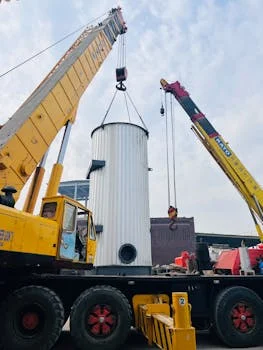
Total installed DAF cost often runs 30–50% above the FOB equipment quote once site work is counted. Crane hire and rigging for units above about 50 m³/h typically add 10–15% of equipment cost to set the flotation tank and saturation vessels.
Civil works vary widely and many vendor quotes omit them. A reinforced pad must carry the operating weight of a full tank. Depending on soils, trenches, and sumps, civil scope can range from $15,000 to $50,000. Brownfield plants with existing pads spend less. Greenfield sites must budget foundation and piping in full.
Electrical and control integration usually falls between $8,000 and $20,000 for power to pumps and scrapers plus PLC-to-SCADA labor. Commissioning, operator training, and first performance checks typically cost $5,000 to $10,000. Those line items decide whether a project stays inside the approved CAPEX envelope.
"A common mistake in industrial procurement is focusing solely on the FOB price. In complex wastewater environments, the 'hidden' costs of civil integration and electrical syncing often determine whether a project stays within budget or requires mid-cycle emergency funding." — HydropureWater Engineering Review, 2025.
Design loading also shapes basin size and therefore civil cost. US EPA wet-weather testing on a combined-sewer DAF reported best observed performance near 145 m³/(m²·day) surface loading. That run used alum at 75 mg/L and an air-to-solids ratio of at least 0.05 kg air/kg solids (EPA-600/2-75-033, 1975). Undersizing rise area to chase a lower quote risks solids carryover at peak flow.
How Does DAF Differ From an API Separator?
Dissolved air flotation differs from an API separator by using pressurized recycle and 20–50 micron bubbles to lift fine solids and emulsified oils, while an API unit relies mainly on gravity on free oil. Gravity separators struggle when oil droplets stay emulsified or solids stay near neutral buoyancy.
When teams compare DAF vs API separator for oil removal and cost efficiency, DAF usually wins on smaller particles and tighter effluent TSS targets. API hardware can still be the right primary step for free-oil dominated streams before a polishing DAF. Cavitation air flotation uses a different bubble-generation path and is not interchangeable with a pressurized dissolved-air recycle design on the same hydraulic criteria.
Energy and chemical OPEX also diverge. Modern high-efficiency recycle pumps on DAF-class units can use 15–20% less power than older saturation trains. On 24/7 duty that efficiency premium often pays back in 2 to 3 years when power price and runtime match the design basis.
How to Compare DAF System Quotes and Avoid Overpaying
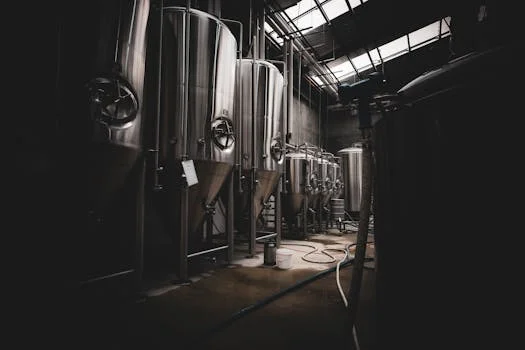
Fair quote comparison starts with a complete scope list, not the lowest FOB number. Low bids often omit 30–40% of the hardware needed for a working train. Require a line-item breakdown for the flotation tank, saturation system, sludge scraper, baffles, and control panel.
Use this selection checklist before you sign:
- Design flow at average and peak m³/h, with stated rise rate
- Tank material and ASTM A240 certificates for stainless plate
- Recycle pump duty, saturator pressure, and bubble-size claim
- Chemical dosing included versus listed as optional
- PLC/SCADA scope and spare I/O for future sensors
- Two-year spare parts list with lead times
- OPEX estimate for kWh/m³ and chemical dose per m³
Verify rise-rate assumptions. Undersizing to hit a price target produces high rise rates that miss fine solids at peak. Overdesign beyond about 20% extra capacity inflates CAPEX without a matching process need. Full PLC automation can add $20,000–$50,000 upfront yet cut manual labor by up to 50% when air-to-water ratio and dosing track influent sensors in real time.
Who This Is For and Next Step
This guide is for plant engineers, EPC contractors, and procurement managers sizing industrial or municipal pretreatment DAF packages. Teams that only need free-oil gravity separation should start with API or CPI hardware instead. If you need a capacity-matched quote with material and automation options spelled out, request a DAF system quote with your flow and wastewater data so the scope matches the price band above.
Frequently Asked Questions
How much does a DAF system cost?
Small skid-mounted units start near $3,900. Standard industrial packages for mid-sized plants typically range from $100,000 to $500,000. Total installed cost for large custom projects can exceed $600,000 once civil, electrical, and commissioning work are included. Final price tracks flow rate, stainless versus coated steel, and automation scope.
What factors change DAF system cost the most?
Flow rate, construction material, automation level, and integrated chemical dosing drive most of the CAPEX spread. Site civil and electrical work then add roughly 30–50% beyond the equipment quote on many industrial installs. Always compare complete scopes, not FOB-only numbers.
Is SUS304 stainless steel worth about 30% more?
Yes for corrosive industrial wastewater. SUS304 commonly lasts more than 15 years in food and chemical service when chloride and pH stay inside design limits. Epoxy-coated carbon steel may need major recoating or replacement within 8–10 years under the same duty.
How does automation lower long-term DAF cost?
PLC control stabilizes air dissolution and chemical dose, which cuts chemical waste and protects downstream units from slug loads. Automated sludge removal and remote monitoring can reduce manual labor demand by about 50%. Many plants recover the automation premium through lower OPEX within a few operating years.
What is included in total installed DAF cost?
Total installed cost covers base equipment plus rigging, civil foundations, electrical wiring, PLC integration, and commissioning with operator training. Crane work alone often adds 10–15% of equipment cost on units above about 50 m³/h. Civil pads and trenches can add another $15,000 to $50,000 depending on site conditions.