Industrial wastewater treatment in Uttarakhand, India, requires advanced Effluent Treatment Plant (ETP) systems due to strict Central Pollution Control Board (CPCB) norms and sensitive river ecosystems. For example, food processing effluents can reach 5,000 mg/L Chemical Oxygen Demand (COD) and 2,500 mg/L Biochemical Oxygen Demand (BOD), demanding high-efficiency solutions like Dissolved Air Flotation (DAF) or Membrane Bioreactor (MBR) systems to meet discharge limits of 250 mg/L COD and 30 mg/L BOD.
Why Industrial Wastewater Treatment Is Critical in Uttarakhand
Industrial growth in Uttarakhand significantly impacts the Ganges River and its tributaries, necessitating robust wastewater treatment infrastructure. Key industrial zones in Dehradun, Haridwar, and Pantnagar discharge substantial volumes of wastewater, increasing the pollution load on vital freshwater sources. Untreated effluents from sectors like pharmaceuticals and textiles contain hazardous heavy metals, persistent organic pollutants, and synthetic dyes, posing severe health risks to human populations and causing irreversible biodiversity loss in aquatic ecosystems. The CPCB mandates Zero Liquid Discharge (ZLD) for certain highly polluting sectors, making non-compliance a serious regulatory risk that can lead to significant fines, operational shutdowns, and damage to corporate reputation. Effective industrial wastewater treatment in Uttarakhand India is therefore not just a regulatory obligation but an ecological imperative to protect the region's pristine natural environment and public health.
Key Industries and Their Wastewater Profiles
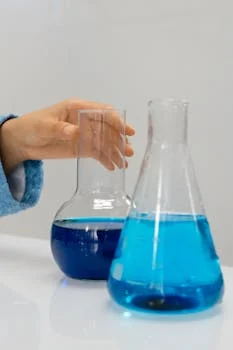
Industrial wastewater characteristics vary significantly by sector, dictating the specific treatment approach required to achieve compliance in Uttarakhand. Pharmaceutical effluents, for instance, typically average 2,000–4,000 mg/L COD and 800–1,500 mg/L BOD, and are characterized by the presence of active pharmaceutical ingredients (APIs), antibiotics, and various organic solvents that require specialized biological and advanced oxidation processes for effective degradation. Textile dyeing wastewater presents unique challenges with high levels of Total Suspended Solids (TSS) at 800–1,200 mg/L, COD ranging from 500–1,000 mg/L, and significant color intensity from synthetic dyes, often necessitating chemical coagulation and advanced oxidation techniques for efficient removal. Food processing units generate wastewater with high organic loads, typically 3,000–5,000 mg/L COD and 1,500–2,500 mg/L BOD, alongside substantial quantities of Fats, Oils, and Grease (FOG), which demand effective primary treatment for FOG separation before biological processing.
The following table details typical effluent parameters for major industries in Uttarakhand:
| Industry Sector | Typical COD (mg/L) | Typical BOD (mg/L) | Typical TSS (mg/L) | Key Contaminants |
|---|---|---|---|---|
| Pharmaceuticals | 2,000 – 4,000 | 800 – 1,500 | 100 – 300 | APIs, antibiotics, solvents, salts |
| Textile Dyeing | 500 – 1,000 | 200 – 400 | 800 – 1,200 | Dyes, heavy metals, surfactants, high color |
| Food Processing | 3,000 – 5,000 | 1,500 – 2,500 | 400 – 800 | Fats, Oils, Grease (FOG), sugars, proteins, suspended solids |
Best Treatment Technologies for Uttarakhand Industries
Selecting the most appropriate effluent treatment plant technology is critical for achieving compliance and operational efficiency, especially given the diverse wastewater profiles of the region's industries. Dissolved Air Flotation (DAF) systems are highly effective for removing FOG and suspended solids, demonstrating 92–97% removal efficiency from food processing wastewater, with capacities ranging from 4 to 300 m³/h. A high-efficiency DAF system for FOG and TSS removal is particularly well-suited as a primary treatment step for industries with high FOG loads, preventing downstream biological system overload. Membrane Bioreactor (MBR) systems, utilizing 0.1 μm PVDF membranes, achieve exceptionally high-quality effluent with less than 10 mg/L BOD and less than 20 mg/L COD, making them ideal for pharmaceutical effluent treatment system applications where stringent discharge limits or water reuse are required. A compact MBR system for high-quality effluent and water reuse allows industries to achieve significant water recovery rates, reducing freshwater intake. Chemical dosing with coagulants such as Polyaluminium Chloride (PAC) or ferrous sulfate effectively reduces color and TSS in textile dyeing wastewater treatment by 85–90% as a crucial pre-biological treatment step, preparing the effluent for subsequent biological degradation. An automatic chemical dosing system optimizes coagulant usage and ensures consistent treatment.
The following comparison matrix helps evaluate suitable technologies for specific industrial wastewater challenges:
| Technology | Primary Target Contaminants | Typical Removal Efficiency | Ideal Application | Advantages |
|---|---|---|---|---|
| Dissolved Air Flotation (DAF) | Fats, Oils, Grease (FOG), Suspended Solids (TSS) | FOG: 92-97%, TSS: 80-90% | Food processing ETP India, dairy, meat processing (primary treatment) | High FOG/TSS removal, compact footprint, rapid separation |
| Membrane Bioreactor (MBR) | BOD, COD, TSS, Pathogens | BOD: >95%, COD: >90%, TSS: >99% | Pharmaceutical effluent treatment system, high-organic load, water reuse, ZLD pre-treatment | High effluent quality, small footprint, stable operation, water reuse potential |
| Chemical Dosing (Coagulation/Flocculation) | Color, TSS, Heavy Metals | Color: 85-90%, TSS: 70-85% | Textile dyeing wastewater treatment (pre-treatment), heavy metal removal | Effective for color/heavy metal removal, rapid treatment, low CAPEX |
Meeting CPCB and Uttarakhand PCB Discharge Standards
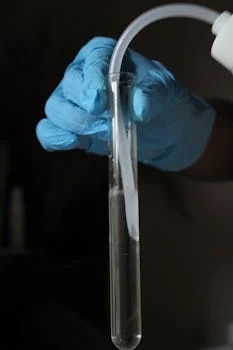
Compliance with CPCB and Uttarakhand Pollution Control Board (UAPCB) discharge standards is non-negotiable for industrial wastewater treatment in Uttarakhand. The CPCB general effluent norms establish strict limits for various parameters to protect water bodies. Specifically, industrial discharge must adhere to a Chemical Oxygen Demand (COD) of ≤ 250 mg/L, Biochemical Oxygen Demand (BOD) of ≤ 30 mg/L, Total Suspended Solids (TSS) of ≤ 100 mg/L, and a pH range of 5.5–9.0. Beyond these general norms, the Uttarakhand PCB requires quarterly effluent testing for all industrial units and mandates online continuous effluent monitoring systems (OCEMS) for industries with a discharge flow greater than 10 Kilo Liters per Day (KLD). Non-compliant discharges, particularly into Ganges-linked water bodies, can trigger severe penalties, including plant closure orders, under the provisions of the Water (Prevention and Control of Pollution) Act, 1974. Understanding these global wastewater compliance frameworks and monitoring standards is crucial for sustainable operations.
Below are the general CPCB discharge limits applicable to industrial effluents:
| Parameter | CPCB Discharge Limit (mg/L, unless specified) |
|---|---|
| pH | 5.5 - 9.0 |
| BOD (3 days at 27°C) | ≤ 30 |
| COD | ≤ 250 |
| Total Suspended Solids (TSS) | ≤ 100 |
| Oil & Grease | ≤ 10 |
| Ammoniacal Nitrogen | ≤ 50 |
| Total Kjeldahl Nitrogen (TKN) | ≤ 100 |
| Total Dissolved Solids (TDS) | ≤ 2100 (varies by receiving body) |
Designing a Future-Proof ETP: Capacity, Cost, and ROI
Designing an industrial ETP in Uttarakhand requires careful consideration of future capacity needs, capital expenditure (CAPEX), operational expenditure (OPEX), and overall return on investment (ROI). Modular DAF and MBR systems offer significant advantages by allowing phased expansion, enabling facilities to scale treatment capacity as production grows without incurring excessive initial investment. For example, HydropureWater's DAF systems are designed with plug-and-play skids, scaling efficiently from 4 to 300 m³/h to match evolving industrial demands. Implementing an automatic chemical dosing system can significantly reduce OPEX by optimizing polymer and coagulant consumption by 20–30% compared to manual systems, directly improving the ROI through lower chemical costs and more consistent treatment. Industrial wastewater reuse strategies, achieving 70–85% water recovery rates, substantially lower freshwater intake costs, which can range from ₹30–50/m³ in water-stressed regions of Uttarakhand. This not only contributes to environmental sustainability but also provides tangible economic benefits, making the ETP an asset rather than just a compliance cost. Evaluating the cost and ROI of associated equipment like sludge dewatering machines further solidifies the long-term financial viability of advanced ETP systems.
Frequently Asked Questions
What are the CPCB discharge limits for industrial effluent in Uttarakhand?
CPCB general limits for industrial effluent include COD ≤ 250 mg/L, BOD ≤ 30 mg/L, TSS ≤ 100 mg/L, and pH 5.5–9.0.
Which ETP technology is best for pharmaceutical wastewater treatment?
MBR systems are highly effective for pharmaceutical wastewater treatment due to their ability to produce high-quality effluent (<10 mg/L BOD) and facilitate water reuse.
How much does a 50 m³/day industrial wastewater treatment plant cost in Uttarakhand?
The cost of a 50 m³/day industrial wastewater treatment plant varies widely based on technology, specific effluent characteristics, and required discharge quality, typically ranging from ₹30 lakhs to ₹1 crore or more for advanced systems.
Can treated industrial water be reused in manufacturing processes?
Yes, treated industrial water, especially from MBR or tertiary treatment systems, can be reused for non-potable applications like cooling towers, boiler feed (after further polishing), and utility washing, achieving 70-85% recovery.
What are the penalties for non-compliance with Uttarakhand PCB norms?
Non-compliance with Uttarakhand PCB norms can lead to severe penalties, including significant fines, operational shutdowns, and legal action under the Water (Prevention and Control of Pollution)