Why Shiraz Factories Are Struggling with Wastewater Treatment in 2025
In 2025, factories across Shiraz’s vital food processing, textile, and pharmaceutical sectors are facing mounting pressure from stringent environmental regulations and an increasingly scarce water supply. The effluent generated by these industries frequently exceeds the capacity of municipal treatment facilities, leading to significant financial penalties and operational disruptions. Data from the Iranian Ministry of Industry for 2024 reveals that food processing plants in the region commonly discharge wastewater with Fats, Oils, and Grease (FOG) levels ranging from 1,000 to 1,500 mg/L. Textile operations, particularly those in the Shiraz Special Economic Zone, often release chromium VI at concentrations of 5–20 mg/L, a critical pollutant that requires specialized removal. Pharmaceutical manufacturers, meanwhile, contend with Chemical Oxygen Demand (COD) levels that can spike between 800 and 3,000 mg/L, overwhelming conventional biological treatment processes.
The Shiraz Water and Wastewater Company has set aggressive discharge limits for 2025, mandating COD below 100 mg/L, BOD below 30 mg/L, and Total Suspended Solids (TSS) below 50 mg/L. These local standards are notably stricter than national guidelines. Non-compliance carries substantial financial risks; for instance, a 2024 audit of Shiraz’s textile industry identified that 65% of factories were exceeding chromium limits, resulting in emergency shutdown orders and mandates for immediate technology upgrades, as confirmed by Iranab Consulting Engineers. Beyond regulatory fines, which can reach up to $100,000 annually, the escalating water scarcity in Fars province, with a water stress index of 0.85 according to the World Resources Institute in 2023, transforms water reuse from a compliance nicety into a critical economic imperative. Factories must invest in advanced treatment to secure their water supply and avoid crippling penalties.
Shiraz Wastewater Treatment Costs 2025: CAPEX and OPEX Breakdown by Plant Size
Budgeting for industrial wastewater treatment in Shiraz requires a detailed understanding of Capital Expenditure (CAPEX) and Operational Expenditure (OPEX), which are heavily influenced by plant capacity and the chosen technology. For 2025, CAPEX for industrial wastewater treatment plants in Shiraz can range significantly, from approximately $1,000–$2,500 per cubic meter per day (m³/day) for Dissolved Air Flotation (DAF) systems to $2,000–$4,000/m³/day for advanced Membrane Bioreactor (MBR) systems. Activated sludge systems typically fall in the $800–$1,500/m³/day range. These figures incorporate Shiraz’s local cost drivers, including an estimated 15% import duty on specialized equipment.
OPEX in Shiraz tends to be 10–20% higher than national averages, primarily due to elevated electricity tariffs and labor costs. The industrial electricity rate in Shiraz is currently around $0.12/kWh, and skilled operators command wages of $6–$10 per hour. Additional hidden costs that buyers must factor in include potential seismic zone retrofitting requirements, which can add 5–10% to civil works for underground structures, and the ongoing maintenance of MBR systems, with annual costs often reaching 5–10% of the initial investment, including membrane replacement every 5–7 years. The following table provides an estimated breakdown for plants of varying capacities, illustrating the interplay between technology, scale, and ongoing operational expenses.
| Plant Size (m³/day) | Technology | Estimated CAPEX ($) | Estimated OPEX ($/m³) | Ancillary Costs (Civil, Automation, Permits) |
|---|---|---|---|---|
| 50 | DAF | 75,000 - 125,000 | 0.20 - 0.30 | 10,000 - 20,000 |
| Activated Sludge | 40,000 - 75,000 | 0.15 - 0.25 | 8,000 - 15,000 | |
| MBR | 100,000 - 200,000 | 0.30 - 0.50 | 15,000 - 30,000 | |
| 500 | DAF | 500,000 - 1,250,000 | 0.20 - 0.30 | 50,000 - 100,000 |
| Activated Sludge | 400,000 - 750,000 | 0.15 - 0.25 | 40,000 - 80,000 | |
| MBR | 1,000,000 - 2,000,000 | 0.30 - 0.50 | 75,000 - 150,000 | |
| 5,000 | DAF | 5,000,000 - 12,500,000 | 0.20 - 0.30 | 250,000 - 500,000 |
| Activated Sludge | 4,000,000 - 7,500,000 | 0.15 - 0.25 | 200,000 - 400,000 | |
| MBR | 10,000,000 - 20,000,000 | 0.30 - 0.50 | 375,000 - 750,000 |
Note: Costs are estimates for 2025 and may vary based on specific site conditions, equipment suppliers, and customization. Import duties and local labor rates are factored into these ranges.
Technology Selection Guide: DAF vs. MBR vs. Hybrid Systems for Shiraz’s Industrial Sectors
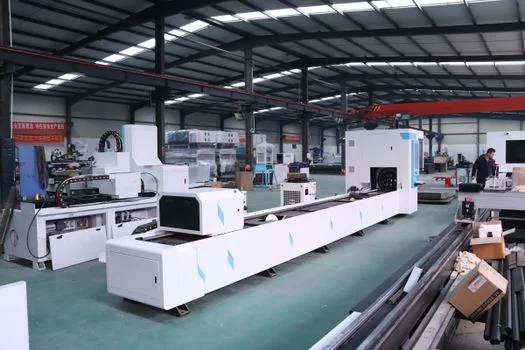
Selecting the appropriate wastewater treatment technology is paramount for achieving compliance with Shiraz’s stringent effluent standards while managing costs. The optimal choice hinges on the specific characteristics of the industrial influent. For food processing and dairy industries, which generate high concentrations of FOG, Dissolved Air Flotation (DAF) systems are highly effective, achieving 92–97% FOG removal. These systems typically have CAPEX ranging from $1,000–$2,500/m³/day and require careful chemical dosing for pH adjustment and coagulation, contributing to their OPEX.
Membrane Bioreactor (MBR) systems, with CAPEX between $2,000–$4,000/m³/day and OPEX of $0.30–$0.50/m³, are best suited for applications requiring high-quality effluent for water reuse, such as in pharmaceutical and textile manufacturing. MBRs can consistently produce water with BOD below 10 mg/L and achieve sub-micron filtration. For industries facing complex influent with high COD and challenging pollutants like chromium, hybrid systems combining technologies like DAF with MBR or Reverse Osmosis (RO) are increasingly being adopted. These advanced configurations can achieve up to 99% COD removal but come with a 30–50% higher CAPEX compared to single-technology plants. The following matrix offers a comparative overview to aid in technology selection.
| Technology | Primary Influent Type | Typical Removal Efficiency (COD/BOD/TSS) | Estimated CAPEX Range ($/m³/day) | Estimated OPEX Range ($/m³) | Shiraz-Specific Use Case |
|---|---|---|---|---|---|
| DAF | High FOG, TSS | FOG: 92-97% TSS: 80-95% COD: 20-50% (variable) |
1,000 - 2,500 | 0.10 - 0.25 | Food & Beverage pre-treatment, oil refineries. Effective for initial FOG and TSS reduction. |
| MBR | High BOD, COD, general organic pollutants; Reuse Quality | BOD: >95% (<10 mg/L) COD: 80-95% TSS: >99% (<1 mg/L) |
2,000 - 4,000 | 0.30 - 0.50 | Pharmaceuticals, high-end textiles, advanced water recycling. Achieves near-potable water quality. |
| Activated Sludge | Moderate BOD, COD | BOD: 85-95% COD: 70-90% TSS: 70-90% |
800 - 1,500 | 0.15 - 0.30 | General industrial wastewater with moderate organic loads. Cost-effective for primary biological treatment. |
| DAF + Chemical Precipitation | Heavy Metals (Chromium), FOG, TSS | Chromium VI: >98% (<0.5 mg/L) FOG: 95%+ TSS: 90%+ |
1,500 - 3,000 | 0.20 - 0.35 | Textile industry for chromium removal, food processing with high oil content. |
| DAF + MBR / RO | High COD, complex organics, stringent reuse requirements | COD: 95-99% BOD: <5 mg/L TSS: <1 mg/L |
3,000 - 6,000+ | 0.40 - 0.60+ | Pharmaceuticals with complex chemical waste, advanced textile dyeing effluent treatment for maximum reuse. |
For food processing, the DAF systems offer a robust solution for FOG and TSS reduction. For pharmaceutical and textile applications requiring high-purity effluent, integrated MBR systems provide a compact and efficient option. Hybrid approaches, such as combining DAF pre-treatment with MBR, are becoming increasingly viable for complex influents, offering a balance of performance and manageability.
Shiraz-Specific Cost Drivers: Electricity, Labor, and Import Duties
When budgeting for industrial wastewater treatment in Shiraz, it is crucial to account for local economic factors that can significantly impact both CAPEX and OPEX. The industrial electricity tariff in Shiraz, standing at approximately $0.12/kWh, is notably higher – around 20% more – than in some other major Iranian cities. This elevated cost directly inflates the OPEX of energy-intensive technologies like MBR systems, which can consume 0.25–0.35 kWh/m³ of treated water, adding an estimated $0.03–$0.05/m³ to operational expenses. Similarly, the cost of skilled labor for operating and maintaining these complex systems contributes substantially to OPEX. With skilled operators in Shiraz earning $6–$10 per hour, medium to large plants can incur annual labor costs ranging from $50,000 to $150,000. Implementing advanced automation, such as PLC-controlled systems, can mitigate these costs by reducing the need for constant manual oversight, potentially decreasing labor requirements by 30–40%.
Import duties on essential components like membranes, specialized chemicals, and advanced sensors add another layer of cost. These duties can range from 10% to 20%, inflating the overall CAPEX by 10–25%. However, procuring equipment from regional manufacturers like HydropureWater can offer a significant advantage. For instance, HydropureWater’s DAF systems, such as the DAF series, can often be sourced with duty exemptions, effectively reducing upfront investment. Shiraz’s designation as a seismic zone (Zone 3) necessitates adherence to stricter building codes for underground structures, potentially increasing civil works costs by 5–10%. Opting for above-ground, modular treatment systems can often circumvent these additional civil engineering expenses, offering a potential saving of up to 15%.
Case Study: How a Shiraz Textile Plant Cut Costs by 20% with a Hybrid DAF-MBR System
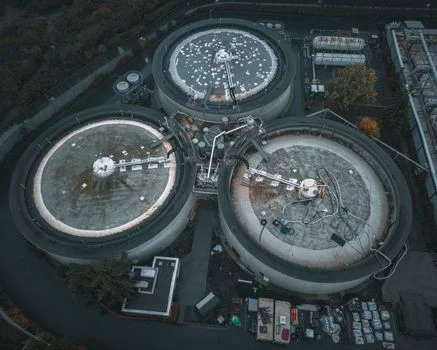
A prominent textile manufacturing plant located in Shiraz’s Special Economic Zone faced a critical compliance challenge in 2024. Their wastewater consistently exhibited chromium VI levels of 15–20 mg/L, far exceeding the permissible limit of 2 mg/L, and COD concentrations of 1,200 mg/L, significantly above the 100 mg/L standard. These violations resulted in annual fines totaling approximately $90,000, severely impacting profitability. To address this, the factory opted for a hybrid treatment solution, integrating a HydropureWater DAF system for initial FOG and TSS removal with DF membrane modules from an advanced MBR unit. The system also incorporated chemical dosing, utilizing ferrous sulfate for effective chromium reduction.
The total CAPEX for this hybrid system, designed for a flow rate of 1,000 m³/day, was approximately $1.2 million, equating to $1,200/m³/day. The projected OPEX was estimated at $0.35/m³. Post-installation, the plant achieved remarkable results: chromium VI levels were consistently reduced to below 0.5 mg/L, and COD was brought down to under 80 mg/L, ensuring full compliance. Crucially, the treated effluent quality enabled the facility to reuse approximately 70% of the water for its dyeing processes, leading to significant operational cost savings. The combined benefits of avoided fines ($85,000/year) and water reuse savings ($40,000/year) projected a payback period of just 4.2 years. This case demonstrates that hybrid systems can provide a cost-effective path to compliance for complex industrial wastewater, offering a 10–15% lower CAPEX than standalone advanced MBR systems, provided operator training for chemical handling is prioritized.
5-Step Decision Framework for Shiraz Industrial Buyers
Navigating the complexities of industrial wastewater treatment in Shiraz requires a structured approach. This five-step framework is designed to guide procurement managers, plant engineers, and factory owners through the decision-making process, ensuring compliance, cost-effectiveness, and long-term operational efficiency.
- Influent Characterization and Compliance Assessment: Begin by conducting comprehensive laboratory tests on your factory’s wastewater to accurately determine concentrations of key parameters like COD, BOD, TSS, FOG, chromium, and pH. Compare these results against the 2025 effluent discharge limits set by the Shiraz Water and Wastewater Company (COD < 100 mg/L, BOD < 30 mg/L, TSS < 50 mg/L). This step is critical for identifying the specific treatment challenges your facility faces.
- Capacity Planning and Flow Rate Estimation: Determine the average daily flow rate of your wastewater. Crucially, also account for peak flow rates, which can be 2 to 4 times higher than the average, especially during batch processes or rain events. For instance, a food processing plant with an average flow of 500 m³/day and a 3:1 peak-to-average ratio will require equipment sized for approximately 1,500 m³/day to handle fluctuations reliably.
- Technology Matching: Utilize the technology comparison matrix provided in this guide to match your influent characteristics with the most suitable treatment process. For FOG-heavy streams, DAF systems are ideal. For high-purity water requirements and reuse, MBR systems are recommended. For complex influents or combined pollutant challenges, consider hybrid DAF-MBR or DAF-RO configurations.
- Cost Estimation and Financial Analysis: Employ the CAPEX and OPEX cost tables to develop an initial budget. Adjust these figures based on Shiraz’s specific cost drivers: a $0.12/kWh electricity rate, estimated labor costs of $8/hour for skilled operators, and an average 15% import duty on imported components. Calculate the estimated payback period by factoring in potential savings from avoided fines and water reuse.
- Vendor Selection and Local Support: Request detailed proposals from reputable regional suppliers, such as HydropureWater, who can offer duty-exempt equipment and local technical support. Inquire about their service capabilities within Shiraz, warranty terms, and experience with local regulatory requirements, including seismic considerations. Prioritize vendors who can provide comprehensive solutions and ongoing operational assistance.
Frequently Asked Questions
Q: What are the 2025 effluent limits for industrial wastewater in Shiraz?
A: The Shiraz Water and Wastewater Company’s 2025 discharge limits are COD < 100 mg/L, BOD < 30 mg/L, and TSS < 50 mg/L. For textile plants specifically, the limit for chromium VI is typically set at less than 2 mg/L, as per local regulations confirmed in 2024.
Q: How much does a 500 m³/day DAF system cost in Shiraz?
A: In Shiraz, the CAPEX for a 500 m³/day DAF system typically ranges from $500,000 to $750,000 ($1,000–$1,500/m³/day). The OPEX is estimated between $0.20–$0.30/m³, influenced by Shiraz’s electricity tariffs of $0.12/kWh and an approximate 15% import duty on associated chemicals and consumables.
Q: Can MBR systems handle Shiraz’s high-COD pharmaceutical wastewater?
A: Yes, MBR systems can effectively treat high-COD pharmaceutical wastewater, but pre-treatment such as DAF or chemical dosing is often necessary if COD levels exceed 1,500 mg/L. MBR systems consistently achieve BOD levels below 10 mg/L and facilitate 70–80% water reuse, justifying their CAPEX of $2,000–$4,000/m³/day.
Q: What is the typical payback period for a wastewater treatment plant in Shiraz?
A: The payback period for an industrial wastewater treatment plant in Shiraz generally ranges from 3 to 7 years. For food processing plants utilizing DAF systems, recouping investment can be as quick as 3–4 years, driven by savings from avoided fines (estimated at $50,000–$100,000 annually) and water reuse benefits ($20,000–$40,000 annually).
Q: Are there local suppliers for wastewater treatment equipment in Shiraz?
A: Yes, regional suppliers like HydropureWater offer a range of wastewater treatment solutions. Their product lines include duty-exempt DAF systems, such as HydropureWater’s, and MBR systems featuring DF membrane modules. These suppliers often provide local service and support tailored to Shiraz’s specific compliance requirements.