Why Tabriz’s Wastewater Treatment Costs Are Unique: Regulatory, Economic, and Environmental Pressures
In 2026, wastewater treatment plant costs in Tabriz range from €1.2M for Dissolved Air Flotation (DAF) systems to €8M for Membrane Bioreactors (MBR) with advanced oxidation, with operational costs (OPEX) between €0.8–€2.5 per m³ treated. Petrochemical plants—dominant in Tabriz—must achieve ≤50 mg/L COD and 81% VOC removal to comply with Iran’s DOE 2026 standards. Local factors like 30% unmet water demand and 20% reuse mandates by 2027 further influence technology selection and budgeting.
Tabriz’s industrial effluent profile is significantly more complex than standard municipal sewage, containing 500–2,000 mg/L hydrocarbons and 10–50 mg/L volatile organic compounds (VOCs), which is 3–5× higher than typical urban waste (Plazmium 2025 data). The Tabriz Petrochemical Company and surrounding industrial complexes generate approximately 60% of the region’s industrial effluent. These streams are characterized by high concentrations of oily sludge and spent process solutions that require specialized treatment stages before discharge or reuse. Unlike municipal systems, these industrial effluents contain recalcitrant organic matter that cannot be degraded by conventional activated sludge alone.
The Department of Environment (DOE) Iran 2026 discharge limits are increasingly stringent: ≤150 mg/L BOD, ≤200 mg/L COD, and ≤10 mg/L TSS. Non-compliance can result in fines up to 2% of annual revenue. To meet these targets, petrochemical engineers are pivoting toward MBR systems, which offer 99% removal of suspended solids and high COD reduction, making them suitable for meeting strict discharge standards and enabling water reuse. The regional climate of East Azerbaijan presents unique engineering hurdles, with high evaporation rates necessitating buried systems and saline groundwater requiring specialized materials and treatment strategies.
Tabriz’s industrial water demand remains approximately 30% unmet as of 2025, according to reports from the Iran Water Resources Management Co. This deficit is particularly acute for the Tabriz Petrochemical Co. and large-scale food processors. The 2024 National Water Law has accelerated the need for water reuse, mandating that any industrial facility discharging more than 50 m³/day must achieve 20% wastewater reuse by 2027. For procurement managers, this is no longer a matter of environmental CSR but a legal prerequisite for operational licensing. Local cost drivers such as energy at €0.12/kWh, labor at €8/hour, and import tariffs ranging from 15–25% on specialized equipment can inflate CAPEX and OPEX by 15–25% compared to global benchmarks, making precise budgeting and technology selection critical.
Tabriz Wastewater Treatment Technologies: How DAF, MBR, and Hybrid Systems Compare for Industrial Effluent
Selecting the appropriate wastewater treatment technology in Tabriz requires a detailed understanding of effluent characteristics, regulatory demands, and local economic factors. Dissolved Air Flotation (DAF) systems are effective for removing high concentrations of fats, oils, and grease (FOG) and suspended solids, making them a primary choice for food processing and textile industries. Membrane Bioreactors (MBRs) offer superior effluent quality, capable of near-complete removal of suspended solids and significant reduction of COD, essential for meeting stringent discharge limits and enabling high-grade water reuse. Hybrid systems, often combining DAF with MBR or Reverse Osmosis (RO), provide a comprehensive solution for complex industrial wastewater, particularly for petrochemical effluents requiring high VOC removal and maximum water recovery.
DAF systems typically achieve 90–95% FOG removal and 70–85% COD reduction. They operate by introducing micro-bubbles of air into the wastewater, which attach to suspended solids and FOG, causing them to float to the surface for removal. Key process parameters include the air-to-solids ratio, hydraulic loading rates, and coagulant/flocculant dosing. These systems are best suited for effluents with high concentrations of settleable solids and oils, common in food processing and certain textile manufacturing processes.
MBR systems, on the other hand, excel in producing high-quality effluent suitable for reuse. They combine biological treatment with membrane filtration, achieving 99% TSS removal and 92–97% COD reduction (per EPA 2024 benchmarks). The membrane pore size, typically <1 μm, ensures the removal of bacteria and viruses, yielding effluent suitable for process water or irrigation. Common membrane types include PVDF and ceramic, with flux rates ranging from 15–30 LMH. MBRs are particularly susceptible to fouling in saline water conditions, a significant consideration for Tabriz's groundwater, requiring robust pre-treatment and effective cleaning protocols.
Hybrid systems integrate multiple treatment stages to address the most challenging industrial effluents. For petrochemical plants in Tabriz, a common configuration involves DAF followed by MBR or RO. Such systems can achieve up to 99.5% VOC removal, easily meeting the 81% target, and offer water recovery rates of 98%, which is critical for meeting reuse mandates. While these systems command a higher CAPEX premium (€6M–€8M), their ability to achieve stringent compliance and maximize water recovery often leads to a favorable long-term OPEX profile through reduced water sourcing costs and avoided penalties. Advanced Oxidation Processes (AOPs) are also emerging for recalcitrant organics, though adoption in Tabriz faces barriers like the cost of ozone generators and the need for specialized local expertise.
| Technology | Primary Application | FOG Removal (%) | COD Reduction (%) | TSS Removal (%) | Water Reuse Potential | Typical CAPEX Range (Tabriz, €M) | Typical OPEX Range (Tabriz, €/m³) |
|---|---|---|---|---|---|---|---|
| DAF | Food Processing, Textiles (high FOG/solids) | 90–95 | 70–85 | 80–90 | Low (pre-treatment) | 1.2–2.5 | 0.8–1.2 |
| MBR | Petrochemical, General Industry (high COD/TSS, reuse) | 85–90 | 92–97 | 99+ | High (process water) | 3.0–5.0 | 1.2–1.8 |
| Hybrid (DAF+MBR/RO) | Petrochemical (high VOCs, complex organics), Zero Liquid Discharge | 95–99 | 98–99.5 | 99+ | Very High (potable/high-grade) | 6.0–8.0 | 1.5–2.5 |
CAPEX Breakdown for Tabriz Wastewater Treatment Plants: Equipment, Civil Works, and Local Cost Factors
Accurate capital expenditure (CAPEX) budgeting for industrial wastewater treatment plants in Tabriz necessitates a granular understanding of component costs, civil works, and region-specific economic influences. The initial investment is heavily influenced by the chosen technology, with Dissolved Air Flotation (DAF) systems representing the lower end of the spectrum and advanced Membrane Bioreactor (MBR) or hybrid systems demanding significantly higher upfront capital. Beyond the core equipment, civil works, import duties, and local labor rates contribute substantially to the overall project cost, often leading to a 15–25% increase compared to global benchmarks.
Equipment costs in Tabriz for 2026 are estimated as follows: DAF systems typically range from €200,000 to €500,000, depending on capacity and customization. MBR systems, encompassing bioreactors, membrane modules, and control systems, can range from €1.5 million to €3 million. For high-performance hybrid DAF-RO systems designed for maximum water recovery and stringent pollutant removal, CAPEX can escalate to €3 million to €5 million. Tabriz-specific add-ons, such as specialized corrosion-resistant materials for saline groundwater or advanced disinfection units like chlorine dioxide generators for hospital wastewater treatment compliant with ISIRI 1053, can add a further 5–10% to these figures.
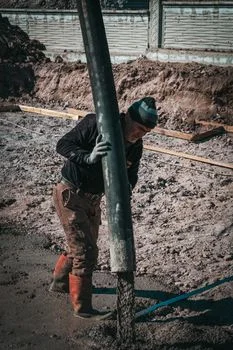
Civil works represent a significant portion of CAPEX. Underground installation costs can range from €500 to €1,500 per square meter, influenced by soil conditions and excavation depth. Given Tabriz’s high evaporation rates, buried systems are often preferred to minimize water loss and land footprint, requiring robust waterproofing and structural integrity. Above-ground installations are generally less expensive but may be less practical in industrial settings with space constraints or aesthetic considerations.
Local cost factors significantly impact the total CAPEX. Import tariffs on specialized components like membranes, pumps, and control panels can add 15–25% to the landed cost of international equipment. Labor rates in Tabriz, averaging €8 per hour, are considerably lower than in many European countries (€15/hour), which can offset some equipment costs but must be factored into installation and construction timelines. Energy costs, at €0.12/kWh, are a substantial operational consideration that also influences equipment selection, favoring energy-efficient designs.
Beyond direct equipment and construction, hidden costs must be accounted for. Permitting fees for DOE approval can range from €50,000 to €200,000, depending on the project's complexity and scale. Operator training, crucial for ensuring the efficient and compliant operation of advanced systems, can cost between €20,000 and €50,000. A contingency fund of 10–15% of the total CAPEX is highly recommended for petrochemical projects, given the inherent complexities and potential for unforeseen challenges.
| Cost Category | Typical Range (Tabriz, €) | Notes |
|---|---|---|
| DAF System Equipment | 200,000 – 500,000 | Capacity dependent |
| MBR System Equipment | 1,500,000 – 3,000,000 | Includes membranes, bioreactor, controls |
| Hybrid DAF+RO System Equipment | 3,000,000 – 5,000,000 | For high-purity water reuse |
| Civil Works (Underground) | 500 – 1,500 / m² | Includes excavation, concrete, waterproofing |
| Import Tariffs (Equipment) | 15% – 25% of CIF value | On specialized components |
| Local Labor (Installation) | ~€8 / hour | Compared to €15/hour in EU |
| Permitting & DOE Approval | 50,000 – 200,000 | Varies by project complexity |
| Operator Training | 20,000 – 50,000 | Essential for advanced systems |
| Contingency (Petrochemical) | 10% – 15% of CAPEX | For unforeseen issues |
OPEX in Tabriz: Energy, Chemicals, and Labor Costs for DAF, MBR, and Hybrid Systems
Operational expenditure (OPEX) is a critical long-term consideration for any wastewater treatment investment in Tabriz, significantly influenced by energy consumption, chemical usage, labor requirements, and maintenance schedules. While initial CAPEX may favor simpler technologies, a thorough OPEX analysis, incorporating local cost realities such as energy at €0.12/kWh and labor at €8/hour, is essential for evaluating the total cost of ownership. The specific effluent characteristics and the chosen treatment technology will dictate the magnitude of these ongoing costs, with MBR systems often presenting a compelling case for water reuse and stringent compliance despite higher energy demands.
Energy costs are a primary driver of OPEX. MBR systems typically consume 0.8–1.2 kWh/m³ due to the continuous operation of pumps for membrane filtration and aeration. DAF systems are generally more energy-efficient, requiring 0.3–0.5 kWh/m³, primarily for air compression and pump operation. Hybrid systems, especially those incorporating RO, can have the highest energy demand, ranging from 1.0–1.5 kWh/m³ due to the high pressures required for membrane separation. Tabriz’s relatively high energy rate of €0.12/kWh makes energy efficiency a key factor, potentially favoring MBRs with advanced, energy-saving membrane designs over less efficient DAF units when considering the total lifecycle cost.
Chemical costs vary significantly by technology. DAF systems require coagulants and flocculants, typically costing €0.10–€0.20/m³ treated, to destabilize and aggregate suspended solids and FOG. MBR systems incur costs for membrane cleaning chemicals (e.g., acids, alkalis, biocides) and potentially nutrients for biological treatment, generally ranging from €0.05–€0.15/m³. The saline groundwater in the Tabriz basin can increase chemical demand, particularly for antiscalants in RO units within hybrid systems, potentially raising costs by 5–10% compared to freshwater applications.
Labor costs are influenced by local wage rates and the complexity of the treatment process. DAF systems may require one operator per shift for monitoring and sludge removal. MBR systems, with their more intricate membrane operations and biological processes, often necessitate two operators per shift, particularly for routine membrane maintenance and troubleshooting. Tabriz’s labor rate of €8/hour makes investments in automation, such as PLC-controlled dosing systems and remote monitoring, cost-effective by reducing the need for constant manual intervention and optimizing chemical usage.
Maintenance costs are a significant component of OPEX. MBR membrane replacement is a major expense, potentially costing €50,000–€10
Related Equipment
The following HydropureWater products are engineered for the wastewater challenges discussed above:
- Tabriz-optimized DAF systems for petrochemical and food processing effluent — view specifications, capacity range, and technical data
- MBR systems for Tabriz’s water reuse and DOE compliance needs — view specifications, capacity range, and technical data
- hospital wastewater disinfection systems compliant with ISIRI 1053 — view specifications, capacity range, and technical data
Need a customized solution? Request a free quote with your specific flow rate and pollutant parameters.