Why Shah Alam’s Wastewater Treatment Costs Are Rising in 2025
In Shah Alam, the cost of a wastewater treatment plant ranges from RM 1.2 million to RM 15 million for industrial projects (50–500 KLD capacity), with municipal plants scaling to RM 50 million+ for 10,000+ KLD. Key cost drivers include technology choice (MBR systems cost 30–50% more than conventional activated sludge), land requirements (underground plants save 40% space but increase CAPEX by 20%), and compliance with Malaysia’s Environmental Quality (Sewage) Regulations 2009. This guide provides a 2025 engineering breakdown, localized cost benchmarks, and an ROI calculator to help you budget accurately.
Compliance with Malaysia’s Environmental Quality (Sewage) Regulations 2009 has become the primary driver for CAPEX inflation in Selangor's industrial zones. These regulations mandate strict effluent standards, such as Biochemical Oxygen Demand (BOD) levels below 20 mg/L and Total Suspended Solids (TSS) under 50 mg/L for Standard A discharge. Non-compliance is no longer a manageable operational risk; penalties have escalated to RM 500,000 or up to five years imprisonment. For facility planners in Shah Alam, this necessitates investing in more robust, multi-stage treatment processes that can handle the high organic loads typical of local food processing and chemical manufacturing sectors.
Land scarcity in Shah Alam’s primary industrial hubs, such as Seksyen 32 and the Kesas 32 Industrial Park, has fundamentally shifted the design-cost equation. With industrial land prices currently ranging between RM 120 and RM 200 per square meter, the physical footprint of a treatment plant is a significant financial liability. While a conventional activated sludge system may offer a lower equipment cost, its expansive footprint can lead to land acquisition costs that exceed the savings. Consequently, many engineers are opting for compact MBR wastewater treatment system for high-effluent-quality needs in Shah Alam, which reduces the required area by up to 60%, effectively neutralizing the higher technology CAPEX through land savings.
Operational expenses (OPEX) are also under pressure due to fluctuating energy costs. Tenaga Nasional Berhad (TNB) industrial electricity tariffs saw an effective rise in 2024, impacting aeration-heavy systems. In Shah Alam, energy now accounts for approximately 40-60% of total OPEX for aerobic treatment systems. A recent technical audit of a 200 KLD textile factory in Shah Alam demonstrated that switching from a legacy conventional system to a combined DAF system for industrial wastewater pretreatment in Shah Alam followed by anaerobic digestion reduced annual energy consumption by 35% (HydropureWater field data, 2025). This shift highlights the need for facility managers to look beyond initial price tags and evaluate the 10-year Total Cost of Ownership (TCO).
Wastewater Treatment Plant Cost Breakdown: CAPEX vs. OPEX for Shah Alam Projects
Capital expenditure (CAPEX) for a Shah Alam wastewater project is typically distributed across four primary categories: civil works, mechanical and electrical (M&E) systems, core technology components, and regulatory permitting. Civil works remain the most volatile variable, often consuming 30% to 40% of the budget. In the soft-soil conditions common in parts of Selangor, piling and specialized foundation work can increase civil costs by 15% compared to firmer terrain. For example, a 100 KLD Membrane Bioreactor (MBR) plant in Shah Alam requires an investment of approximately RM 3.5 million, where the membrane modules alone represent RM 1.2 million of the M&E budget.
Operational expenditure (OPEX) in Shah Alam is dominated by power consumption and chemical dosing. For a 500 KLD conventional activated sludge plant, annual OPEX often reaches RM 1.8 million. Under current TNB industrial tariffs (averaging RM 0.45/kWh), electricity for aeration blowers and pumps accounts for nearly RM 900,000 of that total. Chemical costs, including polymers for flocculation and pH neutralizers, typically represent 15% to 25% of the recurring costs, though this fluctuates based on the raw influent's chemical oxygen demand (COD) levels.
| Cost Category | Component | Percentage of Total | Benchmark (200 KLD Project) |
|---|---|---|---|
| CAPEX | Civil Works & Earthwork | 30% - 40% | RM 1.2M - RM 1.8M |
| CAPEX | M&E / Technology | 45% - 55% | RM 2.0M - RM 2.8M |
| CAPEX | Permitting & EIA | 5% - 10% | RM 50k - RM 200k |
| OPEX (Annual) | Energy (TNB Tariff) | 40% - 60% | RM 400k - RM 600k |
| OPEX (Annual) | Sludge Disposal | 10% - 15% | RM 100k - RM 150k |
| OPEX (Annual) | Labor & Maintenance | 15% - 20% | RM 150k - RM 250k |
The choice between above-ground and underground configurations introduces a significant cost-benefit trade-off. An underground integrated sewage treatment plant for Shah Alam projects (such as the WSZ series) may increase civil CAPEX by RM 200,000 to RM 400,000 due to excavation and waterproofing requirements. However, in high-density industrial zones, this configuration can save between RM 500,000 and RM 1 million in land acquisition costs for 100–500 KLD projects. permitting costs in Selangor, including the Environmental Impact Assessment (EIA) and Department of Occupational Safety and Health (DOSH) approvals, are fixed costs that range from RM 50,000 to RM 200,000, regardless of the plant's physical footprint.
Technology Comparison: MBR vs. DAF vs. Conventional Systems for Shah Alam
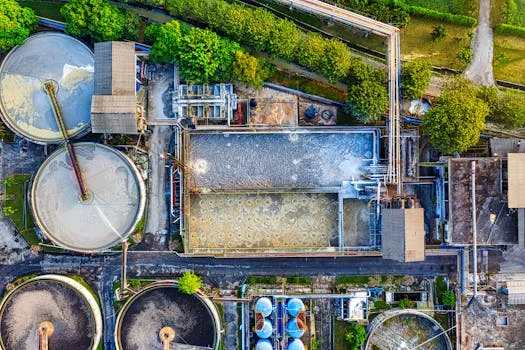
Membrane Bioreactor (MBR) technology currently represents the high-end benchmark for Shah Alam industrial projects, offering a CAPEX of RM 8,000–12,000 per KLD. While the initial investment is higher, the technology provides superior effluent quality, typically achieving BOD levels below 5 mg/L and TSS below 1 mg/L. This makes it the preferred choice for factories aiming for water recycling or those located in water-stressed regions of Selangor. A 200 KLD MBR plant in a Shah Alam manufacturing facility recently documented a 98% BOD removal efficiency, significantly exceeding the Malaysia’s industrial wastewater treatment regulations and cost benchmarks for Standard A discharge.
Dissolved Air Flotation (DAF) systems are the most cost-effective solution for pretreatment, particularly for Shah Alam’s robust food processing and textile industries. With a CAPEX of RM 3,000–6,000 per KLD and OPEX ranging from RM 0.8 to RM 1.5 per cubic meter, DAF is specifically engineered to remove Fats, Oils, and Grease (FOG) and high concentrations of TSS. For instance, a local food factory utilized a DAF system to reduce influent TSS from 1,200 mg/L to just 30 mg/L before secondary treatment, preventing the downstream biological systems from becoming overwhelmed and failing (HydropureWater field data, 2024).
| Feature | MBR (Membrane Bioreactor) | DAF (Dissolved Air Flotation) | Conventional Activated Sludge |
|---|---|---|---|
| CAPEX (per KLD) | RM 8,000 - RM 12,000 | RM 3,000 - RM 6,000 | RM 2,000 - RM 4,000 |
| OPEX (per m³) | RM 1.5 - RM 2.5 | RM 0.8 - RM 1.5 | RM 0.5 - RM 1.2 |
| Footprint | Very Compact (1x) | Moderate (1.5x) | Large (2.5x - 3x) |
| Effluent Quality | Excellent (Reuse Grade) | Good (Pretreatment) | Standard (Discharge) |
| Sludge Production | Low (-30% vs CAS) | Moderate | High |
Conventional Activated Sludge (CAS) remains the standard for large-scale municipal applications, such as the Shah Alam Regional Sewage Treatment Plant, due to its lower CAPEX of RM 2,000–4,000 per KLD. However, its reliance on large sedimentation tanks makes it increasingly unviable for industrial sites where land is at a premium. sludge management costs are a critical differentiator. MBR systems produce approximately 30% less sludge than CAS, which is vital in Selangor where sludge disposal fees currently sit at RM 250 per ton. For a 1,000 KLD plant, an MBR system can save between RM 100,000 and RM 300,000 annually in disposal costs alone.
Shah Alam-Specific Cost Benchmarks: 50 KLD to 10,000 KLD Projects
Budgeting for wastewater infrastructure in Shah Alam requires scaling benchmarks that reflect local labor rates, material availability, and logistical costs. For small-scale operations like hotels or boutique manufacturing units (50 KLD), the CAPEX typically ranges from RM 1.2 million to RM 2.5 million. At this scale, underground systems are highly popular to preserve parking or landscaping space. A 50 KLD underground WSZ plant in Shah Alam was recently completed for RM 1.8 million, including all civil and M&E works (2024 data).
For mid-sized industrial applications, such as residential complexes or textile factories (200 KLD), the budget scales to RM 3.5–6 million. These projects often involve specialized treatment for specific pollutants. For example, POME treatment solutions for Shah Alam’s palm oil industry or hospital wastewater treatment options for Shah Alam’s healthcare sector may require additional disinfection or anaerobic stages that push costs toward the higher end of the benchmark.
| Capacity (KLD) | Primary Application | Estimated CAPEX | Estimated OPEX (per m³) |
|---|---|---|---|
| 50 | Hotels / Small Factories | RM 1.2M - RM 2.5M | RM 0.8 - RM 1.5 |
| 200 | Textile / Food Processing | RM 3.5M - RM 6.0M | RM 0.6 - RM 1.2 |
| 1,000 | Industrial Parks | RM 12M - RM 20M | RM 0.4 - RM 0.8 |
| 10,000 | Municipal Plants | RM 80M - RM 150M | RM 0.2 - RM 0.5 |
At the 1,000 KLD scale, often seen in industrial park centralized treatment, CAPEX reaches RM 12–20 million. Efficiency of scale begins to reduce the OPEX per cubic meter, often dropping below RM 0.80. The Shah Alam Regional Sewage Treatment Plant, which handles an average flow of 2505.6 m³/d, underwent upgrades in 2023 totaling RM 18 million to improve energy efficiency and sludge dewatering capabilities. For mega-projects (10,000 KLD+), CAPEX can exceed RM 120 million, particularly when utilizing advanced MBR technology to meet high-density urban discharge requirements.
ROI Calculator: How to Justify Your Wastewater Treatment Investment in Shah Alam
Justifying a multi-million ringgit investment in wastewater treatment requires a comprehensive Return on Investment (ROI) analysis that factors in direct savings, indirect risk mitigation, and resource recovery. Energy efficiency is the most immediate lever; installing systems with variable-frequency drives (VFDs) and high-efficiency blowers can reduce electricity costs by 20% to 40%. One Shah Alam-based electronics manufacturer reported annual savings of RM 300,000 after upgrading to an automated MBR system that optimized aeration cycles based on real-time sensor data.
Water reuse provides a secondary, yet increasingly critical, revenue stream. With SYABAS industrial water tariffs currently at approximately RM 2.50/m³, a factory that reuses 50% of its treated effluent for cooling towers or floor washing can save hundreds of thousands of ringgit annually. A textile factory in Shah Alam recently achieved a 40% reduction in its water bill by using MBR-treated effluent for the initial stages of the dyeing process. This not only offsets OPEX but also buffers the facility against potential water rationing in Selangor.
| Technology | Payback Period | Primary Saving Driver | Regulatory Benefit |
|---|---|---|---|
| MBR | 5 - 7 Years | Water Reuse / Sludge Reduction | Zero-Risk Compliance |
| DAF | 3 - 5 Years | Chemical Efficiency / Pretreatment | Avoids Surcharge Fines |
| Conventional | 4 - 6 Years | Lower Initial CAPEX | Standard Compliance |
The "soft" ROI of compliance cannot be ignored. Avoiding a single RM 500,000 fine and the associated legal fees provides an immediate justification for choosing advanced technologies over "bare minimum" solutions. using pre-approved, integrated systems can reduce the EIA permitting timeline by up to 30%, allowing factories to commence operations sooner. Generally, DAF systems offer the fastest payback (3–5 years) due to their role in preventing heavy-metal or FOG surcharges from municipal authorities, while MBR systems (5–7 years) provide the most long-term financial stability through water independence.
Frequently Asked Questions
What is the cost of a 1 KLD ETP plant in Shah Alam?
A 1 KLD Effluent Treatment Plant (ETP) for very small applications typically costs between RM 25,000 and RM 50,000 for basic chemical dosing and sedimentation. Advanced systems using compact MBR technology at this scale can cost between RM 80,000 and RM 150,000. OPEX for these micro-systems is relatively high per unit of water, ranging from RM 5 to RM 15 per cubic meter.
How much does it cost to install a water treatment plant in Shah Alam?
Installation costs, excluding the equipment itself, generally range from RM 500,000 to RM 5 million for projects between 50 and 1,000 KLD. These costs cover civil engineering, piping, electrical integration, and commissioning. Permitting through SPAN, IWK, and the DOE in Selangor adds a further RM 50,000 to RM 200,000 to the project budget.
What are the sewage treatment plant regulations in Shah Alam?
Shah Alam facilities must adhere to the Environmental Quality (Sewage) Regulations 2009. This includes meeting Standard A or Standard B effluent limits depending on the discharge location (upstream or downstream of water intakes). Local council requirements from MBSA (Majlis Bandaraya Shah Alam) may also apply, particularly regarding odor control and noise levels for plants located near residential or commercial zones.
Can I reuse treated wastewater in Shah Alam?
Yes, treated wastewater can be reused for non-potable purposes such as irrigation, toilet flushing, and industrial cooling. To do so, the effluent must meet Malaysia’s Reclaimed Water Quality Standards, which require high clarity (turbidity < 2 NTU) and biological safety (E. coli < 10 CFU/100mL). MBR technology is the industry standard for achieving these reuse benchmarks.
What is the cost of sludge disposal in Shah Alam?
As of 2025, sludge disposal costs in Selangor range from RM 200 to RM 300 per ton, depending on the moisture content and the distance to the disposal facility. Because sludge management can represent up to 15% of annual OPEX, many Shah Alam factories are investing in dewatering equipment like screw presses or filter presses to reduce sludge volume before transport.