Why Nairobi’s Sewage Treatment Market Demands a Data-Driven Approach
Nairobi’s sewage treatment equipment market is fragmented, with suppliers offering capacities from 10 m³/day (compact MBBR systems for clinics) to 5,000 m³/day (municipal-scale DAF plants). Key differentiators include NEMA compliance (e.g., effluent BOD < 30 mg/L), CAPEX (KES 2.5M–15M for 50–500 m³/day systems), and after-sales support (e.g., Kridha’s 24-month Klaro STP warranty). This guide compares 5 leading suppliers, benchmarks costs against global averages, and provides a Nairobi-specific procurement checklist to avoid regulatory delays.
For a factory manager in the Industrial Area or a developer in Ruiru, the procurement process often begins with a sense of urgency triggered by a NEMA improvement notice. However, the gap between a quote and a functional, compliant plant is wide. According to the NEMA 2023 State of the Environment report, only 40% of industrial effluent in Nairobi is treated to the required standards before discharge. This shortfall is rarely due to a lack of equipment availability but rather a failure in technical matching. Procurement leads frequently underestimate the impact of influent variability—such as high Fats, Oils, and Grease (FOG) from food processing—leading to biological system failures within six months of installation.
Common procurement pitfalls in the Nairobi market include underestimating permitting timelines, which can stretch from 6 to 12 months, and ignoring operational expenditure (OPEX). For instance, an improperly sized aeration system for a 200-bed hospital can double energy costs compared to a modular, high-efficiency Moving Bed Biofilm Reactor (MBBR). Selecting a 50 m³/day system when peak flows reach 100 m³/day is a frequent error that results in immediate non-compliance and potential fines of up to KES 1,000,000.
This analysis evaluates five primary suppliers active in the Kenyan market: Hydrolink Technologies, Kridha Limited, Aquatreat Solutions, Nature Systems Kenya, and HydropureWater. While Hydrolink is noted for its extensive chemical support, HydropureWater distinguishes itself by offering 10-year MBR membrane warranties and integrated NEMA permitting assistance. By utilizing a data-driven decision framework, project leads can match their specific influent quality and footprint constraints to the most resilient technology, such as Dissolved Air Flotation (DAF) for high-FOG slaughterhouse waste or MBBR for space-constrained residential complexes.
Nairobi Sewage Treatment Equipment Suppliers: Side-by-Side Comparison
Selecting a sewage treatment equipment supplier in Nairobi requires more than a price comparison; it demands an audit of technical capacity and local reliability. The following matrix provides a side-by-side evaluation of the leading entities based on 2025 market data and verified equipment specifications.
| Supplier | Max Capacity (m³/day) | Key Technologies | NEMA Compliance | Warranty | After-Sales Support |
|---|---|---|---|---|---|
| Hydrolink Technologies | 2,000+ | MBBR, RO, Softeners | Standard Effluent Guarantees | 12 Months | On-site chemical testing |
| Kridha Limited | 1,500 | Klaro STP (SBR), MBBR | Verified Class A/B | 24 Months (Klaro) | Regional service hubs |
| Aquatreat Solutions | 1,000 | Package Plants, Filtration | NEMA Standard Matching | 12-18 Months | Consultancy-led support |
| Nature Systems | 500 | Containerized STPs | Mobile/Temporary Site Focus | 12 Months | Remote monitoring options |
| HydropureWater | 5,000 | MBR, DAF, WSZ Integrated | Turnkey Permitting Assistance | 10-Year Membrane Warranty | 24/7 Remote Diagnostics |
Data from 2025 pricing rounds indicates that Hydrolink remains competitive for mid-scale MBBR systems, with quotes averaging KES 3.2M for a 100 m³/day system. Kridha Limited’s "Klaro" brand is a dominant choice for decentralized sewage treatment in real estate developments due to its SBR (Sequencing Batch Reactor) reliability. Meanwhile, Nature Systems provides a unique advantage for the construction sector by offering containerized STPs that can be deployed rapidly at temporary sites in areas like Tatu City or Konza.
Buyers should be wary of several "Red Flags" currently observed in the Nairobi market. These include suppliers shipping equipment directly from overseas without local stock or a Nairobi-based service center, which can lead to months of downtime if a blower or pump fails. vague effluent quality guarantees that do not explicitly reference NEMA’s Third Schedule standards (e.g., BOD < 30 mg/L) often signal equipment that will fail regulatory inspections. Always request at least three Nairobi-specific case studies where the effluent has passed independent laboratory testing within the last 12 months.
Sewage Treatment Technologies for Nairobi: How to Choose the Right System
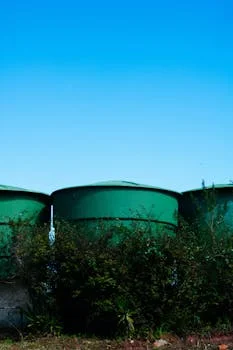
The technical landscape for sewage treatment in Kenya is dominated by four primary technologies. Choosing between them is not a matter of "best" technology, but rather "best fit" for the influent characteristics and site limitations. To make an informed choice, see how Rwanda’s STP procurement strategies can inform Nairobi’s projects regarding modularity and land use.
1. Moving Bed Biofilm Reactor (MBBR): This process utilizes plastic media carriers to provide a high surface area for biofilm growth. It is ideal for space-constrained sites in Nairobi, such as hotels in Westlands or shopping malls. MBBR systems are resilient to "shock loads" (sudden increases in sewage volume).
Efficiency: Energy consumption typically ranges from 0.3–0.6 kWh/m³.
2. Dissolved Air Flotation (DAF): DAF systems use microbubbles to float suspended solids and oils to the surface for mechanical skimming. This is the gold standard for Nairobi’s food processing and slaughterhouse sectors. You can see how DAF systems remove 95%+ FOG from Nairobi’s food processing wastewater to prevent the clogging of downstream biological stages. DAF is often required as a primary treatment step before MBBR or MBR in industrial applications. For more technical depth, learn how DAF systems achieve 95% TSS removal in African industrial markets.
3. Membrane Bioreactor (MBR): Combining biological treatment with microfiltration, MBR produces the highest quality effluent, often suitable for immediate reuse in irrigation or toilet flushing. While CAPEX is higher, the small footprint and superior water quality make it a favorite for high-end residential estates. You can explore Nairobi’s most compact STP solution for hotels and residential complexes which often utilizes integrated MBR or MBBR technology for underground installation.
4. Sequencing Batch Reactor (SBR): A variation of the activated sludge process where all treatment steps occur in a single tank. It is highly flexible but requires sophisticated automated control systems.
| Technology | Best Use Case | TSS Removal | BOD Removal | Footprint |
|---|---|---|---|---|
| MBBR | Hotels, Hospitals | 85-90% | 90-95% | Medium |
| DAF | Slaughterhouses, Dairies | 95-98% | 40-60% (Pre-treat) | Medium |
| MBR | Water Reuse Projects | 99%+ | 98%+ | Small |
| SBR | Municipal/Large Scale | 90-95% | 92-96% | Large |
A critical Nairobi-specific note: NEMA requires tertiary treatment for any discharge into public sewers or water bodies. This usually involves sand filtration followed by disinfection. To ensure your system passes final inspection, achieve NEMA-compliant disinfection with Nairobi’s top-rated ClO₂ generator, which offers a more stable alternative to traditional chlorine dosing in high-temperature environments.
Cost Breakdown: How Much Does a Sewage Treatment Plant Cost in Nairobi?
Transparency in pricing is the biggest challenge for Nairobi procurement leads. Total project costs are divided into CAPEX (equipment, civil works, and installation) and OPEX (power, chemicals, and labor). For a 200 m³/day MBBR system, a typical 2025 budget in Nairobi looks as follows:
| Cost Component | 50 m³/day (KES) | 200 m³/day (KES) | 500 m³/day (KES) |
|---|---|---|---|
| Equipment & Shipping | 2,100,000 | 5,800,000 | 11,500,000 |
| Civil Works & Tanks | 800,000 | 1,800,000 | 3,500,000 |
| Installation & Commissioning | 350,000 | 700,000 | 1,200,000 |
| NEMA Permitting & EIA | 150,000 | 200,000 | 350,000 |
| Total CAPEX | 3,400,000 | 8,500,000 | 16,550,000 |
Nairobi-specific cost factors include import duties, which range from 10% to 25% depending on the equipment's classification, and local labor rates for specialized plumbing and electrical work, typically KES 3,000–5,000 per day. To put these numbers in perspective, compare Nairobi’s suppliers to Tel Aviv’s market for global cost benchmarks, where higher automation levels often drive up initial CAPEX but lower long-term OPEX.
Operational costs (OPEX) are driven by energy consumption. A 50 m³/day MBBR system will consume approximately KES 12,000 per month in electricity. Chemical costs for DAF systems, including coagulants and flocculants, average KES 5,000–8,000 per month depending on the influent strength. The Return on Investment (ROI) for these systems is often realized through water reuse. A 500 m³/day plant that recycles water for irrigation or industrial cooling can save a facility over KES 1.2M per year in water utility bills, leading to a payback period of 3 to 5 years.
NEMA Compliance Checklist: Avoid Nairobi’s Top 5 Permitting Pitfalls
Navigating the National Environment Management Authority (NEMA) regulations is often the most time-consuming part of an STP project in Nairobi. Failure to comply can result in project halts or heavy fines. Use this checklist to ensure your equipment and installation meet the 2025 regulatory standards.
- Pre-design NEMA Consultation: Before purchasing equipment, engage a NEMA officer for a preliminary site visit (KES 20,000 fee). This ensures the proposed discharge point is acceptable.
- Environmental Impact Assessment (EIA): For systems exceeding 100 m³/day, a full EIA is mandatory. This must be conducted by a NEMA-registered lead expert.
- Effluent Quality Specifications: Ensure your supplier provides a written guarantee that the effluent will meet Third Schedule limits: BOD5 < 30 mg/L, COD < 50 mg/L, and TSS < 30 mg/L.
- On-site Inspection: Schedule your final inspection 3–6 months in advance. NEMA inspectors in Nairobi are often backlogged; delays here can prevent you from occupying a new building.
- Annual Effluent Discharge License: Once operational, you must apply for an annual license (approx. KES 100,000) and submit quarterly lab reports from a NEMA-accredited laboratory.
Common violations in Nairobi include discharging untreated effluent (KES 1M fine) and missing the EIA report, which can lead to a court-ordered project halt. A "Pro Tip" from HydropureWater field data (2024) suggests that hiring a NEMA-registered consultant at a cost of KES 150,000–300,000 can fast-track the permitting process by up to 40% by ensuring all technical documentation is submitted correctly the first time.
Frequently Asked Questions
How much is a water treatment machine in Kenya?
Compact sewage treatment plants (10–50 m³/day) typically cost between KES 1.5M and KES 4M. Industrial-scale DAF or MBR systems for capacities of 200–500 m³/day range from KES 7M to KES 15M. It is essential to budget an additional 20% for NEMA permitting, EIA reports, and civil works tanks.
How much does it cost to set up a sewage treatment plant?
The total setup cost (CAPEX) for a standard 200 m³/day MBBR system in Nairobi is approximately KES 8.5M. Monthly operational costs (OPEX) average KES 25,000. Facilities can achieve a payback period of 3–5 years by reusing treated water for non-potable applications, saving upwards of KES 1.2M annually for larger plants.
What are the four types of sewage treatment?
The four stages are: 1. Preliminary (screening of large solids), 2. Primary (sedimentation or DAF for oil/solid removal), 3. Secondary (biological treatment like MBBR or SBR), and 4. Tertiary (disinfection and fine filtration). NEMA standards in Nairobi strictly require all four stages for any discharge into the environment.
Can I buy used sewage treatment equipment in Nairobi?
Yes, used equipment is available and can cost 30–50% less than new systems. However, buyers must verify NEMA compliance through recent effluent quality tests and inspect for corrosion or membrane fouling. Used systems often lack warranties, which can be risky for critical industrial operations.
How do I choose between MBBR and DAF for my Nairobi factory?
The choice depends on your influent. Use MBBR if your primary goal is removing organic load (BOD) from general sewage or food processing water with low oil content. Choose a DAF system if your wastewater has high Fats, Oils, and Grease (FOG), such as in slaughterhouses or dairies. DAF can remove up to 95% of TSS at influent levels of 1,000–3,000 mg/L.