Industrial wastewater treatment in Lucknow targets UPPCB effluent standards of COD ≤250 mg/L, BOD ≤30 mg/L, and TSS ≤100 mg/L. CAPEX runs ₹5L for small DAF units to ₹50Cr for large MBR plants; this guide sets out 2025 specs, costs, and a low-risk selection framework.
Why Lucknow Industrial Units Need Wastewater Treatment in 2025
Over 30% of Lucknow's 1,200+ industrial units face immediate closure or heavy penalties for non-compliance with effluent discharge norms according to the UPPCB 2024 enforcement report. In the Amausi and Talkatora industrial areas, regulatory pressure has intensified as the UPPCB targets the reduction of untreated discharge into the Gomti River basin. Common violations recorded in 2024 include Chemical Oxygen Demand (COD) exceedances in 45% of cases and Total Suspended Solids (TSS) in 30% of cases, often due to aging Effluent Treatment Plants (ETPs) that cannot handle modern production volumes.
The financial risks of non-compliance are significant. A Lucknow-based textile unit was fined ₹2Cr in 2023 after its dye effluent recorded a COD of 1,200 mg/L, nearly five times the UPPCB limit of 250 mg/L. Beyond fines, the Gomti River tributaries have been designated as "Priority I" polluted stretches, meaning any factory within these catchments faces stricter scrutiny and mandatory real-time monitoring. For food processing units in Lucknow, high levels of Fats, Oils, and Grease (FOG) frequently clog municipal lines, leading to immediate "Consent to Operate" (CTO) revocations. Implementing advanced high-efficiency DAF systems for TSS removal in Lucknow is no longer optional but a baseline requirement for operational continuity.
The river explains the board's posture. According to the Gomti River article on Wikipedia, "in the Lucknow area, 25 city drains pour untreated sewage into the river", and the major pollution sources include "industrial waste and effluent" alongside residential sewage. The Central Pollution Control Board, established in 1974 under the Water (Prevention and Control of Pollution) Act, 1974, develops the industry-specific effluent standards that state boards enforce. Under that Act, industries must obtain consent before discharging sewage or trade effluents — the legal root of every CTO notice a Lucknow plant receives.
UPPCB Effluent Discharge Standards for Industries in Lucknow
UPPCB effluent standards for 2025 mandate that industrial discharge must not exceed specific concentration limits for COD, BOD, and TSS to prevent environmental degradation in the Uttar Pradesh region. While general standards apply to most small-scale industries, sectors like pharmaceuticals and food processing are subject to "Special Standards" where COD limits may be restricted to ≤100 mg/L. Understanding the gap between raw effluent and these targets is the first step in engineering a viable treatment solution.
| Parameter | UPPCB Limit (General) | Textile Effluent (Raw) | Food Processing (Raw) | Pharma (Raw) | Metal Finishing (Raw) |
|---|---|---|---|---|---|
| pH | 5.5 – 9.0 | 9.0 – 11.0 | 4.5 – 6.5 | 3.0 – 10.0 | 2.0 – 4.0 |
| BOD (mg/L) | ≤ 30 | 200 – 500 | 1,500 – 3,000 | 500 – 2,000 | < 50 |
| COD (mg/L) | ≤ 250 | 600 – 1,500 | 3,000 – 6,000 | 1,000 – 5,000 | 100 – 300 |
| TSS (mg/L) | ≤ 100 | 300 – 600 | 500 – 1,500 | 200 – 800 | 100 – 500 |
| Oil & Grease | ≤ 10 | 10 – 50 | 100 – 500 | 20 – 100 | 50 – 200 |
To ensure these standards are met, UPPCB requires standardized testing protocols: COD must be measured via the open reflux dichromate method, while BOD requires a 5-day incubation test at 20°C. For facilities discharging directly into the Gomti River basin, the UPPCB may also impose limits on Total Dissolved Solids (TDS) and specific heavy metals like Chromium or Nickel. Monitoring these parameters requires a combination of primary treatment (physical separation) and secondary treatment (biological oxidation) to bridge the massive gap between raw industrial waste and compliant discharge.
Treatment Technologies for Lucknow: Specs & Removal Rates
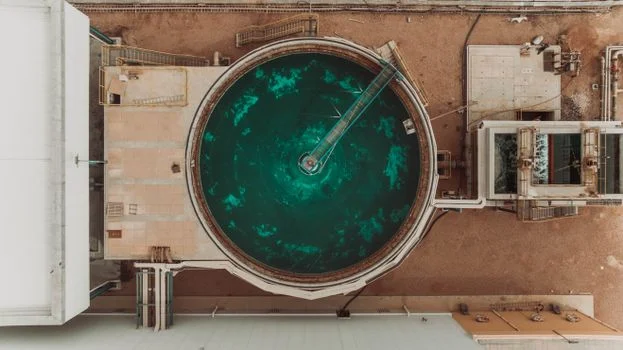
Modern wastewater treatment engineering for Lucknow facilities focuses on maximizing removal rates while minimizing the physical footprint, which is often a constraint in densely packed industrial zones. Selecting the right technology depends on the primary pollutant: Dissolved Air Flotation (DAF) is the workhorse for solids and grease, whereas Membrane Bioreactor (MBR) technology is preferred for high-strength organic loads. These systems are often compared to Indore's wastewater treatment benchmarks for North Indian industries to ensure regional competitiveness.
| Technology | COD Removal % | TSS Removal % | Footprint (m²/m³) | Power (kW/m³) | CAPEX (₹/m³) |
|---|---|---|---|---|---|
| MBBR | 85 – 90% | 70 – 80% | 1.5 – 2.0 | 0.4 – 0.6 | ₹40k – ₹80k |
| MBR | 95 – 99% | 99%+ | 0.4 – 0.6 | 0.8 – 1.2 | ₹1.2L – ₹2.5L |
| DAF | 30 – 50% | 90 – 95% | 0.2 – 0.4 | 0.2 – 0.3 | ₹15k – ₹35k |
| RO | 98%+ | 99%+ | 0.5 – 0.8 | 1.5 – 2.5 | ₹1.0L – ₹2.0L |
Moving Bed Biofilm Reactor (MBBR) systems utilize plastic biofilm carriers in an aerated tank, providing 85–90% COD removal with capacities typically ranging from 10 to 50 m³/h. However, for industries requiring high-purity effluent for reuse, MBR systems for high-COD wastewater in Lucknow offer a superior alternative, combining biological treatment with ultrafiltration membranes. MBRs eliminate the need for secondary clarifiers, reducing the total footprint by 60% compared to conventional activated sludge processes. Reverse Osmosis (RO) is integrated when Zero Liquid Discharge (ZLD) is required, though it necessitates strict pre-treatment to maintain a Silt Density Index (SDI) of less than 3.
DAF System for Food Processing Wastewater in Lucknow
For food processing and dairy units, DAF systems use micro-bubble technology to float suspended solids and grease to the surface for mechanical skimming, achieving up to 95% TSS removal. With raw food-processing effluent carrying FOG at 100–500 mg/L and TSS at 500–1,500 mg/L (table above), flotation ahead of biology is what keeps the biological stage and the municipal line clean. On this sheet, DAF runs at 0.2–0.3 kW/m³ with CAPEX of ₹15k–₹35k per m³ — the cheapest entry into compliance for FOG-heavy streams.
Cost Breakdown: CAPEX and OPEX for Lucknow Industrial STPs
The total cost of ownership for an industrial Sewage Treatment Plant (STP) or ETP in Lucknow is divided between the initial capital expenditure (CAPEX) and the ongoing operational expenditure (OPEX), which includes energy, chemicals, and sludge management. While a DAF system might have the lowest entry price at ₹5L for small units, the OPEX can rise quickly if chemical dosing is not optimized. Conversely, MBR systems have higher CAPEX but provide significantly higher water reuse value, often paying for themselves through reduced fresh water procurement costs.
| Cost Component | Estimated Range (Lucknow) | Notes |
|---|---|---|
| CAPEX: Small DAF (5 m³/h) | ₹5L – ₹15L | Ideal for FOG/TSS removal. |
| CAPEX: Large MBR (500 m³/day) | ₹1.5Cr – ₹3Cr | Includes PLC and membranes. |
| OPEX: Energy | ₹0.3 – ₹1.2 / m³ | Dependent on aeration demand. |
| OPEX: Chemicals | ₹0.1 – ₹0.6 / m³ | Coagulants/Flocculants for DAF. |
| Sludge Disposal | ₹500 – ₹2,000 / ton | Lucknow municipal landfill rates. |
Industrial ETP Installation Cost in Uttar Pradesh
Hidden costs often include civil engineering work, such as RCC tank construction, which can add ₹2L to ₹10L to the project cost depending on soil conditions in areas like the Gomti floodplains. UPPCB permit fees and mandatory third-party audits add an annual compliance overhead of ₹50K to ₹2L. A case study of an auto parts manufacturer in Lucknow showed they saved ₹1.2Cr annually by reusing MBR-treated effluent in their cooling towers, achieving a complete ROI on their treatment plant within 22 months.
Sludge Dewatering for Industrial STP Lucknow: Cutting the ₹500–₹2,000/Ton Bill
Sludge disposal at Lucknow municipal landfill rates of ₹500–₹2,000 per ton is the OPEX line most plants underestimate. Sludge dewatering solutions for Lucknow STPs, such as a plate and frame filter press, reduce sludge volume by up to 75%, drastically lowering transport and disposal fees. Dewatering also stabilizes the cake for easier handling during audits. On food-processing streams, pairing DAF skimming with a press closes the solids loop at the lowest chemical dose.
How to Select a Wastewater Treatment System for Your Lucknow Facility
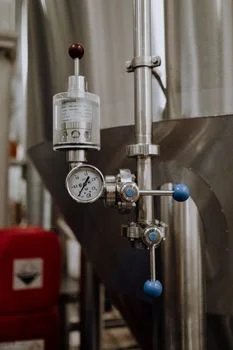
Selecting a wastewater treatment system requires a systematic engineering approach to ensure the technology matches the specific chemical profile of your facility's effluent. A mismatch here leads to either regulatory failure or excessive operational costs. Follow this 6-step framework to minimize risk:
- Characterize the Wastewater: Conduct composite sampling over 24 hours to determine peak COD, BOD, TSS, and heavy metal concentrations. Grab samples are often misleading for batch-process industries.
- Match Technology to Profile: If your effluent is high in oils (e.g., food processing), prioritize DAF. If it is high in dissolved organics (e.g., textiles), MBR is the logical choice.
- Size for Peak Flow: Design the system for 1.2x the maximum daily discharge to account for production surges. Never size based on average flow alone.
- Evaluate Footprint: In space-constrained zones like Amausi, MBR is preferred as it requires 60% less space than conventional activated sludge plants.
- Assess Automation: Request PLC-controlled systems. Automation can reduce labor requirements by 60% and prevent human error in chemical dosing, which is the primary cause of UPPCB non-compliance.
- Verify Local Support: Ensure the vendor has a service presence in Lucknow. Wastewater systems require 24/7 reliability; a 48-hour delay in spare parts can lead to a factory shutdown.
For more detailed insights on national standards, refer to this India-wide supplier selection framework for industrial STPs to compare Lucknow-based vendors against national benchmarks. Our companion page on industrial wastewater treatment applies the same selection logic outside India, and plants with overseas sister facilities can cross-check the Ajman Industrial Effluent Guide: 2026 Specs and Compliance or the EU Urban Wastewater Treatment Directive: Compliance, Deadlines & Tech Solutions for the equivalent consent regimes. To size a train against your consent limits, send your composite sampling data and flow profile, then request a Lucknow ETP sizing and cost estimate.
Top 5 Wastewater Treatment Suppliers in Lucknow (2025)
The Lucknow market features a mix of local specialist firms and global manufacturers. When evaluating a supplier, prioritize those with a proven track record of UPPCB approvals and local maintenance teams. The following table provides an objective comparison of the leading providers based on technology focus and service capability.
| Supplier | Key Technology Focus | CAPEX Range | Lucknow Service Support |
|---|---|---|---|
| Brainn Child Impex | RO & MBBR | ₹10L – ₹50L | Local office; 48hr response. |
| S K Envirocare | Packaged MBBR/SBR | ₹20L – ₹1Cr | Strong in small-scale STPs. |
| TradeIndia Network | General ETP/DAF | ₹5L – ₹25L | Variable; depends on individual vendor. |
| HydropureWater | MBR, DAF, RO | ₹5L – ₹50Cr | 24/7 remote monitoring; global compliance. |
| Lucknow Water Tech | Sand/Carbon Filtration | ₹2L – ₹15L | Basic tertiary treatment focus. |
While local vendors like S K Envirocare are excellent for standard packaged STPs, facilities with complex industrial waste — such as chemical or pharmaceutical plants — often require the advanced engineering provided by firms like HydropureWater. The criteria for final selection should include the vendor's ability to provide a contractual performance commitment for UPPCB effluent standards and the availability of local references within Lucknow's industrial zones.
Frequently Asked Questions
What does an industrial wastewater plant cost in Lucknow?
Most searches for industrial wastewater treatment Lucknow cost land on two anchors: ₹5L for small DAF systems and ₹50Cr for large-scale MBR plants. OPEX typically averages between ₹0.5 and ₹2.0 per cubic meter of treated water, set by chemical and energy consumption. A 500 m³/day MBR budgets ₹1.5Cr–₹3Cr including PLC and membranes, and the Lucknow reuse case returned its full investment in 22 months.
Which technology is best for high-COD wastewater in Lucknow?
MBR (Membrane Bioreactor) technology is the most effective for high-COD wastewater, achieving 95–99% COD removal on this sheet. It is ideal for textile and pharmaceutical industries where effluent must meet strict UPPCB limits of ≤250 mg/L or lower. MBBR delivers 85–90% COD removal at ₹40k–₹80k per m³ when reuse-grade effluent is not required. RO follows either train when Zero Liquid Discharge applies.
Does UPPCB require online monitoring for industrial STPs in Lucknow?
Yes. For any unit discharging more than 50 m³/day, the UPPCB mandates Online Continuous Effluent Monitoring Systems (OCEMS) for pH, COD, BOD, TSS, and flow, with real-time data transmitted to the central server. Budget the telemetry in the OPEX line from day one. Factories inside the Gomti catchment face stricter scrutiny, so treat OCEMS uptime as a compliance item rather than an accessory.
How much space does an MBR plant need?
MBR systems are highly compact, requiring approximately 0.5 m² per m³ of daily treated water. This makes them 60% smaller than conventional activated sludge systems, which is critical for Lucknow's older industrial zones such as Amausi. The footprint column in the technology table runs 0.4–0.6 m²/m³ for MBR against 1.5–2.0 m²/m³ for MBBR. Weigh the saved land cost against the higher membrane CAPEX when you size.
Can treated industrial wastewater be reused in Lucknow?
Yes. Effluent treated via MBR and RO processes meets IS 10500 standards for non-potable reuse. It is commonly used for cooling towers, boiler feed (with further polishing), and industrial floor washing, significantly reducing water procurement costs. One Lucknow auto parts manufacturer saved ₹1.2Cr annually by reusing MBR-treated effluent in cooling towers. Confirm the boiler specification before reuse water reaches steam equipment.
Related Equipment
- high-efficiency DAF systems for TSS removal in Lucknow — view specifications, capacity range, and technical data
- MBR systems for high-COD wastewater in Lucknow — view specifications, capacity range, and technical data
Need a customized solution? Request a free quote with your specific flow rate and pollutant parameters.