Why Frozen Food Wastewater Is a Distinct Treatment Challenge
Frozen food processors generate four distinct wastewater streams that a packaged municipal STP cannot handle: blancher overflow (80–95°C, high starch and dissolved protein), individual quick freezing (IQF) wash water (high in vegetable fines and soil), thawing drip (concentrated blood and dissolved organics from seafood and meat lines), and clean-in-place (CIP) rinse (caustic, surfactant-laden). Each stream carries different loadings and arrives at different temperatures, which is why a single equalization tank with a single biological reactor almost always underperforms on this duty. Codifying the envelope before vendor engagement is the single most important step a plant engineer can take — a generic STP supplier quoting on a "food plant" basis has not yet read your data.
The typical 2026 influent envelope for a frozen vegetable, seafood, or prepared-meat facility is COD 2,000–10,000 mg/L, BOD 1,000–5,000 mg/L, TSS 500–2,500 mg/L, FOG 200–800 mg/L, pH 4–9, and temperature 10–30°C (per Springer food processing wastewater review, 2024). A frozen pea line alone can push flow from 20 m³/h in winter to 180 m³/h during the July–September harvest peak, with BOD doubling inside a single shift when blancher dumps cycle on. Dissolved protein, starch, and emulsified fats foul ultrafiltration and MBR membranes within 48–72 hours if pre-treatment is skipped — membrane autopsy consistently traces flux loss to oil droplets below 10 μm that bypassed a missing or undersized DAF.
| Source | COD (mg/L) | BOD (mg/L) | FOG (mg/L) | Temperature |
|---|---|---|---|---|
| Blancher overflow | 3,000–8,000 | 1,500–4,000 | 50–200 | 60–95°C |
| IQF wash water | 1,500–4,000 | 800–2,000 | 100–300 | 5–20°C |
| Thawing drip (seafood/meat) | 5,000–10,000 | 2,500–5,000 | 400–800 | 5–15°C |
| CIP rinse | 2,000–6,000 | 800–2,500 | 200–500 | 40–60°C |
Installing a rotary bar screen for headworks with 3–5 mm aperture is the first engineering decision that separates a defensible design from a fragile one. It removes rags, vegetable trimmings, and packaging debris before they enter the DAF, protecting downstream pumps and nozzles from rag fouling that is the leading cause of unplanned shutdowns in this sector (HydropureWater field data, 2026).
The Standard 2026 Process Train for Frozen Food Effluent
A defensible 2026 process train for frozen food effluent runs in six stages: coarse screening, dissolved air flotation, equalization, biological treatment, MBR polishing, and optional RO for in-plant reuse. Each stage has a measurable envelope, and skipping any one of the first three typically forces the membrane stage to compensate at 2–3× its design flux, which collapses inside 18 months.
Stage 1 — rotary bar screen with 3–5 mm aperture and 10–200 m³/h flow capacity captures vegetable trimmings, plastic strapping, and packaging debris that would otherwise blind DAF nozzles. Stage 2 — a DAF system for FOG removal with 4–300 m³/h capacity across 13 standard models, automatic skimming, and a 0.3–0.5 kW/m³ specific air requirement, removes 85–95% of influent FOG and 60–80% of TSS before biological loading begins. Stage 3 — equalization with mechanical mixing and pH/temperature buffering absorbs blancher spikes that would otherwise drop the biological reactor's pH below 6.0 and stall nitrification.
Stage 4 — biological treatment branches on influent COD. For streams consistently above 4,000 mg/L, an anaerobic UASB or IC reactor operating at 35–37°C and 10–15 kg COD/m³·day volumetric loading recovers energy as biogas (0.35–0.45 m³ CH₄ per kg COD removed). For moderate loads (1,500–4,000 mg/L), a sequencing batch reactor (SBR) or moving bed biofilm reactor (MBBR) operating at F/M 0.15–0.25 kg BOD/kg MLSS·day is more controllable. Stage 5 — MBR polishing stage using DF series 0.1 μm flat-sheet modules at 10–15 LMH flux drops TSS to under 1 mg/L and COD to under 50 mg/L, comfortably below discharge thresholds in every major jurisdiction. Stage 6 — brackish-water RO at 60–80% recovery reduces freshwater draw on CIP loops by 60–80% in facilities targeting net-zero liquid discharge.
| Stage | Equipment | Key Parameter | Typical Removal |
|---|---|---|---|
| 1. Screening | Rotary bar screen GX | 3–5 mm aperture | Rags, debris |
| 2. FOG removal | DAF | 4–300 m³/h | FOG 85–95%, TSS 60–80% |
| 3. Equalization | EQ tank + mixer | 6–12 h HRT | Flow, pH, temperature |
| 4. Biological | UASB / MBBR / SBR | F/M 0.15–0.25 | COD 70–90%, BOD 85–95% |
| 5. MBR | DF flat-sheet 0.1 μm | 10–15 LMH | TSS <1 mg/L, COD <50 mg/L |
| 6. RO (optional) | Brackish RO | 60–80% recovery | Reuse 60–80% of permeate |
Manufacturer Comparison: What to Look for in a 2026 Supplier
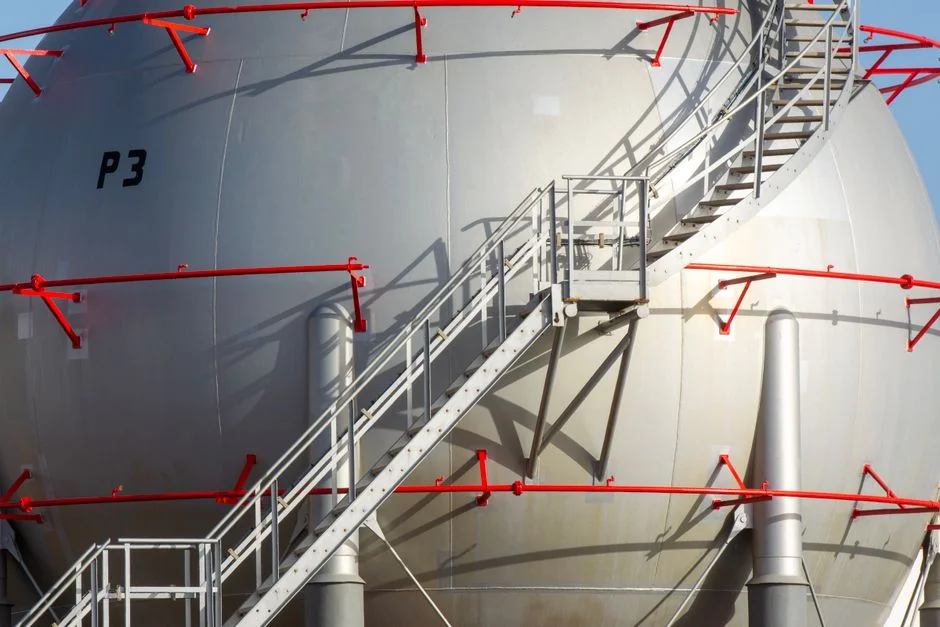
Shortlisting a frozen food ETP manufacturer in 2026 should score each candidate against six observable criteria: documented frozen food installations, in-house fabrication versus assembly-only, factory acceptance testing (FAT) capability, PLC/SCADA integration depth, after-sales response time, and verifiable reference plants with effluent data sheets. A vendor who cannot produce a flow diagram annotated with the actual DAF, MBR, and biological train from a comparable installation is a documentation risk before the contract is even signed.
Integrated scope matters because biological, MBR, and chemical dosing stages are interdependent. Suppliers offering skid-mount or containerized packages — for example, WSZ underground units rated 1–80 m³/h or MBR skids in the 5–200 m³/day range — shorten civil works and reduce site erection from 12–16 weeks to 4–6 weeks (HydropureWater field data, 2026). Red flags in 2026: vendors who quote a single "standard" plant for all food types regardless of FOG or ammonia load, vendors who subcontract tank fabrication, and vendors who cannot share influent and effluent data sheets from past jobs under NDA.
Confirm the manufacturer offers chemical dosing — coagulant plus pH adjustment — integrated with the biological train, since under-dosing polyaluminum chloride ahead of DAF routinely leaves 30–40% of emulsified oil in the effluent and forces the MBR to handle a loading it was not sized for. The automatic chemical dosing system and the JY integrated water purification equipment line cover this scope in modern packaged designs.
| Evaluation Criterion | What to Ask For | Pass / Fail Threshold |
|---|---|---|
| Frozen food installations | ≥3 reference plants | Effluent data sheets attached |
| In-house fabrication | Own tank and skid workshop | No subcontracted pressure vessels |
| FAT testing | Witnessed FAT at vendor site | Rejection criteria in PO |
| Controls | PLC + SCADA, Modbus/Profibus | Remote access for service |
| Service response | ≤48 h on-site, ≤24 h remote | SLA in service contract |
| Chemical dosing | Integrated with biological train | PAC, NaOH, antifoam all in scope |
2026 Compliance Targets: EPA, EU and China GB Discharge Limits
Discharge compliance is the constraint that defines the entire process train, and 2026 limits are tightening in the three jurisdictions that matter to most exporters. Under EPA 40 CFR 408, frozen vegetable and frozen prepared foods subcategories set BOD₅ ceilings at 20–40 mg/L, TSS at 30–50 mg/L, FOG at 10–20 mg/L, and pH 6.0–9.0 depending on daily flow. The EU Urban Waste Water Directive 91/271/EEC requires BOD ≤25 mg/L and COD ≤125 mg/L at the treatment plant outlet for discharges to sensitive waters, with total nitrogen ≤15 mg/L and total phosphorus ≤2 mg/L for populations above 10,000 p.e. China GB 8978-1996 Class 1 and Class 2 limits apply nationally, with 2026 enforcement tightening in Zhejiang and Shandong provinces — COD thresholds dropping to 50 mg/L for Class 1 receiving waters, and FOG ceilings down to 5 mg/L for new discharge permits (per provincial notices 2025-Q3).
Where the receiving water body is sensitive or where treated water is destined for in-plant reuse, MBR alone is not enough — granular activated carbon (GAC) polishing or RO is required to drop COD to under 30 mg/L and remove trace organics that would otherwise accumulate in reuse loops. For a cross-jurisdictional comparison of the EPA, EU, and China oil and grease ceilings, see the 2026 oil and grease discharge limits reference matrix.
2026 CAPEX and OPEX Benchmarks for a Frozen Food ETP
Defensible 2026 cost ranges for a frozen food ETP let you walk into a budget meeting with numbers rather than waiting for vendor quotes. Small plants in the 10–50 m³/day range, typically skid or containerized with DAF plus aerobic biological, run $80,000–$250,000 CAPEX and $0.25–$0.45 per m³ OPEX. Mid-scale facilities at 50–200 m³/day with full DAF and MBR fall in the $180,000–$650,000 CAPEX and $0.18–$0.35 per m³ OPEX envelope. Large plants at 200–1,000 m³/day running anaerobic plus MBR plus RO are in the $0.8M–$3.5M CAPEX range with OPEX of $0.12–$0.28 per m³ once RO chemical costs are included (HydropureWater field data, 2026; cross-checked against Springer food processing review 2024).
Sludge handling is a hidden line item that frequently doubles OPEX when missed. A plate and frame filter press for sludge dewatering producing 65–75% dry solids cuts hauling volume by 70% versus a decanter centrifuge at 22–28% dry solids, and the 12–18 month payback on the press is the single most defensible energy savings argument in any ETP capital submission. Add a 10–15% contingency for civil works and electrical interconnection, and a 5–8% engineering and commissioning line, to avoid the most common PO overrun in this sector.
| Plant Scale | Capacity | CAPEX (USD) | OPEX (USD/m³) | Typical Scope |
|---|---|---|---|---|
| Small | 10–50 m³/day | $80K–$250K | $0.25–$0.45 | Skid, DAF + aerobic |
| Mid-scale | 50–200 m³/day | $180K–$650K | $0.18–$0.35 | DAF + MBR |
| Large | 200–1,000 m³/day | $0.8M–$3.5M | $0.12–$0.28 | Anaerobic + MBR + RO |
A Practical 6-Step Manufacturer Selection Process
- Compile a 7-day influent characterization. Sample flow, COD, BOD, TSS, FOG, pH, and temperature every 4 hours across all four streams (blancher, IQF, thawing, CIP). Without this, every subsequent technical comparison is guesswork.
- Define discharge limits. Lock the regulatory ceiling for the specific receiving body or the in-plant reuse target. MBR sizing differs by 30–40% between a 50 mg/L COD and a 30 mg/L COD outlet.
- Issue a technical RFQ to 3–4 manufacturers. Request a PFD, P&ID, equipment list, and at least two reference plants with effluent data sheets. Reject any response missing any of these four items.
- Conduct desktop technical scoring. Score process fit, footprint, energy consumption, and controls integration on a weighted matrix. Process fit should carry 40% of the weight.
- Site-visit one reference plant per shortlisted vendor. Walk the plant, talk to the operator, and check membrane age against the design life. Photographs of clean DAF scum and intact membrane modules are non-negotiable.
- Negotiate FAT, performance guarantee, and service. Build a 2-year service contract with ≤48 h on-site response into the PO before signing. Liquidated damages for non-compliance should be 10–20% of contract value.
For a deeper walkthrough of skid-mounted packaged options, see the skid-mounted food processing treatment plant guide.
Frequently Asked Questions
What is the standard process train for a frozen food wastewater treatment plant in 2026? Rotary bar screen → DAF for FOG removal → equalization → anaerobic UASB or aerobic MBBR/SBR → MBR flat-sheet polishing → optional RO for reuse. This train consistently hits treated COD under 50 mg/L and FOG under 10 mg/L, satisfying EPA, EU, and China GB Class 1/2 limits (HydropureWater field data, 2026).
How much does a frozen food ETP cost in 2026? Small packaged plants (10–50 m³/day) run $80,000–$250,000 CAPEX, mid-scale DAF plus MBR systems (50–200 m³/day) run $180,000–$650,000, and large anaerobic plus MBR plus RO plants (200–1,000 m³/day) run $0.8M–$3.5M, with OPEX of $0.12–$0.45 per m³ depending on scale and reuse.
Which membrane is best for frozen food effluent polishing? Flat-sheet MBR modules at 0.1 μm pore size (DF series) operating at 10–15 LMH flux handle the high FOG residue left by upstream DAF better than hollow-fibre, and tolerate backwash cycles that extend membrane life to 5–7 years in this service.
What are the 2026 oil and grease discharge limits for frozen food processors? EPA 40 CFR 408 sets FOG at 10–20 mg/L by subcategory, EU 91/271/EEC requires under 10 mg/L for sensitive waters, and China GB 8978-1996 with 2026 provincial tightening in Zhejiang and Shandong drops the FOG ceiling to 5 mg/L for new permits. See the 2026 oil and grease discharge limits matrix for the full comparison.
How is BOD removed most effectively from high-strength frozen food wastewater? Anaerobic UASB or IC reactors for streams above 4,000 mg/L COD, paired with MBBR or SBR polishing for residual organics, deliver 85–95% BOD removal at the lowest energy cost, and detailed BOD removal engineering methods cover reactor selection criteria.
Related Equipment
- MBR flat-sheet membrane module — specifications, capacity range, and technical data