Why Muscat’s Sewage Treatment Suppliers Fail Buyers: A Local Case Study
A Muscat-based food processing facility recently faced a crippling OMR 20,000 (approximately $52,000 USD) fine for repeated non-compliance with Ministry of Environment and Climate Affairs (MECA) effluent discharge limits, specifically exceeding the BOD concentration for their sector. The stringent MECA 2024 standards mandate a BOD limit of ≤ 10 mg/L for food processing industries, a target many suppliers’ standard offerings struggle to consistently meet. The plant manager recounted a frustrating procurement process where initial bids from local sewage treatment equipment suppliers lacked crucial transparency. Proposals offered vague performance metrics, failed to detail energy consumption or long-term operational costs (OPEX), and provided insufficient information on after-sales support availability in Oman. This opacity is a common challenge in Muscat’s fragmented market, leaving facility directors and procurement managers vulnerable to unexpected operational disruptions and ongoing compliance risks. This guide addresses this critical gap by providing a data-driven, head-to-head comparison of leading suppliers, mapping their systems against MECA 2024 standards, and introducing a zero-risk selection framework designed to empower informed, confident procurement decisions.
Muscat Sewage Treatment Equipment Suppliers: Head-to-Head Technical Specs
Selecting the right sewage treatment equipment hinges on understanding core technical specifications that directly impact performance, footprint, and operational efficiency. For industrial facilities in Muscat, achieving high removal rates for Chemical Oxygen Demand (COD) and Total Suspended Solids (TSS) is paramount for meeting MECA 2024 effluent standards. The following table provides a direct comparison of systems offered by key Muscat-based suppliers, highlighting their technological approach, performance metrics, and estimated capital expenditure (CAPEX). While technologies like Fixed-Bed Biofilm Reactors (FBBR) and Sequencing Batch Reactors (SBR) are common, Membrane Bioreactor (MBR) systems, such as HydropureWater’s DF Series, offer superior effluent quality with < 1 μm filtration capabilities. However, MBRs typically incur a 30% higher CAPEX than SBRs for comparable flow rates, a trade-off that must be weighed against their advanced treatment performance.
Notably, OWATCO’s WSZ series of underground STPs presents a significant advantage for Muscat’s urban industrial zones, reducing the physical footprint by up to 60% compared to conventional above-ground SBR installations, which is critical where space is at a premium.
| Supplier/Technology | Technology Type | Flow Rate (m³/h) | COD Removal (%) | TSS Removal (%) | Footprint (m²/100 m³) | Energy Use (kWh/m³) | CAPEX ($/m³/day) |
|---|---|---|---|---|---|---|---|
| OWATCO WSZ Series | Integrated STP (likely SBR/MBR components) | 1–80 | ~95% | N/A (specific data not public) | Low (Underground design) | N/A (specific data not public) | $800–$1,500 |
| AIMS FBBR | FBBR | Variable | N/A (specific data not public) | ~97% | Moderate | N/A (specific data not public) | $1,200–$1,800 |
| National Trading | STP (various technologies) | Variable | N/A (specific data not public) | N/A (specific data not public) | Moderate to High | N/A (specific data not public) | $800–$1,500 |
| HydropureWater DF Series (MBR) | MBR | Customizable | >98% | >99% | Moderate | 0.30–0.45 kWh/m³ | $2,000–$3,000 |
For facilities requiring exceptionally high effluent quality, such as for water reuse or stringent industrial discharge, MBR systems offer unparalleled performance. However, the higher initial investment must be evaluated against long-term operational benefits and compliance assurance. OWATCO’s WSZ underground STPs are a compelling option for sites where minimizing surface footprint is a priority.
Compliance Mapping: How Muscat’s Top Suppliers Meet MECA 2024 Effluent Standards

Ensuring compliance with Oman’s Ministry of Environment and Climate Affairs (MECA) 2024 effluent standards is non-negotiable for industrial operations in Muscat. These standards differentiate between municipal and industrial discharges, with significantly stricter limits for industrial wastewater. The following table outlines key MECA 2024 effluent limits and maps how the technologies offered by leading suppliers typically perform. Standard SBR systems may require additional tertiary treatment stages, such as sand filters or lamella clarifiers, to consistently achieve the ≤ 10 mg/L TSS limit mandated for industrial discharge and water reuse applications. AIMS Water Management reports that their FBBR systems have been successfully implemented at a Muscat dairy plant, achieving a BOD level of ≤ 8 mg/L, demonstrating their capability to meet stringent food sector requirements.
| Parameter | MECA 2024 Municipal Limit | MECA 2024 Industrial Limit (General) | MECA 2024 Industrial Limit (Food Processing) | Typical FBBR Performance | Typical SBR Performance (without tertiary) | Typical MBR Performance |
|---|---|---|---|---|---|---|
| BOD (mg/L) | ≤ 30 | ≤ 20 | ≤ 10 | ≤ 15 | ≤ 20–30 | < 5 |
| COD (mg/L) | ≤ 125 | ≤ 75 | ≤ 50 | ≤ 60–80 | ≤ 80–120 | < 20 |
| TSS (mg/L) | ≤ 30 | ≤ 20 | ≤ 10 | ≤ 15–25 | ≤ 20–30 | < 1 |
For industries demanding the highest level of effluent quality, particularly those aiming for water recycling or facing the strictest discharge consents, MBR technology is often the most reliable solution. For general industrial compliance, FBBR systems offer robust performance, while standard SBRs may necessitate supplementary treatment to meet the most demanding TSS limits. Always verify supplier claims with site-specific performance data and pilot testing where possible.
Zero-Risk Supplier Selection Framework for Muscat Buyers
A rigorous evaluation of supplier capabilities, local presence, and long-term support is necessary for a zero-risk procurement strategy for sewage treatment equipment in Muscat.Beyond technical specifications and compliance mapping, a structured approach is needed to mitigate potential operational failures and ensure sustained compliance. Use the following checklist to thoroughly vet potential suppliers:
- Oman Tender Board Certification: Confirm if the supplier holds relevant certifications, such as OWATCO’s “First Grade” rating for turnkey execution of Water and Wastewater Treatment Plants by the Oman Tender Board. This indicates a level of established credibility and adherence to local regulatory standards.
- Local Manufacturing/Assembly and Service Infrastructure: Does the supplier have a physical presence and operational facilities within Oman? OWATCO’s 4,200 sqm Rusayl facility is an example of local manufacturing and assembly capability, which often translates to faster response times for spare parts and technical assistance. Suppliers relying solely on international teams may face significant delays in service.
- Comprehensive After-Sales Support: Inquire about their service level agreements (SLAs). Look for guarantees of 24/7 technical support, readily available spare parts inventory in Oman, and scheduled preventative maintenance programs. The ability to provide rapid on-site support is critical for minimizing downtime in industrial operations.
- Verified Local Case Studies: Request detailed case studies of successful installations within Muscat or similar industrial environments in Oman. This provides tangible evidence of their system's performance under local conditions and their ability to manage complex projects. OWATCO’s mention of projects in Ibri serves as an example of local project experience.
- MECA Compliance Documentation: Ensure suppliers can provide thorough documentation, including laboratory reports and performance guarantees, that specifically demonstrate compliance with MECA 2024 effluent standards for your specific industry and wastewater characteristics.
Red flags include suppliers with no established local service teams, those who cannot provide verifiable data on energy consumption or operational consumables, and those who lack a clear understanding of MECA 2024 specific requirements for industrial discharge. For MBR systems, especially given Muscat’s wastewater characteristics which can include high Total Dissolved Solids (TDS), requesting a pilot test is a prudent step to assess membrane fouling potential and optimize operational parameters before full-scale investment.
Muscat Sewage Treatment Plant Costs: 2025 CAPEX/OPEX Breakdown by Technology
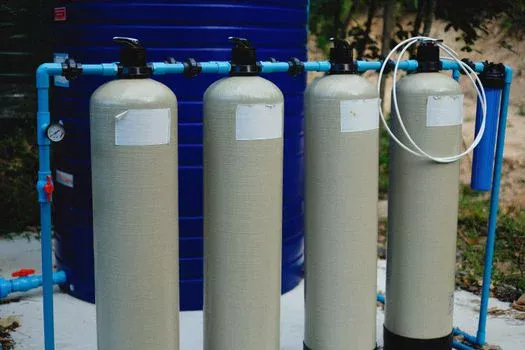
Budgeting accurately for a sewage treatment plant (STP) in Muscat requires a clear understanding of both the initial capital expenditure (CAPEX) and the ongoing operational expenditure (OPEX), which vary significantly by technology. Industrial buyers and facility directors need to consider these costs holistically for a true return on investment (ROI) calculation. The following table provides estimated cost benchmarks for different STP technologies applicable to Muscat’s industrial and municipal needs, drawing from global benchmarks and local project cost ranges. For example, OWATCO’s projects for capacities ranging from 50 to 500 m³/day typically fall within a CAPEX range of $500,000 to $2,000,000 USD. OPEX is a major driver of long-term cost, with energy consumption accounting for 30–50% of the total operational budget. MBR systems, while having a higher CAPEX, can lead to significant savings in sludge disposal costs, potentially reducing them by up to 40% compared to SBRs due to the lower water content in the generated sludge, a benefit offered by technologies like HydropureWater’s DF Series with its ultra-fine 0.1 μm filtration.
| Technology | Estimated CAPEX ($/m³/day) | Estimated OPEX ($/m³ wastewater treated) | Key OPEX Drivers |
|---|---|---|---|
| FBBR | $1,200–$1,800 | $0.20–$0.35 | Energy, Chemicals, Sludge Disposal |
| SBR | $800–$1,500 | $0.15–$0.30 | Energy, Chemicals, Sludge Disposal |
| MBR | $2,000–$3,000 | $0.30–$0.45 | Energy (higher pumping), Membrane Replacement, Chemicals |
When evaluating costs, consider not just the upfront price but also the total cost of ownership over the plant’s lifespan. Factors like energy efficiency, chemical consumption, labor requirements, and sludge management costs all contribute to the overall OPEX. For a comprehensive understanding of global cost models, refer to