Wastewater Treatment Plant Cost in Lucknow: 2025 Engineering Breakdown & ROI Calculator
In Lucknow, wastewater treatment plant costs range from ₹1.55 lakh for a 50 KLD residential system to ₹50+ lakhs for a 1000 KLD municipal plant (2025 data). Pricing depends on capacity, technology (MBBR: ₹2.5–₹4L/KLD; MBR: ₹4–₹6L/KLD), and compliance requirements (Uttar Pradesh PCB norms add 15–20% to CAPEX). Use this engineering breakdown to compare options and calculate ROI before procurement.
The rapid urbanization of Lucknow, particularly in areas like Gomti Nagar Extension and the expansion of the Sultanpur Road industrial belt, has necessitated a shift from basic septic solutions to advanced decentralized wastewater treatment plants (WWTP). The city's alignment with the "Swachh Bharat Mission" and the "Gomti Action Plan" has led to significantly more stringent technical specifications required for discharge permits. Engineering firms must now account for specific local variables, such as the high suspended solids common in Lucknow’s groundwater-fed sewage and the seasonal temperature fluctuations that affect biological treatment efficiency.
Why Wastewater Treatment Plant Costs in Lucknow Are So Confusing
Procurement managers in Lucknow’s industrial corridors, such as Amausi or Chinhat, frequently encounter quote variances of up to 300% for plants with identical volumetric capacities. This discrepancy often stems from suppliers providing "equipment-only" quotes that exclude essential civil engineering, piping, and electrical integration costs. For example, a textile factory manager seeking a 100 KLD plant might receive a quote for ₹4 lakh, only to discover later that an additional ₹1.5 lakh is required for civil work and foundation stabilization per Uttar Pradesh municipal benchmarks (HydropureWater field data, 2025).
There are three primary pricing traps prevalent in the Lucknow market. First, the omission of tertiary treatment stages—such as activated carbon filters or UV disinfection—can make an initial quote look attractive while leaving the facility non-compliant with Uttar Pradesh Pollution Control Board (UPPCB) discharge standards. Second, many low-cost vendors bundle unrelated maintenance services into the CAPEX to inflate the perceived value, masking the high long-term operational costs. Third, the "standardization trap" ignores the specific chemical oxygen demand (COD) and biological oxygen demand (BOD) profiles of local industrial effluent, leading to systems that are undersized for the actual pollutant load.
The Impact of UPPCB Compliance on CAPEX
The UPPCB has tightened discharge limits for treated effluent in 2025, especially for units located within the catchment area of the Gomti River. To meet a BOD (Biological Oxygen Demand) limit of less than 10 mg/L and a TSS (Total Suspended Solids) limit of less than 20 mg/L, plants must incorporate advanced filtration or membrane stages. This compliance requirement typically adds 15% to 20% to the base cost of a plant. The mandatory installation of Online Continuous Effluent Monitoring Systems (OCEMS) for larger industrial units in Lucknow adds a fixed cost of approximately ₹3.5 lakh to ₹6 lakh, depending on the number of parameters monitored (pH, TSS, COD, BOD, and Flow).
Geographical and Soil Factors in Lucknow
Lucknow’s geography consists primarily of alluvial soil, which presents specific challenges for civil construction. Unlike the rocky terrain of southern India, Lucknow’s soft soil often requires reinforced foundation slabs (RCC) or even piling for larger tanks to prevent sinking or cracking. Engineering quotes that do not account for these soil stabilization measures often lead to project delays and cost overruns. In areas like Deva Road, where the water table can be high during the monsoon, waterproofing and anti-buoyancy measures for underground tanks are essential, adding roughly 8-12% to the civil engineering budget.
To avoid these pitfalls, a detailed guide suggests evaluating quotes based on a "Total Installed Cost" model rather than unit price. In Lucknow, regional labor and material costs for civil structures typically run 10–15% lower than in Mumbai or Delhi, meaning a larger portion of the budget should be allocated to high-quality mechanical components rather than construction overhead.
Wastewater Treatment Plant Cost in Lucknow: 2025 Capacity-Based Pricing
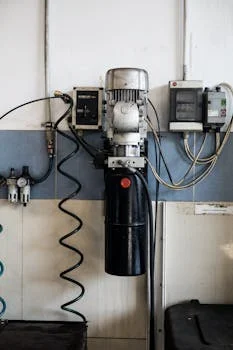
As capacity increases, the cost per KLD generally decreases due to economies of scale in tank construction and automation systems. For instance, a 50 KLD plant utilizing Moving Bed Biofilm Reactor (MBBR) technology may cost ₹3.1 lakh per KLD, whereas a 1000 KLD plant can drop to ₹5,000 per KLD for the core processing unit (HydropureWater engineering benchmarks, 2025).
| Capacity (KLD) | Primary Technology | CAPEX (₹ Lakhs) | Cost per KLD (₹ Lakhs) | OPEX (₹/KLD/year) |
|---|---|---|---|---|
| 50 | MBBR (Residential/Small Industrial) | ₹1.55 – ₹3.0 | ₹3.10 – ₹6.00 | ₹3.5k – ₹4.5k |
| 100 | MBBR / MBR | ₹5.0 – ₹8.0 | ₹5.00 – ₹8.00 | ₹3.0k – ₹4.0k |
| 200 | MBBR / SBR | ₹12.0 – ₹18.0 | ₹6.00 – ₹9.00 | ₹2.8k – ₹3.5k |
| 500 | SBR / MBR | ₹25.0 – ₹35.0 | ₹5.00 – ₹7.00 | ₹2.5k – ₹3.2k |
| 1000 | Municipal SBR | ₹50.0 – ₹75.0 | ₹5.00 – ₹7.50 | ₹2.0k – ₹2.8k |
Technology Comparison: MBBR vs. MBR vs. SBR
Choosing the right technology is the most significant factor in determining the long-term Return on Investment (ROI) for a Lucknow-based facility. MBBR (Moving Bed Biofilm Reactor) is the most popular choice for residential apartments and small hotels in Lucknow because of its relatively low CAPEX and ease of operation. It uses plastic media to provide a surface for biofilm growth, making it resilient to fluctuations in organic load.
MBR (Membrane Bioreactor) technology, while carrying a 40-60% higher initial cost, is increasingly adopted in Lucknow’s high-end commercial projects and hospitals. The primary advantage of MBR is the ultra-high quality of treated water, which is suitable for immediate reuse in cooling towers or high-end landscaping without extensive tertiary treatment. In a city like Lucknow, where water scarcity in summer drives up the cost of fresh water tankers (often ₹800–₹1,200 per 5,000 liters), the ability to reuse 95% of wastewater via MBR can result in a payback period of less than 36 months.
SBR (Sequencing Batch Reactor) is the preferred choice for larger industrial units and municipal setups (e.g., those managed by LMC). SBR systems operate in batches, allowing for excellent control over nutrient removal (Nitrogen and Phosphorus), which is critical for preventing eutrophication in the Gomti River. While SBR requires a larger footprint than MBR, its operational costs are lower because it does not require expensive membrane replacements every 3–5 years.
Operational Expenditure (OPEX) and Sludge Management
In Lucknow, OPEX is heavily influenced by electricity tariffs and the cost of sludge disposal. A typical 100 KLD plant requires approximately 15–20 kWh of power per day for aeration and pumping. With commercial electricity rates in Uttar Pradesh hovering around ₹7–₹9 per unit, power accounts for nearly 50% of the daily running cost. To mitigate this, many modern plants in the region are integrating solar PV panels to offset daytime aeration energy needs.
Sludge management is another critical cost factor. Traditional sludge drying beds are inefficient during Lucknow's humid monsoon months. Investing in a mechanical dewatering system, such as a filter press, increases CAPEX by ₹1.5–₹3 lakh but reduces the volume of sludge by 70%, drastically lowering the cost of transportation to authorized hazardous waste disposal sites or municipal landfills.
Cost drivers for these systems are generally distributed as follows: equipment (60%), civil work (20%), electrical and automation (15%), and compliance upgrades (5%). For smaller plants, such as a compact 50–80 KLD underground plant for Lucknow residential projects, civil costs are significantly reduced. Conversely, larger industrial plants in Lucknow often require more robust electrical systems due to local power grid fluctuations.
Related Equipment
The following HydropureWater products are engineered for the wastewater challenges discussed above, providing reliable performance in the specific climate and regulatory environment of Uttar Pradesh:
- high-efficiency DAF system for industrial pretreatment in Lucknow — This system is essential for Lucknow’s food processing and dairy industries. It effectively removes fats, oils, and grease (FOG) which can otherwise clog biological reactors. The DAF model is designed for high-salinity industrial effluent common in northern India, featuring corrosion-resistant components.
- MBR system for high-quality effluent in Lucknow’s urban projects — Ideal for residential townships along Shaheed Path, this MBR system eliminates the need for secondary clarifiers and sand filters. It provides a compact footprint, which is vital given the rising real estate prices in Lucknow’s central business districts.
- sludge dewatering solution for Lucknow’s compliance requirements — To meet the UPPCB’s "Zero Liquid Discharge" (ZLD) aspirations, this filter press ensures that sludge is converted into manageable dry cakes. This is a critical investment for industrial units in the Nadarganj industrial area where liquid sludge disposal is strictly prohibited.
When selecting equipment for a Lucknow site, engineers should also prioritize automation. Given the local challenges with skilled labor for wastewater operations, an automated PLC-based control system reduces the risk of process failure and ensures consistent compliance with environmental norms. Choosing equipment with a modular design allows for future capacity expansion—a common requirement as Lucknow's suburban industrial zones continue to grow.
Need a customized solution? Request a free quote with your specific flow rate and pollutant parameters. Our engineering team provides site-specific assessments for Lucknow-based projects to ensure the most cost-effective technology selection.
Further Reading
Explore these in-depth articles on related wastewater treatment topics to better understand the regional and technical context of your project:
- how Chennai’s industrial plants handle similar compliance challenges — Learn about the similarities and differences between coastal and inland (like Lucknow) wastewater regulations and how high-TDS water affects equipment selection.
- how DAF systems remove 95%+ TSS in industrial pretreatment — A deep dive into the physics of Dissolved Air Flotation, a technology increasingly used in Lucknow’s automotive and textile sectors to manage heavy particulate loads before biological treatment.
Understanding the nuances of wastewater treatment in Lucknow requires a balance between initial capital investment and long-term operational sustainability. By focusing on technology that suits the local climate and regulatory landscape, facility managers can turn a compliance obligation into a resource-recovery asset.