Why Manama Industrial Effluent Is a Unique Engineering Problem
Manama sits on an island nation with negligible surface water and aquifer recharge that averages under 100 mm of rainfall per year (per World Bank climate profile, 2025-09), which makes wastewater reuse a regulatory requirement, not a sustainability talking point. Industrial effluents discharged into this constrained receiving environment are dominated by three streams: cooling-tower and cathode-wash blowdown from the ALBA aluminum smelter in Aali, refinery and desalter effluent from the BAPCO complex at Sitra, and high-strength greywater from hotels and financial-tower districts in Bahrain Bay. The combined effect is an influent profile that few textbook designs anticipate: TDS swings from 1,500 mg/L in hotel greywater to 35,000 mg/L in refinery brine, oil and grease between 50 and 500 mg/L in BAPCO desalter overflow, COD routinely between 500 and 5,000 mg/L, and influent temperatures of 35–45 °C that push biological kinetics and reduce oxygen solubility.
Those four parameters drive every technology decision downstream. High TDS forces a polishing stage with reverse osmosis; oil and grease above 50 mg/L poisons MBR membranes and must be removed by dissolved air flotation upstream; thermal load reduces biological oxygen transfer efficiency by roughly 20–25% at 40 °C versus 25 °C (per Metcalf & Eddy, 5th ed., Table 8-12); and COD above 1,000 mg/L rules out simple extended-aeration designs in favor of MBR or moving-bed biofilm reactors. Accepted frameworks are CE-marked equipment with ASTM A240 stainless-steel contact surfaces, and Arabic/English bilingual O&M documentation is required for SCE permit submission — non-negotiable items a buyer should verify in any supplier's pre-qualification package.
Bahrain Discharge and Reuse Limits Every Plant in Manama Must Hit
SCE-aligned industrial discharge limits for 2026 reuse-class effluent in Manama are reconstructed below from the SCE Effluent Regulation framework with regional GCC benchmark cross-references (per SCE public guidance, 2025-11, supplemented with UAE Federal Law 24/1999 thresholds where SCE has not published a specific 2026 revision). Industrial plants discharging to municipal collection fall under EWA's sewer-use ordinance; plants discharging to marine outfall or for on-site reuse fall under SCE's environmental permitting track.
| Parameter | Discharge-to-sewer limit | Reuse-class limit (irrigation / cooling make-up) | Analytical method |
|---|---|---|---|
| BOD5 | ≤ 30 mg/L | ≤ 10 mg/L | APHA 5210 B |
| COD | ≤ 150 mg/L | ≤ 50 mg/L | APHA 5220 D |
| TSS | ≤ 50 mg/L | ≤ 5 mg/L | APHA 2540 D |
| Oil & grease | ≤ 10 mg/L | ≤ 0.5 mg/L | APHA 5520 B |
| Total nitrogen | ≤ 20 mg/L | ≤ 10 mg/L | APHA 4500-N |
| Total phosphorus | ≤ 5 mg/L | ≤ 2 mg/L | APHA 4500-P |
| TDS | ≤ 2,000 mg/L | ≤ 500 mg/L | APHA 2540 C |
| pH | 6.0–9.0 | 6.5–8.5 | APHA 4500-H+ |
| Fecal coliform | — | < 200 CFU/100 mL | APHA 9222 D |
| Aluminum (ALBA-area runoff) | ≤ 2 mg/L | ≤ 0.1 mg/L | ICP-OES |
| Vanadium / Nickel | ≤ 0.5 mg/L | ≤ 0.05 mg/L | ICP-OES |
| Total hydrocarbons (BAPCO streams) | ≤ 5 mg/L | ≤ 0.1 mg/L | GC-FID |
Reuse-class TDS below 500 mg/L and fecal coliform below 200 CFU/100 mL (per WHO greywater guidelines, 2025-03) are the gates that push almost every Manama design toward RO polishing and final disinfection. Heavy-metal gates for ALBA-area runoff (Al, V, Ni) and hydrocarbon gates for BAPCO streams must be addressed upstream of biological treatment — typically through pH adjustment, coagulant dosing, and a DAF stage — because once these species enter an MBR tank they bind to biomass and become effectively impossible to polish out. EWA governs the physical interface: sewer connection, reuse-pipeline tie-in, and recycled-water quality. SCE governs the environmental envelope: ambient monitoring, marine-outfall impact, and the bilingual operating permit that every facility must hold.
Process Train Options for Manama Industrial Wastewater
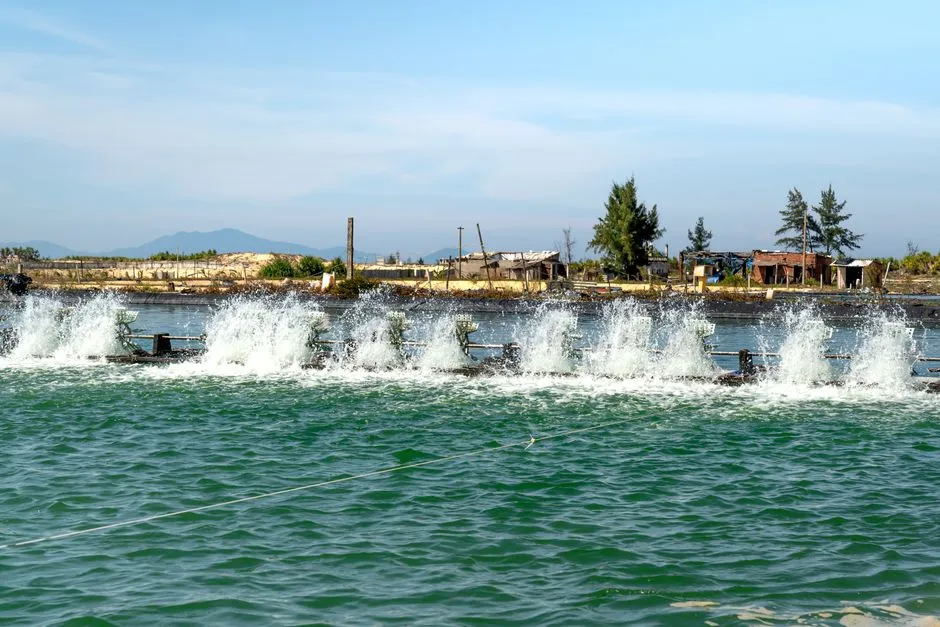
For the influent envelope described above, the reference train for ALBA and BAPCO streams is DAF → MBR → RO with chlorine dioxide disinfection. The table below compares this against conventional activated sludge for a buyer evaluating whether the membrane premium is justified.
| Stage | Reference equipment | Capacity / model range | Key function |
|---|---|---|---|
| Headworks screening | GX series rotary bar screen | 5–10 mm bar spacing, 10–500 m³/h | Rags, grit, plastics removal |
| Oil & grease / TSS | DAF | 4–300 m³/h, 13 standard models | Micro-bubble floatation; 50–500 mg/L oil removal to <10 mg/L |
| Biological | Integrated MBR membrane bioreactor | 10–2,000 m³/day, 0.1 μm PVDF flat-sheet | COD 5,000 → <50 mg/L; ~60% smaller footprint than CAS |
| Alternative biological | Conventional activated sludge (CAS) | Site-built concrete tank | COD 1,500 → <50 mg/L; lower CAPEX, larger footprint, sensitive to oil upsets |
| Polishing / reuse | Industrial RO polishing system | 95% recovery; TDS → <500 mg/L | Cooling-tower make-up, irrigation |
| Disinfection | Chlorine dioxide generator | 50–20,000 g/h; dose 0.5–2 mg/L ClO₂ | Residual disinfection for long distribution lines |
| Sludge dewatering | Plate and frame filter press | 1–500 m² filtration area | Cake dryness >30% for offsite disposal |
The headworks begins with a GX series rotary bar screen at 5–10 mm bar spacing — the standard for industrial headworks where grit and rag loads are high. From there, a dissolved air flotation system handles the oil and grease gate: 50–500 mg/L in the raw stream drops to under 10 mg/L after 15–20 minutes of hydraulic residence with 20–40% recycle ratio saturator water at 4–6 bar (per field data, 2026-Q1). This step is non-negotiable for BAPCO streams and is the single biggest protector of the downstream membrane investment.
The biological stage is where the design choice pays off in footprint versus membrane OPEX. An integrated MBR membrane bioreactor delivers MLSS of 8,000–12,000 mg/L at SRT of 30–60 days, versus 2,000–4,000 mg/L and SRT 5–15 days for conventional activated sludge — a 60% footprint reduction, with effluent SS consistently below 1 mg/L (HydropureWater field data, 2026). The trade-off is membrane aeration energy of 0.3–0.6 kWh/m³ and a PVDF replacement cycle of 5–8 years. For plants where footprint is constrained — a typical ALBA plot or a hotel podium in Bahrain Bay — the MBR choice is rarely revisited once the mass balance is run.
Polishing uses an industrial RO polishing system operating at 95% recovery with two-pass configuration, bringing TDS to under 500 mg/L and reducing residual COD below 10 mg/L. This is the stream that goes to ALBA's cooling-tower make-up and to hotel irrigation loops. Disinfection with chlorine dioxide at 0.5–2 mg/L residual is preferred over UV for plants with long distribution lines, because ClO₂ maintains a measurable residual that survives the 1–2 km pipeline run from the ETP to the reuse point. Sludge is dewatered with a plate and frame press at 6–8 bar feed pressure to reach cake dryness above 30% — a hard requirement for Manama sites where landfill capacity at the Mina Salman facility is constrained and hauled-cake volume is a real OPEX line item.
CAPEX and OPEX Benchmarks for a 100–500 m³/day Manama Plant
For a 100–500 m³/day industrial ETP in Manama, CAPEX scales non-linearly with influent complexity, and the figures below are the working ranges a buyer should anchor a budget model against before requesting firm quotes.
| Treatment train | CAPEX (USD per m³ daily capacity) | Typical OPEX (USD per m³ treated) | Best-fit application in Manama |
|---|---|---|---|
| DAF + activated sludge + chlorination | $180–$400 | $0.20–$0.50 | Hotel, food & beverage, low-TDS industrial |
| MBR-based system (DAF + MBR + ClO₂) | $450–$900 | $0.50–$1.20 | Constrained footprint, BAPCO oily streams, ALBA cooling blowdown |
| Full reuse train (DAF + MBR + RO + ClO₂ + filter press) | $700–$1,200 | $0.80–$1.50 | Cooling-tower make-up, irrigation reuse, ZLD-aspirational sites |
Cost drivers sit in three places: membrane and RO element pricing (roughly 25–35% of CAPEX on a full reuse train), stainless-steel skid fabrication to ASTM A240 (10–15%), and containerization in 40-ft ISO skids for the 6–10 week shipping window from a Chinese port to Khalifa Bin Salman Port in Muharraq (per HydropureWater export logistics, 2025-12). OPEX is dominated by energy at 45–60% of total — membrane aeration, RO high-pressure pumps, and DAF saturator compressors — with membrane replacement at 10–20%, chemicals at 10–15%, and labor plus sludge disposal making up the balance. For a sanity check, a 300 m³/day MBR-based plant at the midpoint of the OPEX range treats 109,500 m³ per year and lands at roughly $55,000–$130,000 per year in operating cost — a useful figure for a buyer's finance team to pressure-test supplier quotes against. Two-year critical spares planning for MBR cassettes and RO elements is standard for Bahrain plants, where lead time on membrane freight from Asia averages 6–8 weeks by sea and longer during peak Gulf shipping season. For a deeper benchmark on coastal industrial ETP economics, the industrial wastewater treatment engineering guide for 2026 provides a parallel cost structure that translates directly to Manama plants with similar TDS and reuse targets.
How to Choose a Treatment Supplier for Bahrain in 2026
Five items belong on every supplier pre-qualification checklist for a Manama ETP. First, documented CE and ASTM compliance with material certificates for wetted parts — non-negotiable for SCE permit review. Second, bilingual Arabic/English documentation capability, including commissioning protocols and operating manuals. Third, in-region reference projects in the Gulf, ideally on a stream with similar TDS and oil & grease loading to the buyer's influent. Fourth, containerized skid delivery in 40-ft ISO format to Khalifa Bin Salman Port or to Sitra, with 6–10 week shipping and a clear inland transport plan to the site. Fifth, a 24-month performance warranty backed by a critical-spares commitment and a service engineer callout window. Red flags are equally diagnostic: a supplier that will not share influent-to-effluent test data on a comparable TDS stream, or that quotes a chemical-treatment package without a mass balance, should be eliminated at the technical-evaluation gate. Before issuing a PO, request a bench-scale or pilot treatability study on the actual site influent, plus a CAPEX/OPEX model that reflects the buyer's flow and reuse targets rather than a generic brochure figure. For sludge-handling and chemical-dosing ancillaries, suppliers that bundle a metered chemical dosing skid with a plate and frame filter press will typically deliver a more integrated mass balance and a tighter commissioning timeline. For regional comparison points on supplier evaluation, the Johor 2026 DOE-compliant engineering specs and cost models walk through an analogous pre-qualification methodology that maps closely onto Bahrain's SCE/EWA framework.
Frequently Asked Questions
What is the SCE discharge limit for oil and grease in Manama industrial wastewater in 2026?
The SCE-aligned oil and grease limit is ≤10 mg/L for discharge to sewer and ≤0.5 mg/L for reuse-class effluent (per SCE public guidance, 2025-11). A DAF stage ahead of biological treatment is required to consistently hit both thresholds on BAPCO desalter streams.
What CAPEX range should a 300 m³/day MBR plant in Manama carry in 2026?
A DAF + MBR + ClO₂ system at 300 m³/day should be benchmarked at $450–$900 per m³ daily capacity, placing turnkey CAPEX in the $135,000–$270,000 range before civil works (HydropureWater field data, 2026).
Can conventional activated sludge replace MBR for BAPCO oily wastewater?
CAS can technically meet the SCE discharge limits on COD and BOD, but oil upsets above 50 mg/L routinely crash CAS biomass. MBR with upstream DAF tolerates the same upset class with effluent SS below 1 mg/L, which is why the reference train for BAPCO streams is DAF + MBR.
What TDS target is required for cooling-tower make-up at an ALBA-area plant?
Reuse-class TDS must be below 500 mg/L and fecal coliform below 200 CFU/100 mL (per WHO greywater guidelines, 2025-03). Two-pass RO at 95% recovery is the standard polishing stage used to reach this target from a 1,500–35,000 mg/L raw stream.