Why Johor Factories Are Failing DOE Wastewater Inspections in 2025
In 2025, industrial wastewater treatment in Johor faces a dual challenge: stringent Department of Environment (DOE) Malaysia discharge limits and the imperative for cost-effective operations. The consequences of non-compliance are severe and immediate. Data from the DOE Johor Annual Report 2023 reveals that a significant 37% of Johor factories failed environmental inspections in 2024. Total Suspended Solids (TSS) violations accounted for 42% of these failures, a common issue in food processing and metalworking sectors. Chemical Oxygen Demand (COD) violations, prevalent in electronics and petrochemical plants due to complex organic compounds, represented 31% of failures. For the petrochemical hub in Pasir Gudang, Oil & Grease (O&G) violations, with DOE enforcing limits of ≤10 mg/L, made up 18% of non-compliance cases.
The financial and operational risks are substantial. Fines can range from MYR 50,000 for minor infractions to MYR 500,000 for repeated or severe violations, as outlined in the DOE penalty framework. Beyond financial penalties, production halts, environmental remediation costs, and severe reputational damage can cripple a business. A stark example is a Pasir Gudang food manufacturer that incurred MYR 200,000 in fines after consistently failing TSS limits. Following a retrofit with a Dissolved Air Flotation (DAF) system, the factory successfully reduced TSS to below the ≤30 mg/L threshold within three months, averting further penalties and operational disruptions.
The underlying reasons for these failures are multifaceted and often interconnected. Many older factories were built with outdated wastewater treatment technologies that are no longer capable of meeting the increasingly rigorous standards set by the DOE. These legacy systems may rely on basic physical separation methods or chemical precipitation that are inefficient against complex or fluctuating wastewater compositions. For instance, a factory processing a wide variety of food products might experience significant variations in TSS and FOG content daily, overwhelming older treatment plants. The food processing industry, in particular, generates wastewater rich in organic matter, fats, and proteins, which can be challenging to treat effectively. High TSS levels can lead to siltation in receiving waters, harming aquatic life, while excessive FOG can clog pipes and reduce the efficiency of biological treatment processes. Similarly, metalworking facilities often discharge wastewater containing heavy metals and suspended metal particles, requiring specialized treatment beyond simple sedimentation.
Another critical factor is the lack of investment in upgrades and maintenance. The economic pressures faced by manufacturers, especially small and medium-sized enterprises (SMEs), can lead to deferred maintenance or a reluctance to invest in new, more advanced treatment technologies. This short-sighted approach, while seemingly cost-saving in the short term, ultimately leads to higher costs through fines, potential production shutdowns, and the eventual necessity of a more expensive emergency upgrade. The DOE’s increased enforcement activities in 2025, including more frequent and unannounced inspections, are designed to catch these non-compliant facilities. The shift towards real-time monitoring for larger facilities also means that any lapses in treatment are likely to be detected quickly, leaving less room for error.
Furthermore, a lack of in-house expertise in wastewater management can contribute to non-compliance. Many factory managers and operational staff may not have the specialized knowledge required to operate and maintain complex wastewater treatment systems effectively. This can lead to improper dosing of chemicals, incorrect calibration of equipment, or failure to identify and address emerging treatment issues before they result in exceedances of discharge limits. The complexity of modern wastewater treatment, especially for industries with diverse and challenging effluents like electronics manufacturing (which often deals with heavy metals and complex organic solvents) or petrochemicals (with a wide array of persistent organic pollutants and high COD), demands a higher level of technical understanding.
The geographical concentration of industries in Johor, such as the petrochemical and palm oil processing hubs in Pasir Gudang and the electronics manufacturing clusters in the Iskandar Malaysia region, intensifies the problem. These areas often face cumulative environmental stress, leading the DOE to impose even stricter regulations to protect local ecosystems and public health. The cumulative impact of multiple factories discharging inadequately treated wastewater can overwhelm the assimilative capacity of receiving water bodies, leading to significant environmental degradation. For example, the historical issues with water quality in the Pasir Gudang area have led to specific directives and stricter limits for industries operating there, particularly concerning FOG and heavy metals.
Finally, the evolving nature of manufacturing processes themselves can introduce new challenges. As industries adopt new materials, chemicals, or production techniques, the composition of their wastewater can change. Older treatment systems may not be equipped to handle these new contaminants, leading to unexpected treatment failures. For instance, the increasing use of advanced plating techniques in electronics manufacturing can introduce a wider range of heavy metals, requiring more sophisticated treatment methods than those designed for older processes. Therefore, a dynamic and adaptive approach to wastewater management, including regular process reviews and effluent analysis, is crucial for maintaining compliance in the face of evolving industrial practices.
Johor-Specific Wastewater Discharge Limits: DOE Malaysia 2025 Standards
Navigating the regulatory landscape in Johor requires a clear understanding of the DOE Malaysia’s 2025 discharge standards, as detailed in the Environmental Quality Regulations 2023. The baseline limits for key parameters across most industries are: BOD ≤ 50 mg/L, COD ≤ 100 mg/L, TSS ≤ 50 mg/L, O&G ≤ 10 mg/L, and a pH range of 6–9. However, these limits can be industry-specific and geographically nuanced. For instance, food processing industries in Pasir Gudang often face stricter FOG limits, typically ≤5 mg/L, due to historical environmental concerns in the area. Similarly, electronics manufacturers are under increasing pressure to achieve near-zero discharge for heavy metals, with the DOE’s 2025 Zero-Discharge Initiative mandating limits of ≤0.1 mg/L for metals like nickel and copper.
The DOE’s 2025 enforcement strategy includes quarterly unannounced inspections, real-time monitoring for large-scale industrial facilities, and mandatory third-party audits for industries identified as high-risk. This heightened scrutiny necessitates a proactive approach to compliance. Factories must not only meet current standards but also anticipate future regulatory trends and technological advancements in wastewater treatment.
| Industry Sector | BOD (mg/L) | COD (mg/L) | TSS (mg/L) | O&G (mg/L) | Heavy Metals (e.g., Ni, Cu) (mg/L) | DOE Reference |
|---|---|---|---|---|---|---|
| Food Processing (Pasir Gudang) | ≤ 50 | ≤ 100 | ≤ 50 | ≤ 5 | N/A | EQR 2023, Localised DOE Directives |
| Electronics Manufacturing | ≤ 50 | ≤ 100 | ≤ 50 | ≤ 10 | ≤ 0.1 (for Ni, Cu) | EQR 2023, Zero-Discharge Initiative |
| Petrochemical (Pasir Gudang) | ≤ 50 | ≤ 100 | ≤ 50 | ≤ 5 | ≤ 0.5 (total heavy metals) | EQR 2023, Localised DOE Directives |
| General Manufacturing | ≤ 50 | ≤ 100 | ≤ 50 | ≤ 10 | N/A | EQR 2023 |
Understanding these limits is the first step towards compliance. However, the DOE’s regulations are not static. The Environmental Quality Act 1974, along with its subsequent amendments and regulations like the Environmental Quality (Sewage and Industrial Effluents) Regulations 2009 (and its updates in 2023), provides the legal framework. The DOE continuously reviews and updates these standards based on scientific advancements, environmental impact assessments, and international best practices. For example, the move towards the "Zero-Discharge Initiative" for certain industries signifies a trend towards more stringent controls, aiming to minimize or eliminate the release of specific pollutants altogether. This initiative is particularly relevant for electronics and heavy industries where persistent and toxic substances are a concern.
The specific limits can also vary based on the receiving water body's classification and the industrial zone's environmental sensitivity. For areas like Pasir Gudang, which has a history of environmental challenges, the DOE may impose stricter interim or localized limits, often communicated through specific directives to the factories operating within that zone. These localized directives can be more stringent than the general national standards, requiring factories to adapt their treatment processes accordingly. For instance, a factory located near a sensitive mangrove ecosystem might face lower limits for nutrients or organic pollutants to protect the delicate aquatic environment.
Beyond the numerical limits, the DOE also enforces parameters related to the physical and chemical characteristics of the wastewater. This includes temperature limits (typically ≤40°C), turbidity, and the absence of visible oil or grease slicks. The pH range of 6–9 is crucial for maintaining the health of aquatic life and ensuring the effectiveness of downstream biological treatment processes. Exceedances in any of these parameters can lead to non-compliance, even if the primary pollutant limits are met.
The enforcement mechanisms are also evolving. While quarterly unannounced inspections have been a standard practice, the DOE is increasingly leveraging technology. For large-scale industrial facilities, the installation of Continuous Emission Monitoring Systems (CEMS) or equivalent real-time data loggers for wastewater discharge is becoming mandatory. This allows the DOE to monitor effluent quality continuously, providing immediate alerts for any non-compliance. For industries categorized as high-risk, mandatory third-party audits by accredited environmental consultants are required. These audits provide an independent assessment of the factory’s environmental management system, including its wastewater treatment operations, and ensure that the factory’s self-monitoring data is accurate and reliable.
Factories must also consider the cumulative impact of their discharges. Even if an individual factory meets its specific limits, the collective discharge from multiple factories in an industrial cluster can still overwhelm the local environment. Therefore, the DOE’s approach is increasingly holistic, considering the overall environmental health of a region. This means that factories may need to aim for performance levels significantly better than the minimum required by the regulations to ensure their contribution to the cumulative load is acceptable.
In summary, the DOE’s 2025 standards in Johor are characterized by increased stringency, industry-specific tailoring, geographical considerations, and a strong emphasis on technological monitoring and independent verification. Factories must adopt a proactive, data-driven approach to wastewater management, staying abreast of regulatory changes and investing in appropriate treatment technologies to ensure sustained compliance and environmental stewardship.
Related Equipment
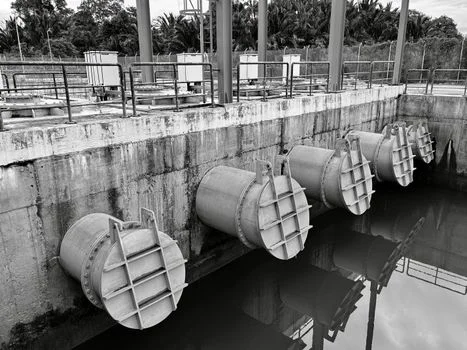
The following HydropureWater products are engineered for the wastewater challenges discussed above:
- Johor-optimized DAF systems for high-FOG effluents — view specifications, capacity range, and technical data
- MBR systems for Johor’s space-constrained electronics manufacturers — view specifications, capacity range, and technical data
- Precise chemical dosing for Johor’s variable industrial effluents — view specifications, capacity range, and technical data
Need a customized solution? Request a free quote with your specific flow rate and pollutant parameters.