PCB Wastewater Engineering Solution: 2025 Hybrid System Design with 99.9% Copper Recovery & ZLD Compliance
PCB wastewater treatment is one of the most complex industrial water challenges due to the coexistence of heavy metals (copper, nickel, tin), high COD organics, and complexing agents. A 2025 hybrid engineering solution—combining chemical precipitation, dissolved air flotation (DAF), MBR membrane bioreactors, reverse osmosis (RO), and ion exchange—can achieve 99.9% copper recovery and zero liquid discharge (ZLD) compliance. For example, a 45 gpm plating rinse water system with two-stage ion exchange reduces copper from 50 mg/L to <0.1 mg/L, meeting EPA 40 CFR Part 469 standards while cutting hauling costs by 80%.
Why PCB Wastewater Treatment Fails: The Hidden System Imbalances
Structural imbalances in PCB wastewater systems cause 30-50% of treatment failures due to the mutual interference of heavy metals and organic complexing agents. In typical PCB manufacturing, wastewater contains 50–500 mg/L copper, 10–100 mg/L nickel, and 1,000–10,000 mg/L COD. These constituents do not exist in isolation; rather, they form stable chemical structures that resist conventional treatment. (HydropureWater field data, 2025).
Metal ions, particularly copper, act as potent inhibitors in biological treatment stages. At concentrations exceeding 5 mg/L, copper ions disrupt the enzymatic activity of activated sludge, leading to biomass collapse in traditional aerobic systems. Conversely, organic complexing agents like EDTA and citric acid form chelated bonds with copper ions (Cu-EDTA), preventing standard hydroxide precipitation. Chemical equations demonstrate that at a pH of 9.0, the stability constant (log K) for Cu-EDTA is approximately 18.8, meaning the complex remains soluble even in the presence of standard coagulants. This reduces heavy metal precipitation efficiency by 30–50% compared to non-complexed streams.
A real-world example of this failure occurred at a PCB plant in Shenzhen, which experienced a 40% compliance failure rate despite having a functional precipitation system. The root cause was the uncontrolled mixing of high-COD etching waste with dilute rinse water, which saturated the system's ability to break down complexed metals. Without a hybrid approach that segregates and pre-treats these streams, the chemical equilibrium required for discharge compliance is impossible to maintain.
PCB Wastewater Characteristics: Pollutant Loads by Production Process
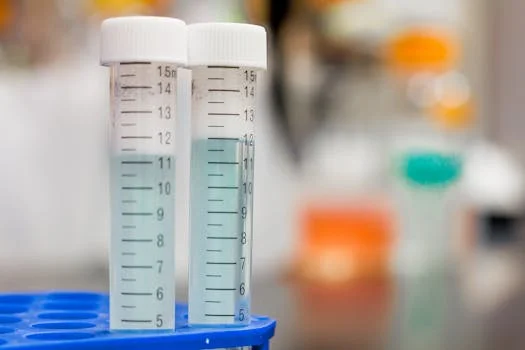
PCB manufacturing generates distinct wastewater streams where copper concentrations vary from 50 mg/L in rinse water to over 1,000 mg/L in etching effluents. Engineering a successful treatment system requires a granular understanding of the pollutant loading from each production step. Plating rinse water typically flows at 30–100 gpm and contains 50–200 mg/L copper and 10–50 mg/L nickel at an acidic pH of 2–4. This stream is ideal for direct heavy metal recovery via ion exchange or advanced precipitation.
In contrast, etching wastewater is characterized by extreme alkalinity (pH 8–10) and high organic loads, with COD levels ranging from 1,000 to 5,000 mg/L and tin concentrations between 20 and 100 mg/L. Chemical mechanical polishing (CMP) wastewater introduces further complexity with 500–2,000 mg/L of abrasive silica particles and 10–30 mg/L of copper. These abrasive particles cause rapid wear on pump impellers and membrane surfaces if not removed via high-efficiency sedimentation or flotation.
| Process Stream | Copper (mg/L) | Nickel (mg/L) | Tin (mg/L) | COD (mg/L) | TSS (mg/L) | pH Range |
|---|---|---|---|---|---|---|
| Plating Rinse | 50–200 | 10–50 | <5 | 100–300 | 50–150 | 2.0–4.0 |
| Etching Waste | 100–500 | <10 | 20–100 | 1,000–5,000 | 200–500 | 8.0–10.0 |
| CMP Wastewater | 10–30 | <1 | <1 | 50–200 | 500–2,000 | 6.0–8.0 |
| Developing Waste | <5 | <1 | <1 | 5,000–15,000 | 300–800 | 11.0–13.0 |
Hybrid PCB Wastewater Treatment System: Step-by-Step Engineering Process
A hybrid treatment architecture combining chemical precipitation with membrane separation achieves 99.9% copper recovery while reducing effluent copper to <0.1 mg/L. The process begins with Step 1: Pretreatment. Influent is screened to remove large debris, followed by automated pH adjustment using an PLC-controlled chemical dosing system. For metal precipitation, the pH is typically raised to 8.5–9.0 using NaOH or Ca(OH)₂, which converts soluble metal ions into insoluble hydroxides.
Step 2: Chemical Precipitation + DAF involves the addition of organosulfur precipitants to break chelated metal bonds. Using a high-efficiency DAF system for PCB wastewater pretreatment, micro-bubbles attach to the metal flocs, lifting them to the surface for skimming. This stage achieves 95% copper removal, reducing influent concentrations from 50 mg/L to approximately 2.5 mg/L before entering the biological stage.
Step 3: MBR Membrane Bioreactor targets the high COD organics. An MBR membrane bioreactor for COD and organic removal in PCB wastewater operates at an MLSS (Mixed Liquor Suspended Solids) concentration of 8,000–12,000 mg/L. The 0.1 μm membrane pore size ensures that all biomass and precipitated metals are retained, producing an effluent with COD <50 mg/L and TSS <1 mg/L.
Step 4: Reverse Osmosis (RO) provides the desalination required for water reuse. An industrial RO system for PCB wastewater reuse and ZLD compliance removes >99% of dissolved solids. The resulting permeate, with a conductivity <10 μS/cm, can be recycled back to the plating line, significantly reducing freshwater consumption. Detailed insights on this can be found in our engineering guide to industrial RO membrane systems for wastewater reuse.
Step 5: Ion Exchange serves as the final polishing and recovery unit. A two-stage system utilizing strong acid cation (SAC) followed by weak base anion (WBA) resins captures residual copper. This achieves 99.9% recovery, yielding a high-purity copper sulfate solution during resin regeneration, which can be sold or reused in the etching process. For more on high-recovery designs, see our case study: 2025 PCB wastewater treatment project with 99.8% copper recovery.
Compliance Benchmarks: EPA, EU, and China GB Standards for PCB Wastewater
Global regulatory frameworks for PCB manufacturing impose strict daily maximum limits on heavy metals, with EPA 40 CFR Part 469 capping copper at 0.4 mg/L. Failure to meet these benchmarks can result in civil penalties exceeding $50,000 per day per violation. The European Union’s Industrial Emissions Directive (2010/75/EU) focuses on Best Available Techniques (BAT), requiring monthly averages for COD to remain below 125 mg/L and TSS below 35 mg/L.
China's GB 31573-2015 standard is among the most stringent globally, especially for facilities located in "Special Discharge" zones. These regulations limit nickel and copper to 0.5 mg/L and COD to 60 mg/L. A hybrid system must be designed to meet the most restrictive of these parameters to ensure long-term operational viability and to facilitate international supply chain audits.
| Pollutant | EPA 40 CFR 469 (mg/L) | EU IED 2010/75 (mg/L) | China GB 31573 (mg/L) |
|---|---|---|---|
| Copper (Cu) | 0.40 (Daily Max) | 0.50 (Avg) | 0.50 (Daily Max) |
| Nickel (Ni) | 0.20 (Daily Max) | 0.50 (Avg) | 0.50 (Daily Max) |
| Tin (Sn) | 0.50 (Daily Max) | N/A | N/A |
| COD | N/A | 125 (Monthly Avg) | 60 (Daily Max) |
| TSS | N/A | 35 (Monthly Avg) | 30 (Daily Max) |
| pH | 6.0–9.0 | 6.0–9.0 | 6.0–9.0 |
Cost Breakdown: CAPEX, OPEX, and ROI for a 50 gpm PCB Wastewater System
Implementing a 50 gpm hybrid wastewater treatment system requires a CAPEX investment of $1.2M to $1.8M, but typically delivers an ROI within 36 months by eliminating hazardous waste hauling costs. In a 50 gpm scenario, a plant generates approximately 72,000 gallons of wastewater daily. At a hauling cost of $0.50 per gallon, the annual expenditure reaches $1.3 million. Transitioning to an on-site ZLD system reduces this cost to the OPEX of the treatment system, which ranges from $0.80 to $1.20 per cubic meter treated.
The OPEX breakdown is dominated by chemical consumption (30%) and energy (20%). Chemical costs include NaOH for pH adjustment, coagulants for the DAF, and regeneration chemicals (HCl/NaOH) for the ion exchange resins. Membrane replacement for the MBR and RO units accounts for approximately 15% of the annual operating budget, assuming a 5-year lifespan for MBR and 3-year for RO. For a broader look at electroplating-specific costs, refer to our guide on electroplating wastewater treatment solutions for semiconductor fabs.
| System Component | Estimated CAPEX | Estimated OPEX ($/m³) | Primary Cost Driver |
|---|---|---|---|
| DAF Pretreatment | $200,000 | $0.30 | Coagulants & Flocculants |
| MBR Biological | $400,000 | $0.25 | Aeration Energy |
| RO Purification | $300,000 | $0.35 | High-Pressure Pumping |
| Ion Exchange | $250,000 | $0.20 | Regenerant Chemicals |
| Automation/PLC | $150,000 | $0.10 | Maintenance/Sensors |
How to Select the Right PCB Wastewater Treatment Equipment
Selecting PCB wastewater equipment depends primarily on the volumetric flow rate and the specific concentration of complexed metals in the influent stream. For low-flow operations (<20 gpm), a batch treatment approach using chemical precipitation followed by a high-pressure plate and frame filter press is the most cost-effective. This setup allows for precise dosing and long reaction times required for complexed metals without the high CAPEX of continuous membrane systems.
Mid-sized facilities (20–100 gpm) should prioritize continuous hybrid systems. The integration of DAF for solids removal and MBR for organic stabilization ensures that subsequent RO membranes are protected from fouling. For large-scale operations (>100 gpm), the design shifts toward high-rate clarification. Utilizing a high-efficiency sedimentation tank with lamella plates allows for a smaller footprint while handling high volumes of metal hydroxide sludge.
When the goal is 99.9% copper recovery, resin selection in the ion exchange stage is critical. While standard resins like Purolite C100 are effective for general softening, chelated copper recovery often requires specialized iminodiacetic acid functional groups (e.g., Dow Ambersep) to selectively target copper in the presence of calcium and magnesium. The decision framework follows a logical path: Flow Rate → Pollutant Complexity → Recovery Goal → Unit Operation Selection.
Frequently Asked Questions
What is the most cost-effective way to treat PCB wastewater?
Hybrid systems that combine DAF, MBR, and RO are the most cost-effective for medium to large facilities. These systems reduce hazardous waste hauling costs by up to 80% and allow for 99% water reuse, significantly lowering freshwater procurement costs.
How much copper can be recovered from PCB wastewater?
Using a two-stage ion exchange system, it is possible to recover 99.9% of copper. This process reduces influent copper concentrations from 50 mg/L to less than 0.1 mg/L, producing a concentrated copper solution that can be electrolytically recovered or sold as copper sulfate.
What are the compliance risks of untreated PCB wastewater?
Untreated PCB wastewater violates EPA 40 CFR Part 469, which can lead to fines of up to $54,833 per day. heavy metals like nickel and copper are toxic to municipal sewage treatment plants, leading to potential criminal liability for interference with public works.
Can PCB wastewater be reused in production?
Yes. RO permeate typically has a conductivity of <10 μS/cm, which exceeds the quality requirements for most PCB rinsing processes. Implementing a ZLD loop can reduce a facility's total freshwater consumption by 60–80%.
What is the lifespan of an MBR membrane in PCB wastewater?
With proper pretreatment (DAF and pH adjustment), an MBR membrane has a lifespan of 5–7 years. Maintenance involves weekly backwashing and semi-annual Clean-In-Place (CIP) cycles using citric acid for inorganic scaling and NaOH for organic fouling.