Choose by the contaminant fraction, not the equipment label
For Lewisburg mining and metals plants, select a gravity clarifier for heavy, readily settleable mineral fines and DAF for floatable or flocculable material such as oils, conditioned metal-bearing precipitates and colloidal solids. Mixed streams may justify a clarifier followed by DAF polishing. The final choice must use stream-specific flow, TSS, particle size, pH, metals, oils, peak loads and sludge data—not an average effluent sample or generic capacity table. DAF depends on chemical conditioning and has limited suitability for heavy silt and clay; clarification depends on settleability, surface loading and sludge withdrawal.
“Clarifier” is not a separation mechanism. Dissolved air flotation uses pressurized air released as microbubbles that attach to conditioned particles; the resulting float rises to the surface and is removed by a skimmer. Gravity clarification separates particles that settle under gravity. A lamella plate separator adds inclined plates to increase effective settling area within a compact tank, but it remains a gravity device.
Accordingly, use DAF where the contaminant can float or be made flocculable. Use conventional or lamella clarification where dense material settles readily. Mixed loads require application-specific testing rather than a choice based on the product label. An industrial DAF system for floatable and conditioned solids and a lamella clarifier for settleable mineral fines therefore have different design bases even when both appear on a proposal as “clarification.”
Map each Lewisburg wastewater stream before comparing equipment
Mining and metals plants around Lewisburg commonly combine wastewater fractions that should not be evaluated as one average stream. Tailings or mill discharge, equipment-washwater, metallurgical precipitate, floor wash, stormwater, batch discharges and process-water recycle can differ sharply in flow, solids behavior, chemistry and sludge generation. A plant-wide TSS value can conceal the fraction that determines equipment selection.
Build a source-by-source sampling program. Record flow and peak discharge by origin, including batch timing and stormwater contribution. For each stream, obtain TSS, particle-size distribution, settleability, oils and greases, pH, temperature, total and dissolved metals, and expected sludge volume. Document seasonal variability and identify whether metals are dissolved or attached to settleable or floatable particles. Removing dissolved metal requires precipitation first; the separator can then capture the resulting solid only if the chemistry and particle behavior support it.
| Lewisburg stream | Selection-critical evidence | Equipment implication |
|---|---|---|
| Tailings or mill discharge | Peak flow, TSS distribution, particle size, density, settleability | Gravity clarification may remove bulk solids; DAF is poorly matched to heavy non-floating silt and clay. |
| Equipment or floor washwater | Free and emulsified oil, surfactants, TSS, batch profile | Conditioning and DAF may be warranted; emulsions require application-specific testing. |
| Metallurgical precipitate | Total and dissolved metals, pH, alkalinity, floc properties | Precipitation, conditioning and solids capture must be considered as one process. |
| Stormwater and process-water recycle | Flow history, solids entry, seasonal variability, reuse target | Determine whether equalization, pretreatment or downstream polishing is required. |
A generic capacity table cannot resolve unknown floatability, chemistry, peak flow or sludge behavior. The mining and metals pretreatment compliance analysis provides the broader pretreatment context, but the design basis must still come from the actual Lewisburg site.
Clarifiers remove what gravity can settle
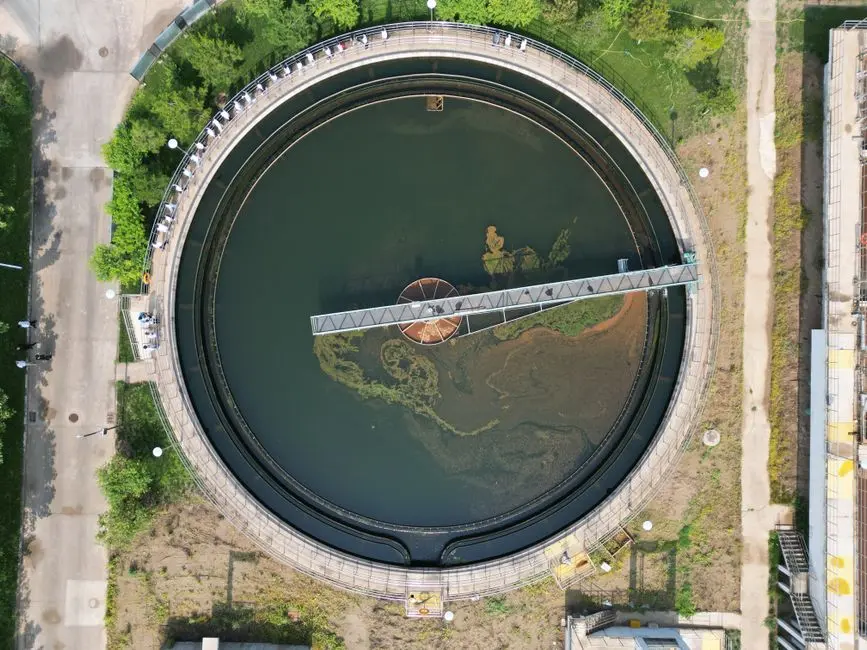
Gravity clarification is appropriate when dense mineral fines, tailings or metallurgical sludge have specific gravity greater than water and settle at a rate compatible with the tank’s surface loading and sludge-withdrawal system. Conventional clarification transfers that mechanism into a larger settling area; lamella plates increase effective separation area in a smaller civil footprint. The plates do not make colloidal particles, emulsified oils or dissolved metals settleable.
HydropureWater lists its lamella system at 20–40 m/h surface loading rates and states up to 30% lower chemical consumption. These are product claims requiring confirmation against the selected configuration, wastewater characterization and site design basis; they are not evidence that every gravity clarifier will deliver either result.
| Design issue | Gravity or lamella clarification | Bid information required |
|---|---|---|
| Separation mechanism | Settling by gravity; lamella plates add effective area | Proposed surface loading, settling area and hydraulic distribution |
| Target material | Dense, readily settleable mineral fines and metallurgical solids | Particle density, size distribution and pilot settleability |
| Limitations | Does not reliably capture emulsified oils, colloidal fines, surfactants or dissolved metals | Documented overflow quality for the actual wastewater |
| Sludge route | Bottom withdrawal; lamella configurations may use sludge recirculation | Withdrawal rate, solids concentration, storage and dewatering interface |
Heavy sand and grit can damage pumps or downstream equipment, so evaluate removal before clarification or flotation. A continuous-duty mechanical bar screen may protect the train when gross solids are present, but it is pretreatment rather than the final fine-solids separator.
DAF captures floatable and chemically flocculable material
DAF separates conditioned particles through flotation rather than settling. Clearwater Industries specifies 30–50 micron microbubbles for its DAF systems on April 27, 2026. The bubbles attach to oil droplets, floc and conditioned solids before the float is skimmed. Heavy material that does not float falls into the bottom collection zone and must be removed separately.
Chemical conditioning is part of the separation process, not an accessory. Coagulation, pH adjustment and flocculation enlarge particles and improve bubble contact. Include chemical storage, metering, flow-paced or turbidity-paced control, and verification of the dose under changing chemistry. A PLC-controlled coagulant and flocculant dosing skid should therefore be integrated with the process and equipment controls.
| DAF design factor | Evidence or required input | Procurement consequence |
|---|---|---|
| Conditioning | Coagulant, pH adjustment and flocculant must be optimized through testing | Price the chemical skid, utilities and controls within the process scope. |
| Particle capture | 30–50 micron microbubbles specified by Clearwater Industries, April 27, 2026 | Require evidence under comparable wastewater and chemical conditions. |
| Chemical dose | The Logan, Utah study recorded an optimum 30 mg/L aluminum sulfate dose for algae and phosphorus removal on lagoon effluent (Utah State University, 2011). | Do not transfer that dose to mining wastewater; require project-specific jar or pilot testing. |
| Equipment range | HydropureWater lists DAF systems from 4–300 m³/h across 13 standard models. | Model range does not replace peak-flow and peak-solids sizing. |
DAF is not well suited to heavy, non-floating silt and clay. Raw tailings can therefore overload the flotation mechanism or produce excessive sludge. The design must use peak hydraulic flow and solids mass loading, not average flow alone.
Decide whether one unit or a treatment train is justified
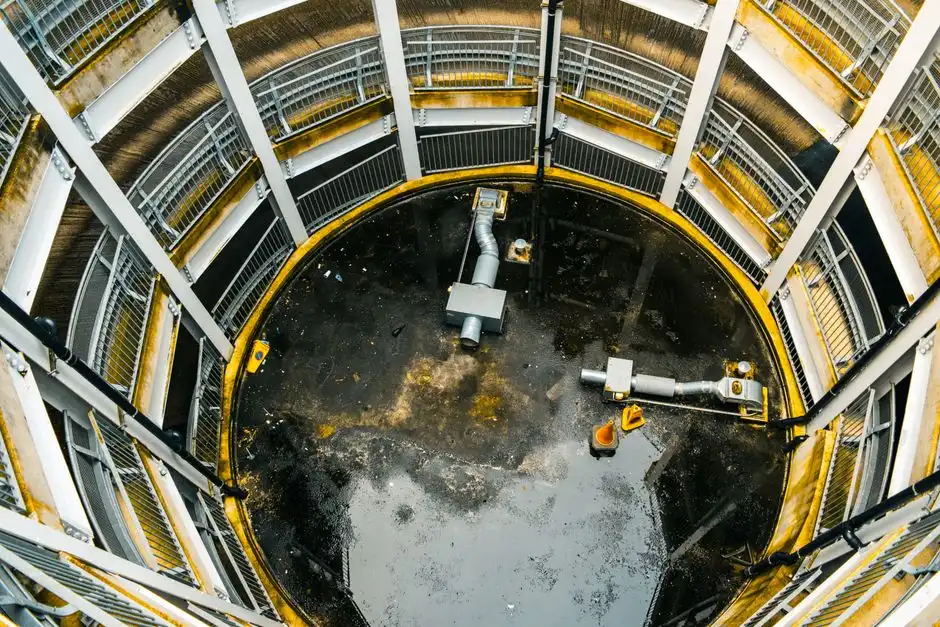
A clarifier-first, DAF-polisher arrangement is defensible when a stream contains substantial heavy settleable solids plus colloidal, oily or floatable material that must be removed. The clarifier captures the bulk mineral fraction; DAF then targets the escaping conditioned fraction. For mixed loads, this sequence matches each mechanism to a defined contaminant objective rather than treating one unit as a generic solution.
The reverse sequence may be appropriate when flotation must protect a downstream clarifier or remove a light contaminant before gravity separation. The supplied research cautions that some DAF-then-clarifier arrangements can be redundant, so the sequence cannot be selected by habit. Pilot performance and a mass balance should show what each stage removes, what solids it produces and whether the incremental benefit justifies the added equipment, controls and operating burden.
| Configuration | When it may be justified | Evidence required |
|---|---|---|
| Clarifier only | Heavy, readily settleable solids dominate and downstream targets permit gravity separation. | Settleability, surface-loading check, overflow analysis and sludge balance. |
| DAF only | Floatable or flocculable contaminants dominate without a heavy-solids pretreatment burden. | Flotation test, conditioning dose, solids loading and skimmer-capacity check. |
| Clarifier then DAF | Bulk settleable solids are followed by a distinct colloidal, oily or floatable polishing load. | Stage-by-stage mass balance and pilot effluent data. |
| DAF then clarifier | A defined light contaminant must be removed before gravity polishing. | Evidence that the order improves capture and avoids redundant separation. |
Define the sludge boundary in the RFQ. DAF float is normally skimmed, while gravity sludge is withdrawn from the bottom; each stream may require separate storage or downstream filtration. If the reuse or discharge objective requires additional solids removal, include the relevant membrane or filtration requirement from the outset. Neither DAF nor clarification should be assumed to provide final polish without test evidence.
Make the RFQ comparable, complete and testable
A technically defensible award compares both alternatives against the same wastewater, flow profile, chemical assumptions, performance targets and sludge route. If only one mechanism is offered, require the bidder to explain why the other was screened out. A product preference or generic removal percentage is not an adequate comparison.
Use this procurement sequence:
- Issue one source-by-source design basis covering flow, batch events, TSS, particle size, settleability, oils and greases, pH, temperature, total and dissolved metals, and expected sludge.
- Require each bidder to identify the separation principle, proposed tank or settling area, recycle system, solids collection, skimmer or sludge withdrawal, controls, utilities and materials.
- Request a project-specific pilot or test plan stating the wastewater, chemical doses, flow, temperature, analytical method, sampling point and acceptance criterion.
- Define the chemical skid, pH and flow control, level instrumentation, alarms, installation inputs, maintenance exclusions and manufacturer service scope.
- Compare the complete ownership cost, including pretreatment, chemicals, electrical service, labor, sludge storage, dewatering and disposal.
- Make the winning supplier document the design basis and performance-test protocol as part of the purchase.
| RFQ package | Equal information from every bidder | Reason it affects the decision |
|---|---|---|
| Design basis | Same stream samples, peak flow, TSS, particle size, chemistry and sludge assumptions | Prevents unequal or incomplete technical comparisons. |
| Equipment | Tank area, recycle, solids collection, controls, utilities and material rationale | Allows hydraulic and operability review. |
| Verification | Test method, sampling point, operating condition and acceptance criterion | Makes performance commitments auditable. |
| Chemicals and controls | Dosing philosophy, pH control, instrumentation, alarms and dose-control method | Exposes the operating dependency behind the performance claim. |
| Ownership cost | Installation, energy, labor, chemicals, sludge handling, dewatering and disposal | Prevents selection based on purchase price alone. |
Include the plate-and-frame sludge filter press or the site’s selected dewatering route in the process boundary. The research does not establish a reliable 2026 Lewisburg price for either technology, so do not use generic DAF or clarifier price ranges as the local budget. Require budgetary quotations tied to the actual design basis and a cost of ownership for the complete train.
Final selection scorecard for the Lewisburg bid
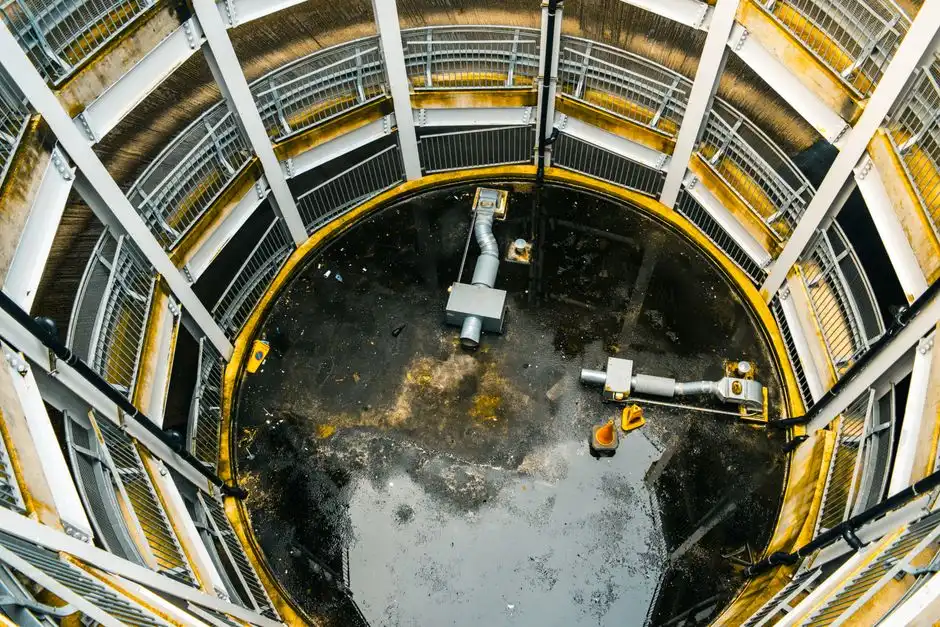
The final scorecard should rank contaminant fit before footprint and cost because neither DAF nor gravity clarification can meet an objective that its separation mechanism does not address. After scoring the primary mechanism for the target fraction, use peak hydraulic capacity, solids mass loading, chemical demand, footprint, materials compatibility, sludge route, controls, maintenance and verified performance to distinguish finalists.
| Scored criterion | Evidence required | Decision rule |
|---|---|---|
| Contaminant fit | Stream characterization, floatability or settleability test, proposed chemistry | Mechanism must match the target fraction. |
| Peak capacity | Flow and mass-loading design basis | Size for documented peaks and batch events, not averages. |
| Sludge route | Stage-specific solids balance, storage and dewatering assumptions | Route must fit the site’s handling and disposal capability. |
| Performance | Pilot or test report with defined acceptance criteria | Do not award on a generic removal percentage. |
| Ownership | Complete installed and operating cost | Compare lifecycle cost, not equipment price alone. |
Give the bidder with the technically appropriate primary mechanism priority, then use operating complexity and total cost to select between technically credible alternatives. Require the selected bidder to document the design basis and performance-test protocol. Before approval, verify the actual Lewisburg permit, current pretreatment limits, influent testing and final equipment proposal; no model name establishes compliance by itself.
Frequently Asked Questions
Is DAF or gravity clarification cheaper for a Lewisburg mining or metals facility?
Neither technology is reliably cheaper without a site-specific quotation. Request comparable installed costs and operating assumptions for the separator, pretreatment, chemical equipment, controls, utilities, labor, sludge storage, dewatering and disposal. The supplied research does not establish a dependable 2026 local price for the required scope, so any budget must be developed from the plant’s flow, TSS, chemistry and sludge data.
What information does a supplier need to size DAF or a lamella clarifier?
Require source-by-source flow, peak and batch-discharge data, TSS, particle-size distribution, settleability, oils and greases, pH, temperature, total and dissolved metals, and expected sludge volume. For DAF, ask for project-specific conditioning tests; for clarification, ask for the proposed settling area and surface-loading basis. Also define the reuse or discharge target and downstream sludge route before comparing bids.
How should DAF and lamella-clarifier bids be compared for the same wastewater?
Require both bids to use the same samples, flow profile, chemical assumptions, performance criteria, sampling points and analytical methods. Ask each supplier to identify the separation mechanism, proposed area, recycle system, solids collection, controls and materials. A generic removal percentage or model name should not replace a documented design basis and project-specific test.
When does a combined DAF and clarification train justify two units?
Use two units only when each has a distinct contaminant objective supported by pilot data and mass balance. A clarifier-first, DAF-polisher arrangement can address heavy settleable solids followed by colloidal or floatable carryover; the reverse order may be justified for a defined light-contaminant duty. Redundant stages should not be accepted merely because a combined arrangement is proposed.
How should a buyer check supplier capability and compliance risk?
Request verifiable references for comparable wastewater, site-specific pilot evidence, the proposed material rationale, controls scope, maintenance support and documented test conditions. Review the actual Lewisburg permit and pretreatment requirements against the proposed acceptance criteria, using the mining and metals pretreatment compliance requirements as context rather than as a substitute for local approval. Also verify that the supplier has screened the selected mechanism against the actual chemistry, peak loads and sludge route.