
Dubuque Regulatory Baseline: What Your Discharge Permit Actually Requires
Compliance for fabricated metals facilities in Dubuque is governed by federal pretreatment standards 40 CFR 433 for metal finishing, which mandate strict daily maximum discharge limits for heavy metals. Industrial users must meet these standards before sending wastewater to the Dubuque Water & Resource Recovery Center (WRRC). Beyond these national categorical standards, the local sewer use ordinance imposes specific limits on FOG and TSS to protect the integrity of the municipal collection system and ensure biological stability at the WRRC, particularly regarding winter nitrification requirements.
| Parameter | 40 CFR 433 Limit (Daily Max) | Dubuque WRRC Local Limit |
|---|---|---|
| Copper (Cu) | 1.5 mg/L | 1.5 mg/L |
| Nickel (Ni) | 2.0 mg/L | 2.0 mg/L |
| Zinc (Zn) | 2.5 mg/L | 2.5 mg/L |
| Total Chromium (Cr) | 1.0 mg/L | 1.0 mg/L |
| Cyanide (CN) | 0.5 mg/L | 0.5 mg/L |
| FOG | N/A | 100 mg/L |
| TSS | N/A | 250 mg/L |
For facilities managing variable process streams, the Dubuque sewer use ordinance requires a formal slug load control plan. Because batch discharges from plating or machining lines can cause hydraulic or chemical shocks, equalization tanks are a mandatory precursor to any primary treatment system. Failure to equalize pH—which frequently swings between 2 and 11 in metal finishing—will lead to non-compliance regardless of whether you choose a DAF systems for fabricated metals wastewater or a conventional clarifier. Addressing these variability concerns requires a clear understanding of the specific contaminants found in metal finishing wastewater.
Fabricated Metals Wastewater Profile: Why This Industry Breaks Generic Sizing Rules
Fabricated metals wastewater in Dubuque typically contains 50-500 mg/L of emulsified oils and 10-50 mg/L of chelated metals, which resist conventional gravity separation due to their low density and solubility. Unlike municipal wastewater, where solids are readily settleable, metal finishing streams are dominated by colloidal particles smaller than 10 microns. These particles require active coagulation and flocculation to achieve effective separation; without these, a standard clarifier will see over 60% of the solids pass directly into the effluent.
| Contaminant Category | Typical Concentration Range | Primary Removal Challenge |
|---|---|---|
| Emulsified Oils | 50 - 500 mg/L | Requires microbubble attachment for floatation |
| Chelated Metals | 10 - 50 mg/L | Chemical complexing (EDTA/Citrate) prevents settling |
| TSS (Colloidal) | 100 - 800 mg/L | < 10-micron size requires flocculation |
| Sulfate | 500 - 2,500 mg/L | Acid pickling byproducts require pH-adjusted DAF |
Flow variability is the primary operational hurdle for Dubuque job shops, where daily volumes range from 5,000 to 50,000 GPD. Batch discharges often occur in 10-50 GPM pulses. DAF systems are favored here because they can reach steady-state operation in under 30 minutes, whereas gravity clarifiers require long lead times to build a sludge blanket. Research indicates that DAF at pH 4.5, when paired with polymer dosing, can reduce sulfate concentrations from 1,753 mg/L to below 500 mg/L (source: PJOES 2026, vol. 214082), a critical factor for plants with high-volume acid pickling lines. Choosing the right technology requires comparing these performance metrics against conventional alternatives.
DAF vs Clarifier: Head-to-Head Removal Performance on Fabricated Metals Contaminants
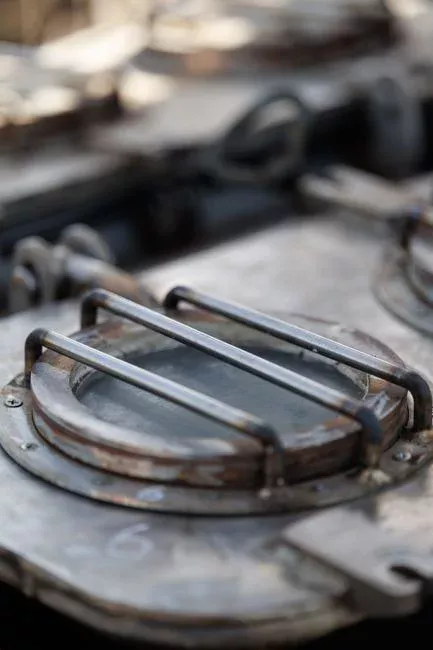
DAF systems consistently outperform gravity clarifiers in metal finishing applications by utilizing microbubbles (200-micron range) to capture low-density, flocculated solids that would otherwise remain suspended (source: PJOES 2026). While a gravity clarifier relies on Stokes’ Law—which requires particles to have a specific gravity >2.0 for reliable settling—DAF systems lift contaminants with specific gravities as low as 0.5 to 1.5. This makes DAF the superior choice for streams high in emulsified oils or chelated metal complexes.
| Parameter | DAF Removal Efficiency | Clarifier Removal Efficiency |
|---|---|---|
| COD | 83% | 45-60% |
| Nickel (Ni) | 94% | 60-75% |
| Zinc (Zn) | 99% | 70-85% |
| FOG | 95%+ | 30-50% |
| TSS | 92-97% | 70-85% |
For high-flow operations exceeding 500 GPM that primarily involve heavy, settleable solids, a lamella clarifier for high-flow settleable solids streams offers a lower OPEX profile, typically ranging from $0.05 to $0.08 per kgal. However, if your influent FOG exceeds 50 mg/L or chelated metals exceed 10 mg/L, the clarifier will likely require a secondary oil-water separator or advanced chemical precipitation, nullifying its cost advantages. In these cases, the DAF unit is the only single-unit primary treatment option capable of meeting discharge limits, provided the system is sized correctly for local conditions.
Sizing and Selection Criteria for Dubuque Conditions
Design parameters for Dubuque must account for the local climate, specifically the impact of low influent temperatures (5-10°C) on flocculation kinetics during winter months. When sizing a DAF system, a 15% derating factor is recommended; while standard hydraulic loading is 1.5-2.5 m3/m2h, Dubuque designs should target 1.7 m3/m2h to maintain performance consistency. Additionally, PLC-controlled chemical dosing for coagulation/flocculation is essential to adjust polymer consumption (typically 15-25 mg/L) in real-time as influent contaminant loads fluctuate.
| Design Variable | DAF Specification | Clarifier Specification |
|---|---|---|
| Hydraulic Loading | 1.5 - 2.5 m3/m2h | 1.0 - 2.0 m3/m2h |
| Material Standard | 316SS (if Cl >500 mg/L) | 304SS (standard) |
| Winterization | Heat-traced recycle pump/tanks | Enclosed/Insulated |
| Polymer Demand | 15 - 25 mg/L | 10 - 20 mg/L |
Materials selection is critical for Dubuque facilities using acid pickling processes. High chloride levels common in these rinses necessitate the use of 316SS to prevent corrosion, which adds approximately 35% to the vessel cost compared to 304SS. For outdoor installations, winterization—including insulated saturation tanks and enclosed skimmers—adds a $25,000-$40,000 premium to the initial capital expenditure but prevents catastrophic equipment failure during sub-zero temperatures. These technical requirements directly influence the total project budget for 2026.
2026 Capital and Operating Cost Framework for Dubuque Installation
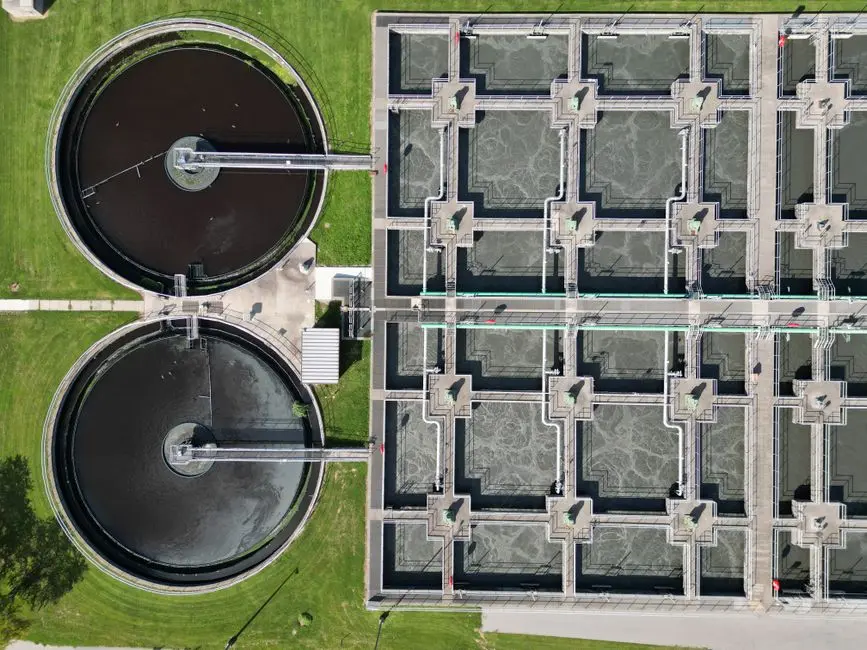
Capital budgeting for 2026 must account for both equipment and the specific infrastructure requirements of Dubuque-based industrial sites. While DAF systems carry a higher initial price tag, they frequently eliminate the need for secondary polishing stages, providing a more predictable long-term cost of compliance.
| System Type | CapEx (Equipment) | Est. Install | Annual OPEX |
|---|---|---|---|
| DAF 100 GPM (316SS) | $220k - $280k | $80k - $120k | $45k - $65k |
| DAF 300 GPM (Lamella) | $350k - $420k | $120k - $180k | $90k - $130k |
| Clarifier 100 GPM | $110k - $150k | $60k - $90k | $25k - $40k |
| Clarifier 500 GPM | $180k - $240k | $100k - $150k | $40k - $60k |
Procurement managers should be aware that Iowa Code 423.3 provides a 5% sales tax exemption on pollution control equipment, which should be factored into your total project cost. With the 2026 Dubuque industrial electric rate at $0.068/kWh, the power consumption of DAF saturation pumps is manageable, but sludge management remains the largest variable. Sludge hauling to the Dubuque Metro Landfill currently averages $0.12-$0.18/gal, making the higher solids concentration achieved by DAF skimmers a significant driver of long-term OPEX savings. Use the following framework to finalize your technology selection.
Decision Framework: Match Your Wastewater Profile to the Right Technology
To determine the correct technology for your facility, compare your current influent profile against these three operational benchmarks:
- Choose DAF if: Your flow rate is below 500 GPM AND you have FOG >50 mg/L, chelated metals >10 mg/L, or highly variable batch discharges. The rapid startup and superior removal of emulsified contaminants make DAF the safer choice for compliance.
- Choose a Clarifier if: Your flow rate is consistently above 500 GPM, your FOG is <30 mg/L, and your metals are present as simple hydroxides rather than complex chelates. This technology offers lower mechanical complexity for high-volume, steady-state flows.
- Consider a Hybrid Approach: If your facility produces both high-strength plating waste and high-volume washdown streams, treat the concentrated oily/chelated stream with a DAF unit before combining it with the larger settleable solids stream in a lamella clarifier.
Before committing to capital expenditure, a 30-day on-site pilot study is recommended to validate chemical dosing ratios and hydraulic loading rates specific to your facility's unique blend of process chemicals.
Frequently Asked Questions
What is the minimum FOG concentration that justifies a DAF system over a clarifier?
While clarifiers can handle low concentrations, a DAF system is recommended when FOG exceeds 50 mg/L. At this concentration, gravity separation becomes inefficient, and the microbubble technology in DAF systems provides the necessary removal efficiency to
Frequently Asked Questions
What are the 2026 Dubuque sewer discharge limits for copper, nickel, and zinc from a metal fabrication shop?
The City of Dubuque enforces local limits for industrial users based on Federal Categorical Pretreatment Standards (40 CFR Part 433). As of 2026, the daily maximum limits for metal finishing facilities typically require copper to remain below 3.38 mg/L, nickel below 3.98 mg/L, and zinc below 2.61 mg/L.
Facility managers must also comply with monthly average limits, which are significantly more stringent, often requiring copper at 2.07 mg/L, nickel at 2.38 mg/L, and zinc at 1.48 mg/L. Compliance is verified through periodic self-monitoring and city-conducted sampling of the effluent stream.
Can a gravity clarifier remove chelated nickel and zinc without DAF pretreatment?
Standard gravity clarifiers are generally ineffective at removing chelated metals because the chelating agents keep metal ions in a stable, soluble state that resists precipitation. Even with pH adjustment to the point of hydroxide formation, chelated complexes often remain too fine and light for effective settling in a clarifier without advanced chemical breaking.
Dissolved Air Flotation (DAF) is often required as a secondary or pretreatment step to float these sub-micron particles using micro-bubbles. Without specialized de-chelating chemistry or DAF-assisted separation, a gravity clarifier will likely fail to meet discharge limits for chelated heavy metals, leading to consistent permit violations.
How much does a 200 GPM DAF system cost installed in Dubuque with winterization?
A turnkey 200 GPM DAF installation in the Dubuque region typically ranges from $250,000 to $450,000. This price variance depends on the metallurgy of the tank (304 vs. 316 stainless steel), the level of automation, and the complexity of the chemical dosing skids required for local wastewater chemistry.
Winterization costs, including insulated piping, heat tracing, and heated enclosure requirements for outdoor installations, can add 15% to 25% to the base equipment cost. Given Iowa’s extreme winter temperatures, climate-controlled housing is recommended to prevent mechanical failure and ensure consistent sludge rheology.
What hydraulic loading rate should I use for DAF sizing in Iowa winter temperatures?
For DAF sizing in cold climates, you should apply a conservative hydraulic loading rate of 1.5 to 2.5 gallons per minute per square foot (GPM/ft²) of surface area. While DAF units can theoretically handle higher rates in warmer conditions, the increased viscosity of cold wastewater hinders bubble-particle attachment and float rise velocity.
Engineers must account for the density change in cold water, which requires longer retention times for effective solids separation. Failing to de-rate the system for Iowa winter temperatures frequently results in "short-circuiting," where solids are carried out with the effluent rather than forming a stable float blanket.
Does Iowa offer sales tax exemption on wastewater treatment equipment purchases?
Iowa provides a sales and use tax exemption for industrial machinery and equipment under Iowa Code section 423.3(47). This exemption applies to equipment directly and primarily used in the manufacturing process, which can include wastewater treatment systems if the treatment is an integrated part of the production line or required by environmental regulations for the facility to operate.
To qualify, the equipment must be used directly in the processing of tangible personal property. You should consult with a tax professional or the Iowa Department of Revenue to confirm if your specific wastewater configuration meets the "direct use" criteria, as the exemption is strictly interpreted for industrial waste treatment systems.