Is an SBR Suitable for Frozen Food Wastewater?
An SBR can treat frozen food wastewater when the discharge is sufficiently biodegradable and the system is designed around variable production and cleaning flows, suspended solids, fats, oils and grease, temperature, and effluent requirements. The EPA describes SBR treatment through Idle, Fill, React, Settle, and Draw steps, with two or more reactors commonly operated in sequence. Industrial applications normally require treatability testing to establish the operating sequence. For frozen food plants, DAF or equivalent pretreatment may be needed before biology, while filtration or membranes may be required for reuse or strict solids limits.
The decision is not based on the product being frozen. It is based on the wastewater generated by a particular processing line, cleaning regime, and discharge route. Biodegradable COD and BOD, pH, alkalinity, nutrients, suspended solids, FOG, temperature, and the receiving-water or reuse specification determine whether a sequencing batch reactor is technically appropriate. A plant that changes products or runs cleaning-intensive shifts must characterize those operating changes rather than rely on a single composite sample.
The EPA identifies SBRs as uniquely suited to low or intermittent flow conditions, making flexible sequencing relevant where production and cleaning schedules create variable loads. The SBR can also integrate equalization, biological treatment, and secondary clarification in one reactor. That does not eliminate the need for equalization: the EPA notes that a post-SBR basin may be required when the next process is filtration, because otherwise filters must accommodate the full batch discharge.
For a frozen food facility, the initial go/no-go conclusion remains conditional. The supplied EPA fact sheet establishes general industrial SBR capability, not frozen-food-specific performance. A completed SBR process design and buyer guide can provide engineering context, but the controlling next step is plant-specific characterization and treatability testing.
Characterize the Wastewater Before SBR Design
The EPA identifies influent characteristics and effluent requirements as the first design inputs for an SBR. For a frozen food plant, request design flow, maximum daily flow, BOD5, COD, TSS, pH, alkalinity, wastewater temperature, TKN, ammonia-nitrogen, total phosphorus, and total dissolved solids. The same screening should capture production changes and cleaning practices that a routine compliance sample may miss.
Build the sampling program around the operating calendar: production schedules, batch and shift patterns, floor-wash frequency, sanitizer and cleaner use, product-loss events, and the entry of cooling or defrosting water. Characterize FOG, colloids, settleable solids, and seasonal changes separately. These fractions can interfere with clarification, consume biological capacity, or complicate sludge handling.
| Design input | Why the buyer needs it |
|---|---|
| Flow and production schedule | Defines hydraulic loading, equalization duty, batch-discharge conditions, and the number and sequence of reactors. |
| BOD5, COD, and TSS | Establishes biodegradable load, solids loading, and whether primary clarification or other solids removal is warranted. |
| FOG, oil and grease, colloids | Identifies fractions that may interfere with aeration, settling, sludge handling, or biological treatment. |
| pH and alkalinity | Supports assessment of chemical demand, buffering, and biological-process stability. |
| Temperature and total dissolved solids | Inputs required for biological performance assessment and aeration sizing. |
| TKN, ammonia-nitrogen, and total phosphorus | Determine whether nitrification, denitrification, or biological phosphorus removal must be included. |
| Cleaning chemistry and discharge timing | Identifies shock loads, sanitizer exposure, and the need for controlled equalization. |
The EPA’s industrial screening values provide initial context rather than a frozen-food design: mixed-liquor suspended solids of 2,000–4,000 mg/L, a food-to-microorganism ratio of 0.15–0.6/day, and a treatment cycle of 4.0–24 hours. These values come from the EPA fact sheet dated September 1999, published in October 2022, and must be checked against site-specific kinetics and loading. Wastewater temperature, site elevation, and total dissolved solids are also needed to size aeration and evaluate biological performance.
Use food and beverage wastewater pretreatment requirements as a prompt for separating biological feasibility from physical-treatment needs. Sampling should represent production, washdown, product loss, and cleaning periods rather than relying only on a daily composite.
Build the Pretreatment Train Before Biology
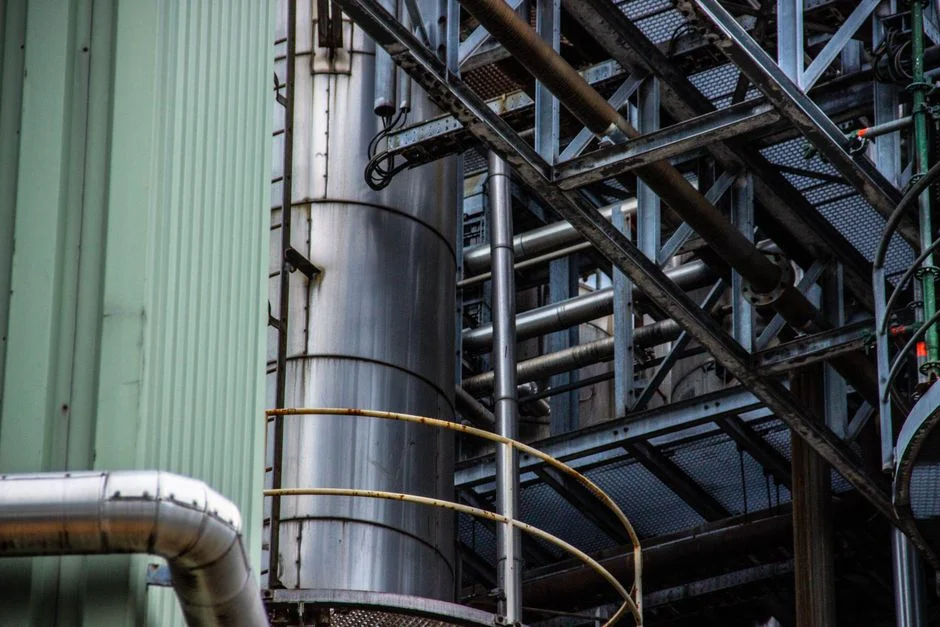
Headworks protection comes first because packaging fragments, fibrous material, and other coarse solids can interfere with pumps, valves, aeration devices, and biological treatment. A mechanical bar screen is one equipment option for solids exclusion. The final selection still depends on the debris size, screen opening, capacity, and installation conditions.
Evaluate DAF where suspended solids, FOG, oil and grease, or colloidal material are significant. The supplied DAF catalog identifies food processing as an application and lists 13 models with capacities from 4 to 300 m³/h. Those values describe the catalog range, not a recommendation for a specific frozen food plant. The DAF pretreatment for suspended solids and FOG must be checked against measured peak loads, sludge characteristics, and downstream handling.
The EPA states that primary clarification may be recommended when TSS or BOD exceeds 400–500 mg/L. Apply that threshold to measured peak and average conditions, not to a generic assumption about food-plant wastewater. A clarification or flotation decision should reflect the fraction and persistence of solids and FOG, not total COD alone.
| Treatment stage | Design question | Decision evidence |
|---|---|---|
| Screening | What debris can enter the treatment train? | Debris survey, screen-opening selection, and peak-flow hydraulic review. |
| Equalization | Can cleaning and product-loss discharges be damped? | Production and cleaning calendar, flow recording, and batch-strength characterization. |
| DAF or clarification | Will oils, FOG, colloids, or settleable solids impair biology? | Measured FOG, oil and grease, TSS, settleable-solids, and colloidal characterization. |
| Chemical conditioning | Is pH adjustment, coagulation, or flocculation justified? | Jar testing and review of product-contact cleaning chemicals. |
| Biological feed protection | Are shock loads or incompatible chemicals excluded? | Treatability study, chemical inventory, and controlled discharge strategy. |
Use an automatic chemical dosing system only when the required chemical, dose range, control signal, and compatibility have been established. Jar testing and the plant’s cleaning-chemistry review come before chemical selection. Abrupt high-strength cleaner or sanitizer dumps should be equalized and checked for compatibility with the selected biomass rather than discharged directly to the SBR.
Configure the SBR Cycle for Variable Food-Plant Flows
The EPA defines an SBR as a fill-and-draw activated-sludge process organized into five phases: Idle, Fill, React, Settle, and Draw. Two or more reactors generally operate in a predetermined sequence, allowing one basin to receive influent while another settles or discharges. That arrangement is directly relevant to a plant with intermittent production and periodic washdown, although the actual sequence must follow the tested wastewater profile.
- Idle: Treated effluent is removed and influent is admitted under the selected operating strategy. Variable idle time provides equalization; mixing or sludge wasting may also occur.
- Fill: Influent enters a reactor containing acclimated biomass. Static fill provides high substrate availability; mixed fill initiates biological reactions under anoxic or anaerobic conditions; aerated fill starts aerobic treatment.
- React: Biological treatment is completed. Mixed react supports anoxic conditions, while aerated react supports aerobic treatment and nitrification.
- Settle: Quiescent settling separates biomass from treated water, although gentle initial mixing may be used in some strategies.
- Draw: A decanter withdraws treated supernatant without removing settled biomass or floating material.
Static fill can support organisms favored during high-substrate periods and storage reactions relevant to biological phosphorus removal. Mixed fill can support denitrification when nitrate is available under oxygen-free conditions. Aerated fill can reduce the aeration time required during React. These are operating options, not a default sequence; treatability testing should determine whether their use is beneficial for the plant’s wastewater and permit.
The Alfa Laval AS-H description states that anaerobic, anoxic, cyclic aerobic, and sedimentation functions can be integrated within one reactor. That integration does not remove the need to match the sequence to the permit. The EPA states that an NH3-N or TKN limit requires nitrification, while a total-nitrogen limit requires nitrification and denitrification. Total-phosphorus requirements may require a biological or chemical phosphorus strategy established during design.
Flow-proportional control is important for variable food-plant flows. Alfa Laval describes continuous influent-flow monitoring so treatment time can be adjusted for each process step. The control philosophy should also manage decanter withdrawal, aeration and mixing, sludge wasting, alarms, and the transition between reactors.
Decanting and solids separation require specific controls. EPA identifies configurations that can discharge floating or settled sludge during Draw and notes the potential for aeration-device plugging. Select a decanter arrangement that protects the settled sludge, and verify aeration distribution with the actual FOG and solids profile. The integrated wastewater-treatment equipment page can help a buyer identify aeration, mixing, decanter, and control components that require definition in the supplier scope.
Decant, Equalize, and Polish the Effluent
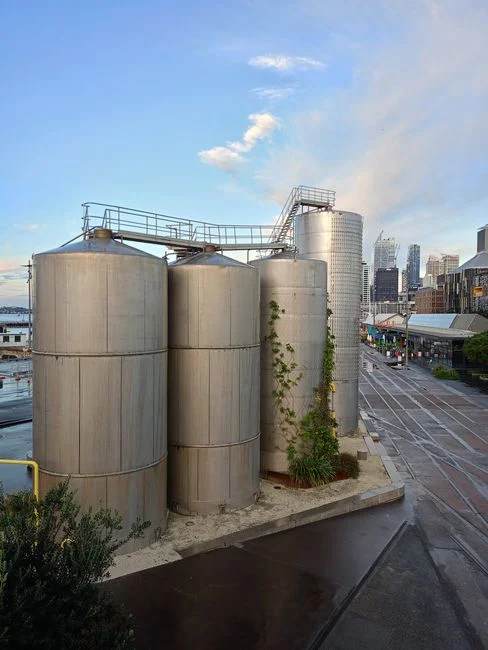
Batch discharge must be included in the hydraulic design. A floating decanter lowers a weir to withdraw treated water at the selected rate and is intended to avoid disturbing settled sludge. A fixed decanter requires careful design and withdrawal limits to prevent the decanted volume from reaching the settled sludge layer. The decanter’s operating range, minimum water level, scum control, and sludge boundary should be shown in the supplier documents.
The EPA warns that equalization may be required after an SBR when the next process is filtration. Without it, filters may have to accept the full batch from the SBR, which can require impractical filter area. This downstream basin is therefore not optional space: its volume and duty follow from the selected fill-and-draw sequence and the polishing equipment’s accepted flow.
| Required outcome | Treatment path | Buyer’s verification |
|---|---|---|
| Biological treatment with discharge compliance | SBR with controlled draw, followed by any required disinfection | Confirm permit parameters, final TSS, ammonia or nitrogen limits, and disinfection requirements. |
| Lower solids before discharge | SBR, post-basin equalization, and filtration | Check filter sizing against batch discharge and verify solids-removal performance. |
| Water reuse | SBR plus membrane-based polishing and disinfection | Use the final reuse specification to define membranes, treatment, monitoring, and validation requirements. |
Ultrafiltration can provide post-SBR solids polishing where the final specification supports it. The supplied ultrafiltration system accepts turbidity up to 300 ppm, uses 0.03 micron PVDF membranes, and includes automatic backwash and air scour. Those specifications are supplied product data, not proof that the system will meet a plant’s reuse requirement.
Use ultrafiltration for post-SBR solids polishing as a candidate route, not as a default. Where disinfection is required, specify UV disinfection equipment according to the receiving-water or reuse specification. An SBR alone should not be presented as satisfying every reuse standard.
Compare SBR, MBR, and Conventional Treatment
The SBR choice is an operating-architecture decision, not simply a comparison of reactor capacity. An SBR combines equalization, biological reaction, and secondary clarification in one timed tank. Conventional activated sludge uses separate process units, while MBR combines biological treatment with membrane solids separation. The decision depends on flow variation, footprint, final solids concentration, reuse goals, automation, and operator capability.
The EPA identifies SBR advantages including operating flexibility, a small footprint, and the possible elimination of separate clarification equipment. It also identifies disadvantages: more sophisticated controls and valves can require greater maintenance, some configurations can discharge floating or settled sludge during Draw, aeration devices may plug, and post-SBR equalization may be required.
The supplied MBR catalog describes submerged PVDF membrane filtration below 1 μm, a claimed 60% smaller footprint than conventional systems, and a capacity range of 10–2,000 m³/day. These are product-specific claims. They support differentiation, but they do not establish that MBR is the lower-risk or lower-cost choice for every frozen food application.
| Decision factor | SBR | MBR | Conventional activated sludge |
|---|---|---|---|
| Equalization and biology | Integrated within the batch reactor | Integrated treatment train with membrane solids separation | Separate equalization and biological basins |
| Solids separation | Settling and protected decant | Membrane filtration | Secondary clarifier |
| Variable-flow response | Cycle duration and reactor sequencing can be adjusted | Continuous-flow operation with membrane controls | Flow and sludge controls across separate units |
| Footprint | Potentially compact because clarification is integrated | Catalog claims a smaller footprint than conventional systems | Typically requires more process units |
| Maintenance focus | Controls, valves, aeration, mixing, and decanter | Membrane cleaning and integrity management | Pumps, basins, aeration, and clarifier operation |
| Post-treatment | Post-SBR equalization may be needed before filtration | Assess polishing required by the final specification | Clarified flow may suit downstream filtration more directly |
Choose SBR when flexible batch biological treatment and integrated clarification fit the production pattern. Investigate MBR when very low final suspended solids, reuse quality, or a constrained footprint justifies membrane operation and maintenance. Use MBR versus activated sludge for food and beverage wastewater to structure that comparison, and review primary and secondary treatment considerations when defining the complete train.
Define Performance, Procurement, and Acceptance Criteria?
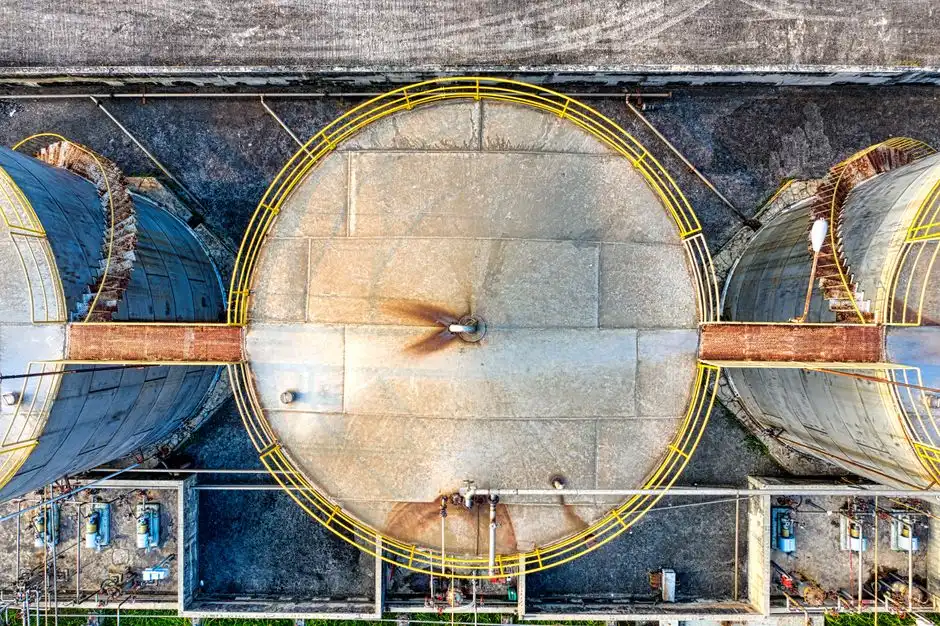
A compliant proposal should expose the process basis rather than present a reactor volume without context. Require the supplier to identify the selected cycle, reactor count and volumes, expected hydraulic retention time, aeration and mixing arrangement, decanter type, control philosophy, sludge-wasting method, and downstream equalization concept. The supplier should also explain how each element responds to variable production, cleaning events, and the specified wastewater temperature.
Require a completed treatability study using actual frozen food wastewater and the proposed operating sequence. The EPA identifies treatability studies as typical for industrial wastewater because the sequence must be established from the influent characteristics and target effluent.
Performance guarantees should state the agreed final effluent parameters, peak and average loads, production variability, cleaning-event conditions, and temperature basis. A generic COD-removal statement does not answer whether the equipment will meet ammonia, nitrogen, phosphorus, or solids limits at the actual discharge point.
Request factory and site acceptance plans covering aeration distribution, mixing, level control, decanter withdrawal, sludge separation, automatic controls, alarms, and failure-safe operating states. The SCADA and alarm-notification systems guide can support a clearer controls specification. Include downstream solids handling: the supplied plate and frame filter press catalog covers filtration areas from 1 to 500 m² for municipal and industrial sludge dewatering.
| Procurement item | Required deliverable | Acceptance check |
|---|---|---|
| Design basis | Measured wastewater profile, production schedule, and final effluent specification | Supplier calculations reconcile with the buyer’s inputs and assumptions. |
| Treatability | Study using actual wastewater and the proposed sequence | Results support the selected cycle, settling, and nutrient-removal claims. |
| Mechanical scope | Reactors, aeration, mixing, decanters, pumping, piping, and sludge wasting | FAT and SAT methods address distribution, withdrawal, controls, alarms, and safe states. |
| Downstream scope | Equalization, filtration, disinfection, and sludge handling as applicable | Batch flow and solids transfer are included rather than left as exclusions. |
| Commercial handover | Training, spares, documentation, maintenance intervals, integration, and regulatory applicability | All deliverables are identified in the accepted schedule and operating manuals. |
Include the plate and frame filter press in the review where dewatering is required, but do not assume every installation needs the catalog’s full capacity range. The equipment scope should follow measured sludge volume, solids characteristics, operating schedule, and disposal route.
Frequently Asked Questions
Can an SBR treat frozen food wastewater?
Yes, provided the wastewater is sufficiently biodegradable after suitable physical pretreatment. The biological system must be acclimated and controlled for the plant’s actual flow, pollutant profile, temperature, and cleaning events. Because the supplied EPA evidence covers general industrial SBR application rather than a frozen-food performance guarantee, require plant-specific treatability testing before accepting a design.
How much does an SBR for frozen food wastewater cost?
The supplied research does not provide a defensible universal price for an SBR for frozen food wastewater. Request an itemized quotation covering wastewater characterization, pretreatment, reactor and aeration capacity, controls, equalization, polishing, sludge handling, installation, and site-specific services. Compare quotations against the same design basis and excluded-work list.
Should a frozen food plant choose SBR or MBR?
Choose SBR when flexible batch biological treatment and integrated clarification fit the operating pattern. Investigate MBR when very low final suspended solids, reuse quality, or a smaller footprint justifies membrane operation and maintenance. Ask each supplier to state the final effluent specification, membrane or clarification performance basis, operator workload, and maintenance exclusions before comparing.
What size should the SBR be?
The EPA’s industrial reference values—a 4.0–24 hour treatment cycle, 2,000–4,000 mg/L MLSS, and 0.15–0.6/day food-to-microorganism ratio—are starting points, not final sizing. Reactor sizing must use measured flow and load, temperature, equalization, selected fill-and-draw sequence, and the required effluent quality.
What pretreatment is required before an SBR?
Screen the wastewater and evaluate DAF or clarification for suspended solids, FOG, oil and grease, and colloids. The EPA notes that primary clarification may be recommended when TSS or BOD exceeds 400–500 mg/L. Select the actual pretreatment train from measured peak and average loads, cleaning chemistry, and confirm the need for pH adjustment, coagulation, or flocculation through testing.