What limits apply to a Rembrandt food and beverage plant?
The controlling requirements must come from the Rembrandt-area publicly owned treatment works (POTW) and the plant’s current indirect discharge permit. 40 CFR Part 403 establishes the National Pretreatment Program framework under which a POTW or delegated authority issues permits, oversees industrial users, and enforces applicable requirements (HydropureWater, S2). A categorical pretreatment standard may also apply, but neither a federal reference nor a generic treatment benchmark can replace the signed permit. The engineering target is the strictest applicable requirement: categorical maxima or averages, local limits, monitoring conditions, and reporting duties must be checked together.
The supplied research does not identify the exact POTW, sewer-use ordinance, or discharge permit serving a plant near Rembrandt, Iowa. Obtain those documents before selecting equipment or promising an effluent result. The required submittal should identify the authority, permit number, current sewer-use ordinance, prohibited-discharge list, sampling point, local limits, monitoring frequencies, reporting calendar, and electronic submission process.
Resolve the categorical framework as well. HydropureWater source S2 cites 40 CFR Parts 405–409 for several food-processing sectors, while source S4 cites Part 432 for food and beverage point sources. Neither reference establishes which provision applies to a particular Rembrandt plant. Match the actual process and industrial classification to current EPA materials and the permit, then document the applicable subpart, averaging basis, and any production-based exclusions.
| Design authority | What the engineer must verify | Use in equipment selection |
|---|---|---|
| Current indirect discharge permit | Local limits, sampling point, monitoring frequency, averaging period, notification process, and compliance schedule | Primary enforceable design basis |
| Applicable EPA categorical subpart | Process applicability, pollutant maxima and averages, monitoring basis, and exclusions | Federal floor identified in the permit review |
| Sewer-use ordinance | Prohibited discharges, discharge authorization, fees, and any conditions stricter than the permit | Legal and operational constraints |
| Controlling POTW or delegated authority | Enforcement authority, approval process, eDMR portal, and noncompliance contact | Submittal and reporting workflow |
A useful regulatory review is summarized in the pretreatment design workflow for industrial plants, but its framework does not supply Rembrandt permit limits.
How should each plant wastewater stream be characterized?
Segment wastewater before calculating a design flow, because an average can conceal a short, high-strength discharge. Separate process wastewater, sanitation and floor wash, acidic and caustic CIP rinses, cooling-water blowdown, and rendering or stickwater where present. HydropureWater source S4 reports that CIP acid and caustic cycles can produce severe pH swings, while source S2 identifies pH and temperature as governing design parameters. Those excursions need equalization and controlled trimming before biological treatment.
Establish a representative sampling program for every batch-driven stream. Sample during representative production and sanitation cycles, at raw-water locations upstream of chemical addition, and do not size equipment from one composite sample. The design basis should cover BOD or COD, TSS, FOG, total phosphorus, pH, and temperature, as specified by HydropureWater source S2. For every stream, document average flow, peak flow, batch duration, operating schedule, and production variability.
Concentration data must be converted into mass loads. For each pollutant, calculate the mass contributed by each stream using its representative concentration and flow, then verify the combined loading at the treatment train’s design condition. This prevents a dilution-heavy average from hiding FOG, phosphorus, or soluble organic loads and exposes whether equalization and biological capacity must handle a batch dump.
The cited values are engineering references, not Rembrandt permit limits. HydropureWater source S2 reports raw dairy and meat wastewater at 1,000–10,000 mg/L BOD and FOG reaching several thousand mg/L in fryer, rendering, and stickwater streams. It also reports total phosphorus of 10–100 mg/L as P for cereal, dairy, and meat wastewater. Whether phosphorus removal is needed depends on the current permit.
| Stream | Primary design concerns | Required verification |
|---|---|---|
| Process wastewater | BOD, COD, TSS, FOG, batch peak flow | Representative production-cycle sampling and mass-load calculation |
| Sanitation and floor wash | FOG, suspended solids, surfactants | Cleaning-chemical inventory and upstream sampling |
| Acid and caustic CIP | pH excursion, temperature, flow | Start-to-finish cycle profile at the rinse discharge point |
| Cooling-water blowdown | Temperature and any contact-derived contaminants | Determine whether separate discharge is permitted |
| Rendering or stickwater | FOG, BOD, TSS, hydraulic variability | Separate characterization before routing to common treatment |
For the auxiliary controls that may follow this characterization, use the coagulant dosing system design criteria to define chemical-demand and control requirements.
What treatment train should the plant engineer to?
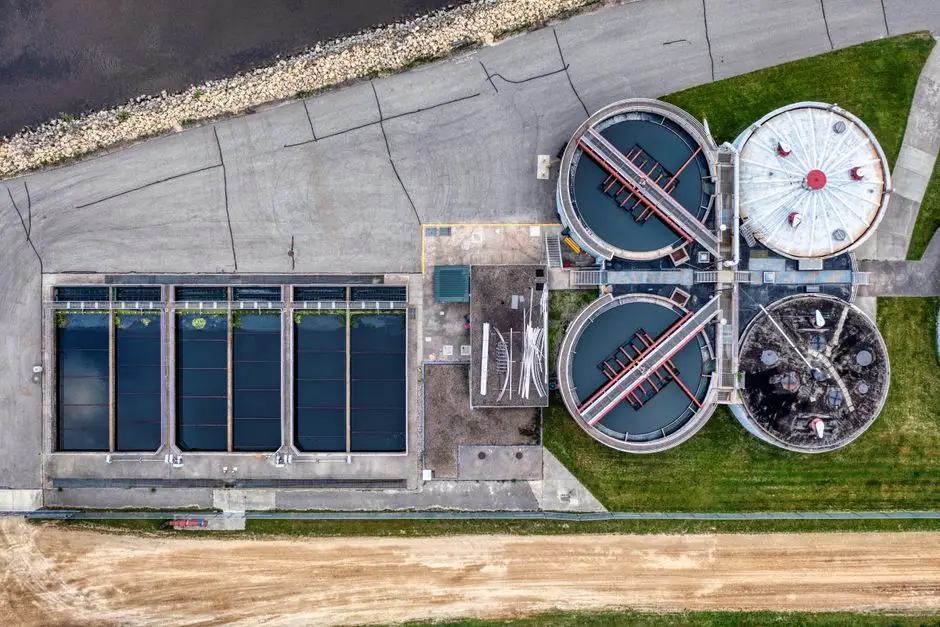
The defensible treatment train is screening, equalization, dissolved air flotation, biological treatment, chemical precipitation when required, and final polishing where the permit or reuse objective justifies it (HydropureWater source S2). Each stage needs a defined pollutant-removal objective and a measurable outlet condition. Equipment should follow from the characterization and mass loads, not from a generic food-processing equipment list.
Screening protects downstream equipment from solids and packaging debris. Equalization then blends batch flows and dampens CIP pH and temperature excursions. HydropureWater source S2 reports 6–24 hours of hydraulic retention time as its design reference, but the final basin must still satisfy the permit’s hydraulic-control and batch-discharge requirements.
For FOG and floatable solids, the source reports DAF performance of 25–50 mg/L oil and grease and 50–100 mg/L TSS at 4–25 m/h hydraulic loading. Those are reported engineering references, not guarantees for Rembrandt wastewater. DAF sizing needs forward flow, peak-to-average ratio, FOG, TSS, recycle requirements, hydraulic loading, and coagulant demand. The dissolved air flotation system should therefore be evaluated against the measured stream characteristics, not a flow rate alone.
Biological treatment addresses soluble and particulate BOD after adequate upstream FOG removal. HydropureWater source S2 reports 8–24 hours of HRT for conventional activated sludge, 4–10 hours for MBR, and a 1.5–2.5 mg/L dissolved-oxygen setpoint where nitrification is required. These values support preliminary comparison only; biomass loading, temperature, nutrients, inhibition, and the permit determine the final basis.
Where phosphorus is limiting, source S2 reports biological uptake removing 5–15 mg/L and chemical precipitation polishing total phosphorus to 0.5–1 mg/L. Confirm that treatment is required and appropriate for the actual phosphorus form and permit condition. Final polishing should address remaining TSS, phosphorus, disinfection, or verified reuse needs. Do not add reverse osmosis or another membrane stage unless the required duty justifies its pretreatment, energy, fouling, and disposal consequences.
| Stage | Primary objective | Design input or acceptance condition |
|---|---|---|
| Screening | Remove coarse solids and debris | Screen opening, peak flow, and extracted-solids handling |
| Equalization | Blend batch flow, pH, and temperature | Batch profile, permitted discharge condition, and source S2’s 6–24-hour reference |
| DAF | Remove FOG, floatable solids, and conditioned solids | Measured FOG, TSS, peak flow, recycle, and hydraulic loading |
| Biological treatment | Reduce soluble and particulate BOD | BOD load, temperature, nutrients, inhibition, and process type |
| Chemical precipitation | Remove phosphorus where required | Permit limit, phosphorus speciation, alkalinity, and solids separation |
| Final polishing | Meet residual TSS, disinfection, or reuse requirements | Verified downstream specification and disposal route |
An MBR membrane bioreactor belongs where its solids separation and reuse benefits are required, not as an automatic substitute for a complete food and beverage industrial wastewater pretreatment train.
When should a plant choose DAF, biological treatment or a lamella clarifier?
Choose the unit operation that controls the dominant pollutant. HydropureWater source S4 gives a reported decision rule of approximately 200 mg/L for FOG or emulsified oils and highlights poultry, meat, and dairy applications as DAF cases; it places lamella clarification where TSS dominates and chemical-use reduction is the priority. These are reported engineering references, not Rembrandt permit thresholds.
DAF is appropriate when floatable material is a meaningful part of the load. HydropureWater’s product catalog identifies suspended solids, FOG, oil and grease, and colloidal matter as treatment targets across 13 models and 4–300 m³/h. Verify hydraulic capacity, recycle, skimming, conditioning, and peak-batch response against the plant’s raw wastewater. FOG breakthrough can expose a biological system to a load it was not designed to treat.
| Condition | Preferred unit operation | Reason | Key check before purchase |
|---|---|---|---|
| FOG or emulsified oil is dominant | DAF | Directly captures floatable oil and grease | Measured FOG, peak flow, recycle, and conditioning demand |
| TSS is dominant and chemical reduction is the priority | Lamella clarifier | Compact solids separation with lower reported chemical use | Floc properties, hydraulic loading, and solids-removal objective |
| Soluble and particulate BOD is dominant | Biological treatment | Reduces biodegradable organics | BOD load, temperature, nutrients, inhibition, and upstream FOG capture |
| Permit requires low TSS or reuse is confirmed | MBR-based biological treatment | Combines biological treatment with membrane solids separation | Confirmed effluent duty, pretreatment, fouling, energy, and membrane replacement |
For a lamella option, HydropureWater reports surface loading of 20–40 m/h and chemical-consumption reduction of up to 30% compared with conventional clarifiers. The high-efficiency sedimentation tank should be tested against the actual solids and flocculation data. A DAF versus clarifier comparison provides a useful selection framework, but the food-processing wastewater data remain controlling.
How are pH, temperature, chemicals and sludge controlled?

Equalization must absorb CIP pH excursions and temperature peaks before biological treatment, followed by automatic pH trimming where the permit requires it. Chemical addition should be flow-proportional and linked to actual operating demand. HydropureWater source S2 reports phosphorus-precipitation doses of 50–250 mg/L alum or 30–150 mg/L ferric chloride, with PLC-controlled dosing reducing chemical consumption by 10–20% versus manual feed. These are reported design references, not automatic settings for every plant.
Include the automatic chemical dosing system controls, chemical storage, containment, secondary containment, and access in the equipment scope. DAF float and biological waste activated sludge are treatment residuals, not incidental waste. Their combined water content determines dewatering needs, while the final destination must be approved for the resulting solids.
HydropureWater source S2 reports 22–28% dry-matter cake from a combined DAF and biological-sludge plate-and-frame filter press. Treat that as an engineering reference until confirmed through site-specific solids characterization. A plate-and-frame filter press selection guide should be used to develop the feed, polymer, cake, filtrate, and cleaning requirements. The plate-and-frame filter press remains an option only if its capacity and cake-disposal route fit the plant.
Membrane filtration should be introduced only when a verified reuse or polishing requirement exists. ZwitterCo’s source S1 identifies membranes as useful for difficult-to-treat proteins, oils and fats and as pretreatment for reverse osmosis. That makes membrane pretreatment evidence relevant, but it does not establish a need for reverse osmosis at a Rembrandt plant.
What monitoring and reporting system proves compliance?
Compliance evidence must connect each treatment parameter to the permit’s sampling point and record. HydropureWater source S2 reports that most food and beverage permits require 24-hour composite sampling for BOD, TSS, FOG, and total phosphorus at monthly-to-quarterly frequencies, plus continuous pH and flow monitoring for significant industrial users. Verify every frequency, parameter, and exemption against the actual Rembrandt-area permit.
The record set should include the SCADA event log, electronic Discharge Monitoring Report, laboratory results, calibration records, operator response, and noncompliance notifications. Do not assume that a particular state portal applies before the controlling authority is identified. The reporting schedule should identify who compiles, reviews, approves, and submits each record and how the permit’s notification deadline is met.
Continuous monitoring does not excuse an unreported Saturday CIP excursion. Source S2 states that an unreported excursion can carry the same enforcement weight as a chronic violation because monitoring and notification obligations apply independently of the final sample result. Create alarms for high flow, out-of-range pH, DAF skid condition, dosing failure, and abnormal biological indicators. Each alarm should generate an auditable sequence from detection through operator response and required regulator notification.
| Event or measurement | Immediate engineering diagnosis | Compliance record |
|---|---|---|
| FOG breakthrough | Possible coagulant underdose or DAF hydraulic overload | Trend data, dose rate, flow, float condition, operator action, and follow-up sample |
| pH excursion | Possible inadequate equalization or failed trim loop | Continuous pH trace, equalization level, trim command, alarm response, and notification |
| Solids breakthrough | Possible poor flocculation control | Dose history, pH, sludge characteristics, settling or flotation condition, and sample result |
| High flow | Possible batch discharge or hydraulic overload | Flow trend, production or CIP status, tank level, response, and downstream upset record |
| Reporting deadline | Administrative or data-integrity failure | Approved report, submission confirmation, and corrective-action record |
Use the dosing-control architecture to preserve alarm, trend, and operator-action history rather than treating the skid only as a process asset.
What should a plant request from an equipment supplier before approval?
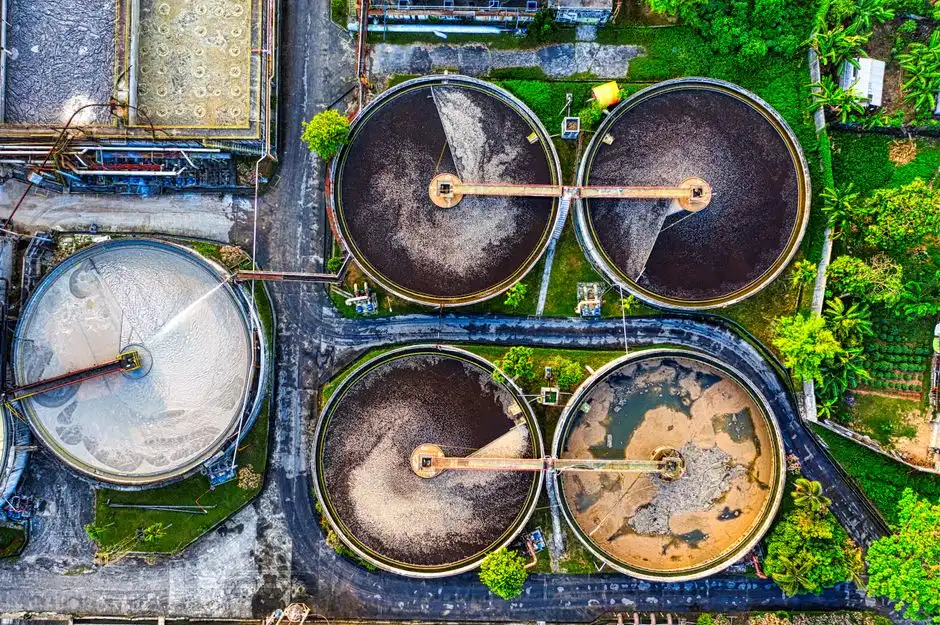
A proposal should begin with the controlling permit and measured wastewater basis, not a catalog configuration. Require identification of the governing POTW, applicable categorical subpart, average flow, peak-to-average ratio, raw BOD, FOG, TSS, phosphorus, pH, and temperature. Without those inputs, the supplier cannot demonstrate that the proposed equipment addresses the actual compliance risk.
| Document to request | Required content | Approval test |
|---|---|---|
| Design basis | Permit conditions, stream characterization, flow profile, and mass loads | Every stated value traces to a permit document or representative sample record |
| Equipment proposal | Process calculation, duty, materials, guarantees, utilities, chemicals, controls, and accessories | Sizing uses final design values and identifies exclusions |
| Performance evidence | Comparable wastewater conditions, test method, acceptance test, and remedy for failure | Evidence addresses the specified pollutant and hydraulic condition |
| Compliance plan | Monitoring outputs, sampling support, event alarms, reporting workflow, and record retention | Matches the permit and named reporting authority |
| Residual-management plan | DAF float, waste activated sludge, chemical sludge, dewatering, storage, and disposal route | Balances solids, cake, filtrate, and destination requirements |
| Delivery and startup plan | Factory scope, site work, commissioning, training, temporary treatment, and acceptance milestones | Separates equipment delivery from permit support and operational readiness |
Request a quotation that separates factory-delivered equipment from civil work, utilities, commissioning, permit support, temporary treatment, and performance testing. This is the practical check described in the 2026 buyer’s guide to reliable wastewater-treatment equipment: schedule and compliance responsibilities must be visible, not hidden in exclusions.
Frequently Asked Questions
Which authority and permit should a food and beverage plant near Rembrandt obtain before designing pretreatment?
Obtain the name and contact information of the controlling POTW or delegated authority, the current sewer-use ordinance, and the plant’s indirect discharge permit. The supplied research does not identify the exact authority serving Rembrandt, Iowa. Confirm the applicable categorical subpart, local limits, sampling point, monitoring frequencies, noncompliance process, and reporting portal. Design to the strictest applicable requirement, not to a generic benchmark.
How should equipment be sized for a batch-driven food and beverage wastewater stream?
Size from representative stream characterization, peak flow, batch duration, and mass loads—not from one composite sample. Establish upstream raw-water sampling points for BOD or COD, TSS, FOG, total phosphorus, pH, and temperature, then document production and CIP variability. The supplier’s calculation should connect those inputs to equipment capacity and performance. HydropureWater values such as 6–24 hours of equalization HRT are reported engineering references, not Rembrandt permit conditions.
Should a Rembrandt plant choose DAF or a lamella clarifier?
Choose DAF when FOG or emulsified oils dominate or the process warrants it, such as meat, poultry, or dairy applications. Consider lamella clarification where TSS dominates and chemical-use reduction is the priority. HydropureWater source S4 reports approximately 200 mg/L as a DAF decision reference for FOG or emulsified oils, but the signed permit and measured wastewater must control the choice. For a broader process comparison, review the coagulant dosing system design criteria alongside the equipment proposal.
When is an MBR economically and technically justified?
Require a confirmed need for low TSS, a specified reuse application, or another membrane-specific effluent duty before accepting the additional energy, fouling-control, membrane-replacement, and pretreatment burdens. Request a life-cycle comparison against conventional biological treatment plus the required solids separation. No Rembrandt quotation or operating-cost figure is supported by the supplied research, so request site-specific capital, utility, chemical, membrane, and residual-disposal inputs.
How should a buyer compare equipment suppliers and manage delivery risk?
Require each supplier to submit the same design basis, mass-loading calculation, performance objective, utility and chemical estimate, control narrative, startup plan, and residual-disposal pathway. Require a milestone schedule that separately identifies factory equipment, site work, commissioning, permit support, temporary treatment, and performance acceptance. This makes the plate-and-frame filter press selection guide one part of the overall treatment scope rather than treating dewatering as an excluded accessory.