How to Choose an Effluent Treatment Plant in Jakarta
An effluent treatment plant in Jakarta is a treatment system used to reduce industrial or commercial wastewater contaminants before sewer discharge, permitted outfall, or water reuse. The right configuration depends on flow, BOD, COD, SS, oil and grease, pH, and the receiving route. Jakarta has a substantial supplier base: RevenueBase recorded 15 exact-match effluent-treatment construction company records in the city in September 2026. For industrial wastewater, a DAF pretreatment stage may address oil, grease, solids, and colloids before biological treatment or polishing. Where water recovery is required, MBR or ultrafiltration can provide additional solids separation.
Use a five-stage route before selecting equipment:
- Characterize the wastewater. Establish flow, operating pattern, BOD, COD, SS, oil and grease, pH, and contaminants relevant to the process or receiving route.
- Identify the receiving route. Distinguish direct discharge, sewer acceptance, or water reuse, then obtain the applicable outlet conditions in writing.
- Set effluent objectives. Do not treat a general “compliance” statement as a design specification.
- Calculate design flow. Include peak and intermittent discharge conditions, equalization requirements, and operating hours.
- Select the process train. Match each unit to a contaminant-removal or separation duty.
East Jakarta Industrial Park provides a useful local context: its central WWTP addresses BOD, SS, and COD and has a stated total capacity of 14,400 tons per day, according to the East Jakarta Industrial Park facilities page. That figure is a regional infrastructure reference, not a design flow for every facility.
Ask bidders to define their scope explicitly: pretreatment for sewer acceptance, full industrial effluent treatment, municipal-style sewage treatment, or advanced polishing for reuse are not interchangeable. For example, an industrial DAF pretreatment system is not a complete biological treatment plant, while an integrated MBR wastewater treatment system must be assessed against the complete wastewater envelope. Request operating data, guarantees, and acceptance tests tied to the same wastewater stream and operating conditions rather than a generic product brochure.
Wastewater Characterization and Design Flow
Representative sampling across production, cleaning, and discharge periods establishes the hydraulic and contaminant basis for an industrial ETP design.
Require the sampling plan to cover production, cleaning, and discharge periods, and to record average flow, peak flow, operating hours, and intermittent discharge conditions. The plan should explain when each sample was taken and whether the result represents normal production, start-up, shutdown, or a documented discharge event.
Test for BOD, COD, SS, oil and grease, and pH as core inputs. Add other contaminants only where the process or receiving route makes them relevant. BOD, SS, and COD are also the parameters identified by East Jakarta Industrial Park for its industrial wastewater treatment approach, according to the East Jakarta Industrial Park facilities page.
Do not equate the nominal flow printed in an equipment proposal with required plant capacity. The process designer must evaluate peak discharge, equalization, upset loads, and the operating envelope. An multi-media filtration system or an automatic chemical dosing system cannot be sized properly without the relevant feed-water data and treatment objective.
For reuse projects, define the intended end use and required water quality before selecting a polishing technology. The University of Twente’s “Direct nanofiltration of wastewater treatment plant effluent” research output describes nanofiltration as a method for polishing WWTP effluent and reclaiming it for agricultural or direct/indirect potable uses; it does not establish that every reuse objective requires the same process.
| Design input | Evidence needed | Decision affected |
|---|---|---|
| Average and peak flow | Representative flow records and discharge-period sampling | Equalization, hydraulic capacity, pipe sizing |
| BOD and COD | Representative laboratory analysis | Biological load and treatment route |
| SS, oil and grease | Representative solids and FOG analysis | DAF, clarification, screening, sludge handling |
| pH | Process and discharge monitoring | Chemical dosing and biological compatibility |
| Reuse objective | Written end-use quality requirements | MBR, UF, nanofiltration, or other polishing |
Which Treatment Route Fits the Effluent?
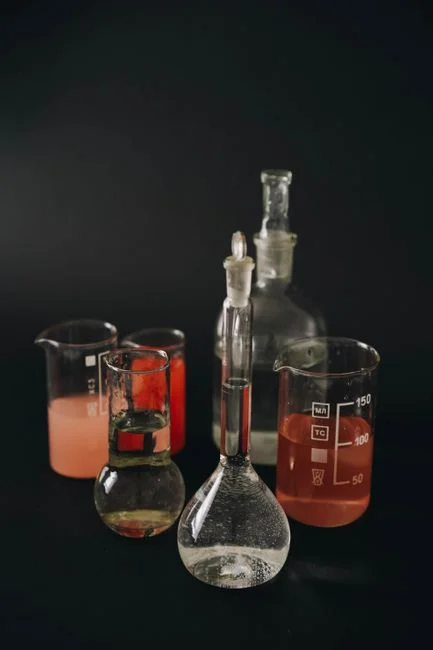
DAF addresses removable solids and oily material, MBR combines biological treatment with membrane solids separation, UF polishes reusable water, and packaged sewage plants address decentralized domestic sewage.
| Route | Primary application | Evidence or specification | Key procurement check |
|---|---|---|---|
| DAF pretreatment | Oily or solids-rich industrial wastewater | HydropureWater DAF systems remove suspended solids, FOG, oil and grease, and colloidal matter; 13 models span 4–300 m³/h. | Confirm feed characteristics and downstream biological load. |
| MBR | Biological treatment with compact footprint and advanced solids separation | HydropureWater MBR systems cover municipal sewage, industrial process water, and reuse applications from 10–2,000 m³/day, with filtration below 1 μm. | Verify membrane cleaning, replacement, and operating-hour assumptions. |
| UF polishing | Polishing before RO or reusable process water | HydropureWater hollow-fiber UF systems provide 0.03 μm PVDF membrane filtration at 2,000–40,000 L/h, accept turbidity up to 300 ppm, and use automatic backwash and air scour. | Match feed turbidity and recovery to the downstream process. |
| Packaged sewage plant | Decentralized domestic sewage | The WSZ series combines anoxic/aerobic biological contact oxidation, sedimentation, and disinfection in a buried unit for 1–80 m³/h. | Do not substitute this scope for an industrial effluent train. |
| Constructed wetlands or nanofiltration | Difficult residuals or site-specific reuse constraints | Wageningen University and Research’s 2022 thesis studied constructed wetlands for micropollutant removal from WWTP effluent; nanofiltration remains project-specific. | Require a defined design basis, pilot evidence where needed, and end-use criteria. |
For an oily or solids-rich stream, evaluate an industrial DAF pretreatment system before biological or membrane stages. DAF is a pretreatment decision, not a complete ETP specification.
For biological treatment with advanced solids separation, evaluate an integrated MBR wastewater treatment system. It may suit municipal sewage, industrial process-water treatment, or reuse applications, but the offer must state the wastewater envelope and treatment guarantees.
For polishing before RO or where reusable process water is required, evaluate an ultrafiltration polishing system. For decentralized domestic sewage, evaluate the WSZ packaged sewage treatment plant instead of calling it an industrial ETP. Constructed wetlands and nanofiltration should remain specialist options until the residual contaminant, site conditions, and reuse target have been defined.
Build a Treatment Process for a Jakarta Facility
A defensible industrial ETP design arranges pretreatment, biological treatment, polishing, disinfection, and sludge handling as one connected process.
A practical process sequence is:
- Equalization and screening
- DAF or clarification for removable solids and FOG
- Biological treatment where biodegradable organics require it
- MBR, UF, or another polishing step
- Disinfection where required
- Sludge dewatering before disposal
Screening protects downstream equipment from suspended solids, rags, plastics, and fibrous debris. A GX rotary mechanical bar screen is designed for headworks in municipal and industrial wastewater, but its inclusion must follow the wastewater characterization and intake arrangement.
Place chemical dosing only where the objective requires pH adjustment, coagulation, flocculation, or specialist dosing. An automatic chemical dosing system should be specified around the chemical, target parameter, dosing rate, control logic, containment, and operator requirements—not around equipment name alone.
Include sludge handling in the project scope. A plate and frame filter press provides filtration areas from 1 m² to 500 m² for municipal and industrial sludge dewatering. The buyer should still request expected sludge mass, moisture or cake objective, chemical demand, operating cycle, and disposal route.
Treat microplastics as an emerging monitoring issue rather than assuming complete removal. A 2023 review in Environmental Engineering Research reported that more than 90% can be removed in wastewater treatment plants, while also noting that these plants are not specifically designed for that purpose. The relevant procurement action is to define what monitoring or additional treatment is required for the site.
Size the Plant Against Local and Project Benchmarks
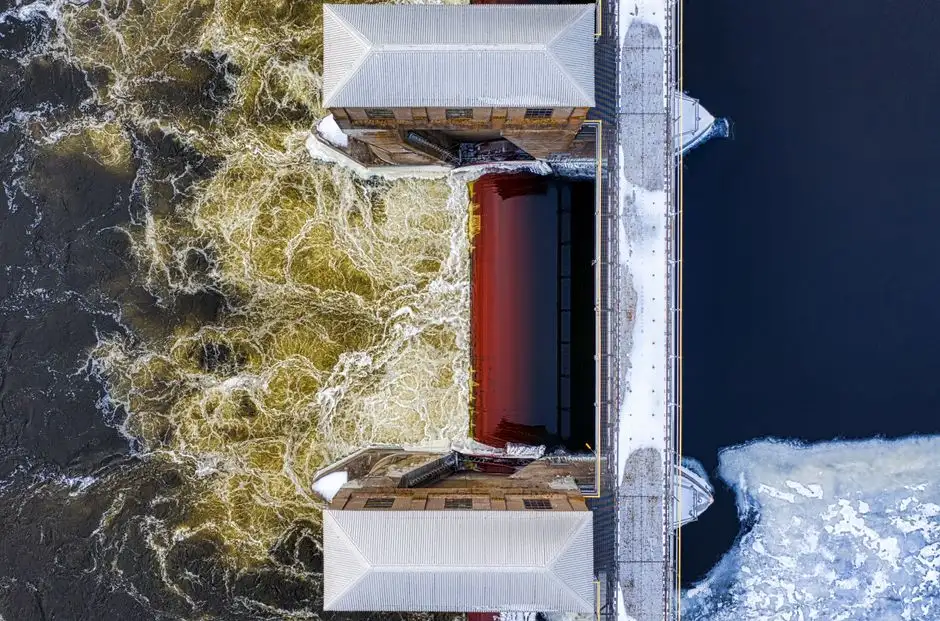
East Jakarta Industrial Park reports a central WWTP capacity of 14,400 tons per day and an industrial water-treatment plant supply capacity of 18,000 tons per day in 24 hours.
These East Jakarta Industrial Park figures, published on its facilities page, indicate the scale of local industrial infrastructure. They are benchmarks for comparison, not universal sizing rules for individual factories, estates, hotels, or facilities.
Compare a bid against more than hydraulic flow:
- design-flow basis and equalization;
- BOD, COD, SS, and other removal targets;
- footprint and civil works;
- operating mode and utilities;
- automation and control;
- sludge handling;
- installation and commissioning scope;
- operating and maintenance assumptions.
For very large centralized infrastructure, ask whether a packaged plant or staged modular expansion offers more practical procurement, installation, and operating flexibility. Evaluate an integrated MBR wastewater treatment system or a high-efficiency sedimentation tank against the complete process and site constraints, not only their nominal capacity.
| Comparison field | What the buyer should state | Evidence expected |
|---|---|---|
| Hydraulic basis | Average flow, peak flow, operating hours, equalization | Hydraulic calculation and process flow diagram |
| Wastewater analysis | Representative BOD, COD, SS, oil and grease, pH | Laboratory results and sampling plan |
| Outlet requirements | Sewer, discharge, or reuse parameters | Applicable acceptance conditions |
| Guarantees | Removal or outlet commitments and operating envelope | Performance guarantee and test protocol |
| Implementation | Civil works, installation, commissioning, training, service | Scope matrix and delivery schedule |
Document the design basis, guarantees, and test protocol in the purchase specification. A quotation without these items cannot be compared technically with a competing offer.
Verify Compliance, Delivery, and Supplier Capability
Jakarta supplier depth supports comparison, but the applicable sewer-acceptance or discharge conditions must define the compliance obligation.
Confirm the applicable Jakarta sewer-acceptance or discharge requirements in writing, including BOD, COD, SS, pH, and any sector-specific limits. A supplier’s statement that a system is “compliant” is not an acceptance criterion.
East Jakarta Industrial Park states that its testing laboratory is accredited under ISO/IEC 17025:2005. Use that fact as evidence that accredited analysis is available within the wider project verification framework, not as proof that every proposed ETP supplier or laboratory holds the same accreditation.
RevenueBase reported 15 Jakarta company records for the exact search term “effluent treatment plant construction” in September 2026, within 90 company matches associated with Indonesia. These records create a useful longlist, but availability does not prove engineering capability. RevenueBase also notes that its exact-match badges show search membership rather than individual similarity or quality.
Ask each supplier for project references, relevant technical personnel, equipment provenance, installation scope, commissioning experience, and local service coverage. A Jakarta wastewater contractor should be able to explain how its proposed process responds to the facility’s actual wastewater envelope.
Make performance guarantees conditional on the agreed wastewater characterization and operating envelope. Define commissioning tests, operator training, maintenance documentation, membrane or media replacement arrangements, spare-parts availability, and remote or on-site support in the contract. Confirm membrane and media supply routes through RO and UF membrane filter elements and water-treatment parts, valves, and media.
For delivery risk, require the supplier to state manufacturing or assembly lead time, shipment terms, installation duration, commissioning milestones, utility interfaces, and the consequences of delay. Those terms should appear in the quotation and contract, not remain verbal assumptions.
Jakarta ETP Procurement Checklist
A controlled buyer’s document prevents quotations from being compared on incompatible technical scopes.
- Issue one consolidated information request. Include wastewater analysis, design flow, target discharge or reuse route, site constraints, operating hours, and required treatment outcomes.
- Require a process proposal from every bidder. Each submission should include a process flow diagram, equipment list, hydraulic basis, removal targets, footprint, utilities, sludge-handling method, and included services.
- Normalize the commercial comparison. Check that quotations cover the same civil works, installation, commissioning, training, utilities, controls, sludge handling, and warranty scope. Make exclusions visible.
- Define FAT and SAT before comparing prices. Factory acceptance should verify workmanship and functional checks; site acceptance should be tied to the agreed influent basis, outlet requirements, and operating protocol.
- Verify lifecycle assumptions. Compare media or membrane life, cleaning chemicals, power, operator attendance, spares, service response, and disposal obligations.
- Make performance commitments precise. State design flow, wastewater analysis, required outlet parameters, operating hours, sampling method, and the test protocol behind every guarantee.
Use the East Jakarta infrastructure information and the Jakarta supplier records to build a credible shortlist, but select on process fit, evidence, lifecycle considerations, and contractual performance. The industrial ETP versus DAF decision guide can help distinguish pretreatment from full treatment, while the 2026 effluent treatment plant planning guide provides a broader procurement frame. Neither replaces Jakarta-specific wastewater analysis, receiving-route requirements, or supplier verification.
Frequently Asked Questions
How much does an effluent treatment plant in Jakarta cost?
There is no defensible single price because the supplied research contains no Jakarta ETP quotation. Request itemized quotations using the same wastewater analysis, design flow, receiving route, outlet objectives, footprint, utilities, installation scope, sludge handling, commissioning, and service terms. Compare exclusions as well as totals; a lower equipment price may not include civil works, membranes, chemicals, controls, commissioning, or disposal costs.
Should I buy a DAF system, MBR, UF, or packaged sewage plant?
Choose by function and wastewater characteristics. Evaluate DAF for oily or solids-rich pretreatment; MBR for biological treatment with advanced solids separation; UF for polishing before RO or for reusable process water; and a packaged sewage plant for decentralized domestic sewage. Obtain the wastewater analysis and receiving-route requirements before making the selection.
How do I verify an ETP supplier’s experience and equipment quality?
Ask for references on comparable wastewater streams, the proposed design basis, equipment provenance, named technical personnel, installation scope, commissioning records, and local service coverage. RevenueBase’s September 2026 Jakarta records can help identify candidates, but its exact-match badge represents search membership rather than quality. Verify relevant project evidence directly before award.
What wastewater tests are needed before requesting a plant price?
Provide representative results for BOD, COD, SS, oil and grease, and pH, together with average and peak flow, operating hours, and discharge-period information. Add process-specific tests where relevant. State the sewer-discharge or reuse target separately so each supplier prices the same duty. The MBBR design and buying guide can help frame biological-stage questions, but it does not replace site sampling.
Can effluent treatment equipment in Jakarta be designed for water reuse?
Yes, if the reuse objective and required water quality are defined before design. MBR and UF may form part of a reuse train, while nanofiltration may be considered for polishing WWTP effluent and reclamation applications described by the University of Twente research output. Require a project-specific water balance, quality specification, treatment train, membrane or media recovery assumptions, and acceptance test before ordering.