
Why Industrial Zinc Removal Matters in 2026
Industrial zinc removal is rarely solved by a single unit operation. For U.S. metal-finishing facilities, 40 CFR Part 433 sets a 2.61 mg/L daily maximum and 1.48 mg/L monthly average for zinc in applicable discharges, and individual states, POTWs, and other jurisdictions may impose tighter limits on top of that federal floor (Molewater, "How to Remove Zinc from Wastewater," 2026).
The industrial sources that load zinc into wastewater are well documented: galvanizing lines, electroplating and metal-finishing shops, anodizing, battery manufacturing, mining and metal processing, textiles, and a subset of chemical operations, with a 2023 review of zinc separation technologies also identifying tannery and dye producers as relevant contributors (Molewater, 2026). The most common reason a "tried-and-true" treatment train underperforms is that the designer optimized for total zinc without identifying its chemical form. Zinc can be present as dissolved Zn²⁺, suspended or precipitated solids, or as complexes with EDTA, cyanide, ammonia, and various organic acids, and these forms respond very differently to pH adjustment, coagulation, or membrane rejection (Molewater, 2026).
Chemistry First: What You Must Know Before Choosing a Method
Every defensible method selection starts with a full influent characterization, not just a total zinc number. The minimum dataset a buyer should demand before talking to vendors is total zinc, dissolved zinc, pH, alkalinity, suspended solids, the suite of competing metals (copper, nickel, iron, cadmium), and a qualitative screen for complexing agents such as EDTA, cyanide, ammonia, and organic acids (Molewater, 2026). Complexed zinc is the single most common root cause of hydroxide precipitation failures: when zinc is bound to EDTA, cyanide, or ammonia, raising the pH does not drive it out of solution the way it would for free Zn²⁺, so a complex-breaking pretreatment has to be inserted upstream of any precipitation stage (Molewater, 2026). Zinc is also amphoteric, so hydroxide precipitation has a real operating ceiling: Zn(OH)₂ reaches its lowest solubility near pH 9.5–11, and over-alkalization above that band re-dissolves the precipitate and pushes residual zinc back up (Molewater, 2026). The implication is that pH control hardware — typically a PLC-controlled chemical dosing system with closed-loop pH feedback — is not an optional accessory but a load-bearing part of any precipitation-based train.
Method-by-Method Breakdown: How Each Zinc Removal Technology Works
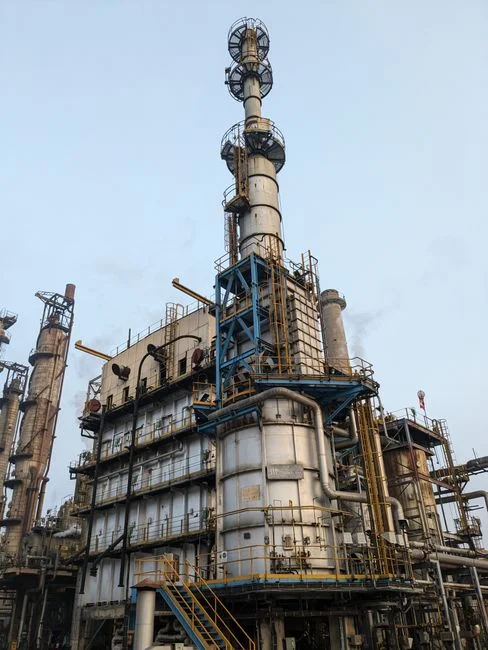
Chemical precipitation is the workhorse. Hydroxide precipitation at pH ~9.5–11 is simple, proven, and typically the lowest-cost option for medium-to-high zinc concentrations, while sulfide precipitation is an alternative for streams where hydroxide alone cannot hit the target (Molewater, 2026). The trade is a zinc-bearing sludge that has to be thickened, dewatered on a plate and frame filter press, and characterized for disposal or downstream recovery.
Adsorption uses solid sorbents — activated carbon, zeolite, chitosan, agricultural residues, algae-based materials, and modified industrial by-products — to bind residual dissolved zinc. It is best deployed as a polishing step on already-clarified water, with the understanding that pH, contact time, dosage, initial concentration, and temperature all drive capacity, and the spent media must eventually be regenerated, replaced, or sent to waste (Molewater, 2026).
Ion exchange with strong-acid cation or chelating resins can deliver very low residual zinc and concentrates the removed metal into a small regenerant volume that is attractive for recovery. The dominant failure mode is resin fouling by suspended solids, oils, and organics, which is why adequate pretreatment — typically filtration or precipitation upstream — is non-negotiable (Molewater, 2026).
Membrane processes cover ultrafiltration (UF), nanofiltration (NF), reverse osmosis (RO), and complexation-enhanced UF. Standard UF does not reject dissolved Zn²⁺ effectively because the ions are smaller than the membrane pores, so UF only helps when zinc is already bound to larger particles or complexing agents (Molewater, 2026). NF and RO deliver high removal and enable water reuse, but they do not destroy zinc — they shift it into a concentrate stream that still has to be managed, and fouling, scaling, and energy use have to be designed for.
Electrocoagulation generates coagulant in situ by dissolving sacrificial iron or aluminum electrodes. Performance is governed by current density, treatment time, electrode material, pH, conductivity, and initial zinc concentration (Molewater, 2026). In a controlled study at West Virginia University, electrocoagulation removed more than 99.5% of zinc from a 50 mg/L synthetic feed in 20 minutes at 0.35 kWh/m³, and achieved similarly high removal at 250 mg/L with 0.88 kWh/m³ in 50 minutes (Chen, "Removal of Zinc Ions from Model Wastewater by Electrocoagulation," WVU, 2017). It can be deployed as a standalone unit or combined with precipitation, filtration, or adsorption, and a downstream dissolved air flotation system or high-efficiency sedimentation tank handles the resulting flocs.
Biological and biosorption systems using algae, microorganisms, and plant biomass have shown promising batch results, but most published data is still laboratory-scale, and scale-up, biomass handling, and process stability remain open questions. For most industrial plants in 2026, these methods are best treated as specialized or supplementary rather than as drop-in replacements for established processes (Molewater, 2026).
Head-to-Head Comparison Matrix
The matrix below summarizes the five core methods across the parameters a buyer actually needs to shortlist a train. It is intentionally directional: it does not assign fabricated cost figures, and any final capex/opex numbers must come from vendor quotes against the buyer's specific flow and chemistry.
| Method | Typical influent Zn range | Achievable residual Zn | Solid/resin/concentrate burden | Energy intensity | Scale-up maturity | Relative capex/opex |
|---|---|---|---|---|---|---|
| Chemical precipitation (hydroxide / sulfide) | Medium to high (tens to thousands mg/L) | Low mg/L with good pH control | Zinc-bearing sludge; dewatering required | Low (mixing only) | Very high | Low capex, low opex (Molewater, 2026) |
| Adsorption | Low to medium (polishing) | Sub-mg/L possible at bench scale | Spent sorbent; regeneration or disposal | Low | Medium for activated carbon; lower for novel biomass sorbents | Moderate to high opex (Molewater, 2026) |
| Ion exchange | Low to medium | Sub-mg/L; regenerant concentrated | Fouled resin; regenerant stream | Low | High | Higher equipment and resin-replacement opex (Molewater, 2026) |
| NF / RO | Low (after pretreatment) | Very low; permeate reusable | Concentrate reject stream | Moderate to high | High | Higher capex and energy, especially at high recovery (Molewater, 2026) |
| Electrocoagulation | Low to high (broad) | >99.5% at 50 mg/L, 0.35 kWh/m³ (WVU, 2017); up to 99.05% at 25 V in porous-cathode work (Ryerson) | Metal-oxide floc sludge; electrode consumption | Set by current density and time | Medium; growing at full scale | Moderate capex; opex dominated by electrodes and power |
The two citable 2024-and-newer-style data points worth flagging in any proposal are the WVU aluminum-electrode result — more than 99.5% zinc removal at 50 mg/L with 0.35 kWh/m³, and comparable removal at 250 mg/L with 0.88 kWh/m³ (WVU, 2017) — and the Ryerson porous-cathode work, which reported 98% zinc removal at 12 V and a maximum of 99.05% at 25 V under their tested conditions (Toronto Metropolitan University, "Electrochemical removal of zinc and nickel ions from wastewater using porous electrodes"). Membranes, as a category, do not destroy zinc; they shift it into a reject stream that still has to be handled, and adsorption and ion exchange typically carry higher operating costs than precipitation (Molewater, 2026). For sites evaluating an industrial reverse osmosis system for reuse, RO belongs downstream of precipitation or EC, not in place of it, and any ultrafiltration stage should be specified as a UF system protecting the RO from particulates rather than as a standalone zinc barrier.
Decision Framework: Which Train Fits Your Wastewater?
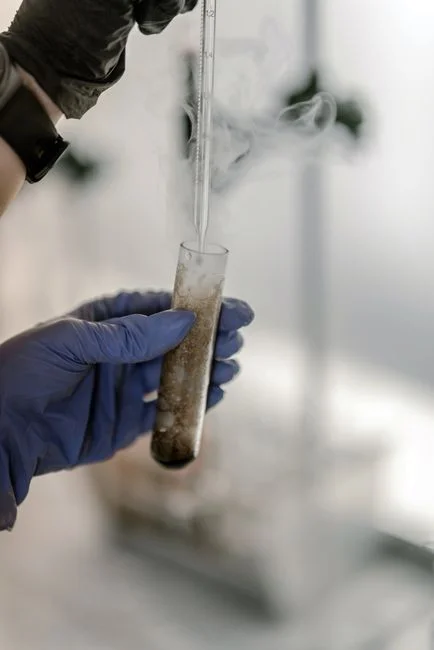
The two variables that most often decide the train are influent zinc concentration and influent complexity (free Zn²⁺ versus complexed zinc). The framework below maps those variables to a recommended configuration.
| Influent profile | Recommended train | Notes |
|---|---|---|
| Simple, high zinc (free Zn²⁺, no strong complexing agents) | Hydroxide precipitation at pH ~9.5–11 → coagulation/clarification → filtration | Lowest-cost path for medium-to-high concentrations; requires tight pH control to avoid the amphoteric re-dissolution zone (Molewater, 2026) |
| Moderate zinc, need for very low residual or recovery | Precipitation → ion exchange, or precipitation → NF/RO | Ion exchange gives a regenerant stream suited to recovery; NF/RO enables water reuse but produces a concentrate that still requires management (Molewater, 2026) |
| Difficult industrial wastewater (competing metals, oils, variable chemistry) | Electrocoagulation alone, or EC combined with precipitation/filtration/adsorption | Credible where reducing stored chemical coagulants matters; benchmark against WVU >99.5% at 0.35 kWh/m³ and Ryerson 98–99.05% at 12–25 V (WVU, 2017; Toronto Metropolitan University) |
| Complexed zinc (EDTA, cyanide, ammonia, organics) | Complex-breaking chemical step → precipitation → polishing | Design pH and coagulant chemistry from jar testing on the actual wastewater; generic guidance will miss (Molewater, 2026) |
An integrated skid such as a JY integrated water purification system can package equalization, pH adjustment, and the main removal step together for plants that want a single vendor boundary, while a multi-media filter in the polishing position protects downstream ion exchange or RO from breakthrough during upset events.
Cost, Sludge, and Recovery Economics
For high-concentration streams, chemical precipitation is generally the most cost-effective option, and adsorption and ion exchange typically carry higher operating costs but remain appropriate when a lower residual is required (Molewater, 2026). Membrane systems demand greater capital and energy, especially at high water-recovery targets, and they generate a concentrate that has to be managed rather than a destroyable waste (Molewater, 2026). Whenever influent or sludge zinc concentrations are high enough, recovery should be evaluated as an offset to disposal cost; the actual economics depend on zinc concentration, the suite of co-present metals, sludge composition, the chosen recovery method, and local disposal pricing (Molewater, 2026). Sludge handling has to be designed in from day one: zinc-bearing sludge must be characterized to determine its disposal or recovery route, and the choice of dewatering equipment directly drives the wet tonnage sent off-site, which is why most precipitation trains are paired with a plate and frame filter press and a PLC-controlled chemical dosing system for the upstream pH and coagulant control.
Pilot Testing and Procurement Checklist
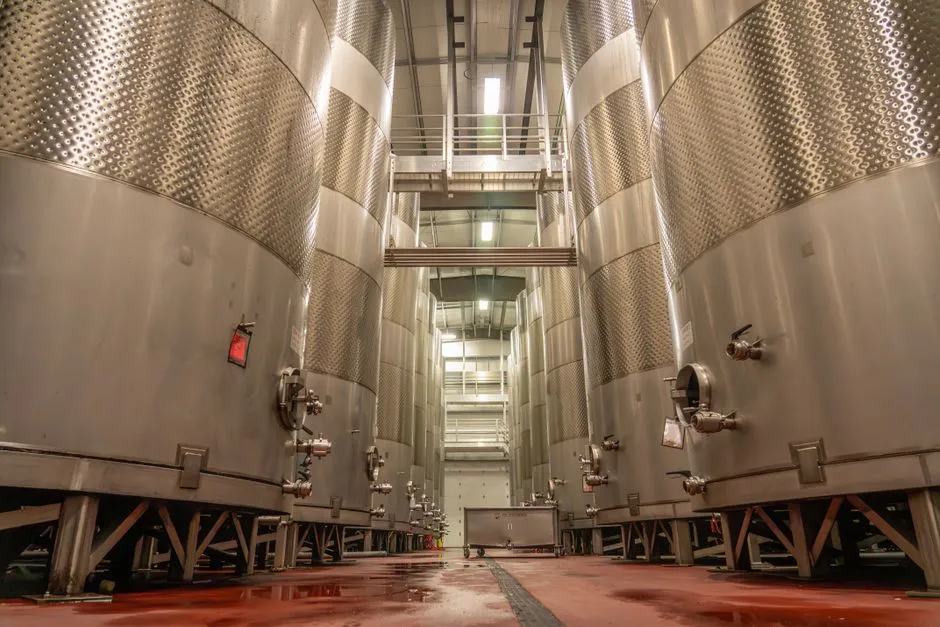
Before any purchase order is cut, run a jar test on the actual wastewater to set pH, coagulant dose, settling behavior, and expected residual zinc; for variable or complex streams, escalate to an on-site pilot rather than scaling up from bench data (Molewater, 2026). During vendor evaluation, confirm the supplier's experience with zinc-bearing wastewater at similar concentrations, ask for reference installations with comparable influent profiles, and pressure-test the proposed train against the actual complexing agents, competing metals, oils, and suspended solids in the feed (Molewater, 2026). Verify compliance against the actual receiving system's limits — not just the 40 CFR Part 433 defaults — by checking the local POTW or state rule for site-specific zinc limits (Molewater, 2026). For any electrocoagulation proposal, require the vendor to quote energy consumption at design loading in kWh/m³ and provide electrode-consumption data, because those two line items — together with sludge handling — dominate long-term operating cost (WVU, 2017; Molewater, 2026). For a broader view of how zinc trains sit inside a zero-liquid-discharge strategy, the ZLD plant buyer's guide and the copper removal methods comparison cover adjacent decision logic, and the DAF vs clarifier for mining wastewater piece is useful when settling versus flotation is the open question.
Frequently Asked Questions
Which zinc removal method is the most cost-effective for high-concentration industrial wastewater?
Chemical precipitation — typically hydroxide at pH ~9.5–11, or sulfide where hydroxide cannot hit the target — is generally the most cost-effective option for medium-to-high zinc concentrations, because the equipment is straightforward and the chemical and operating costs are relatively low (Molewater, 2026). For a defensible budget, request vendor quotes sized to your actual flow and influent zinc rather than applying generic unit costs.
How do I choose between ion exchange and reverse osmosis for zinc polishing and reuse?
Choose ion exchange when the goal is a low-zinc effluent and the regenerant stream can be routed to a small-volume recovery loop; expect higher resin and regeneration costs and require pretreatment to control fouling (Molewater, 2026). Choose RO when the binding objective is water reuse and a concentrate stream can be managed downstream; expect higher capex and energy, especially at high recovery (Molewater, 2026). The right pre-pilot check is a side-by-side jar test plus an RO projection on the actual permeate goal.
Can electrocoagulation replace hydroxide precipitation for zinc removal?
Electrocoagulation can match precipitation on removal efficiency — more than 99.5% zinc removal at 50 mg/L with 0.35 kWh/m³ in the WVU work, and 98–99.05% in the Ryerson porous-cathode study at 12–25 V — and it generates coagulant in situ, which reduces stored chemical coagulant inventory (WVU, 2017; Toronto Metropolitan University). The trade-offs are electrode consumption, electricity use, and sludge handling, and full-scale performance can deviate from controlled results when the wastewater contains competing metals, oils, or high suspended solids (Molewater, 2026). A pilot at design loading is the right way to verify those numbers on your stream.
What is the first step if hydroxide precipitation is not hitting the zinc target?
The first check is influent chemistry, not equipment. Complexed zinc bound to EDTA, cyanide, ammonia, or organic acids will not drop out of solution under normal pH adjustment, so a complex-breaking pretreatment has to be inserted upstream of precipitation (Molewater, 2026). Re-run the jar test with the complex-breaker included, and confirm the operating pH stays inside the ~9.5–11 band where Zn(OH)₂ is least soluble, because pushing past it will re-dissolve the precipitate (Molewater, 2026).