DAF vs Clarifier for Orrville Food and Beverage Plants: The 2026 Short Answer
For Orrville food and beverage plants, the 2026 decision is driven by the FOG fraction and the flow pattern rather than the brand on the skid. Choose a HydropureWater DAF system when the stream carries high fats, oils, and grease, light floatable solids, or pulse loads from CIP and product changeovers — DAF microbubbles in the 30–50 micron range lift FOG and suspended solids to the surface for skimming (Clearwater/SigmaDAF 2026-04). Choose a gravity clarifier, typically a lamella plate unit such as the HydropureWater lamella clarifier, when the load is mainly settleable TSS at steady flow, when footprint must be minimized, and when lower polymer use and a denser underflow are priorities. Most Orrville dairy, cheese, sauce, and beverage plants run a DAF as primary separation because FOG dominates, with lamella clarifiers commonly serving as a polishing or post-biological step.
Orrville and Wayne County host a tight cluster of dairy, cheese whey, sauce, and beverage producers whose waste streams are FOG-dominant and CIP-surge-driven. Exact Orrville POTW pretreatment limits, surcharge schedules, and local limits are site-specific and must be confirmed with the local authority; the supplied research does not give an Orrville numeric discharge limit. McIlvaine groups DAF and gravity clarifiers as parallel unit operations in U.S. food processor capex forecasts (McIlvaine 2018-04), which is consistent with the way Orrville plants spec a primary separator plus a downstream polishing or biological step.
How DAF and Clarifiers Actually Work in a Food Plant
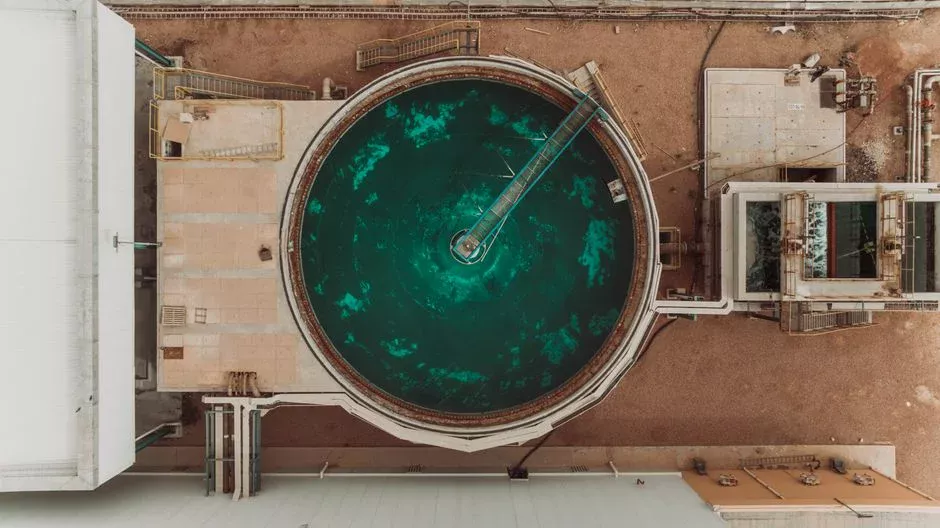
A dissolved air flotation unit pressurizes a recycle stream of clarified water with air, then releases that stream through nozzles into the main tank. The pressure drop nucleates 30–50 micron microbubbles that attach to flocculated FOG and TSS, lifting them to a scum layer that a paddle skimmer scrapes into a trough (Clearwater/SigmaDAF 2026-04). Heavier solids settle to a bottom collection zone and are removed with an auger; the same article notes that DAF systems are ideal for streams with floatable oil, grease, and low-specific-gravity impurities. Chemical conditioning with coagulant, pH adjust, and polymer flocculant is required upstream; serpentine flocculation tubes provide 15–45 seconds of flash mix, and the system typically relies on a clean-water startup before wastewater can be introduced (Clearwater/SigmaDAF 2026-04).
A gravity clarifier relies on quiescent settling under gravity. In a lamella plate design, inclined plates shorten the effective settling distance so the same footprint can handle a much higher surface loading, and the design allows a comparable reduction in coagulant and polymer demand relative to a conventional clarifier. Both technologies need upstream chemical conditioning and flow equalization to damp CIP peaks; the supplied research indicates that DAF is more tolerant of flow spikes because the air-saturation recycle buffers hydraulics. For an Orrville plant this matters: CIP skids, tanker unloading, and product changeovers can briefly double or triple the influent load, and a system that survives those transients without dumping floatables downstream protects the biological or polishing step.
Engineers pairing either unit with headworks typically specify a HydropureWater GX rotary bar screen to protect nozzles and plate packs, and an HydropureWater automatic chemical dosing skid to deliver consistent coagulant and polymer feed across variable loads.
Side-by-Side Parameters Engineers Compare in 2026
The table below is built from the supplied DAF and lamella clarifier specifications. It is a procurement-ready screenshot rather than a re-statement of the prose; the values that the supplied research does not pin down are marked as site-specific so the engineer knows to confirm by jar test or pilot before committing capex.
| Parameter | DAF (HydropureWater spec; Clearwater/SigmaDAF 2026-04) | Lamella / Inclined-Plate Clarifier (HydropureWater spec) |
|---|---|---|
| Removal target | FOG, light floatables, emulsified TSS; some settleable TSS | Settleable TSS, biomass floc; not designed for FOG |
| Separation mechanism | 30–50 micron microbubbles attach to floc and float; heavier fraction settles to auger zone | Gravity settling on inclined plates; shortened settling path |
| Standard flow range | 4–300 m³/h across 13 standard models (HydropureWater DAF spec) | Site-specific; size to surface loading 20–40 m/h (HydropureWater lamella spec) |
| Footprint per m³/h | Compact skid option; can be packaged | Small footprint per unit flow due to inclined plates |
| Polymer / coagulant demand | Coagulant + pH adjust + flocculant polymer; flocculation tube 15–45 s flash mix | Up to 30% chemical reduction vs conventional clarifier (HydropureWater lamella spec) |
| Sludge consistency | Floated fraction typically wetter; underflow captured by auger | Denser underflow, generally easier to dewater |
| Startup / surge behaviour | Requires clean-water startup; air-saturation recycle buffers CIP surges (Clearwater/SigmaDAF 2026-04) | Steady-flow design; surges hurt effluent quality |
| Typical upstream screen | Rotary bar screen to protect nozzles | Bar screen to protect plate packs |
| Typical downstream unit | Biological (MBR or activated sludge), then clarifier, or plate/frame press on float | Biological polishing, then plate/frame press on underflow; or post-MBR solids capture |
| FOG removal % | Site-specific — confirm by jar test | Not designed for FOG; site-specific |
| TSS removal % | Site-specific — confirm by jar test | Site-specific — confirm by jar test |
| BOD / COD reduction | Site-specific — confirm by jar test | Site-specific — confirm by jar test |
Two anchors hold the table together. The 30–50 micron microbubble range, the clean-water startup rule, and the flash-mix time are pulled from the Clearwater/SigmaDAF 2026-04 article. The 4–300 m³/h flow range across 13 standard DAF models and the 20–40 m/h surface loading with up to 30% chemical reduction for the lamella clarifier come from the HydropureWater product specs. Universal FOG, TSS, and BOD/COD percentages are not given in either source, which is why those rows are explicitly flagged for jar testing.
When DAF Is the Right Choice for an Orrville Plant
DAF is the right primary step when the stream is FOG-dominant — cheese, whey processing, BBQ sauce, margarine, fryer operations, and sauce cookers all generate the kind of emulsified fats that gravity settling handles poorly (Clearwater/SigmaDAF 2026-04). The 30–50 micron microbubble mechanism is purpose-built for floatable, low-specific-gravity impurities, and the same article highlights DAF as ideal for wastewater with oil, grease, and light suspended solids.
DAF is also the right call for pulsed flows. CIP cycles, product changeovers, and tanker unloading all produce surge loads that a quiescent clarifier cannot absorb without dumping floatables downstream. DAF's air-saturation recycle decouples the unit's hydraulics from the upstream surge, which is exactly the behaviour an Orrville dairy or sauce plant needs during a 3 a.m. CIP return. Plants targeting water reuse on the clarified stream for non-contact cleanup also tend to prefer DAF, because the float-and-skim mechanism typically produces lower residual FOG and light TSS than a clarifier under the same chemical program; this is qualitative and must be confirmed by pilot on the actual stream. Finally, where pad footprint is tight, a packaged HydropureWater DAF system can be delivered as a skid rather than a tall concrete tank, which is often the deciding factor on a brownfield site.
When a Gravity (Lamella) Clarifier Is the Right Choice

A lamella clarifier is the right primary step when the stream is settleable-TSS-dominant with low FOG and a relatively steady flow profile — think fruit and vegetable wash water or beverage bottling syrup rooms, where the load is mostly insoluble solids rather than emulsified fat. The inclined-plate geometry shortens the effective settling distance, allowing the same surface area to handle a higher surface loading, and the HydropureWater lamella clarifier spec cites up to 30% chemical reduction versus a conventional clarifier, which matters for plants trying to minimize polymer OPEX.
Lamella clarifiers are also the conventional polishing step after a biological stage, where the residual is mostly biomass floc rather than raw FOG. The denser underflow is typically easier to dewater on a plate-and-frame press, which lowers downstream sludge-handling cost. At satellite plants with smaller flows (≤10–20 m³/h), a packaged DAF skid can be over-specified and a compact lamella tank is more cost-effective; this is qualitative and the final size selection should be made with a vendor based on a 24-hour composite. The same headworks — bar screen plus chemical dosing — applies, but the downstream chemistry is simpler because there is no air-saturation recycle to balance.
OPEX, Sludge Handling and Downstream Train
The equipment choice does not stop at primary separation; it drives the rest of the capex line, especially the sludge dewatering step. DAF float is generally wetter than lamella clarifier underflow in food applications, and the typical downstream dewatering device is a plate-and-frame filter press. The HydropureWater plate and frame filter press spec lists a 1–500 m² filtration area range for sludge duty, which covers everything from a small satellite plant to a multi-line dairy campus. A lamella underflow will typically reach a higher cake solids percentage on the same press, which means fewer haul-off trips per year.
Chemical OPEX is dominated by coagulant and polymer dosing on either train, and the same HydropureWater automatic chemical dosing skid can feed either a DAF or a lamella system, so the OPEX comparison comes down to dose (kg of polymer per m³ of wastewater) rather than equipment count. Upstream screening is mandatory in both cases; the HydropureWater GX rotary bar screen is the typical headworks step to protect nozzles and plate packs. For bio-treated streams, an MBR downstream can replace a secondary clarifier entirely, and an Orrville plant comparing DAF + biological + clarifier versus DAF + MBR should review the MBR comparison in the MBR vs conventional activated sludge comparison for U.S. plants guide.
2026 Decision Framework for Orrville Food and Beverage Plants
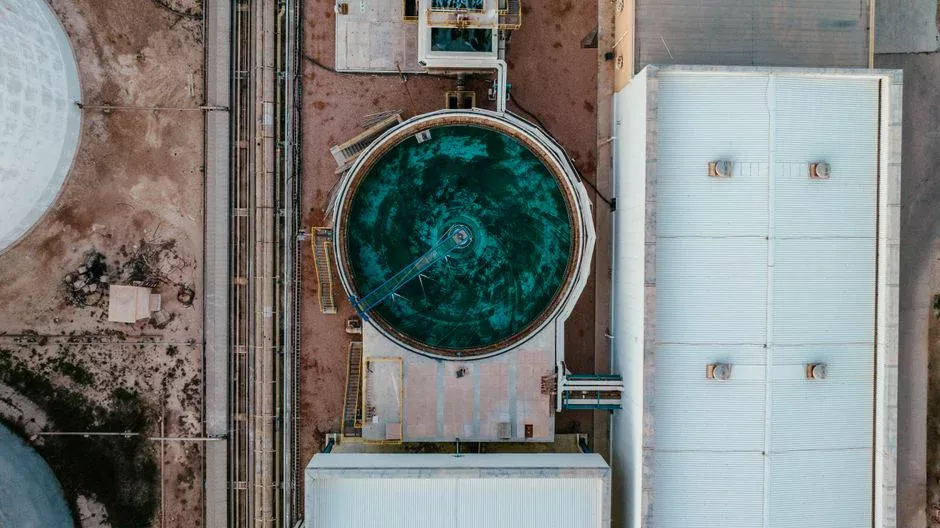
Step 1 — characterize the stream. Pull a 24-hour composite, not a grab sample, and quantify FOG fraction, TSS, BOD, COD, peak versus average flow, and the CIP schedule. FOG and surge behaviour are the two variables that drive the DAF-versus-clarifier call.
Step 2 — check the discharge point. Orrville POTW pretreatment limits or NPDES permit conditions vary by flow and industry code; the supplied research does not contain an Orrville numeric limit, so the engineer must confirm directly with the local authority before sizing.
Step 3 — apply the rule of thumb. FOG-dominant or pulse-loaded streams point to DAF as primary; settleable-TSS-dominant streams at steady flow point to a lamella clarifier. Many plants need both as a train — DAF primary, biological treatment, lamella or MBR polish — which is consistent with how McIlvaine groups these unit operations in U.S. food processor capex forecasts (McIlvaine 2018-04) and how Clearwater/SigmaDAF positions DAF as the first stage in a clarification train (Clearwater/SigmaDAF 2026-04). For a parallel sector view, the DAF vs clarifier decision guide for U.S. industry covers the same logic for a chemicals plant.
Step 4 — verify with jar testing and a short pilot before committing capex. The supplied research gives mechanisms and sizing ranges, not universal removal guarantees, and an Orrville plant's actual FOG/TSS split will determine whether the primary step is a DAF, a lamella, or both. For a broader 2026 pretreatment blueprint, the Food Processing Wastewater Treatment 2026 engineering guide lays out the same decision tree in a different geography.
Frequently Asked Questions
How much does a DAF system cost compared to a lamella clarifier for an Orrville food plant in 2026?
The supplied research does not publish a 2026 list price for either a DAF system or a lamella clarifier. Buyers should request a line-item quote that breaks out the tank or skid, the air-saturation package (for DAF), the chemical dosing skid, the headworks screen, and the plate-and-frame filter press for downstream sludge. HydropureWater DAF models cover 4–300 m³/h across 13 standard sizes, and the lamella spec cites up to 30% chemical reduction versus a conventional clarifier — both data points that should be priced in.
What is the standard flow range for a HydropureWater DAF, and how do I size one for a cheese whey or BBQ sauce line?
HydropureWater DAF units are offered in 13 standard models covering 4–300 m³/h (HydropureWater DAF spec). For a cheese whey, sauce, or bottling line, size to the peak hourly flow including CIP returns, not the daily average, and confirm with a 24-hour composite and jar test before ordering.
Can a lamella clarifier handle FOG from a dairy or sauce plant?
A lamella clarifier is designed for settleable TSS, not emulsified FOG. For FOG-dominant dairy, whey, or BBQ sauce streams, a DAF with 30–50 micron microbubbles is the proven primary step (Clearwater/SigmaDAF 2026-04); the lamella is better placed as a post-biological polishing step.
What headworks and chemical dosing do I need upstream of either system?
Both systems need a bar screen upstream to protect nozzles or plate packs, and both need a coagulant, pH adjust, and polymer flocculant dosing package. The HydropureWater GX rotary bar screen and the HydropureWater automatic chemical dosing skid are the typical headworks pair; flash mix in a serpentine flocculation tube is 15–45 seconds (Clearwater/SigmaDAF 2026-04).