Angola’s Food Processing Wastewater Challenge: Compliance, Costs, and Consequences
Food processing plants in Angola must treat wastewater to BOD <50 mg/L under INEA Decree 51/04, with fines up to $500,000 for non-compliance. Typical influent from meat, dairy, or beverage plants contains BOD 1,000–5,000 mg/L, TSS 500–3,000 mg/L, and FOG 200–1,000 mg/L. Dissolved Air Flotation (DAF) removes 95% of TSS and 70% of BOD, while Membrane Bioreactors (MBR) achieve <20 mg/L BOD and 99% pathogen reduction—critical for water reuse in water-scarce regions like Luanda. For plant managers, the financial risk of non-compliance is immediate; in 2023, a Luanda-based dairy facility was fined $120,000 by the National Environmental Management Agency (INEA) after its effluent was recorded at a BOD of 220 mg/L, more than four times the legal limit.
Operating in Angola presents unique logistical and economic hurdles. Energy costs average $0.12/kWh, making aeration-heavy processes expensive, while chemical supply chains in remote areas like Cabinda or Soyo are often inconsistent. procurement managers must account for 30–45 day lead times for imported critical components. Despite these challenges, the ROI on compliant systems is driven by the avoidance of massive fines and the recovery of resources. A fish processing plant in Cabinda recently demonstrated this by implementing a DAF system for high-FOG food processing wastewater followed by aerobic treatment, successfully reducing BOD from 3,200 mg/L to 45 mg/L and avoiding $280,000 in projected annual penalties.
| Parameter | Typical Influent (Meat/Dairy) | INEA Decree 51/04 Limit | Typical Violation Penalty |
|---|---|---|---|
| BOD₅ (mg/L) | 1,000 – 5,000 | < 50 | Up to $500,000 |
| TSS (mg/L) | 500 – 3,000 | < 30 | Plant Shutdown Orders |
| FOG (mg/L) | 200 – 1,000 | < 15 | Environmental Remediation Costs |
| pH | 4.0 – 10.0 | 6.0 – 9.0 | Daily Non-compliance Fees |
How Food Processing Wastewater Differs from Other Industrial Effluents
Food processing effluent typically exhibits a Chemical Oxygen Demand (COD) to BOD ratio of 1.5 to 2.5, significantly higher than the 1.0 ratio found in standard municipal sewage. This high organic concentration requires significantly longer hydraulic retention times (HRT) and specialized biological cultures to achieve stabilization. Unlike the steady flow of oil and gas produced water, food plant wastewater is characterized by extreme variability. Meat processing facilities may see massive spikes in organic load during slaughtering shifts, while beverage plants experience seasonal peaks, such as the tomato processing surge between August and October.
Nutrient imbalance is another critical differentiator. While municipal systems often have a balanced BOD:N:P ratio of 100:5:1, dairy wastewater often presents a ratio closer to 100:5:0.5, necessitating supplemental phosphorus to maintain biological health. the presence of Fats, Oils, and Grease (FOG) is a major operational hazard. Meat plants in Angola generate approximately 3–5 kg of FOG per ton of product processed. Without effective pre-treatment, these lipids coat biological media and membranes, leading to system failure. Use of cost comparison of DAF and API separators for food plant pre-treatment reveals that DAF is the only viable option for these high-FOG loads.
| Sub-Sector | Primary Pollutant | Organic Load (COD mg/L) | Nutrient Profile |
|---|---|---|---|
| Meat Processing | FOG, Blood, Protein | 3,000 – 10,000 | High Nitrogen (N) |
| Dairy & Milk | Lactose, Fats | 2,000 – 6,000 | Low Phosphorus (P) |
| Beverage/Brewery | Sugars, Spent Grain | 1,500 – 4,000 | High Carbon, Low N/P |
| Fruit/Vegetable | Starches, Soil | 1,000 – 5,000 | High TSS, Variable pH |
Technology Comparison: DAF vs MBR vs Anaerobic Digestion for Food Processing Wastewater
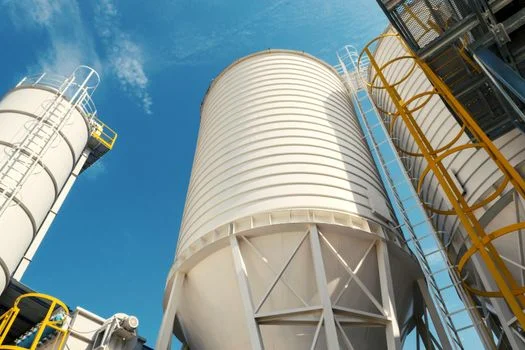
Selecting between Dissolved Air Flotation (DAF) and Membrane Bioreactors (MBR) depends on whether the primary objective is primary solids removal or high-quality water reuse. DAF systems are the industry standard for pre-treatment in meat and dairy plants because they remove up to 95% of TSS and FOG, reducing the load on downstream biological stages. For plants in Luanda where water costs are rising, Integrated MBR systems for reuse-quality effluent in food processing offer the ability to recycle water for cooling towers or floor washing, achieving BOD levels <20 mg/L and near-total pathogen removal.
Anaerobic digestion is the most energy-efficient solution for high-strength streams (BOD >2,000 mg/L), producing 0.3–0.5 m³ of biogas per kg of COD removed. While the CapEx is higher, the biogas can be used to offset the $0.12/kWh energy costs common in Angola. Many modern facilities utilize hybrid systems: a DAF unit for initial FOG removal, followed by anaerobic digestion for organic reduction, and an MBR for final polishing. This multi-stage approach ensures 99% compliance reliability and minimizes sludge production by up to 50% compared to traditional activated sludge plants.
| Technology | BOD Removal % | CapEx (per m³/day) | OpEx (per m³) | Best Application |
|---|---|---|---|---|
| DAF | 60 – 75% | $80 – $300 | $0.15 – $0.30 | Pre-treatment (FOG/TSS) |
| MBR (Submerged) | 95 – 99% | $200 – $800 | $0.40 – $0.80 | Water Reuse / Tight Limits |
| Anaerobic Digestion | 70 – 90% | $150 – $500 | $0.10 – $0.25 | High-strength / Energy Recovery |
Engineering Specs for Food Processing Wastewater Treatment in Angola
Design parameters for food processing wastewater systems in Angola must account for high ambient temperatures and the $0.12/kWh cost of aeration energy. For DAF systems, a hydraulic loading rate of 5–10 m/h is standard, with an air-to-solids ratio of 0.02–0.06. Chemical conditioning is essential; typically, a PLC-controlled chemical dosing for pH adjustment and coagulation is used to maintain a pH between 6.5 and 8.5, with PAC doses ranging from 50–200 mg/L depending on the specific organic load.
For MBR systems, engineers must design for a Mixed Liquor Suspended Solids (MLSS) concentration of 8,000–12,000 mg/L to handle high organic loading rates. The membrane flux should be maintained at 15–25 LMH (liters per square meter per hour) to prevent fouling in the high-FOG environment of food plants. According to a 2023 study by SGS Angola, anaerobic systems in the region require a Hydraulic Retention Time (HRT) of 15–30 days due to the complex nature of food proteins and fats, with a COD loading rate of 5–10 kg/m³/day to ensure stable biogas production.
| System Component | Design Parameter | Typical Value (Food Effluent) | Angola-Specific Adjustment |
|---|---|---|---|
| DAF Unit | Hydraulic Loading | 5 – 10 m/h | Increase for peak surge flows |
| MBR Tank | Aeration Demand | 0.6 – 1.2 kg O₂/kg BOD | VFDs required for $0.12/kWh cost |
| Anaerobic Digester | Biogas Yield | 0.35 m³/kg COD | Insulation for temperature stability |
| Dosing System | Polymer Dose | 2 – 5 mg/L | Corrosion-resistant materials |
Cost Breakdown: CapEx, OpEx, and ROI for Angola’s Food Processing Plants

The capital expenditure (CapEx) for a 100 m³/day wastewater treatment plant in Angola ranges from $80,000 for basic DAF systems to over $800,000 for advanced MBR units. Procurement managers must factor in an additional 15–20% for logistics to regions like Cabinda or Soyo, alongside 10% for import duties. However, the operational expenditure (OpEx) is where the long-term value is determined. With energy at $0.12/kWh and sludge disposal costs reaching $150/ton in some provinces, choosing a system that minimizes waste and power consumption is critical.
The Return on Investment (ROI) is primarily driven by fine avoidance. With INEA Decree 51/04 penalties reaching $500,000, a $300,000 DAF system often pays for itself in less than 12 months if it prevents a single major fine. Secondary ROI drivers include water reuse savings, which can save $0.50–$1.00/m³ in municipal water purchases. A case study of a Luanda-based meat processor showed that a 50 m³/h DAF system paid back in 2.5 years through a combination of fine avoidance and the recovery of FOG, which was sold to a local soap manufacturer.
| Cost Category | DAF (100 m³/day) | MBR (100 m³/day) | Anaerobic (100 m³/day) |
|---|---|---|---|
| Estimated CapEx | $120,000 | $450,000 | $350,000 |
| Annual Energy Cost | $8,500 | $28,000 | $4,000 (Net) |
| Annual Chemical Cost | $12,000 | $4,500 | $3,000 |
| Payback Period | 1.5 – 2.0 Years | 3.5 – 5.0 Years | 3.0 – 4.5 Years |
Vendor Shortlist: Top 5 Wastewater Treatment Suppliers for Angola’s Food Processing Sector
The Angolan wastewater treatment market is served by a mix of local engineering firms and international equipment manufacturers with established logistics chains in Luanda and Cabinda. Selecting a vendor requires balancing technical sophistication with local support capabilities. While some international brands offer superior membrane technology, local firms often provide faster response times for spare parts and chemical refills, which are critical for maintaining compliance under INEA scrutiny.
| Supplier | Core Strength | Typical Project Size | Best For... |
|---|---|---|---|
| EcoTech Solutions | Local Engineering Support | 10 – 200 m³/h | Quick deployment in Luanda/Huíla |
| Sustainable Water Works | Integrated Air/Water Control | 50 – 500 m³/h | Large-scale dairy and rendering |
| ForeverPure | UV/Chemical-free treatment | 10 – 100 m³/h | Beverage plants and bottling |
| HydropureWater | Containerized MBR/DAF | 5 – 50 m³/h | Remote meat plants & Soyo sites |
| SGS Angola | Compliance & Process Design | Consulting only | Audits and system sizing |
Frequently Asked Questions
What are the INEA Decree 51/04 limits for food processing wastewater?
Under the current decree, food processing effluent must meet BOD <50 mg/L, TSS <30 mg/L, FOG <15 mg/L, and a pH between 6 and 9. Additionally, there must be no detectable pathogens if the water is discharged near agricultural or residential zones.
How much does a DAF system cost for a 100 m³/h food plant in Angola?
A standard DAF system for this capacity typically requires a CapEx of $250,000–$400,000. OpEx generally runs between $0.20 and $0.35 per m³, including energy at $0.12/kWh and chemical coagulants.
Can MBR systems handle high-FOG wastewater from meat plants?
Yes, but they must be preceded by a DAF unit. MBR membranes are highly sensitive to grease; pre-treatment must reduce FOG to <500 mg/L (preferably <50 mg/L) to prevent irreversible fouling and high maintenance costs. For more details, see the detailed engineering specs for MBR systems in food processing.
What’s the payback period for anaerobic digestion in a dairy plant?
For a 200 m³/day system, the payback is typically 3–5 years. This is achieved through a 50% reduction in sludge disposal fees and the utilization of biogas, which can value approximately $0.25/m³ in terms of displaced energy costs.
Are there financing options for wastewater treatment systems in Angola?
The Angola Development Bank (BDA) provides environmental infrastructure loans with 5–7 year terms at interest rates of 8–10%, specifically for projects that ensure industrial compliance and water conservation.