How Industrial Sand Filters Work: Mechanics, Media Layers & Micron Removal
Industrial sand filters remove suspended solids down to 5–25 microns, with multi-media filters (anthracite, silica sand, garnet) achieving 95–98% TSS removal for cooling towers and food processing. Costs range from $12,000 for small systems (10 m³/h) to $250,000+ for high-flow multi-media filters (500 m³/h). Key specs: media effective size (0.35–1.2mm), backwash frequency (12–24 hours), and compliance with EPA 40 CFR Part 133 (30 mg/L TSS limit for municipal discharge).
Industrial sand filtration relies on depth filtration, where particles are captured throughout the entire thickness of the media bed rather than only at the surface. In a standard pressure sand filter, water enters the top of the vessel and flows under pressure through layers of granular media. Unlike surface filtration (such as screens or membranes), which clogs quickly with high Total Suspended Solids (TSS), depth filtration uses interstitial spaces between media grains to trap contaminants. This design supports higher solids-loading capacities before requiring a backwash cycle.
Media layering follows fluid mechanics and particle density principles. In multi-media filters, layers are arranged by decreasing porosity and increasing density, so larger particles are trapped in the top layer while finer particles are captured deeper in the bed. Without this gradation, the top layer would blind rapidly, causing a sharp increase in differential pressure.
| Media Type | Effective Size (mm) | Density (g/cm³) | Porosity (%) | Typical Layer Depth (mm) |
|---|---|---|---|---|
| Anthracite (Top) | 1.2 – 2.0 | 1.4 – 1.6 | 50 – 55 | 300 – 450 |
| Silica Sand (Middle) | 0.5 – 0.8 | 2.6 – 2.7 | 40 – 45 | 250 – 300 |
| Garnet (Bottom) | 0.3 – 0.4 | 3.8 – 4.2 | 35 – 40 | 75 – 150 |
Micron removal efficiency depends on the media's effective size and filtration velocity. Single-media filters typically capture particles in the 10–25 micron range. Multi-media filters achieve 5-micron filtration with proper vessel sizing and flow control (per HydropureWater field data, 2025). To maintain efficiency, the system must perform periodic backwashing. This process reverses flow at 10–15 m/h for 5–10 minutes, usually every 12–24 hours. Modern systems use under-drain distribution plates or header/lateral systems to ensure uniform backwash flow, preventing "dead zones" where bacteria or sludge can accumulate.
Single-Media vs. Multi-Media Filters: Performance, Costs & Use Cases Compared
Single-media and multi-media filters differ significantly in performance, cost, and suitability across industrial applications. Single-media filters, typically filled with silica sand, work well for consistent, low-turbidity influent but are prone to surface blinding, which increases backwash frequency and water waste. Multi-media filters address this by distributing solids load across multiple specialized layers.
| Feature | Single-Media Filter | Multi-Media Filter |
|---|---|---|
| Micron Rating | 10 – 25 microns | 5 – 10 microns |
| TSS Removal % | 85 – 92% | 95 – 98% |
| Media Layers | 1 (Silica Sand) | 3 (Anthracite, Sand, Garnet) |
| Backwash Frequency | High (4–8 hours) | Low (12–24 hours) |
| CAPEX Range | $10,000 – $80,000 | $15,000 – $250,000+ |
| Annual OPEX | Higher (Water/Energy waste) | Lower (Optimized cycles) |
| Best For | Cooling tower side-stream | Food processing, RO pretreatment |
In regulated environments like food processing, performance differences can impact compliance. A dairy plant in Wisconsin switched from a single-media system to HydropureWater multi-media filters for industrial water treatment. The change reduced effluent turbidity from 80 NTU to 3 NTU, eliminating $50,000 annually in municipal fines for exceeding discharge limits. Although the multi-media system required a larger vessel and higher initial investment, reduced discharge surcharges delivered a fast return on investment.
Single-media filters struggle with variable influent loads. A production spike that increases TSS can rapidly clog a single-media bed, leading to "short-cycling." Multi-media filters offer better resilience due to the high porosity of the anthracite layer, which captures most solids before the finer sand and garnet layers provide final polishing.
Industrial Sand Filter Costs: CAPEX, OPEX & ROI by Flow Rate (2025 Data)
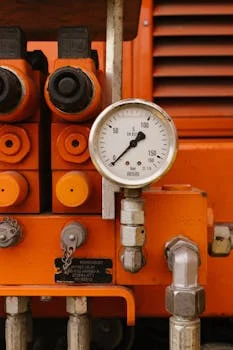
Industrial sand filter costs vary significantly based on flow rate, media type, and automation level. Procurement teams must evaluate sand filtration as part of a total cost of ownership (TCO) model. For 2025, pricing reflects stainless steel market trends and rising demand for automated backwash controllers. A standard system includes the pressure vessel, media suite, internal distribution plumbing, and an automated valve nest.
| Flow Rate (m³/h) | Filter Type | CAPEX ($) | Annual OPEX ($) | Media Replacement (5yr) | ROI (Years) |
|---|---|---|---|---|---|
| 10 – 50 | Multi-Media | $12,000 – $45,000 | $1,500 – $3,000 | $1,200 | 1.5 – 2.0 |
| 50 – 200 | Multi-Media | $45,000 – $120,000 | $4,000 – $8,000 | $4,500 | 2.0 – 3.0 |
| 200 – 500 | Multi-Media | $120,000 – $250,000+ | $10,000 – $22,000 | $12,000 | 2.5 – 4.0 |
CAPEX typically breaks down into four components: pressure vessel ($5,000–$50,000 depending on ASME stamp), media load ($1,000–$10,000), automation/PLC integration ($3,000–$20,000), and skid-mounted installation ($2,000–$15,000). OPEX is driven by backwash pump energy (0.5–2 kWh/m³ of treated water) and labor for monthly inspections. Media replacement is a major but infrequent cost, typically needed every 3 to 5 years based on influent solids abrasiveness.
ROI improves when mechanical solids removal reduces chemical use. A 100 m³/h multi-media filter costs about $80,000 upfront. By removing most suspended solids before chemical treatment, it saves $30,000 annually in coagulant and flocculant costs and avoids $20,000 in regulatory fines. This results in a 2.5-year payback, after which the system directly improves profitability.
Choosing the Right Sand Filter for Your Industry: Cooling Towers, Food Processing & Municipal Pre-Treatment
Industry-specific requirements determine filtration system specifications. In cooling tower applications, the goal is preventing sediment buildup in heat exchangers and controlling biological growth. Flow rates typically range from 200–500 m³/h, with filtration to 10–25 microns sufficient to meet ASHRAE 188 standards for Legionella risk management. Systems must support continuous side-stream operation to maintain low turbidity.
Food and beverage processing must comply with FDA 21 CFR Part 110, requiring sanitary design using 316L stainless steel vessels and food-grade media. These facilities face high TSS loads from wash-down cycles. Multi-media filters are critical to meet internal water quality targets and prevent fouling of industrial RO systems for ultra-pure water post-filtration.
Municipal pre-treatment and industrial discharge must meet EPA 40 CFR Part 133, which sets a 30 mg/L TSS limit for secondary treatment. For RO systems, Silt Density Index (SDI) is key. Multi-media filters are standard for reducing SDI below 3.0, the threshold to prevent irreversible membrane fouling. In pharmaceutical applications, sand filtration is the first stage in a multi-step process to achieve USP <645> conductivity standards, followed by activated carbon and deionization.
For complex wastewater streams, engineers may assess aerobic vs. anaerobic treatment for industrial wastewater to determine whether biological solids require post-filtration through sand media to meet discharge permits.
Common Sand Filter Problems & How to Troubleshoot Them
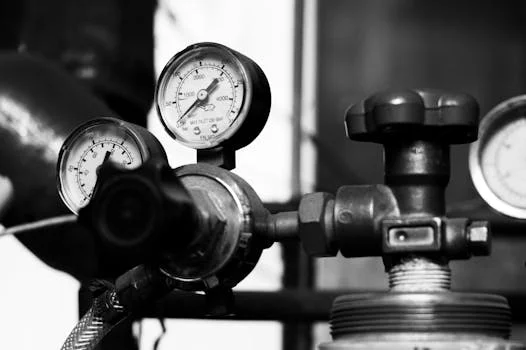
Mudballing occurs when oil, grease, or biological growth binds sand grains into clumps that resist fluidization during backwash. This often results from insufficient backwash flow (below 10 m/h). Solutions include increasing backwash duration or adding air scouring (3–5 m³/m²/min) to break up clumps. Integrating automated chemical dosing for sand filter optimization can prevent mudballing by neutralizing organic binders before they reach the media.
Channeling happens when water follows paths of least resistance through the media, bypassing filtration. It commonly occurs in single-media filters or those with damaged under-drains. A sudden rise in effluent turbidity may indicate surface craters or "rat holes." Fixing channeling requires redistributing media and inspecting support gravel layers. Using properly graded support layers helps prevent media shifting and maintains uniform flow.
Media loss during backwash appears as sand in the waste line and results from excessive backwash flow (over 15 m/h) or trapped air. Operators should calibrate backwash pumps and verify air release valves are working. If high effluent turbidity persists despite a clean bed, the media may be worn smooth from abrasion, losing its filtering ability. In such cases, full media replacement is necessary