Why Chennai Data Centers Treat Blowdown Differently from US Hyperscale
A Chennai data center typically needs a treatment train sized for 1–6 m³/hr of intermittent cooling tower and equipment blowdown at 1,200–6,000 mg/L TDS, built around TNPCB discharge consent under the Water (Prevention and Control of Pollution) Act, 1974. Because most Indian hyperscale facilities run closed-loop chilled-water systems — initial fill 3,000–10,000 L per MW and top-up 100–1,000 L per MW per year (US DOE / LinkedIn / ASSOCHAM, 2024) — the practical baseline is side-stream filtration, chemical conditioning, ultrafiltration, and brackish RO at 75–80% recovery, with optional MVC or crystallization for a zero-liquid-discharge finish where freshwater cost or discharge fees exceed $5–$15 per thousand gallons (Genesis Water Technologies, 2025).
The order-of-magnitude difference matters. US evaporative facilities are commonly benchmarked at 3–5 million gallons per MW per year (US DOE), which produces a continuous, large-volume blowdown stream. A closed-loop Chennai facility generates blowdown that is roughly 100–500× smaller in volume but 4–8× higher in dissolved solids (Genesis, 2025). Vendors quoting evaporative-scale equipment for a Siruseri or Sriperumbudur site routinely oversize the equalization tank and undersize the membrane train.
Chennai Metrowater supply adds a second layer: TDS typically 600–1,200 mg/L in many zones, intermittent pressure that drives on-site storage of 1–3 days, and the NE monsoon (Oct–Dec) as the practical window for freshwater replenishment. Regulated discharge routes through the Tamil Nadu Pollution Control Board under the Water Act, 1974, with the Consent to Operate (CTO) required for any discharge above 10 kL/day, and G.O. Ms. No. 213 inland surface water norms of TDS ≈2,100 mg/L and BOD 30 mg/L as the receiving-water benchmark. A 2026 LCA from Open Engineering Inc. finds reuse trains carry roughly 2× the GWP of freshwater cooling under the current Indian grid, but the indirect water penalty is <0.1% of the displacement benefit — so reuse is defensible on carbon grounds once the grid decarbonises.
What the Blowdown Stream Actually Looks Like in a Closed-Loop Chennai Facility
Chennai closed-loop blowdown is intermittent, chemistry-heavy, and dominated by corrosion-inhibitor residuals rather than raw hardness. A typical 30 MW facility running cycles of concentration (CoC) of 3–5 produces blowdown in 2–6 purge cycles per day, plus chiller and glycol-loop drains during seasonal turn-around. Equalization is therefore mandatory before any membrane step — an intermittent feed will foul a UF/RO train faster than a steady one at the same daily volume.
| Parameter | Typical blowdown range (closed-loop Chennai facility) | Source |
|---|---|---|
| pH | 7.5–9.0 | Genesis, 2025; HydropureWater field data, 2026 |
| TDS | 1,200–6,000 mg/L (4–8× make-up) | Genesis, 2025 |
| Conductivity | 1,800–9,000 µS/cm | HydropureWater field data, 2026 |
| TSS | 10–50 mg/L | Genesis, 2025 |
| Silica (SiO₂) | 20–80 mg/L | Genesis, 2025 |
| Calcium hardness (as CaCO₃) | 400–1,200 mg/L | Genesis, 2025 |
| Chloride | 300–1,500 mg/L | HydropureWater field data, 2026 |
| Residual oxidising biocide (Cl₂/ClO₂) | 0.1–1.0 mg/L | Genesis, 2025 |
| Phosphonate / azole corrosion inhibitor | 5–30 mg/L | Genesis, 2025 |
Two flags for the engineer. First, Chennai chloride concentrations concentrate aggressively through the cooling tower, so even closed-loop systems run CoC of only 3–5 before stainless and galvanized components start suffering under-deposit corrosion. Second, legacy phosphate- or chromate-based cooling-water programs, if present, must be replaced before any RO is commissioned — orthophosphate will foul BWRO membranes within hours, and hexavalent chromium disqualifies the concentrate from any reuse or sewer-discharge pathway. Budget a chemistry-swap project alongside the membrane train; skipping this step is the single most common reason Indian reuse skids fail to meet permeate TDS in the first 90 days.
The 2026 Treatment Train: Pretreatment → UF → BWRO with Optional ZLD Polish
- Equalization and multi-media filtration. A 1–6 m³/hr intermittent stream needs 8–24 hours of equalization to feed the membranes at steady-state; downstream, a multi-media filter for RO pretreatment brings TSS below 5 mg/L and Silt Density Index below 5 across the 10–200 m³/h envelope typical of a single skid.
- Chemical conditioning. A PLC-controlled antiscalant and acid dosing skid handles three jobs at once: sulphuric acid for LSI control to keep CaCO₃ in solution, a silica/calcium-sulphate-tolerant antiscalant at 2–5 mg/L, and sodium metabisulphite (SMBS) at 3× the oxidiser residual to protect the polyamide RO membrane.
- Ultrafiltration. A hollow-fibre ultrafiltration skid with 0.03 µm PVDF membranes, 90–95% recovery, and automatic backwash plus air scour feeds the RO at SDI <3. The UF is sized 1.05–1.10× the RO feed flow to absorb backwash and CIP downtime without starving the RO.
- Brackish RO. A single-pass industrial RO system at 75–80% recovery is the baseline for Chennai feed chemistry; permeate TDS lands at 10–50 mg/L at 150–400 psi, suitable for direct cooling-tower make-up. Pushing beyond 80% recovery on a single stage risks silica and CaSO₄ scaling that chemistry alone cannot hold back.
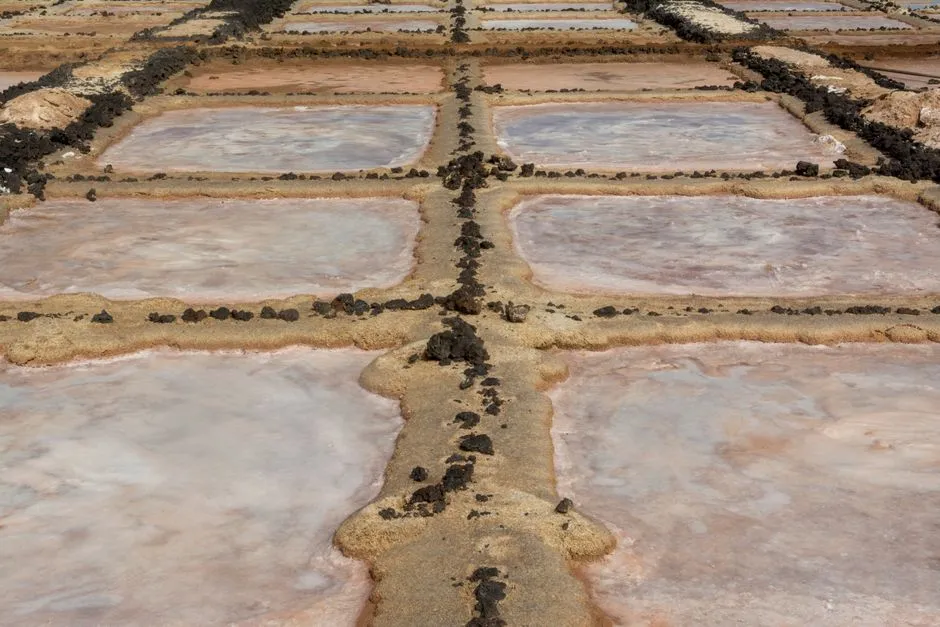
- ZLD polish (optional). RO concentrate routed to a Mechanical Vapor Compressor at 95–98% recovery hits the 95–99% overall recovery ceiling for sites where TNPCB refuses discharge consent or freshwater is priced above ₹0.50/L sustained. A brine crystallizer converts the MVC bottoms to a solid cake for hazardous-waste disposal.
- Disinfection of permeate and reused water. A pipeline UV steriliser for reused permeate at 40 mJ/cm² handles biological control without chemicals, while an on-site chlorine dioxide generator covers the cooling-tower side-stream where a residual oxidiser is needed to satisfy TNPCB reuse-path microbial limits.
- Sludge handling. UF backwash and RO CIP waste settle in a sludge tank, then a plate-and-frame filter press for backwash and CIP solids dewaters the slurry to >22% dry solids; supernatant returns to equalization and the cake goes for TSDF disposal.
For a high-recovery comparison beyond the standard 75–80% BWRO, the IDE MAXH₂O architecture (95% recovery) and Genesis Zeoturb / Genclean-S chemistry programs are credible reference points — but neither is sized for Chennai Metrowater chemistry in published case studies, so treat their economics as directional.
Choosing Between Reuse, Partial Discharge and Zero Liquid Discharge
The decision is driven by two numbers: daily blowdown volume, and the marginal cost of either freshwater or TNPCB discharge consent. A comparison matrix is the fastest way to brief a CAPEX committee.
| Parameter | Reuse (RO permeate to cooling make-up) | Partial discharge (RO + brine to sewer under TNPCB consent) | ZLD (RO + MVC + crystallizer) |
|---|---|---|---|
| Overall water recovery | 60–85% | 75–85% | 95–99% (Genesis, 2025) |
| Typical CAPEX (50,000 GPD / 190 m³/day basis) | ₹2–4 Cr ($250K–$500K) | ₹2–4 Cr + TNPCB consent fees | ₹25–66 Cr ($3–8M total) |
| OPEX | ₹0.10–0.21/L ($1.50–$3.00/kgal) | ₹0.10–0.21/L + discharge fee | ₹0.35–1.05/L ($5–$15/kgal) |
| Energy intensity | 0.8–1.5 kWh/m³ permeate | 0.8–1.5 kWh/m³ permeate | 60–95 kWh/m³ feed (MVC at 15–25 kWh/kgal distillate, Genesis 2025) |
| Brine stream | None — concentrate to sewer under consent or further polish | 20–25% of feed as brine, TNPCB-permitted | None — solids only |
| Decision trigger | Blowdown > 50 m³/day and freshwater or potable cost rising | Discharge consent granted, sewer within 5 km | TNPCB refuses consent or freshwater cost > ₹0.50/L sustained |
Chennai hyperscale projects in the Siruseri and Sriperumbudur SIPCOT zones are increasingly specifying reuse + a brine evaporation pond as a middle path — the recovery sits around 90% without the MVC CAPEX, and the land cost in those industrial parks is still low enough to make a lined pond workable. This is a distinctly Indian solution that does not appear in any US benchmark.
Worked Sizing Example: 30 MW Closed-Loop Facility in Siruseri

Assume 30 MW IT load, closed-loop chilled water, top-up 1,000 L/MW/year = 30,000 L/day ≈ 1.25 m³/hr make-up. At CoC 4, the cooling-tower blowdown is approximately 0.3 m³/hr continuous, with chiller and glycol-loop drains adding 0.5 m³/hr intermittent. Design for 1.5 m³/hr peak and 1.0 m³/hr average.
Equipment sizing:
- Equalization tank: 25 m³ (≈17 hr at average flow) with mixers and level instrumentation.
- Multi-media filter: 1.5 m³/hr, FRP vessel, automatic backwash on differential pressure.
- Antiscalant and acid dosing skid: 0.5 m³/hr antiscalant pump, 0.3 L/hr sulphuric acid pump, 3 mg/L SMBS for residual oxidiser.
- Ultrafiltration skid: 1.5 m³/hr, 0.03 µm PVDF, 92% recovery → 1.38 m³/hr RO feed.
- Industrial RO system: 1.38 m³/hr feed, 75% recovery → 1.04 m³/hr permeate to cooling-tower make-up, 0.34 m³/hr concentrate to TNPCB-permitted discharge or MVC polish.
- Plate-and-frame filter press: 5 m³/day backwash + CIP volume, 0.5 m² filter area, 22% dry-solids cake.
Estimated CAPEX for the reuse train alone is ₹1.5–2.2 Cr; adding a ZLD finish (MVC + crystallizer) adds ₹6–9 Cr. OPEX for the reuse option lands at approximately ₹0.15/L treated, dominated by membrane replacement (≈20% of OPEX), energy at ₹8/kWh, and antiscalant at ₹120–180/kg. The numbers translate cleanly from the Genesis ($1.50–$3.00/kgal) benchmark at the current ₹83/USD reference rate. For cross-validation against another geography, the data center cooling blowdown treatment in Hong Kong guide uses a similar BWRO envelope with a different make-up TDS profile, and a RO membrane system vs alternatives comparison explains where BWRO stops making sense at higher feed TDS.
TNPCB Consent Pathway and Monitoring for a Chennai Data Center
The consent pathway runs in two stages under the Water Act, 1974. Consent to Establish (CTE) under Section 25 covers the plant and equipment; Consent to Operate (CTO) follows commissioning and is typically issued by TNPCB within 90–120 days for a data-center category in Tamil Nadu. A site discharging more than 10 kL/day, or operating a ZLD with a hazardous-waste stream, also needs consent under the Hazardous Waste Rules — file both in parallel to avoid a 6-month delay.
Monitoring expectations for a Chennai data center running the train above:
- Online magnetic-flow meter on the discharge line, with totalised daily volume logged to TNPCB's OCEMS portal.
- Online pH, conductivity, and TSS on the RO concentrate and final discharge streams.
- Monthly composite sampling for TDS, BOD, COD, chloride, sulphate, and residual chlorine; analysis at a TNPCB-approved lab.
- Quarterly TNPCB submission in the prescribed Form-IV format, with annual renewal of CTO.
Facilities that achieve ZLD can apply for consent renewal with reduced sampling frequency and lower consent fees — a material IRR improvement that, on a 30 MW project at the worked-example flow rates, often pays back the MVC CAPEX within 5–7 years once freshwater cost and discharge fees are netted out. The digital water market outlook 2026 discusses how online multi-parameter monitoring (KETOS SHIELD-style or equivalent) satisfies TNPCB's OCEMS expectations at far lower labour cost than manual sampling for sites above 100 kL/day throughput. For a Mediterranean climate comparison with different consent drivers, see the data center wastewater treatment in Athens, Greece reference.
Frequently Asked Questions
What is the typical blowdown flow rate from a 30 MW closed-loop data center in Chennai?
Approximately 1.0 m³/hr average and 1.5 m³/hr peak. This assumes 1,000 L/MW/year top-up, CoC 4, and intermittent chiller/glycol-loop drains added to the cooling-tower blowdown stream.
What TDS range should the BWRO system be sized for in a Chennai facility?
Blowdown TDS typically lands between 1,200 and 6,000 mg/L (4–8× make-up) at the closed-loop CoC range of 3–5. A single-pass brackish RO at 75–80% recovery will deliver 10–50 mg/L permeate for cooling-tower make-up.
Does a Chennai data center need TNPCB Consent to Operate for cooling-tower blowdown discharge?
Yes. Any facility discharging more than 10 kL/day of effluent to inland surface water or sewer requires CTO under Section 25 of the Water (Prevention and Control of Pollution) Act, 1974; typical TNPCB processing time is 90–120 days.
When does zero liquid discharge make economic sense for a Chennai hyperscale site?
ZLD becomes defensible when TNPCB refuses discharge consent or when sustained freshwater cost exceeds ₹0.50/L. At current ₹/USD, ZLD OPEX of ₹0.35–1.05/L ($5–$15/kgal) is offset by avoided freshwater and discharge fees over a 5–7 year payback on the MVC + crystallizer CAPEX.
Which pretreatment step is most often under-specified for Chennai blowdown reuse?
Equalization. The blowdown is intermittent (2–6 purge cycles per day plus seasonal drains), so a tank sized for 8–24 hours of average flow is mandatory before the multi-media filter and UF; skipping it causes RO membrane fouling within the first 30–60 days of operation.