
Why Mall Wastewater Is Harder Than It Looks
Restaurants inside retail malls generate approximately 7 litres of wastewater per meal served, creating a highly concentrated stream of fats, oils, and grease (FOG), proteins, and salts (source: Biocellwater market study). Shopping mall wastewater sludge treatment is a four-stage train — 1–6 mm screening, DAF for FOG and suspended solids, biological treatment (MBR, SBR or MBBR), and tertiary polishing — that drops COD by roughly 85–95% and produces a thickened sludge which is then dewatered with a plate-and-frame filter press to 20–30% dry solids for off-site disposal or reuse. Containerised STP packages from 1–300 m³/h now cover most retail assets; compliance is driven by local sewer-use consent (UK EA, US EPA pretreatment, EU UWWTD 91/271/EEC, India CPCB).
Mall wastewater is a highly complex, blended stream. It combines high-strength FOG from food court tenants, hair and synthetic fibres from salons, lint and high-pH surfactants from commercial laundries, petroleum hydrocarbons from car-wash kiosks, and highly variable sanitary flows from public washrooms. Because of this mixed source profile, a 2,000-cover food court alone adds 10 to 14 m³/d of high-strength, grease-laden sewage to the system. This load is concentrated during specific operating hours rather than distributed evenly throughout the day.
A peak-to-base flow ratio of 3:1 is standard for retail developments. Typically, wastewater generation remains near zero overnight, surges when the mall opens at 10:00, and peaks sharply at 13:00 and 18:00. Designing an equalization tank based strictly on average daily flow leads to hydraulic undersizing and process washouts. Under UK codes of practice, mall owners are legally designated as the "waste holder" and hold the direct discharge consent. Non-compliance carries severe financial penalties and operational license risks. To design defensively, engineers must use a realistic design envelope: 20 to 80 L per visitor daily, with raw influent concentrations of 250 to 800 mg/L BOD, 500 to 1,500 mg/L COD, 50 to 200 mg/L FOG, and 200 to 600 mg/L TSS (source: Neoakruthi process data).
Influent Characterisation and Sampling Plan
Accurate hydraulic sizing of a retail sewage plant requires continuous sampling over a minimum of 7 consecutive days to capture the 300% flow variations between weekday low-occupancy periods and weekend peaks. Sizing an STP based on a single grab sample leads to severe biological shocks or membrane fouling due to unquantified surfactant and FOG spikes. Engineers must install an electromagnetic flow meter and an autosampler at the main mall discharge chamber prior to any municipal sewer connection.
The sampling protocol must combine 24-hour flow-proportional composite samples with targeted 4-hour grab samples collected during peak food-court trading hours (11:30 to 13:30 and 18:00 to 20:00). These grab samples are essential to capture maximum FOG and surfactant concentrations, which are often masked in 24-hour composites. Laboratory analysis must cover Biochemical Oxygen Demand (BOD5), Chemical Oxygen Demand (COD), Total Suspended Solids (TSS), Fats, Oils, and Grease (FOG), Total Nitrogen (TN), Ammonia (NH3-N), Total Phosphorus (TP), pH, temperature, and anionic/non-ionic surfactants.
For the hydraulic design of preliminary screens and flotation units, engineers must apply a peaking factor of 1.5× to 2.0× to the calculated average daily flow. if any single tenant (such as an anchor supermarket with in-house butchery, a commercial laundry, or a multi-screen cinema) contributing to the system discharges more than 20% of the total design organic load, local sewer-use rules require a dedicated trade-effluent pre-treatment agreement and separate monitoring before blending into the main STP equalization tank.
Treatment Train: From Bar Screen to Polished Effluent

Primary and physical pretreatment stages in commercial retail systems must remove over 60% of suspended solids and up to 90% of free fats, oils, and grease before the wastewater enters biological reactors (source: Neoakruthi process data). This high efficiency is required to protect downstream membranes or biofilm carriers from grease coating and rapid performance loss.
The preliminary stage begins with a rotary mechanical bar screen (GX-type continuous fine screen) featuring 1 to 6 mm stainless steel rake teeth and an integrated brush discharge mechanism to remove hair, wet wipes, and plastic fragments. The screened influent then enters a primary settling stage or a high-efficiency lamella clarifier to settle out heavy inorganic grit and up to 65% of large suspended organic solids (per Neoakruthi technical specifications).
To target emulsified grease and fine suspended solids, the wastewater is pumped to a Dissolved Air Flotation (DAF) system. This unit introduces micro-fine air bubbles (20 to 50 microns) that attach to FOG and TSS particles, floating them to the surface. While some containerised DAF vendors claim up to 90% COD reduction through flotation, conservative engineering designs should assume 70% to 80% FOG removal and 50% to 60% COD reduction at this stage, sizing the unit for a hydraulic loading rate of 10 to 20 m³/m²·h and a retention time of 30 to 60 seconds.
The biological secondary stage utilizes an MBR membrane bioreactor system, which is highly suited for retail applications because of its ability to operate at elevated Mixed Liquor Suspended Solids (MLSS) concentrations of 8,000 to 12,000 mg/L. This high biomass concentration provides a buffer against rapid organic loading swings. Finally, the tertiary loop utilizes ultrafiltration (0.1 to 0.03 µm PVDF membranes) followed by UV disinfection to produce high-quality water suitable for toilet flushing and cooling tower make-up.
| Wastewater Parameter | Raw Influent Range (mg/L) | Post-DAF Pretreated (mg/L) | Final Effluent Target (mg/L) | Overall Target Removal (%) |
|---|---|---|---|---|
| Biochemical Oxygen Demand (BOD5) | 250 – 800 | 150 – 400 | < 5 – 10 | 98.5% |
| Chemical Oxygen Demand (COD) | 500 – 1,500 | 250 – 600 | < 30 – 50 | 96.0% |
| Total Suspended Solids (TSS) | 200 – 600 | 60 – 150 | < 2 – 5 | 99.0% |
| Fats, Oils, and Grease (FOG) | 50 – 200 | 5 – 15 | < 1 – 2 | 98.0% |
| Surfactants (MBAS) | 10 – 40 | 8 – 30 | < 1.0 | 95.0% |
Sludge Mass Balance and Dewatering Selection
Dewatering mixed biological and chemical DAF sludge using a plate-and-frame filter press reduces the total wet sludge volume by approximately 75% compared to conventional gravity thickening (source: HydropureWater mechanical testing). This volume reduction significantly lowers off-site disposal costs and minimizes the footprint required for sludge storage.
To illustrate the mass balance, consider a medium-sized retail asset generating 80 m³/d of influent with an average raw TSS concentration of 400 mg/L. Assuming a primary clarifier and DAF capture efficiency of 80%, the primary sludge yield is calculated as follows:
80 m³/d × 0.400 kg TSS/m³ × 0.80 capture × 1.2 conversion factor = 38.4 kg DS/d (Dry Solids per day)
The DAF unit generates a float sludge consisting of fats, grease, and coagulated solids. Assuming a DAF chemical sludge yield of 3% of the total influent flow at a dry solids concentration of 3% (30,000 mg/L), the DAF float produces:
2.4 m³/d DAF float × 30 kg DS/m³ = 72 kg DS/d
Combining the primary, chemical, and secondary biological sludge yields a total daily solids mass of approximately 110 kg DS/d at a combined dilute concentration of 1.5% solids. Pumping this directly to dewatering is highly inefficient. Incorporating a high-efficiency lamella clarifier or rotary drum thickener concentrates this mixture to 4% to 6% dry solids, reducing the total wet sludge volume by 2.5 times before mechanical dewatering.
For shopping mall wastewater sludge treatment, a recessed plate-and-frame filter press is the standard selection. Unlike centrifuges or belt presses, which struggle with the sticky, grease-rich characteristics of retail sludge, a plate-and-frame press uses high-pressure filtration (typically 6 to 15 bar) to squeeze out water, consistently achieving 20% to 30% dry solids cake. This press operates on a batch basis, allowing facilities to run dewatering during a single daytime shift. The sludge storage tank must be sized to hold a minimum of 3 days of thickened sludge (approximately 6 to 8 m³ for this scenario) to decouple daily biological operations from the dewatering shift schedule.
Process Selection: MBR vs SBR vs MBBR for Retail Duty
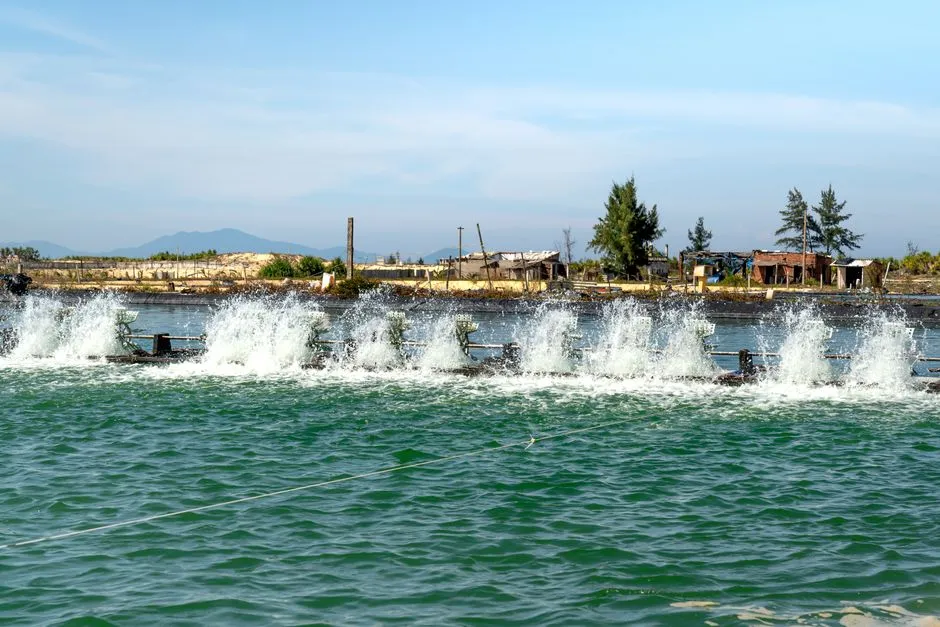
Biological process selection for shopping mall wastewater must accommodate instantaneous organic shock loads that frequently exceed 200% of the baseline design concentration during peak weekend dining hours. Selecting the wrong biological process leads to filamentous sludge bulking, poor settling in clarifiers, or high effluent turbidity.
A direct MBR vs extended aeration comparison shows that Membrane Bioreactor (MBR) systems provide a 60% reduction in physical footprint while delivering superior effluent quality (TSS < 5 mg/L, BOD < 10 mg/L). This performance is achieved by replacing gravity clarifiers with physical membrane barriers. For tight basement installations or developments targeting local water reuse, MBR is highly effective. However, it requires rigorous pre-treatment to prevent hair and grease from fouling the membranes.
Sequencing Batch Reactors (SBR) operate on a time-controlled batch cycle (fill, react, settle, decant) within a single basin, eliminating the need for external clarifiers. SBRs are highly flexible and cost-effective for mid-sized malls (100 to 500 m³/d) with sufficient footprint, though they require precise automated controls to manage variable cycle times during high-flow weekend events.
Moving Bed Biofilm Reactors (MBBR) utilize free-floating plastic carriers to support biofilm growth. This attached-growth process is highly resilient to both hydraulic surges and toxic surfactant shocks. While MBBR is simple to operate and handles retail flow swings well, its effluent typically contains 20 to 30 mg/L of TSS, requiring a downstream secondary clarifier or disc filter to meet strict discharge limits.
| Process Parameter | Membrane Bioreactor (MBR) | Sequencing Batch Reactor (SBR) | Moving Bed Biofilm Reactor (MBBR) |
|---|---|---|---|
| Footprint Index | Very Low (1.0) | Medium (2.5) | Low to Medium (1.8) |
| Shock Load Tolerance | High (MLSS up to 12,000 mg/L) | Moderate (cycle-dependent) | Excellent (attached biofilm) |
| Typical Effluent TSS | < 1 – 5 mg/L | 15 – 30 mg/L | 20 – 40 mg/L (pre-filtration) |
| Operator Skill Required | High (membrane management) | Medium (PLC automation) | Low (robust biofilm) |
| Relative Capital Cost | 1.4x | 1.0x (Baseline) | 1.1x |
| Sludge Yield Factor | Low (0.3 – 0.4 kg MLSS/kg COD) | Medium (0.5 – 0.6 kg MLSS/kg COD) | Medium (0.45 – 0.55 kg MLSS/kg COD) |
Containerised vs Civil-Build for a Mall
Prefabricated containerised sewage treatment plants reduce on-site civil construction timelines by up to 40% compared to traditional cast-in-place concrete basins (source: HydropureWater engineering delivery data). For retail developers, this reduction in site activity accelerates the overall project schedule and minimizes coordination issues on active construction sites.
An underground package sewage treatment plant (such as a WSZ series containerised module) is highly suited for retail developments ranging from 20,000 to 100,000 m². These systems package the screening, DAF, biological reactors, and membrane filtration into standard 20-foot or 40-foot ISO container footprints. They can be installed within basement utility rooms, parking structures, or service yards, minimizing the loss of valuable retail leasing space.
Conversely, civil-build concrete structures are typically reserved for large-scale regional shopping centres discharging more than 500 m³/d. Concrete installations offer long-term structural durability and can be custom-configured to fit irregular site boundaries. However, they require significant excavation, formwork, and water-tightness testing, which can extend construction timelines by 6 to 9 months.
Many modern retail developments adopt a hybrid design. This approach utilizes a concrete underground equalization tank to handle peak hydraulic surges, combined with skid-mounted or containerised MBR and DAF units located in a ground-level service yard. This configuration reduces civil construction costs by approximately 30% while retaining the flexibility of modular equipment expansion as mall occupancy increases.
2026 Compliance and Discharge Limits
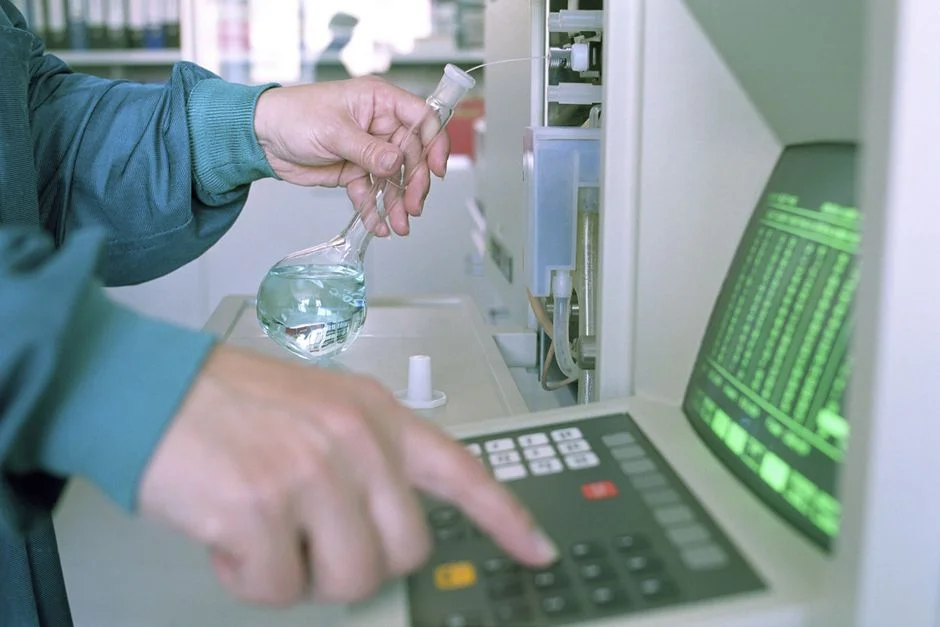
Under current 2026 regulatory frameworks, shopping mall operators are legally classified as waste holders, making them directly liable for meeting stringent local sewer-use and environmental discharge consents (source: UK EA guidelines). Discharging untreated or poorly treated retail wastewater into municipal sewers or surface waters carries significant compliance risks, including operational shutdowns and substantial fines.
In the United Kingdom, discharge consents are governed by the Environment Agency (EA) under the Environmental Permitting Regulations. For retail facilities discharging directly to surface waters, typical consent limits require BOD5 < 20 mg/L, TSS < 30 mg/L, and NH3-N < 5 mg/L. Engineers can consult the London effluent treatment plant buyer's guide or the Birmingham effluent treatment plant buyer's guide for localized municipal sewer-use limits and trade-effluent charging structures (such as the Mogden Formula).
Across the European Union, the Urban Waste Water Treatment Directive (UWWTD) 91/271/EEC establishes strict limits for commercial developments located in sensitive areas, requiring total phosphorus limits of < 1.0 mg/L and total nitrogen limits of < 10 mg/L. In the United States, the EPA's 40 CFR Part 403 General Pretreatment Regulations mandate that commercial facilities pretreat their waste to prevent "pass-through" or "interference" at the local Publicly Owned Treatment Works (POTW), typically enforcing a strict FOG limit of < 100 mg/L at the property boundary.
In India, the Central Pollution Control Board (CPCB) and State Pollution Control Boards (SPCB) enforce the Consent to Operate (CTO) for commercial buildings. For metro-area shopping malls, the standard discharge limits for land irrigation or toilet flushing require BOD < 10 mg/L, COD < 50 mg/L, TSS < 10 mg/L, and FOG < 10 mg/L, necessitating the use of MBR-class systems.
Frequently Asked Questions
What is the typical STP size for a shopping mall?
For a typical 50,000 m² shopping mall, the STP is sized based on an average design flow of 80 to 150 m³/d. This is calculated using an occupancy estimate of 10,000 to 15,000 visitors per day at an average water consumption rate of 10 to 15 litres per visitor, plus a dedicated allowance of 7 litres per meal served for the food court tenants.
Is MBR worth the extra cost for a mall?
Yes, MBR is highly effective for retail applications. While the initial capital cost is approximately 30% to 40% higher than a conventional activated sludge system, it reduces the physical footprint by up to 60%. It also consistently produces high-quality effluent (TSS < 5 mg/L, BOD < 10 mg/L) that can be directly reused for toilet flushing and cooling tower make-up, helping to offset municipal water costs.
How is FOG removed in mall wastewater?
FOG removal utilizes a two-stage process. First, individual food-court tenants must install grease traps at the source to capture heavy grease. Second, the combined mall wastewater is treated in a centralized Dissolved Air Flotation (DAF) system at the STP. The DAF system uses micro-bubbles to float emulsified grease to the surface, where it is mechanically skimmed off, removing up to 90% of free FOG before biological treatment.
How much sludge does a mall STP produce?
A mall STP treating 80 m³/d of wastewater typically produces approximately 110 kg of dry solids per day. When thickened to 4% to 6% solids and dewatered using a plate-and-frame filter press, this translates to roughly 360 to 550 kg of wet sludge cake per day at 20% to 30% dry solids, which is stored in a dedicated hopper for off-site disposal.
Do you need a containerised plant or a concrete tank?
The choice depends on site constraints and project timelines. Containerised STPs are ideal for malls with tight footprints, basement installations, or fast-track construction schedules (2 to 3 months). Cast-in-place concrete tanks are better suited for large-scale developments (greater than 500 m³/d) where land is available and long-term asset life (over 30 years) is the primary design requirement.