Start with the Water Footprint, Not the Pipe Schedule
A packaged MBR STP for a Manama hotel should be sized at 0.6–0.8 m³ per occupied room-night — a 250-key property at 70% occupancy lands at 105–140 m³/day, anchored to the Ritz-Carlton Bahrain's published 2,252.84 L/room-night water footprint. Specify submerged PVDF hollow-fiber membranes at <1 µm, pair with DAF unit for FOG pretreatment and chlorine dioxide generator for reuse-grade disinfection, and target the GCC reuse envelope (BOD ≤ 30, COD ≤ 125, TSS ≤ 30, fecal coliform ≤ 200 CFU/100 mL) if the project needs on-site landscape irrigation.
The Ritz-Carlton Bahrain's published disclosure of 2,252.84 L per occupied room-night (source: ritzcarlton.com) is the strongest single anchor a Bahraini engineer can put on a design basis page. It is a measured, citable number, not a regional rule of thumb. Convert that water figure into a sewage design flow at a 70–80% return rate — guest bathrooms, kitchens, laundry, and pool backwash account for the rest as irrigation consumptive use, evaporation, and cooling-tower drift — and the design line item becomes 0.6–0.8 m³ per occupied room-night.
Worked example for a typical 5-star Manama scenario: 250 keys × 70% occupancy × 0.6–0.8 m³ = 105–140 m³/day. That is the figure the MEP consultant writes on the P&ID and the design basis page, and the figure the owner's representative takes into the budget meeting. The same logic scales linearly: a 400-key resort at 75% occupancy lands at ~180–240 m³/day, and a 600-key convention property at 65% occupancy lands at ~234–312 m³/day. The rule of thumb is hospitality-specific and not interchangeable with municipal sewage figures — household return is lower because hotels carry kitchen, laundry, and pool backwash loads that residential blocks do not.
Why a Manama Hotel STP Breaks a Generic Design
Four Bahrain-specific stress points invalidate any quotation copied from a municipal bid: FOG concentration, pool backwash chemistry, RO reject brine, and surge loading. Each one needs a defined piece of equipment and a defined sizing number in the design basis, or the MBR will underperform inside the first 90 days of operation.
FOG load. A 3–4 kitchen city hotel in Diplomatic Area or Seef still produces enough oil and grease to coat aeration diffusers inside 30 days; a 16-kitchen resort produces enough to blind MBR membranes on the same timeline. A DAF unit for FOG pretreatment ahead of the biological stage is the standard mitigation, with a 70–90% FOG removal target bringing the downstream stream to <15 mg/L. The DAF also protects against surfactant foaming in the next stage, which is a separate failure mode that a clarifier cannot fix.
Pool backwash. Filter backwash carries 0.5–5 mg/L free/total chlorine plus elevated TDS from pool salt cells. If that stream dumps unattenuated into the biological reactor, nitrification crashes for 24–48 hours. The equalization tank is the only piece of equipment that smooths this, and it must blend the backwash slug over 6–8 hours before biology sees it. This is also why the DAF is placed downstream of the EQ tank, not upstream — FOG and chlorine interact, and the EQ is the first attenuation step.
RO reject. Almost every 4- and 5-star Manama property runs an in-house reverse-osmosis plant because municipal feed is brackish (TDS typically 1,000–2,000 mg/L in the Bahrain feed network). The 25–30% reject volume is high-TDS brine that cannot enter the biological stage; it needs a separate sewer/evaporation decision, and the design basis must name which path is being taken before any equipment is ordered.
Surge loading. Manama resorts generate a morning peak (07:00–10:00, breakfast + pool + spa) and an evening peak (19:00–23:00, dinner + laundry turnover). The EQ tank must hold 6–8 hours of average flow — 50–70 m³ for a 200 m³/day plant — to flatten the surge before the biological reactor. On reclaimed Amwaj/Diplomatic-Area sites with a water table within 1–2 m of grade, the marine outfall option is closed for most inland builds, which pushes the design toward buried packages or skid-mounted MBR and away from facultative lagoons.
The Four-Block Process Train for a 2026 Manama Hotel MBR
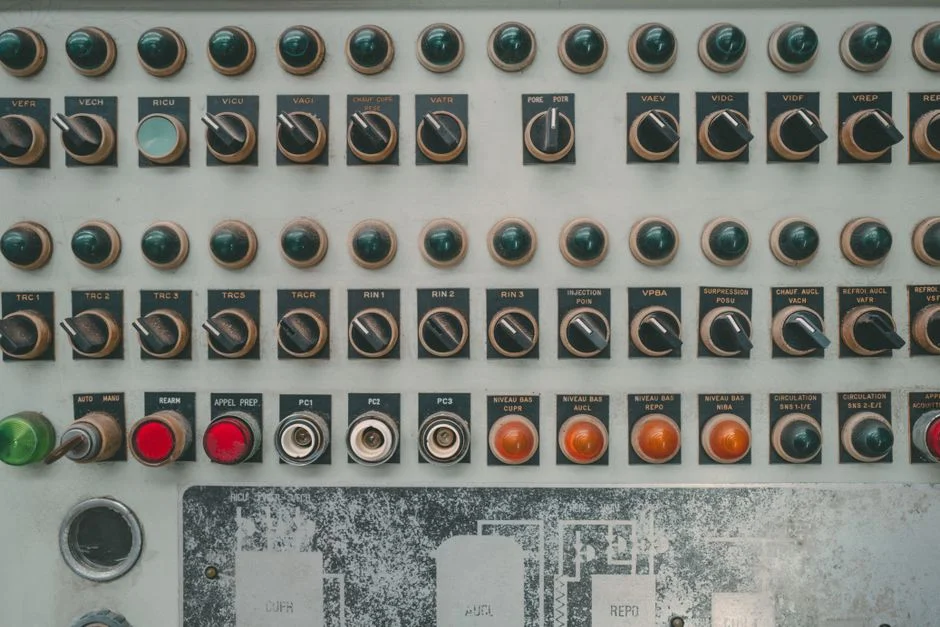
A defensible 2026 process train is a four-block diagram: pretreatment, biological, disinfection, sludge. Each block has a single job, a sizing number, and a piece of equipment that fills it. The engineer hands the block diagram to the draftsman and the procurement manager walks away with a clean bill of quantities.
Block 1 — Pretreatment. A rotary mechanical bar screen for hotel headworks at 3–5 mm aperture removes hair, rags, plastics, and laundry lint; downstream grit chamber settles sand and coffee grounds; then a DAF unit for FOG pretreatment strips FOG to <15 mg/L, a 70–90% removal. Without this block, a 200 m³/day plant blinds its diffusers or MBR membranes inside 30 days (HydropureWater field data, 2026). The DAF operating principle and selection logic is covered in detail in the DAF unit working principle and selection guide.
Block 2 — Biological. A packaged MBR membrane bioreactor system using submerged PVDF hollow-fiber membranes at <1 µm nominal pore size delivers TSS ≤ 5 mg/L and BOD ≤ 5 mg/L in a single tank, eliminates the secondary clarifier, and holds ~60% smaller plan area than a WSZ A/O package at equal load. Design flux is 15–25 LMH at MLSS 8,000–12,000 mg/L.
Block 3 — Disinfection. A chlorine dioxide generator for reuse-grade disinfection at 1–2 mg/L with 30-min contact time reaches ≤200 CFU/100 mL fecal coliform for irrigation reuse. ClO₂ stays effective across pH 6–9 and does not form the THMs that spike when chlorine contacts laundry-rich wastewater with high surfactant load; the chlorine dioxide vs ozone comparison is the reference for the chemistry trade-off.
Block 4 — Sludge. A plate-and-frame filter press for hotel sludge running 4–6 h/day on the 80–120 kg DS/day produced by a 200 m³/day plant, targeting 25–35% DS cake so it can be containerized and hauled to a licensed Bahraini disposal facility.
| Parameter | Block 1 Pretreatment (screen + DAF) | Block 2 Biological (MBR) | Block 3 Disinfection (ClO₂) | Block 4 Sludge (filter press) |
|---|---|---|---|---|
| Influent envelope (mg/L unless stated) | FOG 50–150 in, <15 out | BOD 250–400, COD 500–800, TSS 200–350, surfactant 10–30, TDS 800–2,000 | Effluent TSS ≤ 5, BOD ≤ 5, NH₃-N ≤ 5 | WAS 80–120 kg DS/day at 200 m³/day |
| Key spec | 3–5 mm aperture, 70–90% FOG removal | PVDF hollow-fiber, <1 µm, 15–25 LMH | 1–2 mg/L ClO₂, 30-min CT | 25–35% DS cake, 4–6 h/day operation |
| Effluent target | FOG <15 mg/L | TSS ≤ 5, BOD ≤ 5 mg/L | Fecal coliform ≤ 200 CFU/100 mL | Cake haulable, no free water |
| Equipment | Rotary bar screen + DAF | MBR skid | ClO₂ generator | Plate-and-frame press |
The influent envelope above — BOD 250–400, COD 500–800, TSS 200–350, FOG 50–150, surfactant 10–30, TDS 800–2,000 mg/L with a BOD:COD ≈ 2:1 confirming biodegradable dominance — is the working GCC hospitality benchmark (HydropureWater field data, 2026; consistent with the broader Manama hotel wastewater design guide).
MBR vs Packaged WSZ: The Decision a Bahraini Engineer Can Defend
The buried WSZ A/O package and the skid-mounted MBR are both valid 2026 picks — the choice is driven by key count, discharge pathway, and footprint, not technology fashion. Here is the head-to-head an MEP consultant can hand to procurement in a single page.
| Parameter | WSZ A/O buried package | MBR skid-mounted |
|---|---|---|
| Installation | Buried; roof landscaped or used for parking | Above-grade skid; ~60% smaller plan area at equal load |
| Effluent grade | BOD ≤ 30, TSS ≤ 30 mg/L (sewer-discharge grade) | TSS ≤ 5, BOD ≤ 5 mg/L (reuse-grade, single tank) |
| Operator attendance | None — designed for unattended operation | Low — periodic membrane CIP and aeration checks |
| CAPEX per m³ | Baseline | ~30–50% higher per m³ at the same flow |
| Energy | Lower (no membrane scour air) | Slightly higher (membrane aeration + periodic CIP) |
| Best fit | ≤150-key city hotels, tight footprints, sewer discharge | 200+ key resorts, irrigation reuse, high-occupancy surge |
The WSZ underground package sewage treatment plant is the right pick for city hotels under ~150 keys in Diplomatic Area or Seef, on reclaimed fill with a high water table where a buried tank avoids dewatering, and where the discharge goes to municipal sewer. The MBR membrane bioreactor system is the right pick for a 200+ key resort with a lagoon, landscape irrigation demand, or a marine outfall requiring very low TSS — and on reclaimed Amwaj-style sites where an above-grade semi-buried or skid-mounted MBR avoids the dewatering that a buried tank would force.
Decision rule an engineer can defend in a meeting: city hotel under ~150 keys + sewer discharge → WSZ. Resort 200+ keys + irrigation reuse or very-low-TSS marine outfall → MBR. A side reference for tropical-resort SCE conversations is the packaged MBR STP for tropical-resort hotels in Luanda, which covers comparable coastal siting and reuse targets.
What to Put in the MBR RFQ: Membrane, Aeration, and Service Specs
The RFQ section is what the MEP consultant copies into the tender the morning after reading the article. Six line items cover the engineering intent and lock the vendor to performance, not just equipment.
- Membrane. Reinforced PVDF hollow-fiber at 0.03–0.1 µm pore (a PVDF flat-sheet MBR membrane module is the alternative for high-solids resort feeds), 3–5 year replacement interval, hydrophilic surface modification to limit grease binding, resistant to sodium hypochlorite CIP up to 2,000 mg/L.
- Aeration. Dedicated membrane scour blower sized at 0.3–0.5 m³ air per m² membrane area per hour at design MLSS 8,000–12,000 mg/L; design flux 15–25 LMH; biological aeration sized independently to maintain DO ≥ 2 mg/L in the mixed liquor.
- Automation. PLC with remote IoT dashboard covering TMP, permeate flow, aeration pressure, MLSS, DO, and CIP logging; alarm on transmembrane pressure rise > 30 kPa and on permeate turbidity > 0.5 NTU sustained for 15 minutes.
- FAT scope. Dry-bubble point test on every module to guarantee pore size integrity, hydrostatic test on the rack, and a 72-h wet run on the biological loop before containerization.
- SAT scope. 14-day biological seeding with municipal-return sludge, two clean-in-place cycles documented, permeate turbidity < 0.2 NTU demonstrated across the duty range, and one full membrane integrity test on site.
- Warranty. 24 months mechanical and electrical, pro-rata membrane replacement credit if lifespan falls below 3 years under documented operating conditions, and a defined response time for service calls inside Bahrain.
| RFQ line item | Spec the engineer writes | Acceptance evidence |
|---|---|---|
| Membrane | Reinforced PVDF hollow-fiber, 0.03–0.1 µm | Dry-bubble point FAT certificate per module |
| Scour aeration | 0.3–0.5 m³/m²/h at MLSS 8,000–12,000 mg/L | Blower performance curve, factory test sheet |
| Design flux | 15–25 LMH | Vendor flux-vs-TMP curve |
| Automation | PLC + IoT, TMP alarm > 30 kPa | FAT simulation log |
| SAT — biology | 14-day seeding, two CIPs documented | Site SAT report with permeate turbidity < 0.2 NTU |
| Warranty | 24 mo mechanical, pro-rata membrane < 3 yr | Warranty schedule in contract |
The MBR skid ships in standard containers and installs in 4–8 weeks including the membrane rack and CIP plumbing — both fit Bahrain's fast-track hospitality construction calendars. A comparable packaged MBR membrane bioreactor system for a 200 m³/day plant typically arrives in two 40-ft containers plus the membrane rack on a flat rack.
Compliance Targets: Sewer, Marine Outfall, and Landscape Reuse in Bahrain
The numbers that go on the P&ID and the regulator name in the design basis. The Supreme Council for Environment (SCE) is the approving authority for treated wastewater reuse in the Kingdom.
Sewer / marine outfall envelope. BOD ≤ 30 mg/L, COD ≤ 125 mg/L, TSS ≤ 30 mg/L, oil & grease ≤ 15 mg/L, pH 6–9. This is the working discharge contract limit for municipal sewer connections in Diplomatic Area and Seef, and the same envelope applies to coastal resort sites with a marine outfall option — though the latter typically also requires a marine outfall dispersion study from SCE before approval.
On-site landscape irrigation reuse. Add fecal coliform ≤ 200 CFU/100 mL and residual chlorine ≥ 1 mg/L at the point of use. The GCC hospitality benchmark (2025-09) is the working reference accepted by SCE for hospitality reuse. For new resort builds — and increasingly all 4- and 5-star builds — SCE favours on-site reuse for landscape irrigation, which pushes the technology choice toward MBR rather than conventional A/O with a clarifier because the MBR delivers TSS ≤ 5 and BOD ≤ 5 in a single tank, well inside the reuse envelope without a tertiary sand filter.
CAPEX Band, Lead Time, and the Bahraini MBR Precedent
Three numbers close the buyer's loop: a defensible 2026 cost envelope, a realistic installation window, and a citable local precedent. The Ma'amir STP — 15 km south of Manama, the first MBR commissioned in Bahrain in 2017 under the Ministry of Works, Municipalities Affairs and Urban Planning (source: mcsix.sa) — is the precedent the design engineer attaches to the design basis page.
2026 CAPEX band. Packaged MBR for a 200 m³/day Manama resort sits in a meaningfully higher band than a comparable WSZ A/O once membrane modules, CIP skid, and reuse pumping are added; CAPEX scales with flow, effluent target, and reuse scope, and a sized quotation is required for project-specific pricing rather than a per-m³ rule of thumb. As a working envelope, packaged WSZ plants for small city hotels under 50 m³/day sit in a modest equipment-only range, and full MBR systems for 200 m³/day resort-scale projects sit in the upper band of the GCC CAPEX range (HydropureWater field data, 2026).
Lead time. A WSZ package ships factory-tested and installs in 2–4 weeks on a prepared slab; an MBR skid ships in standard containers and installs in 4–8 weeks including the membrane rack and CIP plumbing. Both windows fit Bahrain's fast-track hospitality construction calendars.
Local precedent. The Ma'amir STP, 15 km south of Manama, was the first STP in the Kingdom to adopt MBR technology, commissioned in 2017 (source: mcsix.sa) — a citable reference the design engineer can attach to the design basis page. For capacity benchmarking, an Imemflo hollow-fiber MBR has been operating at a 200-bed 5-star hotel at 250 m³/day since startup, with treated water meeting the wastewater reuse standard (source: imemflo.com) — a useful benchmark capacity for a mid-scale Manama property.
Frequently Asked Questions
How do I size a packaged MBR STP for a Manama hotel?
Use 0.6–0.8 m³ per occupied room-night, anchored to the Ritz-Carlton Bahrain's published 2,252.84 L/room-night water footprint. Multiply by key count and planned occupancy (typically 65–75% for a 5-star Manama property). A 250-key property at 70% occupancy lands at 105–140 m³/day, which is the figure to put on the P&ID and the design basis page. The same logic scales linearly: a 400-key resort at 75% occupancy sits at ~180–240 m³/day.
MBR or conventional activated sludge for a Bahraini hotel?
The decision rule an engineer can defend in a meeting: city hotel under ~150 keys + sewer discharge → WSZ underground package sewage treatment plant; resort 200+ keys + irrigation reuse or very-low-TSS marine outfall → MBR membrane bioreactor system. The MBR delivers ~60% smaller plan area at equal load and reuse-grade effluent (TSS ≤ 5, BOD ≤ 5 mg/L) in a single tank, at ~30–50% higher CAPEX per m³.
What effluent quality does SCE accept for landscape irrigation in Bahrain?
For on-site landscape irrigation reuse under the GCC hospitality benchmark (2025-09), design the plant to BOD ≤ 30 mg/L, COD ≤ 125 mg/L, TSS ≤ 30 mg/L, fecal coliform ≤ 200 CFU/100 mL, and residual chlorine ≥ 1 mg/L at the point of use. MBR followed by chlorine dioxide generator for reuse-grade disinfection hits these limits in a compact footprint; a conventional WSZ A/O would need a tertiary sand filter and UV to reach the same bar.
Can a packaged STP be installed on a reclaimed-island site with a high water table in Bahrain?
Yes, with the right geometry. Buried WSZ packages are designed as sealed tanks that resist buoyant uplift when anchored to a reinforced concrete base slab; on reclaimed-island sites such as Amwaj, an above-grade semi-buried or skid-mounted MBR is often the simpler choice to avoid dewatering during installation — and a 1–2 m water table closes the marine outfall option, which pushes the design toward on-site reuse.
How long does an MBR installation take in Bahrain?
An MBR skid ships in standard containers and installs in 4–8 weeks including the membrane rack and CIP plumbing, against 2–4 weeks for a WSZ package on a prepared slab. Both windows fit Bahrain's fast-track hospitality construction calendars, and the longer MBR window is offset by a smaller site footprint and a single-tank reuse-grade effluent that removes the need for a separate clarifier and tertiary filter building.