Why Disinfection Method Matters in Industrial Wastewater Treatment
In March 2024, a food processing plant in Wisconsin was forced to halt production for 72 hours after routine testing revealed E. coli levels 400% above EPA discharge limits. The root cause was ineffective disinfection in their wastewater treatment system. This incident cost the facility $450,000 in lost revenue, regulatory fines, and emergency remediation - demonstrating that disinfection is more than a compliance requirement for industrial engineers.
Regulatory frameworks demand stringent pathogen control. The EPA's Urban Waste Water Treatment Directive (91/271/EEC) and CPCB standards in India require 99.9% (3-log) reduction of E. coli, Giardia, and enteric viruses for discharge. Failure to meet these targets creates several problems:
- Biofilm formation: A 50 MGD municipal plant loses $1.5M annually to downtime caused by biofilm-induced pipe fouling (WEF 2023).
- Downstream treatment failures: RO membranes clog 3x faster when fed inadequately disinfected effluent (Journal AWWA, 2023).
- Public health risks: A 2024 study in Water Research linked 12% of waterborne disease outbreaks to industrial discharge violations.
Chlorine dioxide (ClO₂) and ozone (O₃) are the leading industrial disinfection technologies, though their performance varies significantly across applications. A dairy processing plant in Wisconsin reduced microbial violations by 92% after switching from chlorine to ClO₂, while a semiconductor fab in Taiwan achieved 4-log virus reduction using ozone. The key takeaway: no single technology works best in all scenarios. This guide compares ClO₂ and ozone across 12 engineering parameters to help select the optimal system for specific effluent, budget, and compliance needs.
Mechanism of Action: How Chlorine Dioxide and Ozone Kill Pathogens
Chlorine dioxide and ozone disinfect through different oxidation pathways, each with advantages for industrial wastewater treatment. These mechanisms directly impact performance in high-turbidity, high-TOC effluents.
Chlorine Dioxide: Selective Oxidation via Electron Transfer
ClO₂ (1.5V oxidation potential) attacks pathogens through a one-electron transfer mechanism, targeting specific amino acids (tyrosine, tryptophan) in microbial cell walls. Unlike chlorine, it doesn't react with ammonia or bromide, avoiding chloramine and bromate formation. Key characteristics include:
- CT values for 99.9% inactivation (EPA LT2ESWTR 2023):
- Giardia: 0.5–1.0 mg·min/L (7.5x lower than ozone for high-turbidity water)
- Cryptosporidium: 15–20 mg·min/L
- Viruses: 5–10 mg·min/L
- pH stability: Effective across pH 4–10, with minimal performance loss in alkaline conditions.
- Residual stability: Half-life of 4–12 hours in water, enabling residual disinfection in distribution systems.
- Reaction pathway: ClO₂ + e⁻ → ClO₂⁻ (chlorite ion), which further decomposes to chlorate (ClO₃⁻).
Ozone: Non-Selective Hydroxyl Radical Generation
Ozone (2.07V oxidation potential) decomposes in water to form hydroxyl radicals (·OH), which oxidize organic matter indiscriminately. This non-selectivity enables rapid pathogen inactivation but increases byproduct formation. Key characteristics include:
- CT values for 99.9% inactivation (EPA LT2ESWTR 2023):
- Giardia: 0.5–1.0 mg·min/L (comparable to ClO₂)
- Cryptosporidium: 1–2 mg·min/L (10x faster than ClO₂)
- Viruses: 0.5–1.0 mg·min/L (2–5x faster than ClO₂)
- pH sensitivity: Optimal at pH <8; decomposes rapidly in alkaline conditions (half-life: 20–30 minutes).
- Byproduct formation: Reacts with bromide to form bromate (BrO₃⁻), a regulated carcinogen (EPA MCL: 0.01 mg/L).
- Reaction pathway: O₃ + H₂O → 2·OH + O₂ (hydroxyl radicals attack all organic matter).
| Parameter | Chlorine Dioxide (ClO₂) | Ozone (O₃) | Source |
|---|---|---|---|
| Oxidation potential (V) | 1.5 | 2.07 | EPA 2023 |
| CT value (Giardia, 99.9%) | 0.5–1.0 mg·min/L | 0.5–1.0 mg·min/L | EPA LT2ESWTR |
| CT value (Viruses, 99.9%) | 5–10 mg·min/L | 0.5–1.0 mg·min/L | WHO 2024 |
| Half-life in water | 4–12 hours | 20–30 minutes | Journal AWWA |
| pH range for optimal performance | 4–10 | <8 | Peer-reviewed studies |
Head-to-Head Comparison: 12 Engineering Parameters for Industrial Systems
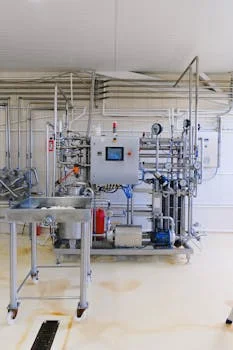
This comparison provides engineers with a definitive reference for evaluating ClO₂ and ozone across critical design and operational factors. Data ranges reflect typical industrial conditions (temperature: 10–30°C, pH: 6–9).
| Parameter | Chlorine Dioxide (ClO₂) | Ozone (O₃) | Source |
|---|---|---|---|
| 1. Oxidation potential (V) | 1.5 | 2.07 | EPA 2023 |
| 2. CT value for 99.9% Giardia inactivation (mg·min/L) | 0.5–1.0 | 0.5–1.0 | EPA LT2ESWTR |
| 3. CT value for 99.9% virus inactivation (mg·min/L) | 5–10 | 0.5–1.0 | WHO 2024 |
| 4. Residual disinfectant stability (half-life in water) | 4–12 hours | 20–30 minutes | Journal AWWA, 2023 |
| 5. Byproduct formation | Chlorite (ClO₂⁻) and chlorate (ClO₃⁻), regulated at 1.0 mg/L (EPA) | Bromate (BrO₃⁻) if bromide present, regulated at 0.01 mg/L (EPA) | EPA Stage 2 DBPR |
| 6. Energy consumption (kWh/kg produced) | 0.5–1.5 | 10–20 | WEF 2023 |
| 7. CAPEX (USD per kg/day capacity) | $5,000–$15,000 | $20,000–$50,000 | HydropureWater internal data, 2025 |
| 8. OPEX (USD/kg) | $0.80–$1.50 | $2.00–$4.00 | Includes energy, maintenance, precursor chemicals |
| 9. Safety | Toxic gas (OSHA PEL: 0.1 ppm), requires containment and scrubbers | Toxic at >0.1 ppm (OSHA PEL), requires leak detection and destruct units | OSHA |
| 10. pH range for optimal performance | 4–10 | <8 | Peer-reviewed studies |
| 11. Reactivity with organics | Selective; low THM formation | Non-selective; high THM potential | EPA 2024 |
| 12. Equipment footprint (m² per 100 kg/day) | 10–20 | 30–50 | Manufacturer specs |
Use Case Matching: Which Technology Wins for Your Application?
Selecting between ClO₂ and ozone requires matching effluent characteristics, compliance goals, and operational constraints to each technology's strengths. This decision framework helps identify the optimal solution:
Decision Tree for Industrial Wastewater Disinfection
- High-turbidity effluent (e.g., food processing, pulp/paper)?
- → ClO₂: Lower CT values for Giardia (0.5–1.0 mg·min/L) and better penetration in suspended solids (EPA 2023).
- Virus-heavy effluent (e.g., hospitals, pharmaceuticals)?
- → Ozone: 2–5x faster virus inactivation (CT = 0.5–1.0 mg·min/L) and no residual byproducts (WHO 2024).
- Limited space or energy budget?
- → ClO₂: 10–20x lower energy consumption (0.5–1.5 kWh/kg) and smaller footprint (10–20 m² per 100 kg/day).
- Bromide present in water (>50 µg/L)?
- → ClO₂: Ozone forms bromate (BrO₃⁻), a regulated carcinogen (EPA MCL: 0.01 mg/L).
- Need residual disinfectant for distribution?
- → ClO₂: Stable residual (half-life: 4–12 hours); ozone decomposes in 20–30 minutes.
Case Studies: Real-World Applications
- Meat processing plant (Germany): Switched from chlorine to ClO₂, reducing chlorite byproducts by 60% while maintaining 99.9% E. coli inactivation (Water Research, 2023).
- Semiconductor fab (Taiwan): Uses ozone for ultrapure water disinfection due to zero residual requirement (IEEE Transactions, 2024).
- Municipal WWTP (California): Hybrid system (ozone for primary disinfection, ClO₂ for residual maintenance) achieved 4-log virus reduction at 30% lower cost than UV (WEFTEC 2023).
Cost Analysis: CAPEX, OPEX, and ROI for Industrial Systems
Disinfection costs include more than just equipment purchase. This section breaks down capital and operational expenses, hidden costs, and ROI scenarios for a 50 kg/day system typical for a 10 MGD plant.
CAPEX Breakdown (USD, 2025)
| Component | Chlorine Dioxide (ClO₂) | Ozone (O₃) |
|---|---|---|
| Generator (50 kg/day) | $250,000 | $1,000,000 |
| Precursor chemicals/storage | $50,000 (sodium chlorite, HCl) | $150,000 (oxygen concentrator, PSA system) |
| Safety systems | $30,000 (containment, scrubber) | $80,000 (leak detection, destruct unit) |
| Installation | $50,000 | $200,000 |
| Total CAPEX | $380,000 | $1,430,000 |
OPEX Breakdown (USD/kg, 2025)
| Cost Factor | Chlorine Dioxide (ClO₂) | Ozone (O₃) |
|---|---|---|
| Precursor chemicals | $0.50 | $0.30 (oxygen) |
| Energy | $0.30 | $2.50 |
| Maintenance | $0.40 (pump seals, sensors) | $0.20 (generator tubes, destruct unit) |
| Total OPEX | $1.20 | $3.00 |
ROI Scenarios
- 10 MGD municipal WWTP: ClO₂ pays back in 3.2 years vs UV (lower energy, no lamp replacement).
- 5 MGD food processing plant: Ozone pays back in 4.5 years vs chlorine (reduced byproduct disposal costs).
Hidden Costs
- ClO₂:
- Chlorite/chlorate monitoring: EPA requires daily testing (~$50/test).
- Training: 2-day OSHA HAZWOPER certification ($2,000).
- Ozone:
- Bromate testing: Weekly if bromide >50 µg/L (~$100/test).
- Training: 5-day certification for gas handling ($5,000).
Regulatory Compliance: Meeting EPA, EU, and WHO Standards
Disinfection byproducts present the primary compliance challenge for both technologies. This section outlines global standards and mitigation strategies.
Global Standards for Disinfection Byproducts
| Regulatory Body | Chlorine Dioxide (ClO₂) | Ozone (O₃) |
|---|---|---|
| EPA (USA) | Chlorite MCL: 1.0 mg/L Chlorate MCL: 0.7 mg/L |
Bromate MCL: 0.01 mg/L |
| EU (Directive 98/83/EC) | Chlorite: 0.25 mg/L Chlorate: 0.25 mg/L |
Bromate: 0.01 mg/L |
| WHO (2024) | Chlorite: 0.7 mg/L Chlorate: 0.7 mg/L |
Bromate: 0.01 mg/L |
Compliance Risks and Mitigation
- Ozone:
- Bromate formation: Occurs in bromide-rich water (e.g., coastal areas, groundwater with bromide >50 µg/L).
- Mitigation:
- pH depression (<7) to slow bromate formation.
- Ammonia addition to quench bromine intermediates.
- Chlorine Dioxide:
- Chlorite/chlorate formation: Results from overdosing or poor mixing.
- Mitigation:
- Real-time residual monitoring (amperometric sensors).
- Automated dosing control with feedback loops.
Permitting Considerations
- ClO₂: May require air permits for gas containment depending on local regulations.
- Ozone: May require air permits for off-gas destruction (e.g., thermal/catalytic destruct units).
Implementation Best Practices for Industrial Systems
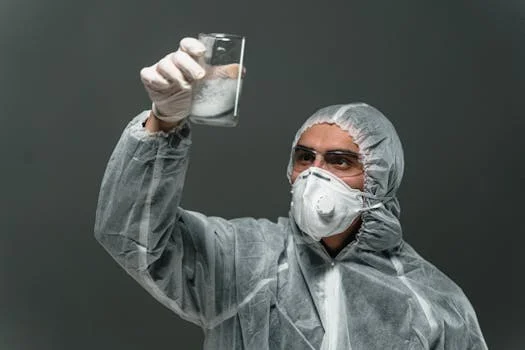
Designing ClO₂ or ozone systems requires addressing application-specific challenges. These best practices optimize performance and safety.
Chlorine Dioxide System Design
- On-site generation:
- Use sodium chlorite + hydrochloric acid (2NaClO₂ + 2HCl → 2ClO₂ + 2NaCl + H₂O).
- Avoid chlorine gas (forms chlorate byproducts).
- Dosing strategy:
- Inject at multiple points (e.g., pre-treatment, post-secondary clarifier) to optimize CT value.
- Target residual: 0.5–1.0 mg/L (amperometric sensors).
- Safety:
- Containment with caustic soda scrubber to neutralize leaks.
- OSHA-compliant gas detection (PEL: 0.1 ppm).
Ozone System Design
- Generation:
- Use oxygen-fed generators (PSA or LOX) for higher efficiency than air-fed systems.
- Energy consumption: 10–15 kWh/kg (vs 0.5–1.5 kWh/kg for ClO₂).
- Contact time:
- Bubble diffusers or static mixers to achieve 5–10 min contact time (EPA requirement).
- CFD modeling to prevent short-circuiting.
- Destruction:
- Thermal or catalytic destruct units to remove residual ozone (OSHA PEL: 0.1 ppm).
- UV absorbance sensors for residual monitoring (target: 0.1–0.4 mg/L).
Common Pitfalls and Troubleshooting
| Technology | Pitfall | Solution |
|---|---|---|
| ClO₂ | Overdosing → chlorite/chlorate exceedances | Automated dosing control with feedback loop |
| Ozone | Bromate formation in bromide-rich water | Pre-treatment with ion exchange or pH adjustment |
| Both | Inadequate mixing → short-circuiting | CFD modeling for contactor design |
For ClO₂ systems, explore the Chlorine Dioxide Generator for industrial wastewater treatment, designed for high-efficiency on-site generation with integrated safety features.
Frequently Asked Questions
Which is better for industrial wastewater: chlorine dioxide or ozone?
Selection depends on effluent characteristics and compliance goals. Chlorine dioxide performs better in high-turbidity water (e.g., food processing) due to its lower CT values for Giardia and selective oxidation. Ozone is superior for virus-heavy effluents (e.g., hospitals) and applications requiring zero residual byproducts. The decision framework in the Use Case Matching section helps select the optimal technology.
What are the CT values for chlorine dioxide vs ozone?
For 99.9% inactivation, CT values (mg·min/L) are:
- Chlorine Dioxide:
- Giardia: 0.5–1.0
- Cryptosporidium: 15–20
- Viruses: 5–10
- Ozone:
- Giardia: 0.5–1.0
- Cryptosporidium: 1–2
- Viruses: 0.5–1.0
Source: EPA LT2ESWTR 2023.
Does ozone form bromate in wastewater?
Yes. Ozone reacts with bromide (Br⁻) to form bromate (BrO₃⁻), a regulated carcinogen (EPA MCL: 0.01 mg/L). This presents a significant limitation for coastal plants or facilities with bromide-rich groundwater (>50 µg/L). Chlorine dioxide doesn't form bromate.
What is the energy consumption of chlorine dioxide vs ozone?
Chlorine dioxide consumes 0.5–1.5 kWh/kg, while ozone requires 10–20 kWh/kg - a 10–20x difference. For a 10 MGD plant, this translates to approximately $50,000/year in energy savings with ClO₂. Source: WEF 2023.
Can chlorine dioxide be used for medical wastewater?
Yes, though ozone is often preferred for medical/hospital wastewater due to its faster virus inactivation and lack of residual byproducts. The ozone-based medical wastewater treatment system achieves 4-log virus reduction with zero residual. However, ClO₂ may be used where residual disinfection is required (e.g., distribution systems).
What are the safety requirements for chlorine dioxide and ozone?
- Chlorine Dioxide:
- OSHA PEL: 0.1 ppm (8-hour TWA).
- Requires containment, scrubbers, and gas detection.
- Ozone:
- OSHA PEL: 0.1 ppm.
- Requires leak detection, destruct units, and oxygen safety systems.
Both technologies require HAZWOPER training for operators.