India CPCB effluent limits for industrial wastewater
The india cpcb effluent limits for industrial wastewater commonly require inland surface-water BOD ≤30 mg/L, COD ≤250 mg/L, and TSS ≤100 mg/L. Those caps sit in Schedule VI of the Environment Protection Rules 1986 unless a sector notification is stricter. State boards enforce the consent.
India industrial effluent limits are set nationally by the Central Pollution Control Board (CPCB) and enforced by state pollution control boards. Baseline general standards sit in Schedule VI of the Environment Protection Rules 1986. Sector notifications on the CPCB effluent standards list cover textiles, pharmaceuticals, tanneries, food processing, pulp and paper, and Common Effluent Treatment Plants (CETPs).
Public-sewer and land-disposal pathways use different receiving-body limits. According to the CPCB Schedule-I list of standards for emission or discharge of environmental pollutants from various industries, textile, pharmaceutical, tannery, food and fruit processing, small pulp and paper, and CETP standards are separate files, with general standards indexed apart from those industry files. Read the matching file before you freeze tank volume.
Plant managers should treat the receiving body as the first design input. Inland surface-water discharges face the tightest organic and solids caps in the general schedule. Public-sewer discharges allow higher BOD and TSS in many cases, but metal limits stay tight. Local consent conditions can still override the general table.
Penalties under the Environment Protection Act 1986 escalate with repeat failure. First-time violations commonly draw fines of ₹50,000–₹2 lakh with a rectification window. Repeat offenses can trigger daily fines up to ₹10 lakh, plant shutdowns, and criminal exposure under Section 15 for persistent non-compliance.
Water-scarce districts in Tamil Nadu, Gujarat, and Rajasthan often impose Zero Liquid Discharge on textiles, pharmaceuticals, and tanneries. Export buyers may also require alignment with EU or US buyer specs even when Indian inland limits are met. Most plants we size for those districts still design biology to BOD ≤30 mg/L before any membrane step, because salt rejection does not remove BOD.
CPCB effluent limits: core parameters for all industries
CPCB effluent limits in Schedule VI establish baseline discharge values for all industries unless an industry-specific standard supersedes them. Inland surface-water BOD is ≤30 mg/L, while public-sewer BOD in the same baseline framing used here is ≤100 mg/L. COD for surface water is ≤250 mg/L and must not exceed 3× BOD under the common design rule used with this schedule.
- Biochemical Oxygen Demand (BOD): ≤30 mg/L for inland surface waters; ≤100 mg/L for public sewers.
- Chemical Oxygen Demand (COD): ≤250 mg/L for surface water, not exceeding 3× the BOD value.
- Total Suspended Solids (TSS): ≤100 mg/L for surface water; ≤200 mg/L for public sewers.
- Oil & Grease: ≤10 mg/L for all discharges in this baseline table.
- pH: 6.5–8.5 for the discharges shown below.
- Heavy Metals: Hexavalent chromium ≤0.1 mg/L, lead ≤0.1 mg/L, mercury ≤0.01 mg/L.
These numbers drive aeration volume, clarification area, and polishing steps. A textile plant discharging to a river must hit BOD ≤30 mg/L. A facility discharging to a municipal sewer may design to the sewer column instead, subject to the sewerage utility and SPCB consent. Most aeration tanks we size for this inland cap run at the lower end of the load range so a festival-week peak still clears BOD ≤30 mg/L.
Write each limit into the plant control narrative with its sampling point and test method, not only its value. A BOD cap without a composite-sampling definition turns every audit into an argument about which Grab sample represents the day. Pin method, frequency, and location next to the number and the argument ends before it starts.
| Parameter | Inland Surface Water Limit | Public Sewer Limit | Regulatory Source |
|---|---|---|---|
| BOD (mg/L) | ≤30 | ≤100 | Environment Protection Rules 1986, Schedule VI |
| COD (mg/L) | ≤250 (≤3× BOD) | ≤250 (≤3× BOD) | Environment Protection Rules 1986, Schedule VI |
| TSS (mg/L) | ≤100 | ≤200 | Environment Protection Rules 1986, Schedule VI |
| Oil & Grease (mg/L) | ≤10 | ≤10 | Environment Protection Rules 1986, Schedule VI |
| pH | 6.5–8.5 | 6.5–8.5 | Environment Protection Rules 1986, Schedule VI |
| Hexavalent Chromium (mg/L) | ≤0.1 | ≤0.1 | Environment Protection Rules 1986, Schedule VI |
| Lead (mg/L) | ≤0.1 | ≤0.1 | Environment Protection Rules 1986, Schedule VI |
| Mercury (mg/L) | ≤0.01 | ≤0.01 | Environment Protection Rules 1986, Schedule VI |
For cadmium, nickel, and other metals beyond the rows above, compare your consent order with the full Schedule VI list and any sector file on the CPCB portal. Keep the consent number if it is tighter than this baseline table.
sector-specific effluent limits textile pharma tannery india
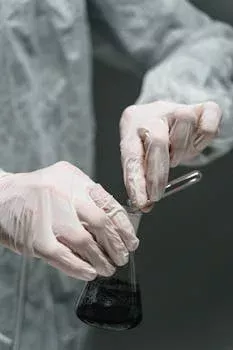
Sector-specific effluent limits for textile, pharma, and tannery plants in India target pollutants the general schedule states only in broad form. CPCB publishes these industry files on its effluent and emission standards page, alongside general standards documents. Designers should read the sector file first, then fall back to Schedule VI for missing parameters. On the current CPCB Schedule-I list, Leather Tanneries is marked omitted, while a Tanneries file and a Tannery (After Primary Treatment) file remain posted.
Textile Industry
Textile effluent limits focus on BOD, COD, TSS, color, and dissolved solids where ZLD applies. Typical inland targets used in plant design are BOD ≤30 mg/L, COD ≤250 mg/L (≤3× BOD), TSS ≤100 mg/L, and color ≤400 Pt-Co units. Hydraulic loading for primary systems is often sized at 12–24 m³/day/m². TDS ≤2,100 mg/L appears where ZLD or inland reuse constraints apply.
Units in Tirupur and many Gujarat clusters must close the water balance. That usually means biological polishing with MBR systems for BOD/COD compliance plus reverse osmosis for salt rejection. Most dye houses we review still miss color ≤400 Pt-Co units before they miss BOD ≤30 mg/L.
Pharmaceutical Industry
Pharmaceutical effluent limits keep BOD ≤30 mg/L, COD ≤250 mg/L (≤3× BOD), and TSS ≤100 mg/L for inland discharge design cases. TDS ≤2,100 mg/L is common under ZLD consent language. Metal caps in sector guidance used here include arsenic ≤0.2 mg/L, cadmium ≤0.1 mg/L, and mercury ≤0.01 mg/L. Select antibiotic residuals may be held near ≤100 ng/L for compounds such as ciprofloxacin where notified.
API sites often combine solids capture and oxidation. Many trains start with DAF systems for TSS removal before advanced oxidation for recalcitrant COD. Most API plants we size still need that solids step, because oxidation alone does not hold TSS ≤100 mg/L.
Tannery Industry
Tannery effluent limits add chromium and sulfide controls on top of BOD ≤30 mg/L, COD ≤250 mg/L, and TSS ≤100 mg/L. Total chromium ≤2 mg/L and sulfide ≤2 mg/L are the usual design caps. pH is held at 6.5–9.0 to limit sulfide gas release. Lime precipitation followed by biological treatment remains the standard sequence.
Stable metal removal depends on consistent reagent control. Automated chemical dosing systems help keep pH and precipitant dose inside the jar-test window. Most tannery lines we commission drift outside 6.5–9.0 when lime feed is manual on a hide-change day.
Food Processing Industry
Food-processing effluent limits center on organics and nutrients for the inland design case used here. Typical caps are BOD ≤30 mg/L, COD ≤250 mg/L, TSS ≤100 mg/L, and oil and grease ≤10 mg/L. Nitrogen as N is ≤10 mg/L and phosphorus as P is ≤5 mg/L. High-strength streams often start with anaerobic digestion, then aerobic polishing.
Most food plants we size run the anaerobic stage at the lower end of the load so the aerobic polish can still hold nitrogen ≤10 mg/L. Fat shocks are what push oil and grease through the ≤10 mg/L cap.
Pulp & Paper Industry
Pulp and paper effluent limits allow COD ≤350 mg/L because of lignin, while BOD stays ≤30 mg/L and TSS ≤100 mg/L. AOX ≤1 mg/L applies for bleached kraft pulp cases in this guidance set, with color ≤500 Pt-Co units. Primary clarification with lamella clarifiers is common before biological treatment. Most mills we review need that primary step, because lignin solids will not settle in a plain round clarifier at high hydraulic load.
| Industry | BOD (mg/L) | COD (mg/L) | TSS (mg/L) | Sector-Specific Limits | Hydraulic Loading (m³/day/m²) |
|---|---|---|---|---|---|
| Textile | ≤30 | ≤250 | ≤100 | Color ≤400 Pt-Co, TDS ≤2,100 | 12–24 |
| Pharmaceutical | ≤30 | ≤250 | ≤100 | TDS ≤2,100, arsenic ≤0.2 | 8–16 |
| Tannery | ≤30 | ≤250 | ≤100 | Chromium ≤2, sulfide ≤2 | 10–20 |
| Food Processing | ≤30 | ≤250 | ≤100 | Nitrogen ≤10, phosphorus ≤5 | 15–25 |
| Pulp & Paper | ≤30 | ≤350 | ≤100 | AOX ≤1, color ≤500 Pt-Co | 12–22 |
india industrial wastewater heavy metal discharge limits
India industrial wastewater heavy metal discharge limits in this Schedule VI baseline cap hexavalent chromium at ≤0.1 mg/L, lead at ≤0.1 mg/L, and mercury at ≤0.01 mg/L. Those three caps apply here to both inland surface water and public sewers. Pharmaceutical design rows in this article also use arsenic ≤0.2 mg/L, cadmium ≤0.1 mg/L, and mercury ≤0.01 mg/L. Tannery design rows add total chromium ≤2 mg/L, and the consent figure wins when it is tighter.
Teams sometimes type the query who effluent limit of cadmium and nickel discharge into wastewater. The WHO page that states the nickel value is a drinking-water fact sheet, not an industrial effluent standard. According to WHO drinking-water quality guidance (nickel fact sheet, assessment date 2021), the nickel guideline value remains 0.07 mg/L (70 µg/L). That fact sheet does not set a cadmium or nickel cap for industrial effluent discharge.
Practical screening order in the field: hold the hydroxide precipitation pH where chromium and lead both settle, then verify cadmium and nickel on the same composite before the audit laboratory does. Ion exchange belongs after precipitation, on the last fraction of metals, because resin operating cost climbs steeply once the incoming load is high. Buyers auditing a supplier panel usually check the full metals list regardless of which rows the consent names.
Global metal benchmarks outside this Indian consent discussion are summarized in Heavy Metal Discharge Limits in Wastewater: 2026 Global Standards & Co. Most metal lines we commission miss lead or nickel on the first grab because the hydroxide pH came from a textbook, not from that plant's jar test. Lock the pH window before you promise ≤0.1 mg/L lead.
cetp discharge standards india cpcb compliance
CETP discharge standards for inland surface water are designed at treated BOD 30 mg/L, COD 250 mg/L, and suspended solids 100 mg/L in the design case used across this guide. CPCB lists Common Effluent Treatment Plants as its own entry on the Schedule-I industry-standards list, separate from member-sector files. Inlet quality for each plant is still fixed by the state board, and those inlet numbers can be stricter than the national default.
What CETP discharge standards apply in India?
CETP discharge standards in India follow the Common Effluent Treatment Plants entry on the CPCB industry-specific standards list. Treated-effluent caps depend on the receiving environment. For inland surface water, design teams commonly use BOD 30 mg/L, COD 250 mg/L, and TSS 100 mg/L. Land-for-irrigation and marine pathways use their own columns. Inlet quality standards are fixed by the state board for each plant.
Member units must still meet the CETP inlet envelope. Sending untreated high-TDS or high-metal loads can breach inlet rules even when the CETP outlet is compliant. Confirm both inlet and outlet numbers in the consent before expanding production.
Cluster economics reward early coordination. When member units pre-screen solids and pH at source, the common plant spends its biology budget on organics instead of settling grit and hide fleshings. When they do not, the inlet pump station and equalization tank take the punishment, and every member pays in lost capacity.
How India’s effluent limits compare to EU, US, and WHO values
India’s CPCB inland BOD ≤30 mg/L aligns closely with many US textile effluent guideline cases. EU Industrial Emissions Directive practice often targets BOD ≤25 mg/L, COD ≤125 mg/L, and TSS ≤35 mg/L. Indian hexavalent chromium ≤0.1 mg/L and lead ≤0.1 mg/L sit near the US figures below. EU values in this table are tighter at ≤0.05 mg/L for both metals.
| Parameter | India (CPCB 2025) | EU (IED 2010/75/EU) | US (EPA Effluent Guidelines) | WHO Guidelines |
|---|---|---|---|---|
| BOD (mg/L) | ≤30 | ≤25 | ≤30 (textile), ≤45 (pharma) | N/A |
| COD (mg/L) | ≤250 | ≤125 | ≤250 (textile), ≤400 (pharma) | N/A |
| TSS (mg/L) | ≤100 | ≤35 | ≤50 (textile), ≤100 (pharma) | N/A |
| Hexavalent Chromium (mg/L) | ≤0.1 | ≤0.05 | ≤0.1 | ≤0.05 |
| Lead (mg/L) | ≤0.1 | ≤0.05 | ≤0.1 | ≤0.01 |
| Mercury (mg/L) | ≤0.01 | ≤0.005 | ≤0.01 | ≤0.006 |
| Hydraulic Loading (m³/day/m²) | 12–24 (textile) | 8–16 (textile) | 10–20 (textile) | N/A |
According to WHO drinking-water quality guidance (nickel fact sheet, assessment date 2021), the nickel guideline value is 0.07 mg/L (70 µg/L). That value is a drinking-water health benchmark, not an industrial effluent standard. Buyers still cite it when screening metal risk in water that may reach supplies.
- EU practice is stricter on organics and solids: BOD ≤25 mg/L, COD ≤125 mg/L, and TSS ≤35 mg/L sit below typical Indian inland caps.
- US limits vary by category: Textile BOD ≤30 mg/L and COD ≤250 mg/L match India in this table, while textile TSS ≤50 mg/L is tighter than India’s ≤100 mg/L.
- WHO figures are drinking-water oriented: Lead ≤0.01 mg/L and mercury ≤0.006 mg/L are not direct CPCB effluent limits.
- Hydraulic loading guidance differs: Indian textile primary loading at 12–24 m³/day/m² exceeds the EU 8–16 m³/day/m² band shown here.
Export-facing plants often design to the stricter of Indian consent and buyer specs. Meeting EU-style TSS ≤35 mg/L may require upgrading flotation or filtration beyond a consent written only to ≤100 mg/L. The consent number remains the legal cap inside India even when a buyer asks for more. Design the Indian plant to the consent first, and treat the foreign column as a contract question, not a regulatory one.
Which advanced treatments meet strict effluent standards?
Advanced wastewater treatment trains secure strict effluent standards when primary biology alone cannot hold consent limits. Match the failing parameter to a unit process with a proven removal range. Confirm the choice with jar tests and a pilot before full-scale spend.
Most plants we troubleshoot do not need a new process first. Stable dissolved oxygen and a sludge blanket below the weir clear more BOD ≤30 mg/L misses than a new skid does.
ZLD trains follow a recovery ladder rather than one brute-force step. Pre-concentration with membrane brine concentrators or electrodialysis is able to recover up to 60–80% of the water before any thermal stage, which is why the evaporator, not the membranes, dominates the power bill on most sites we audit. Match brine chemistry to the thermal technology early, because silica and calcium scale decide whether the crystallizer makes salt or downtime.
| Parameter Exceeded | Likely Causes | Recommended Technology | Removal Efficiency | Key Considerations |
|---|---|---|---|---|
| BOD/COD | Incomplete biological treatment, high organic load | MBR (Membrane Bioreactor) | 95–98% | Requires pre-treatment for TSS; membrane fouling risk |
| BOD/COD (high-strength) | Industrial processes (e.g., pharma, food processing) | Anaerobic Digestion (UASB, EGSB) | 70–90% | Generates biogas; requires post-treatment for BOD/COD |
| TSS | Inadequate primary treatment, high solids load | DAF (Dissolved Air Flotation) | 92–97% | Effective for emulsified oils; requires chemical dosing |
| TSS (high-flow) | Large volumes (e.g., pulp & paper) | Lamella Clarifier | 85–95% | Compact footprint; requires flocculation |
| Heavy Metals (Cr, Pb, Hg) | Industrial processes (e.g., tannery, electroplating) | Chemical Precipitation (Lime, Sulfide) | 90–99% | Generates sludge; pH adjustment required |
| Heavy Metals (low concentrations) | Trace contaminants (e.g., pharma) | Ion Exchange | 95–99% | High operational cost; resin regeneration required |
| Color (Textile) | Dyes, pigments | Advanced Oxidation Processes (AOPs) | 80–95% | High energy consumption; generates byproducts |
| TDS (ZLD) | High salinity (e.g., textile, pharma) | Reverse Osmosis (RO) + Evaporation | 95–99% | High CAPEX/OPEX; brine disposal required |
A practical troubleshooting sequence keeps downtime short:
- Identify the parameter in violation with composite samples and, where installed, online COD/TSS probes.
- Check process inefficiencies such as low aeration DO, short HRT, or clarifier sludge blanket carryover.
- Select the matching technology from the table above rather than adding random chemicals.
- Validate with jar testing before changing full-scale polymer or precipitant dose.
- Monitor for 72 hours after the change and lock the new setpoints into the SOP.
Hospital and lab campuses with infectious or pharma-tinged drains may need a dedicated package plant such as the Medical & Hospital Wastewater Treatment System before any discharge to a sewer or CETP. On ZLD sites the cost stack is usually biology, then membranes, then thermal brine handling. Most plants we price see the evaporator dominate power and maintenance, not the flotation unit.
Compliance checklist for plant engineers
Compliance checklists for Indian industrial discharges should verify receiving body, sector file, and consent limits first. Also confirm online monitoring duties before any capacity expansion. Use the short list below during design reviews and pre-audit walkdowns. Run the consent review against india cpcb effluent limits for industrial wastewater before any capacity increase.
- Confirm whether discharge is inland surface water, public sewer, land irrigation, marine, CETP inlet, or ZLD.
- Download the matching CPCB sector PDF and compare every parameter to the consent order.
- Size primary clarification and biology to BOD ≤30 mg/L and COD ≤250 mg/L where those inland caps apply.
- Add metal precipitation or ion exchange when Cr, Pb, Hg, or Ni risk exceeds the consent.
- Plan RO plus evaporator capacity if the site sits in a notified ZLD district.
- Budget OCEMS connectivity where CPCB or the SPCB requires continuous COD/TSS/flow reporting.
- Document jar-test curves and spare-chemical inventory for monsoon shock loads.
Most consent gaps we close are a missing sector PDF, not a missing tank. Print the consent limit next to the lab method before audit week. A monsoon week is when the spare-chemical stock earns its keep.
Who this is for: environmental engineers, EHS managers, and EPC teams sizing ETPs for Indian factories. Who should look elsewhere: municipalities seeking only sewage plant design without industrial loads should read stp and etp effluent standards in india. That page owns the sewage question. This page stays with industrial consents.
The wider discharge-standard map sits in india cpcb wastewater treatment guidlines. Read it once, then return to the sector table here. Next step: map each consent gap to the technology table. If a gap remains, request a duty-based equipment proposal.
Frequently Asked Questions
What is the BOD limit for CPCB inland discharges?
The CPCB inland surface-water BOD limit used in Schedule VI baseline design is ≤30 mg/L. Public-sewer BOD in the baseline table above is ≤100 mg/L. Sector notifications can set different numbers, so read the industry file and the consent together before freezing aeration volume. Most plants we size for a river outfall hold a working target below the cap so the ≤30 mg/L limit survives a shock load.
Is ZLD mandatory across India?
Zero Liquid Discharge is not a single nationwide mandate for every factory. Water-stressed districts in Tamil Nadu, Gujarat, and Rajasthan commonly require it for textiles, pharmaceuticals, and tanneries. Typical trains combine biological treatment, reverse osmosis, evaporation, and crystallization so no process liquid leaves the fence line. Where the consent cites TDS at or below 2,100 mg/L, the evaporator is there to hold that salt cap, not only to chase a slogan.
What is the COD limit for industrial effluent in India?
The common inland COD design cap is ≤250 mg/L, with the added rule that COD should not exceed 3× BOD. If BOD is 30 mg/L, engineers often hold COD near ≤90 mg/L to protect biodegradability for downstream works. Pulp and paper sector guidance in this article allows COD ≤350 mg/L because of lignin. Do not copy the inland ≤250 mg/L cap onto a public sewer until the consent names that column.
How do India’s limits compare with US EPA category rules?
India’s inland BOD ≤30 mg/L and COD ≤250 mg/L match the textile US figures shown in the comparison table. US textile TSS ≤50 mg/L is stricter than India’s ≤100 mg/L. Pharma COD in the US column reaches ≤400 mg/L, which is looser than India’s ≤250 mg/L inland case used here. Design the Indian plant to the consent first, and use a foreign column only when a buyer contract is stricter.
What penalties apply if effluent exceeds consent limits?
Penalties under the Environment Protection Act 1986 rise with repeat failure. First-time cases often draw ₹50,000–₹2 lakh plus a short rectification notice. Repeat exceedances can bring daily fines up to ₹10 lakh, closure directions, and criminal exposure under Section 15. Treat a failed composite sample as a process alarm the same day, not as a file for the next audit.
Further Reading
Additional resources on wastewater treatment topics: