Why Bangkok Hotels Need a Dedicated Wastewater System in 2026
Thailand's Pollution Control Department (PCD), acting under the Notification of Ministry of Industry, sets the binding 2026 effluent floor for built-up and serviced areas at BOD ≤20 mg/L, COD ≤120 mg/L, TSS ≤50 mg/L, and NH3-N ≤4 mg/L; any Bangkok hotel discharging outside those numbers faces suspension of operating permits. S Hotels' 2025 portfolio disclosure found that 40% of the group's self-managed Thai properties sit in catchments classified as water-stressed under the WRI Aqueduct Atlas — meaning that reuse is no longer a CSR talking point but a continuity-of-supply issue (S5). Bangkok's monsoon pattern compounds the engineering challenge: peak wet-weather flow routinely reaches 1.5–2× the average dry-weather flow, and an undersized equalization tank is the single most common reason biological plants fail compliance audits between June and October. That is also why the segment is actively re-investing — S Hotels' 2025 SAii Phi Phi Island Village upgrade carried an approximately THB 25 million water-management budget covering storage, reuse piping, and a new treatment train (S5). For Bangkok operators, the lesson from the Lisbon hotel wastewater treatment 2026 guide applies directly: design for compliance, hydraulics, and reuse from day one, not as a retrofit.
Design Basis: Flow, Load, and Influent Profile for a Bangkok Resort
The first engineering step is locking the flow envelope. A 4-star Bangkok hotel typically generates 0.25–0.40 m³ per guest-night, with a peaking factor of 1.8–2.5 over the morning housekeeping and breakfast block — a benchmark consistent with the 100,000 m² Avani Khao Lak scale referenced in S1, where the resort specifies the same hydraulic envelope for its 200+-key layout. Raw influent characteristics for a Bangkok hotel fall into a predictable envelope: BOD 200–350 mg/L, COD 400–600 mg/L, TSS 200–400 mg/L, FOG 50–150 mg/L, and NH3-N 20–40 mg/L. FOG is the Bangkok-specific wildcard — hotel restaurants, breakfast buffets, and club lounges routinely push grease above 100 mg/L, well above the 30–60 mg/L municipal norm, and any biological stage without a pre-grease stage will lose nitrification within weeks. Equalization volume must be sized at ≥8 hours of average daily flow to absorb both monsoon peaks and the 2-hour meal-service surges, with at least 1.0 m³ of buffer per 10 keys for surge control. These are the numbers an engineer should hand to a supplier before any equipment is quoted.
Recommended Treatment Train: From Sewer to Reuse-Quality Effluent
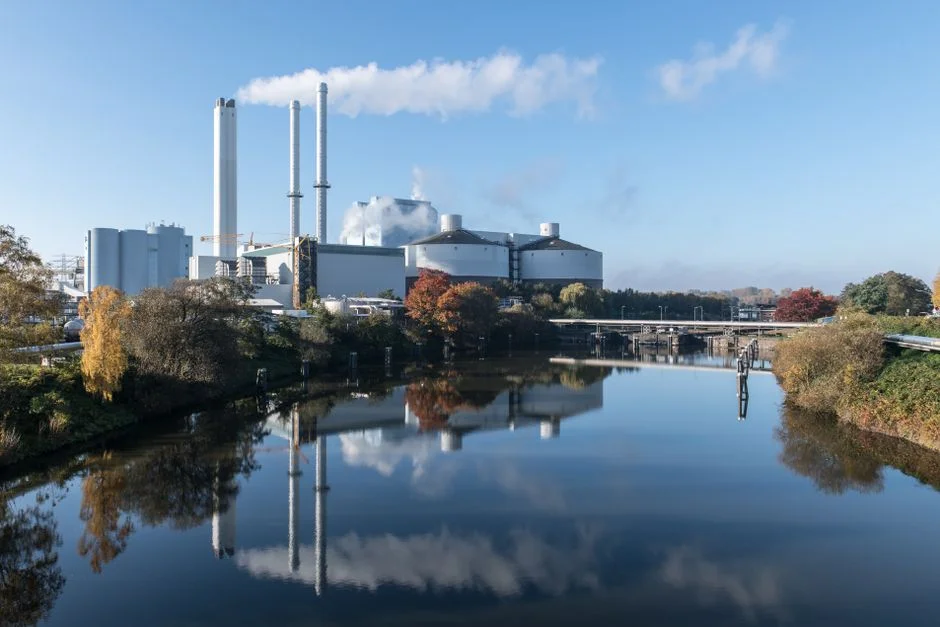
The five-stage train below is the configuration we specify most often for Bangkok hotels between 80 m³/day and 500 m³/day, and it maps directly onto the S1 Avani Khao Lak reference plant.
- Coarse screening with a rotary mechanical bar screen at ≤3 mm aperture — protects downstream pumps and membranes from laundry lint, amenity packaging, and the micro-plastics that load resort sewers in tropical climates.
- Grease removal and pre-aeration equalization — an FOG stripper coupled to an aerated EQ tank dampens BOD swings and protects the biological stage from slug loads during the breakfast service peak.
- Biological stage — for flows under 80 m³/day, an A/O contact-oxidation package such as the underground A/O package sewage plant; above 80 m³/day, or wherever reuse is required, an MBR membrane bioreactor system delivers nitrification and a reusable effluent in a single tank.
- Membrane separation — submerged PVDF flat-sheet or hollow-fiber modules at 0.1–0.4 µm cut TSS to <1 mg/L and turbidity to <1 NTU, the threshold that downstream UV needs to hit reliably in the 55–65% UVT band.
- UV disinfection — sized at 40 mJ/cm² minimum to compensate for the low UVT typical of Bangkok hotel effluents, mirroring the LOW UVT UV installation at Avani Khao Lak where UVT was measured at 60% (S1). Where a residual oxidant is needed for long distribution lines, an on-site chlorine dioxide generator gives a cleaner residual than chlorine gas near pools and amenity plantings.
Surplus activated sludge is thickened and dewatered on a plate and frame filter press — Bangkok's year-round 28–34 °C air and high solar yield make covered drying beds a viable secondary option for resorts with land.
Process Parameters the Spec Sheet Must Show
Every supplier datasheet should be checked against the numbers below before a Bangkok PO is signed. The compliance column reflects the PCD Notification of Ministry of Industry floor for built-up areas; the reuse column is what a downstream landscape or pond system can accept without clogging drippers or fouling fish ponds.
| Parameter | Influent (raw) | Effluent (PCD compliance) | Effluent (reuse-grade) |
|---|---|---|---|
| BOD | 200–350 mg/L | ≤20 mg/L | ≤10 mg/L |
| COD | 400–600 mg/L | ≤120 mg/L | ≤60 mg/L |
| TSS | 200–400 mg/L | ≤50 mg/L | ≤5 mg/L |
| NH3-N | 20–40 mg/L | ≤4 mg/L | ≤2 mg/L |
| FOG | 50–150 mg/L | ≤5 mg/L | ≤2 mg/L |
| pH | 6.5–8.5 | 6.5–9.0 | 6.5–8.5 |
| Turbidity | — | — | ≤2 NTU |
| UVT (final stage) | — | — | 55–65% |
| UV dose | — | — | ≥40 mJ/cm² |
| Sludge yield | — | 0.6–0.8 kg DS/kg BOD removed | — |
MBR module specifications to verify: PVDF chemistry, nominal pore 0.1–0.4 µm, design flux 15–25 L/m²·h at 25 °C, and an aeration scour of 0.3–0.5 m³ air per m² membrane area per minute. Reference module data is available on the MBR membrane bioreactor module product page.
MBR vs SBR vs A/O Package Plant: Which Fits Your Bangkok Hotel
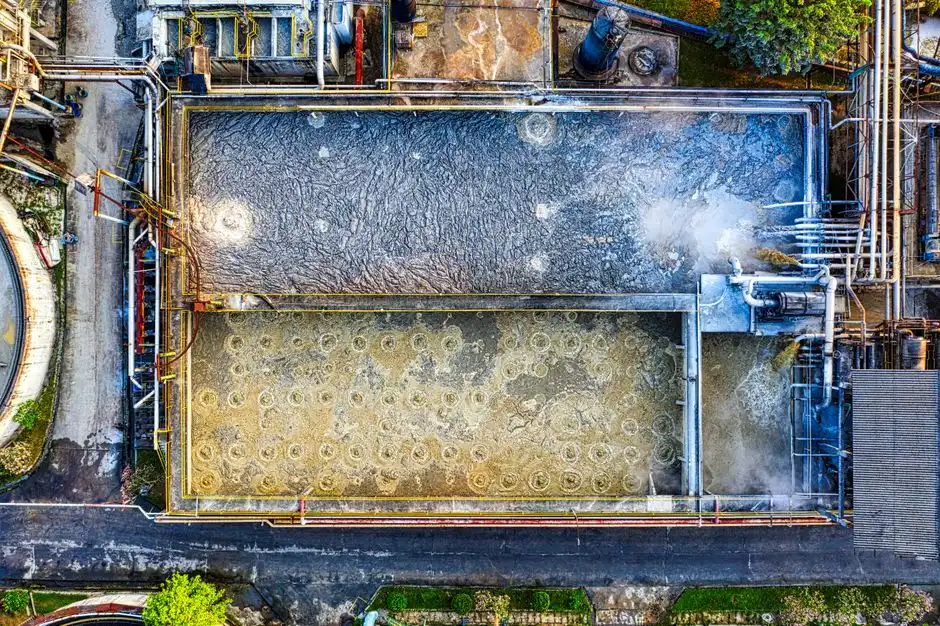
Three architectures dominate the 2026 Bangkok hotel market. The table summarizes the engineering and commercial trade-offs; the decision tree is straightforward and aligns with the MBR vs SBR comparison framework already published.
| Criterion | MBR | SBR | A/O Package (WSZ) |
|---|---|---|---|
| Footprint | Smallest (≈60% of conventional) | Large (batch basin + equalization) | Compact, fully buried |
| Flow range | 50–5,000 m³/day | 20–2,000 m³/day | 1–80 m³/h |
| Effluent quality | Reuse-grade (TSS <1 mg/L) | Compliance-grade (TSS ≤30 mg/L) | Compliance-grade |
| CAPEX per 100 m³/day | THB 0.6–1.5 M | THB 0.4–1.0 M | THB 0.3–0.7 M |
| OPEX per m³ treated | THB 0.6–1.2 | THB 0.4–0.8 | THB 0.4–0.7 |
| Operator skill | Medium (membrane CIP) | Medium (cycle tuning) | Low (fully automatic) |
| Best fit in Bangkok | Central, reuse-driven, >150 keys | Suburban / golf resort with land | Boutique / mid-scale, <150 keys |
For monsoon-heavy sites, the deciding factor is rarely CAPEX — it is the size of the equalization buffer and whether the system can ride out a 6-hour peak without shedding MLSS. MBR with a built-in 8-hour EQ and remote SCADA is the architecture we now default to for any central-Bangkok site above 150 keys. The A/O package remains the right answer for a 60-key boutique in Sukhumvit where the plant is buried under the driveway and the operator is the building engineer, not a wastewater specialist.
Water Reuse: Where Treated Effluent Earns Its Keep
Reuse is the line item that converts a compliance project into a capex-positive one. Garden and amenity irrigation, landscape pond top-up, and stream refill are the four highest-value end-uses in the Bangkok hotel context — both S1 (Avani Khao Lak) and S5 (S Hotels) confirm that treated effluent is routinely routed to exactly these loads. A/C condensate is a free secondary stream that should be plumbed separately and reused for foot-wash at room entrances, the configuration S Hotels has already rolled out (S5). The irrigation quality bar is achievable on a well-run MBR + UV train: BOD <10 mg/L, TSS <5 mg/L, turbidity ≤2 NTU, no chlorine residual, and UVT in the 55–65% band so drip emitters do not foul. Where laundry or cooling-tower make-up is the target, an RO polishing stage is added downstream of the MBR; for landscape-only reuse it is not required and would inflate both CAPEX and OPEX unnecessarily.
2026 CAPEX and OPEX Ranges for a Bangkok Hotel Plant
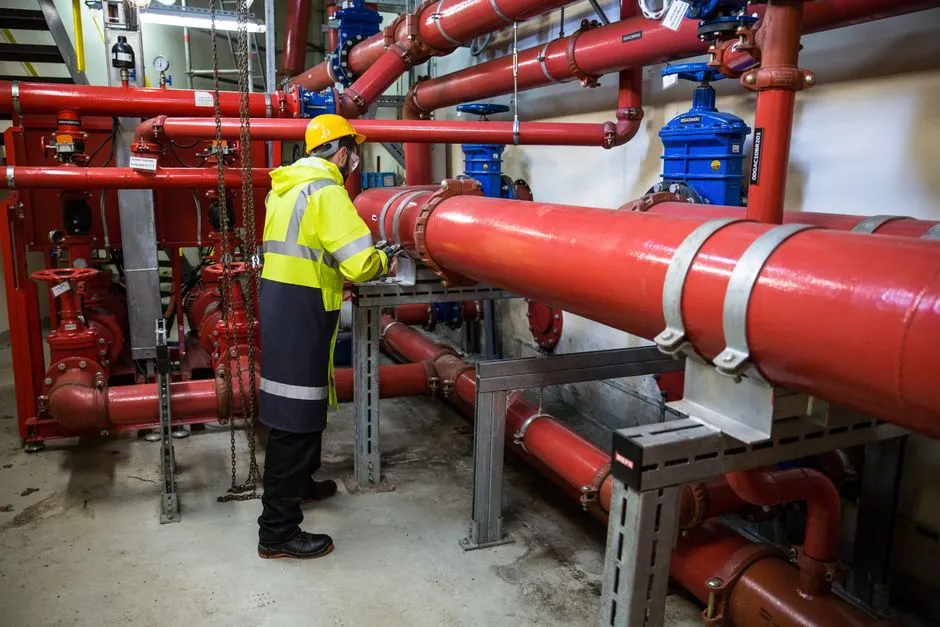
The bands below are 2026 planning estimates for Bangkok, inclusive of civil works, equipment, instrumentation, and commissioning, but excluding land and off-site piping. They are not quotations.
| Architecture | CAPEX (THB per 100 m³/day capacity) | OPEX (THB per m³ treated) | Main cost drivers |
|---|---|---|---|
| MBR | 0.6–1.5 M | 0.6–1.2 | Membrane replacement every 5–7 yr, UV lamps, energy at THB 4–5/kWh |
| SBR | 0.4–1.0 M | 0.4–0.8 | Blower runtime, decanter maintenance, sludge hauling |
| A/O Package (WSZ) | 0.3–0.7 M | 0.4–0.7 | Low blower load, minimal chemistry, periodic sludge pump-out |
Land opportunity cost in central Bangkok is the hidden lever: a smaller MBR footprint at THB 1.2 M can replace a THB 0.7 M SBR that consumes 60% more land area, flipping the decision even when biological CAPEX is higher. Full reuse trains with RO polishing typically pay back in 3–5 years on avoided potable-water purchase, especially for properties pulling water from the Metropolitan Waterworks Authority at commercial rates. Sludge handling CAPEX is often overlooked — the plate and frame filter press is the dewatering workhorse for Bangkok hotel plants below 500 m³/day because it produces a 35–40% dry-solids cake that hauls cheaply and passes PCD solid-waste criteria.
Frequently Asked Questions
What discharge limits apply to a Bangkok hotel in 2026?
Hotels discharging to a public watercourse or reuse system must meet the Notification of Ministry of Industry / PCD effluent floor: BOD ≤20 mg/L, COD ≤120 mg/L, TSS ≤50 mg/L, NH3-N ≤4 mg/L, and pH 6.5–9.0. Built-up-area projects should also plan for tighter reuse thresholds of BOD ≤10 mg/L and TSS ≤5 mg/L if the effluent feeds landscape irrigation.
How much water does a Bangkok hotel generate per day?
A 4-star Bangkok hotel generates 0.25–0.40 m³ per guest-night, with a morning peaking factor of 1.8–2.5. A 200-key property typically designs for 80–150 m³/day average flow, with an 8-hour equalization buffer to absorb monsoon and meal-service peaks.
MBR, SBR, or A/O package — which is best for a Bangkok hotel?
Use an MBR for central-Bangkok or reuse-driven sites above 150 keys, an SBR where land is cheap and reuse is not required, and an A/O package such as the WSZ underground plant for boutique and mid-scale properties under 150 keys that need a buried, low-operator solution.
Is UV disinfection effective in Bangkok hotel effluents?
Yes, provided the system is specified for low UVT. Bangkok hotel effluents measure 55–65% UVT after biological treatment, so a LOW UVT UV unit rated at 40 mJ/cm² minimum — the configuration installed at Avani Khao Lak (S1) — reliably hits the required log reduction without chlorine residual.
What is the payback for a full reuse train?
Full MBR + UV + RO reuse trains on Bangkok hotels typically achieve a 3–5 year simple payback through avoided potable-water purchase, with OPEX running at THB 0.6–1.2 per m³ treated for MBR plants and THB 4–5 per kWh electricity in 2026.